

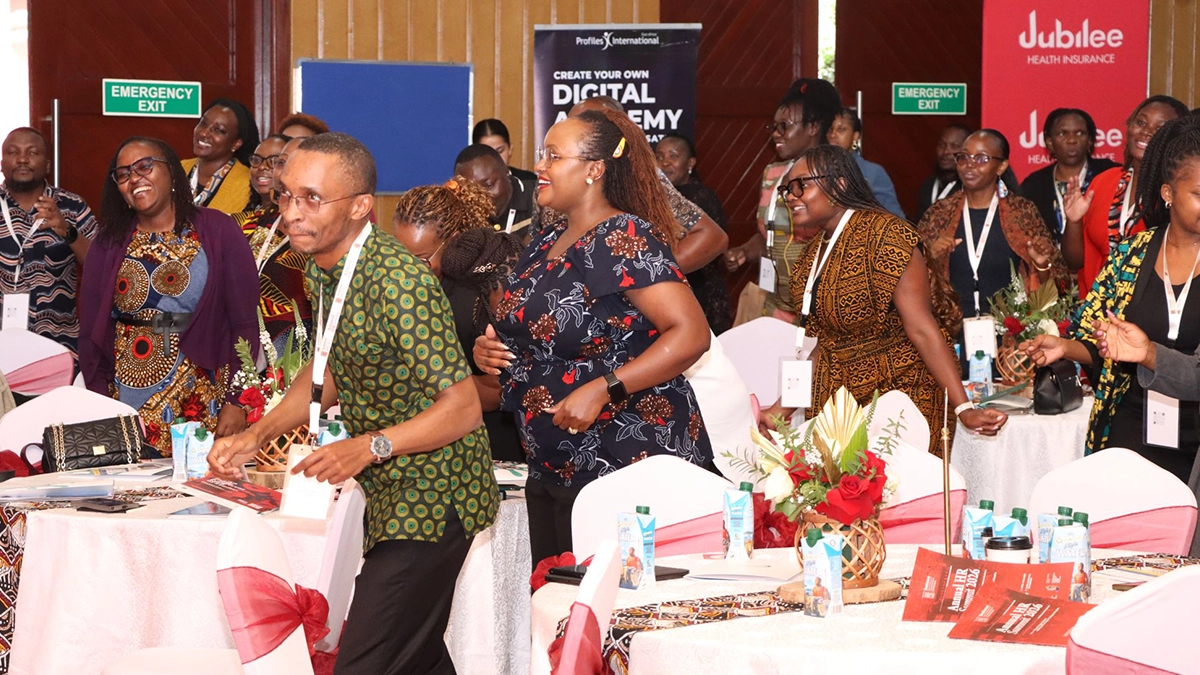
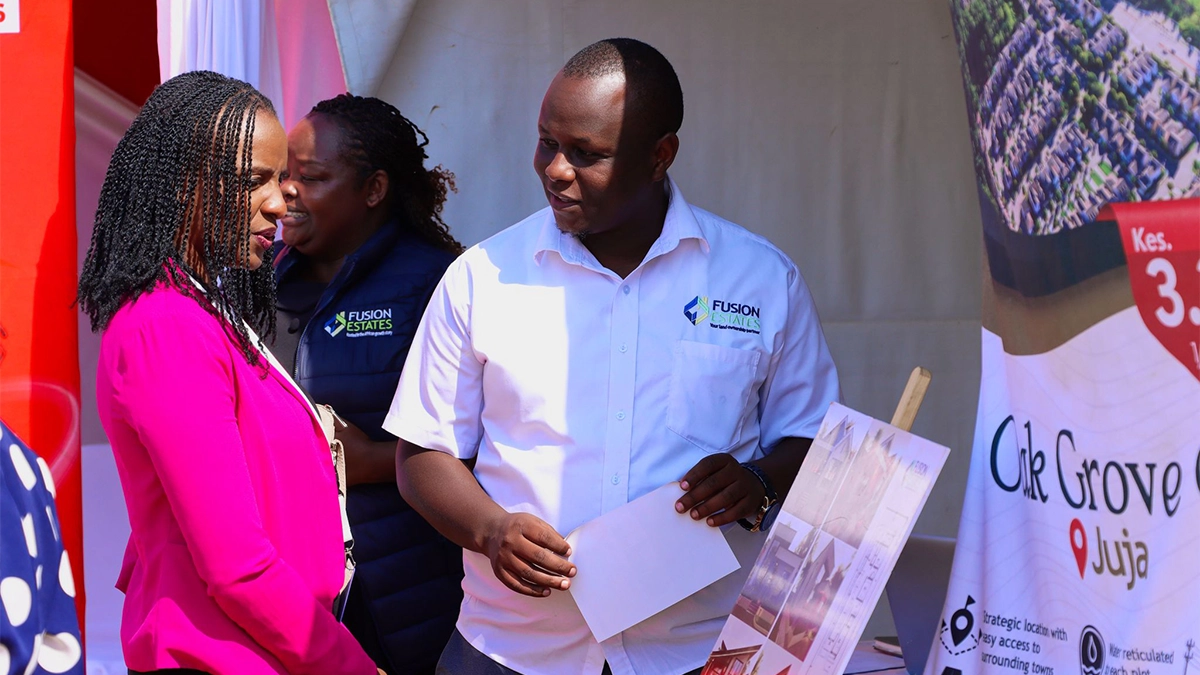
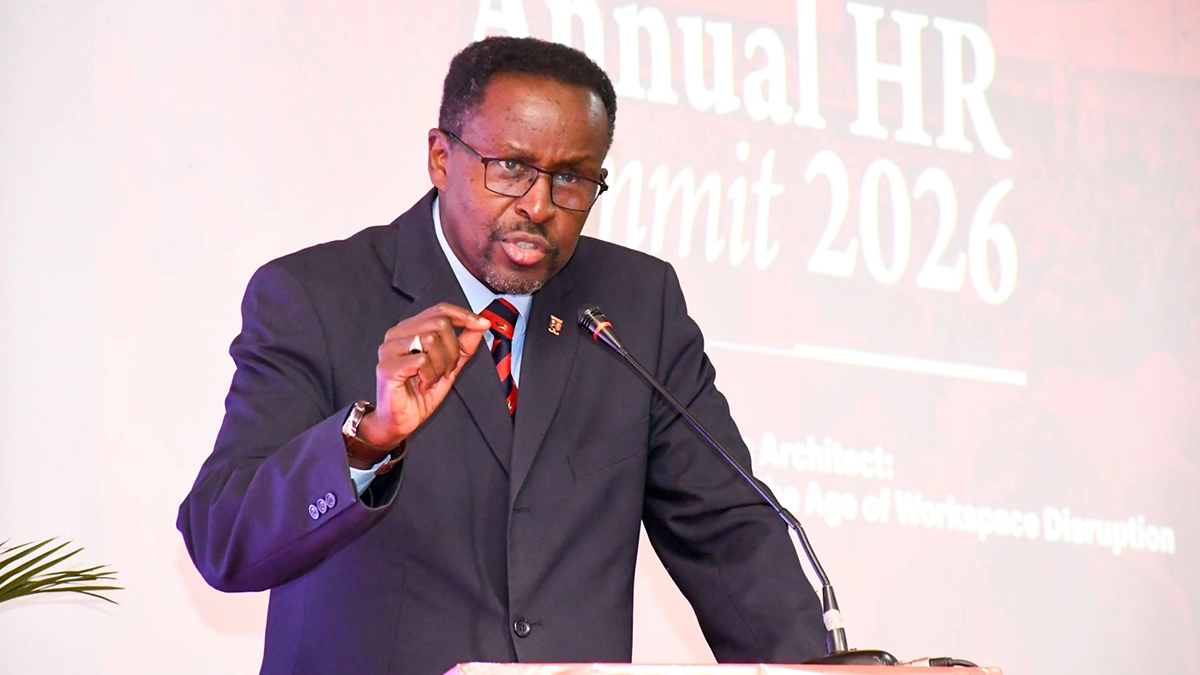
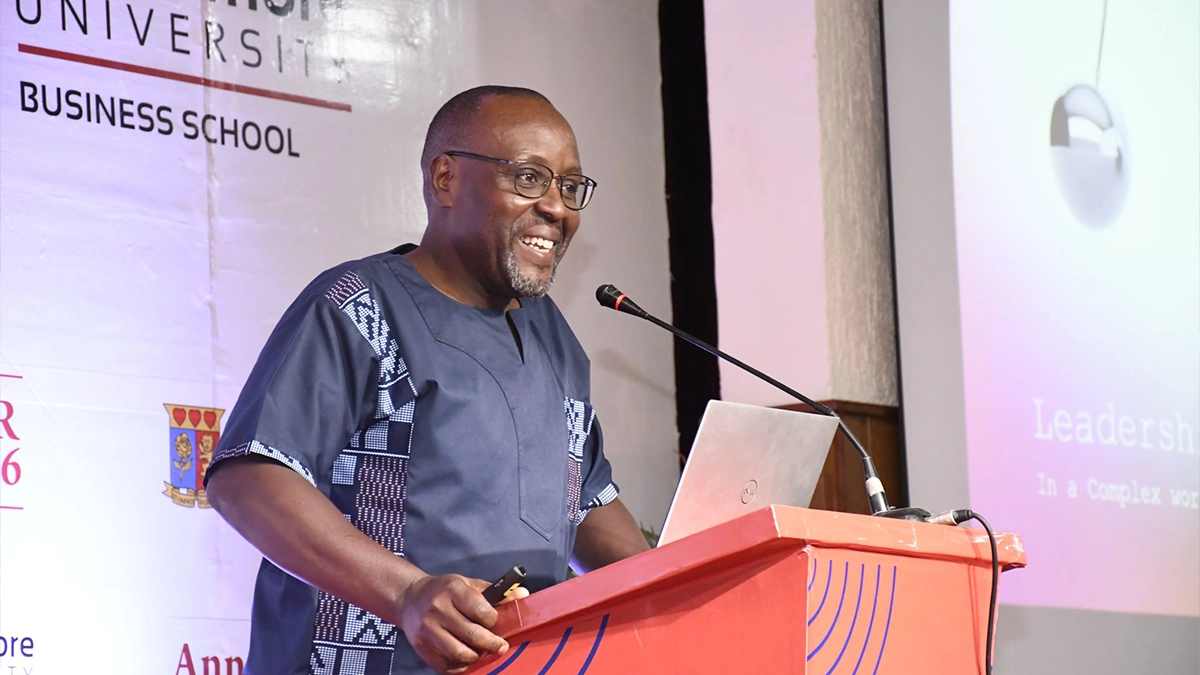
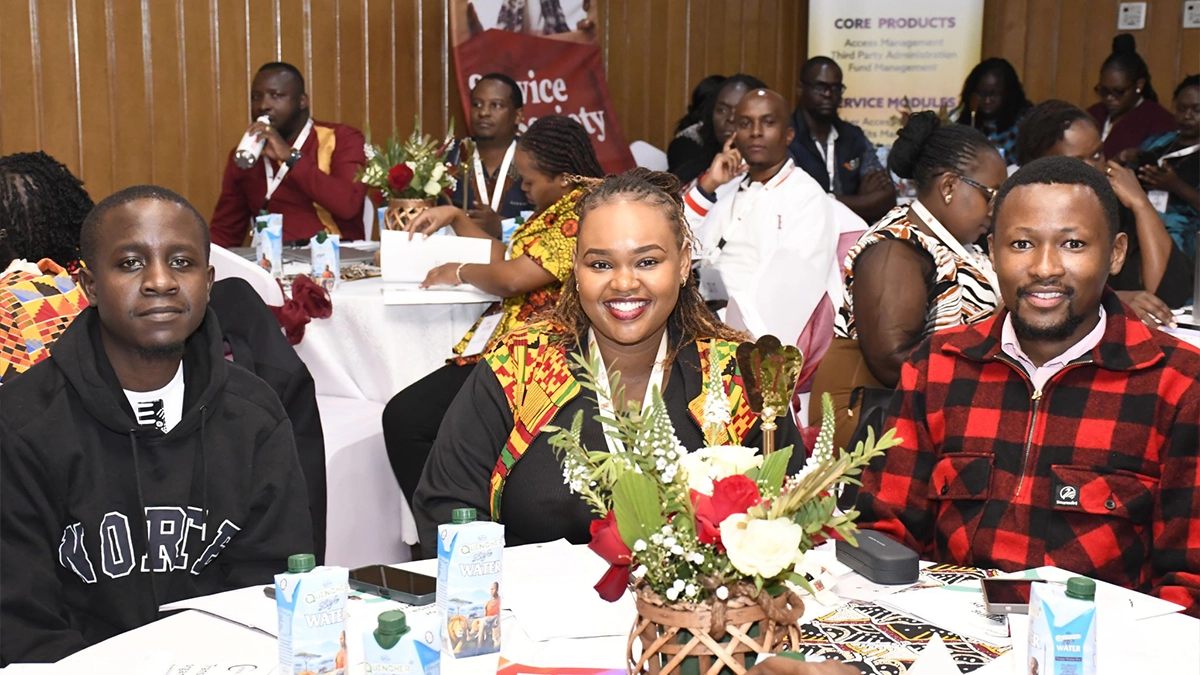
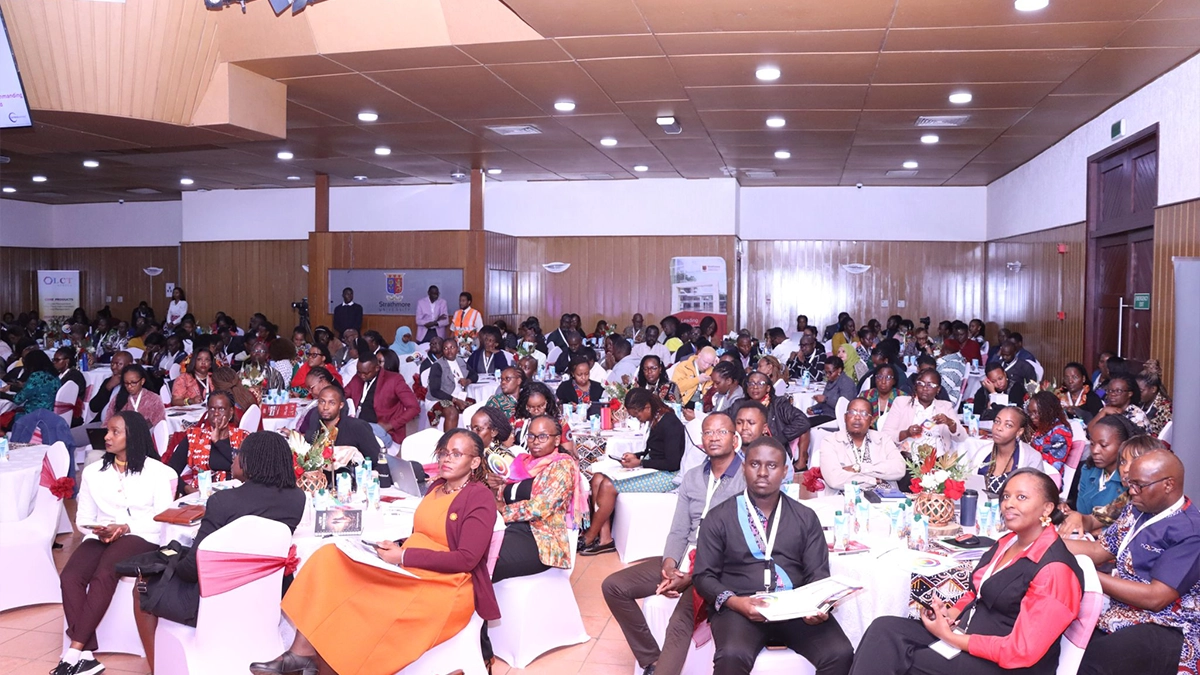
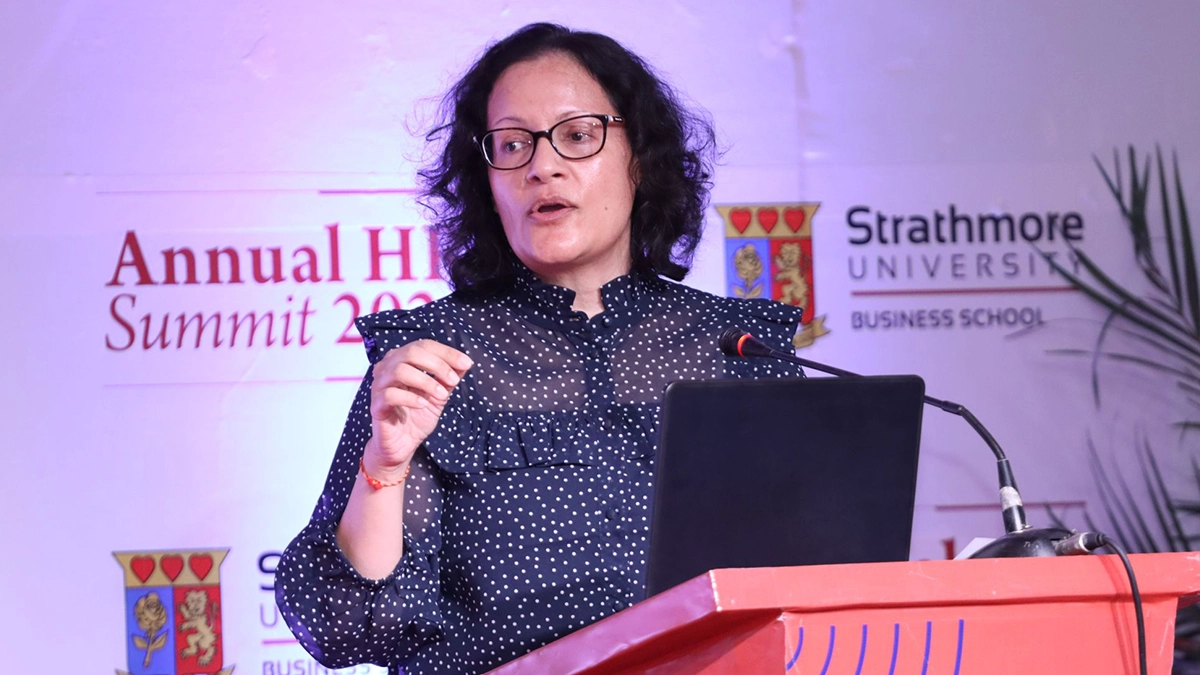
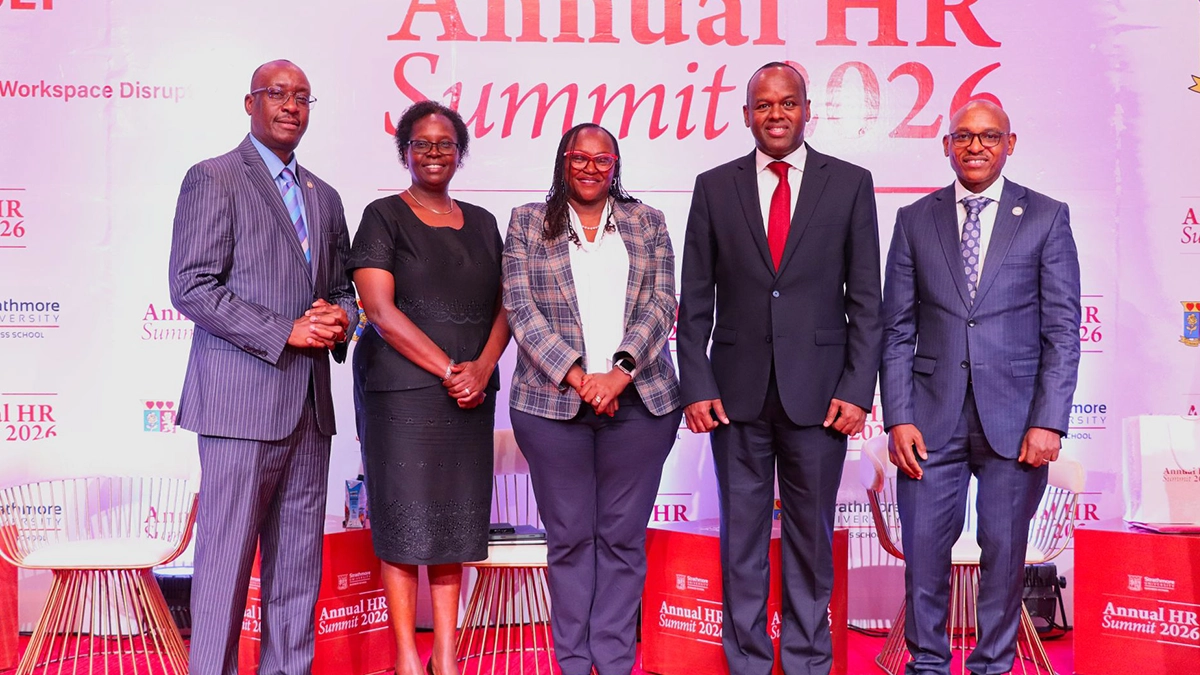
En deux jours, le 16th et 17th En juillet 2026, les responsables RH, les cadres d’entreprise, les décideurs politiques et les professionnels du secteur se sont réunis pour le Sommet annuel RH 2026 afin d’aborder une question centrale : que signifie guider les gens à travers des perturbations permanentes ? Le thème, « Les RH en tant qu’architecte stratégique : redéfinir les RH à l’ère des perturbations sur le lieu de travail », a clairement indiqué que cet événement visait à réimaginer le rôle des RH au cœur de la transformation organisationnelle, de la durabilité et de la résilience.
Ce défi a été posé dès le remarque d’ouverture. Le Dr Caesar Mwangi, doyen exécutif de la Strathmore University Business School, a encouragé les participants à dépasser les approches traditionnelles et à collaborer pour relever les défis actuels du lieu de travail et de la société, soulignant qu’aucune organisation unique ne possède toutes les réponses. « Le début de la transformation réside dans les gens », a-t-il déclaré, soulignant le leadership éthique, la confiance et la compétence comme fondations d’organisations à impact durable.
La discussion passa ensuite des principes à l’application pratique.
Abdi Mohamed a commencé le premier jour en plaidant pour un changement fondamental : les RH devraient passer d’une unité de soutien stratégique à une entité de création de valeur pour l’entreprise. Les professionnels des RH doivent comprendre la stratégie d’entreprise, anticiper les besoins futurs de l’organisation et démontrer leur impact en termes professionnels. Cela a renforcé le message central du sommet : bien que les stratégies puissent évoluer, le succès organisationnel durable dépend de cultures, de personnes et de capacités solides.
Il a également mis au défi les responsables RH de développer des stratégies de talents alignées sur les objectifs de l’entreprise tout en maintenant l’accent sur le bien-être des employés. Ce n’est qu’alors, a-t-il suggéré, que les RH pourront devenir un véritable partenaire stratégique.
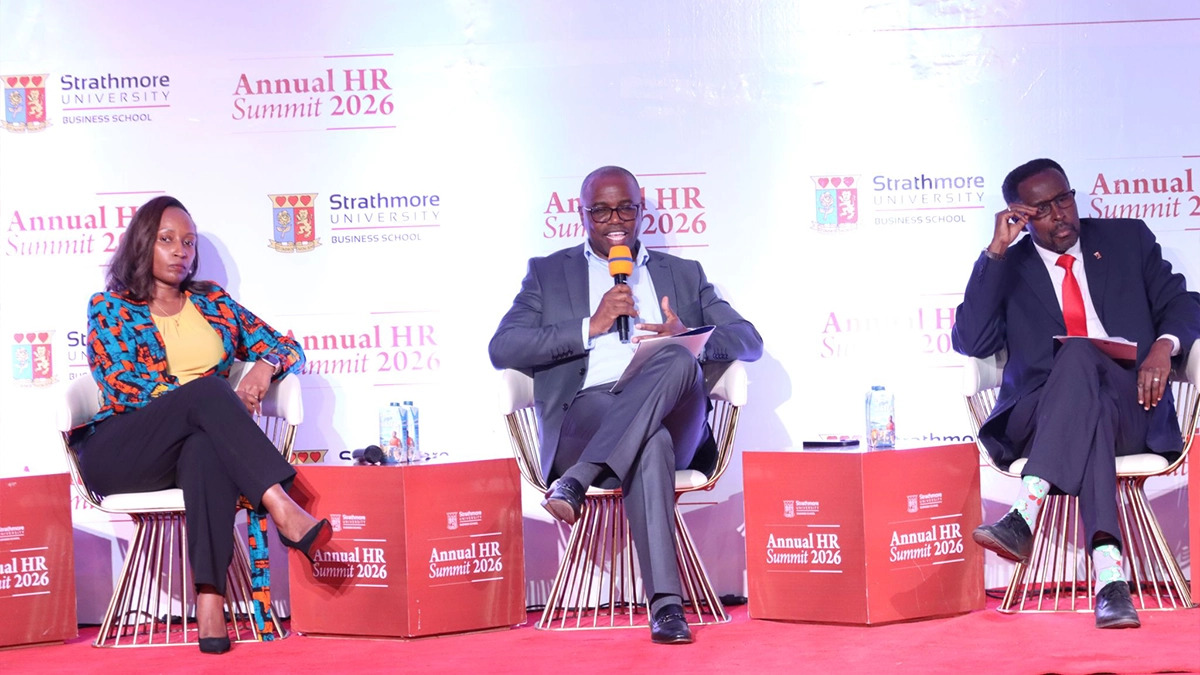
This balance between business alignment and human care continued in the next panel. Moderated by Paul Kasimu, Founder and CEO of C-Suite Impact & Counselling, “HR at the Strategy Table: Influencing Executive and Board Decisions” featured Marion Gathonga, Managing Director of Inchcape Kenya; Abdi Mohamed; and CS Sharon J. Kisire, MBS, Vice Chairperson of the Teachers Service Commission. The panel discussed the qualities of effective HR leaders, the importance of trust between CEOs and HR executives, and the growing necessity of emotional intelligence, business acumen, and continuous learning in leadership.
Two breakout sessions explored practical applications: Productivity: Measuring What Matters in Organisations, et The HR Mandate in Future-Proofing Organisations. Both sessions examined how to develop performance measures that build resilience, not just track it.
While day one focused on HR’s strategic ambitions, day two examined how leaders perform under pressure.
Allan Kilavuka, Executive and Consultant in Leadership and Strategy, opened with a keynote on Leadership Agility in Complex Workforce Ecosystems. His central message was clear: in a constantly changing business environment, leaders must remain adaptable, simplify processes, and prioritize the human side of leadership. He emphasized that people want to feel valued and safe, and organisations that foster trust and psychological safety will excel.
This human focus led to a key challenge: how can organisations lead across generations with differing perspectives on work? Allan encouraged leaders to connect authentically with Baby Boomers, Generation Z, and the emerging Generation Alpha. He argued that this requires intellectual humility, continuous learning, empathy, experimentation, and adaptability. He concluded by asking whether organisations and their leaders are prepared for the future.
Subsequent sessions translated these ideas into practical tools.
In a workshop titled Leading as a Strategic Architect: Insight to Impact with Lumina Spark, Joy Maitland MBE, FloD, FCMI, and Atiya Sheikh FRSA, CBP, MIoD walked participants through Lumina Learning, a platform built to sharpen leaders’ self-awareness and emotional intelligence. The takeaway was practical rather than abstract: understanding how people behave and what drives their preferences translates directly into stronger collaboration and better decisions, the kind that build high-performing tTwo additional breakout sessions concluded the day’s practical focus. Creating Safe Working Spaces explored how to build respectful, inclusive workplaces, while The New Tax Equation: HR at the Intersection of Payroll, Policy and Paychecks addressed HR’s growing responsibilities in payroll governance and compliance.liance.
The summit concluded as it began: with a focus on people.
In the fireside chat “High-Performing People-Oriented Organisations,” moderated by Dr Francis Kangure, HR Consultant and Adjunct Post-Doctoral Fellow at Strathmore Business School, Dr Caesar Mwangi, Samuel Karani, Regional Director at Intrepid, and Njeri Jomo, CEO of Jubilee Health, emphasized that organisational performance and staff well-being are inseparable. They agreed that sustainable success comes from investing in people, aligning talent with strategy, fostering strong partnerships between CEOs and HR, and creating environments where employees can excel.
By the end of the second day, a clear theme had emerged: the future of organisations depends on leaders who place people at the centre of their strategies, not at the margins.
This is the core opportunity for HR today. In a time of disruption and transformation, HR professionals are uniquely positioned to build cultures, systems, and leadership that enable both people and organisations to thrive. The central challenge is ensuring people remain at the heart of change.
Article by Juliet Hinga and Miriam Wafula
Partagez cette histoire, choisissez votre plateforme !
Votre voyage vers l'excellence commerciale commence ici. Abonnez-vous dès aujourd'hui et soyez à la pointe de l'innovation et du leadership.






 English (United States)
  English (UK)
  French