

Two patients walk into a clinic with the same diagnosis and leave with the same prescription. One gets better. The other gets no benefit, or short-lived relief or a reaction nobody saw coming. Medicine has long put that difference down to luck. Precision medicine treats it as a problem science can solve, by matching the drug and the dose to the person rather than to an average patient.
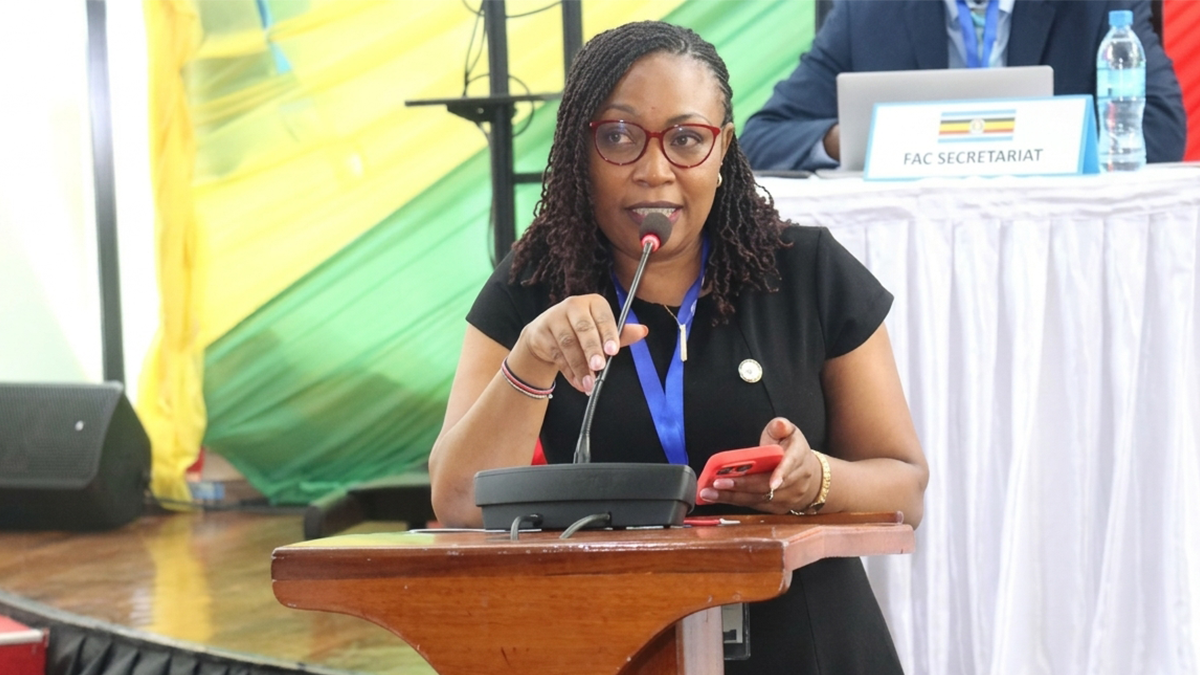
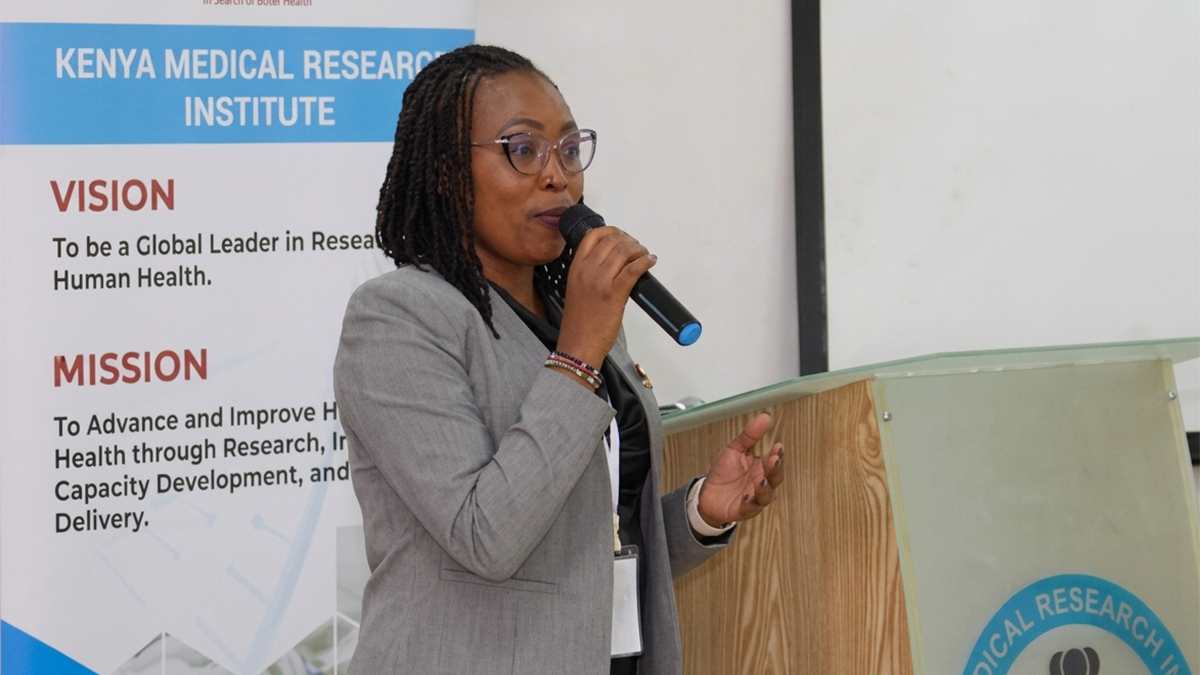
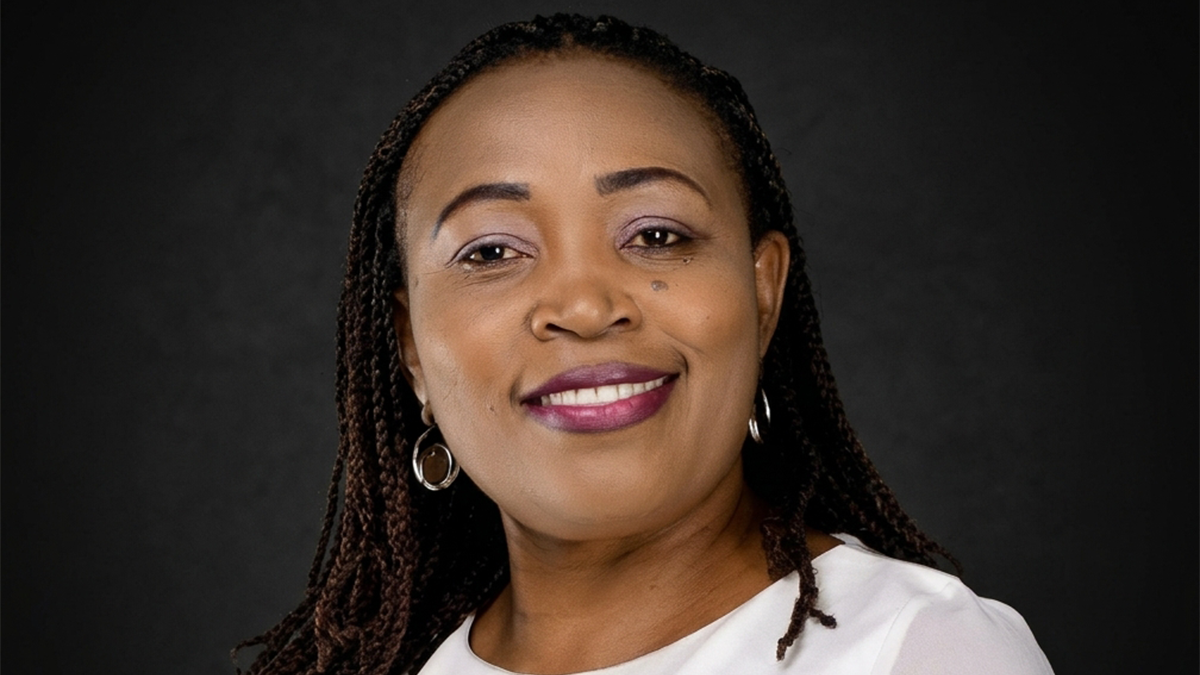
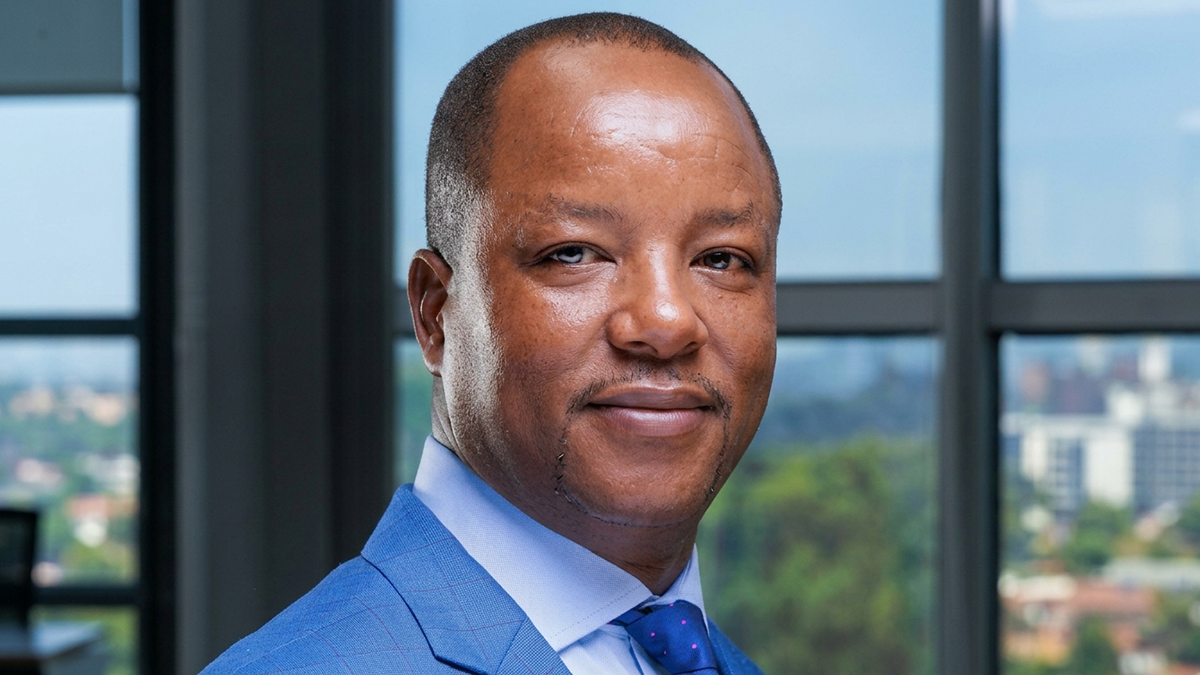
Dr. Damaris Matoke-Muhia has spent two decades on the science that makes this possible. She joined the Kenya Medical Research Institute (KEMRI) in 2006 as an Assistant Research Officer and is now Deputy Director of its Biotechnology Research Programme. In 2024 she set out to take precision medicine from the laboratory into Kenya’s health system, as her course project at Strathmore. In a recent interview, she described how that project has moved from concept to implementation.
The need was plain. Kenya was seeing rising reports of patients responding differently to the same treatment, of non-response to drugs, of hypersensitivity reactions, and of doses never tailored to the Kenyan population. The gap is sharpest in cancer, Kenya’s third leading cause of death, with about 39,000 new cases in 2023, treated largely with drugs tested in Western populations.
She came to the question as a scientist. Her PhD in Molecular Medicine examined malaria-carrying mosquitoes and control interventions, and she now leads NIH-funded and Wellcome Trust leishmaniasis projects spanning Kenya, Sudan and Ethiopia. Malaria is also personal: her brother died of it while she was studying for her master’s degree. She has long argued that women belong at the centre of the response.
“If we’re serious about malaria elimination in Africa, women must be part of the development, designing, deliver, and implement strategies.”
In 2024 she joined the pioneer cohort of Strathmore Business School’s Advanced Healthcare Management Programme (AHMP). Its study visit took her back to India, where she had studied as an undergraduate, and convinced her that Kenya could move from one-size-fits-all prescribing to individualised, targeted therapy: the right drug, at the right dose, for the right patient. Her project, presented in November 2024, set six objectives, from a national precision medicine guideline to a Precision Medicine Society of Kenya.
The science was the easier part. Precision medicine needs the Ministry of Health to set policy, clinicians and pharmacists to change how they prescribe, researchers to build the evidence, and regulators and industry to bring tests and medicines to patients. She mapped ten stakeholder groups and set out to link them into one ecosystem, candid about the risks of scarce resources, weak buy-in and slow procurement. Her answer fitted on one line of a slide: “not giving up.”
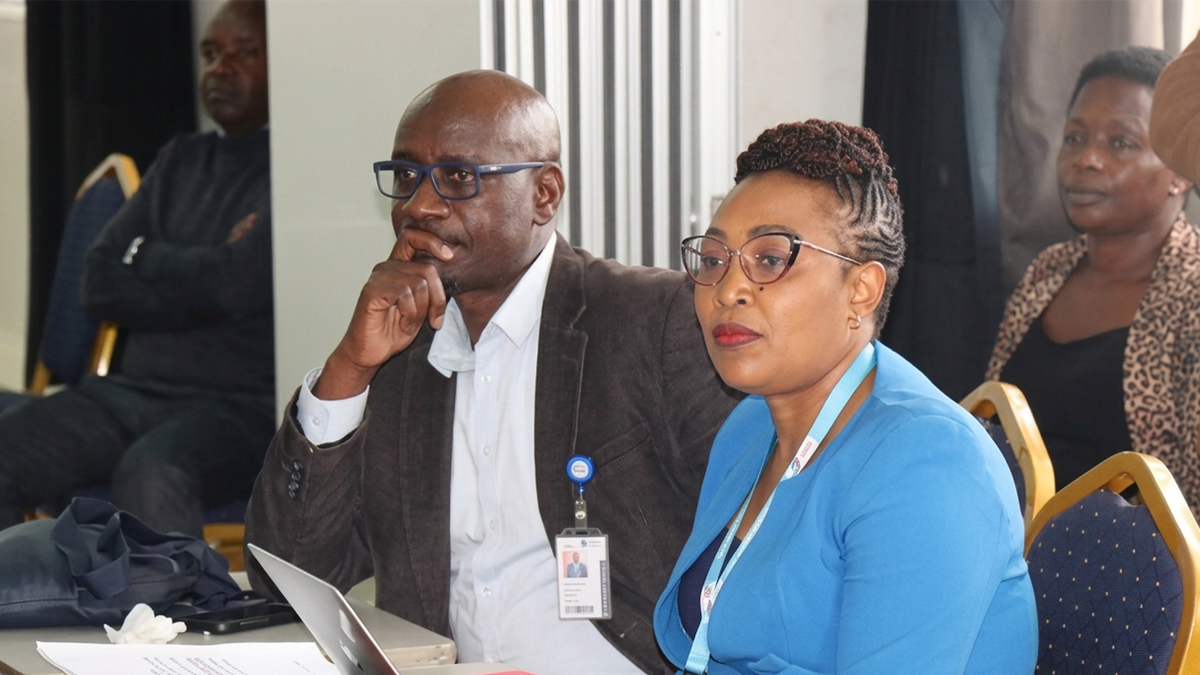
Her plan scheduled a national think tank for early 2025, and it arrived on time. On 11 February 2025, the opening day of KEMRI’s 15th Annual Scientific and Health Conference, she co-organised a pre-conference on “Unveiling Kenya’s Precision Medicine – Transforming healthcare with personalised medicine to make UHC a Reality” and co-chaired the plenary “Precision Medicine Practice in Kenya: Breaking Down Silos”, bringing oncologists, pathologists, geneticists and industry onto one stage. That week KEMRI announced the Precision Medicine Kenya Committee of Experts to lead precision medicine research and its application in Kenya, and named precision medicine a strategic initiative for cancer treatment, three months after she presented her project.
She lobbied for that body, which has since been formally appointed to guide how precision medicine is introduced across the country, starting with cancer and other noncommunicable diseases. She serves on the national precision medicine task force, and the national guidelines, the next milestone in her plan, are nearing completion.
The other change has been her own. Less than two years after presenting her project, she is adjunct faculty at Strathmore’s Institute of Healthcare Management, teaching senior health leaders on the ELEMMINATE LMG201 programme. In October 2025 she welcomed a 42-member delegation from Senegal to KEMRI under the ELEMMINATE Project, walking malaria and NTD specialists through the role of data-driven research in shaping national and regional policy. She also championed women in science as the Pan-African Mosquito Control Association’s Director of Capacity Building, Gender Mainstreaming and Career Progression.
Two objectives remain: finalising the national guidelines and launching the Precision Medicine Society of Kenya. Cancer is the starting point, not the limit. She closed her 2024 project with a simple case for the work ahead:
“PM holds much promise for disease prevention and treatment, it [is] important that we enhance it in Kenya.”
Kenya now has a national body to lead precision medicine, guidelines on the way and a scientist-turned-faculty member shaping the next generation of health leaders. We look forward to the day when the right drug, at the right dose, for the right patient is simply how Kenya practises medicine.
Article par : Judith Amolo
Partagez cette histoire, choisissez votre plateforme !
Votre voyage vers l'excellence commerciale commence ici. Abonnez-vous dès aujourd'hui et soyez à la pointe de l'innovation et du leadership.






 English (United States)
 English (UK)
 French