

The TEEBAgriFood Kenya Project continues to play a pivotal role in advancing sustainable food systems and ecosystem restoration through strategic partnerships, evidence-based decision-making, and policy engagement. Recent engagements with key stakeholders underscore the project’s growing contribution to Kenya’s efforts to build climate-resilient landscapes, restore degraded ecosystems, and accelerate the transition to nature-positive, sustainable food systems.
As countries grapple with the interconnected challenges of climate change, biodiversity loss, land degradation, and food insecurity, there is growing recognition that sustainable development requires approaches that account for nature’s true value. Through its work on ecosystem valuation and natural capital accounting, the TEEBAgriFood Kenya Project is helping to ensure that environmental, social, and economic considerations are integrated into decision-making processes, creating a stronger foundation for long-term sustainability.
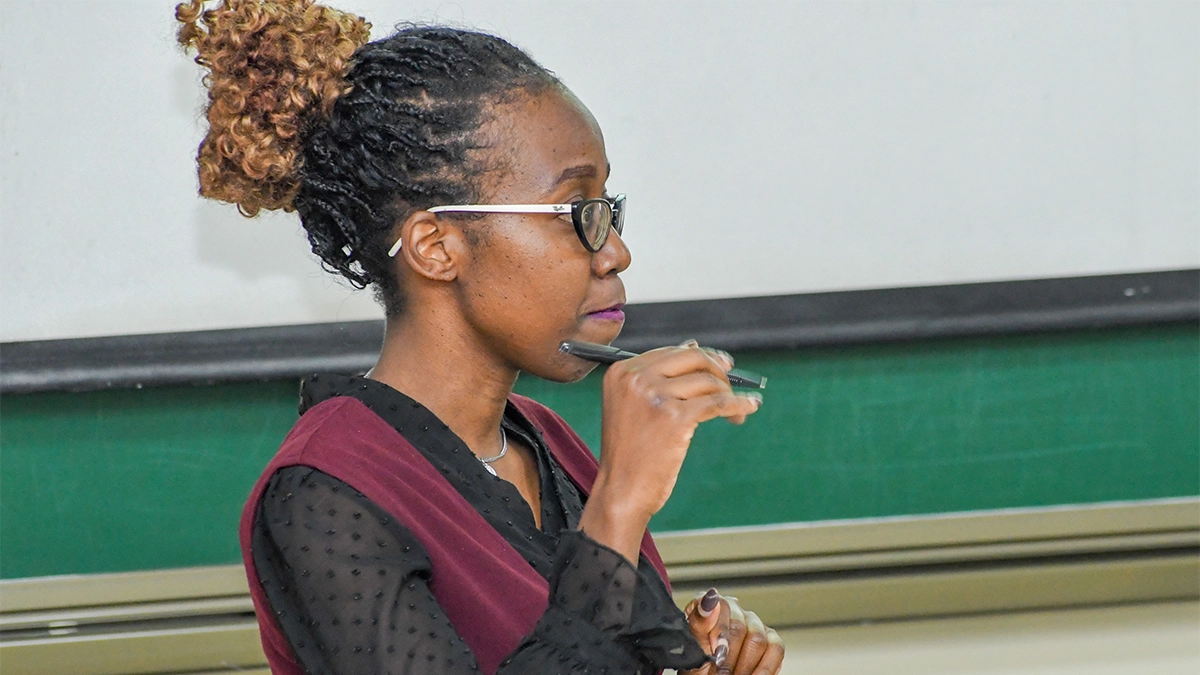
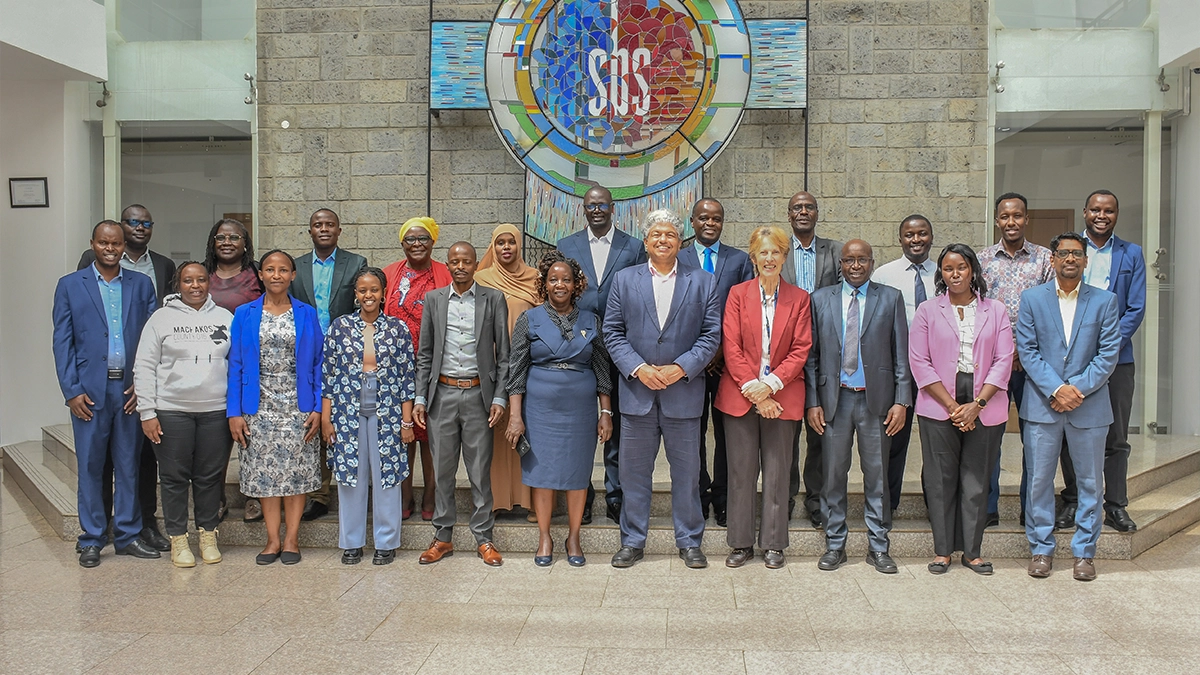
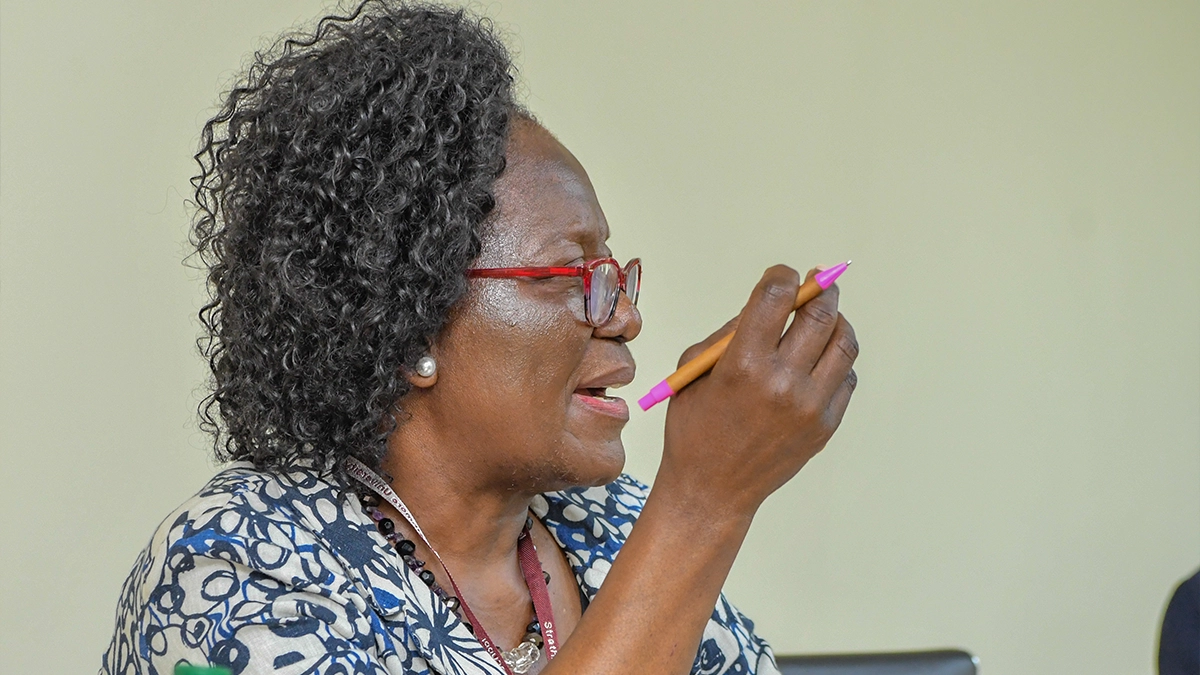
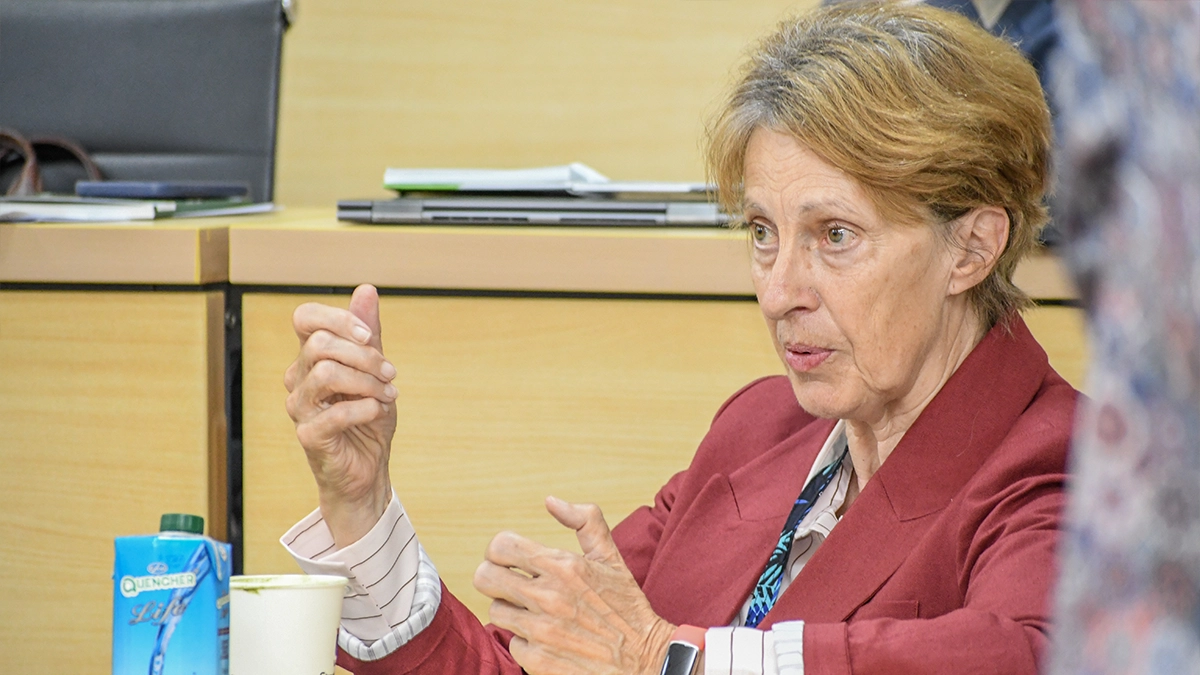
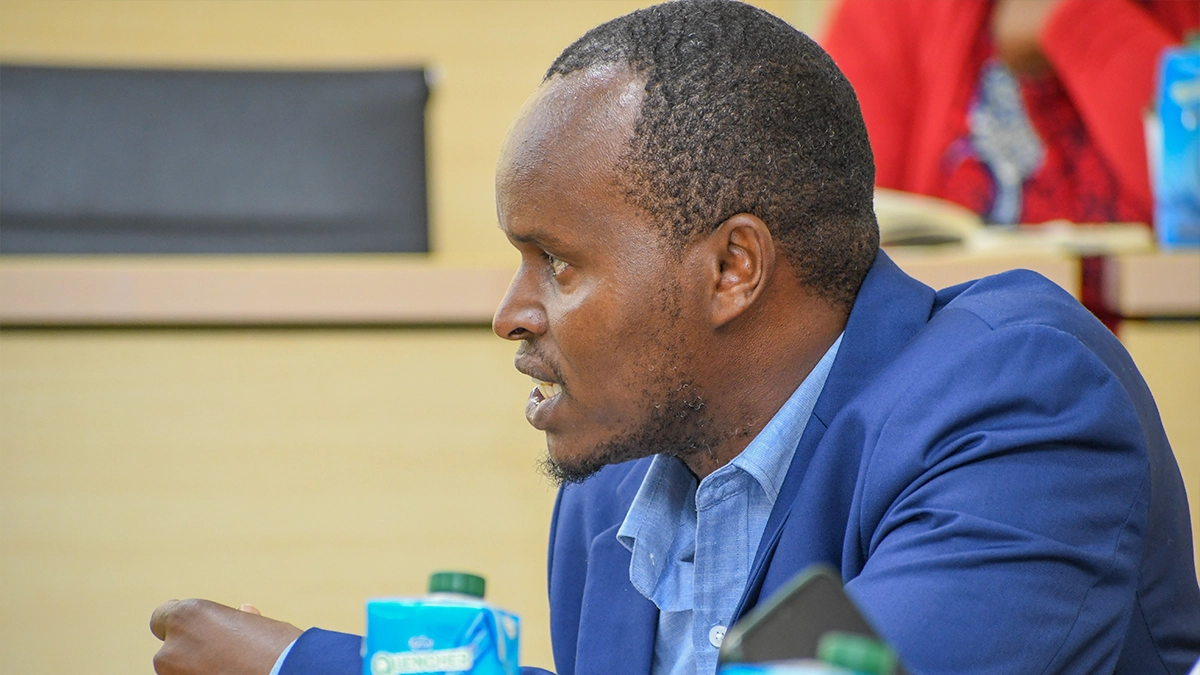
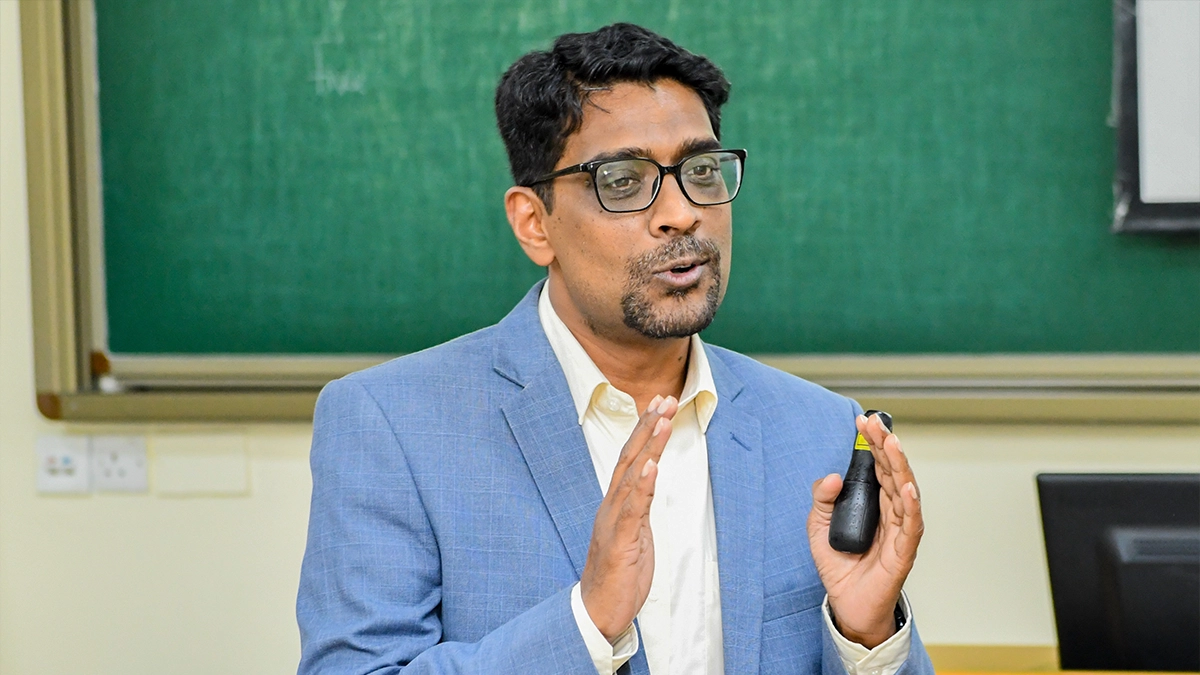
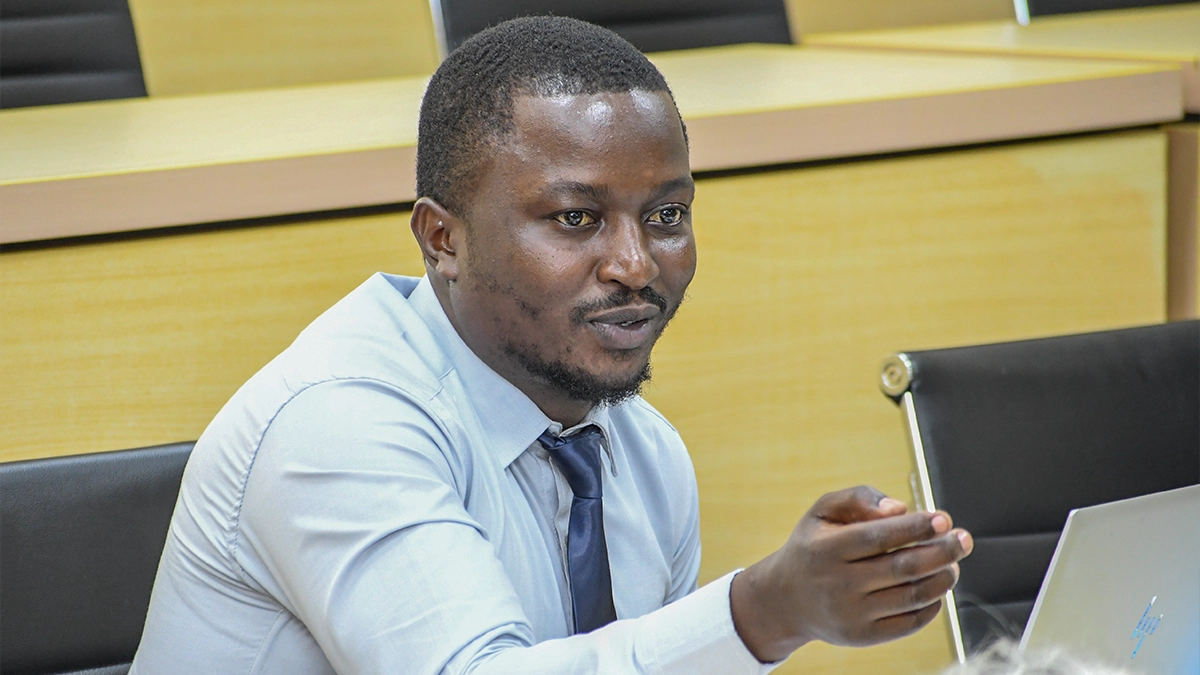
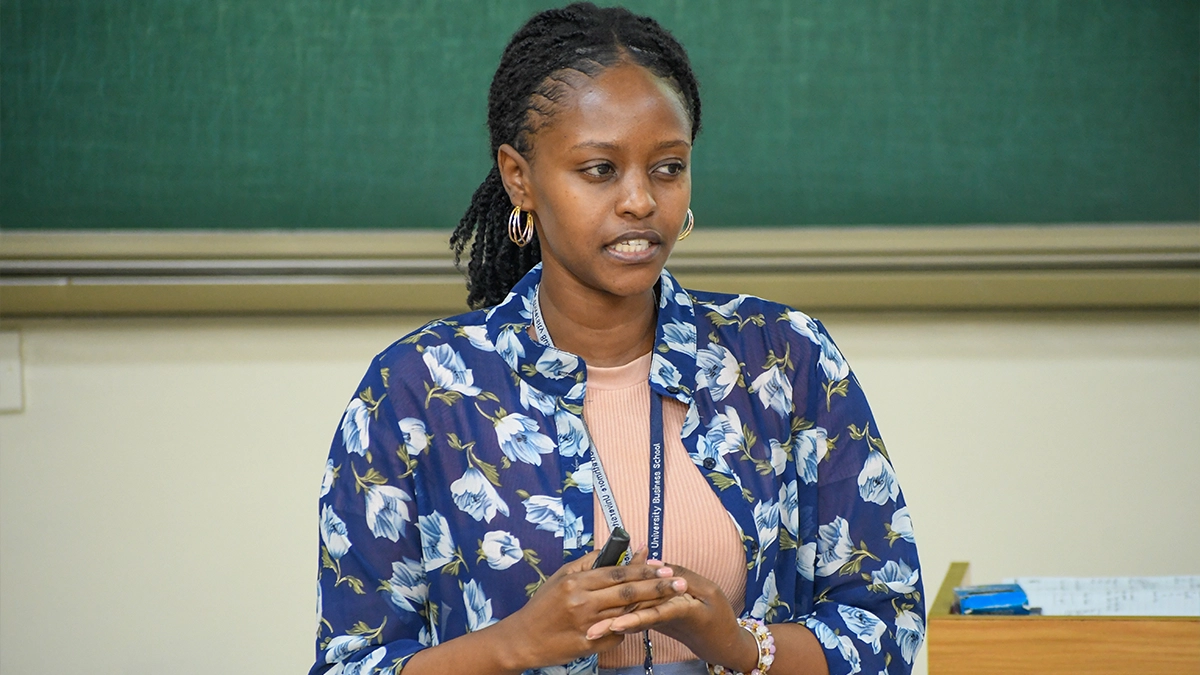
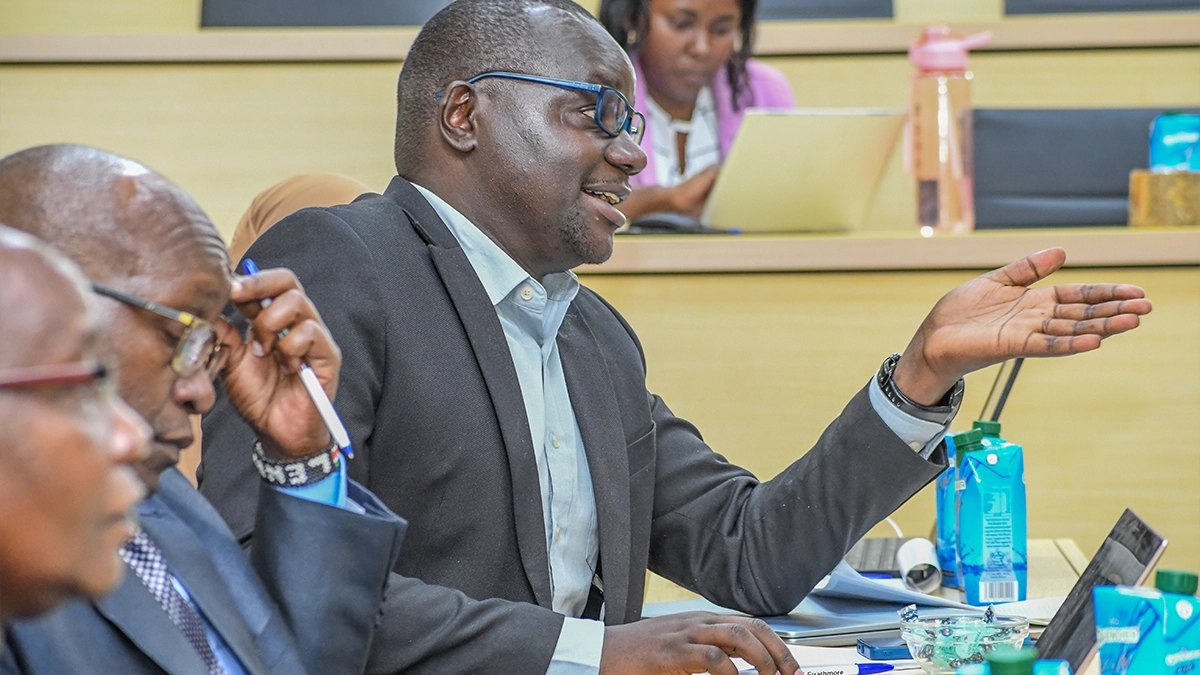
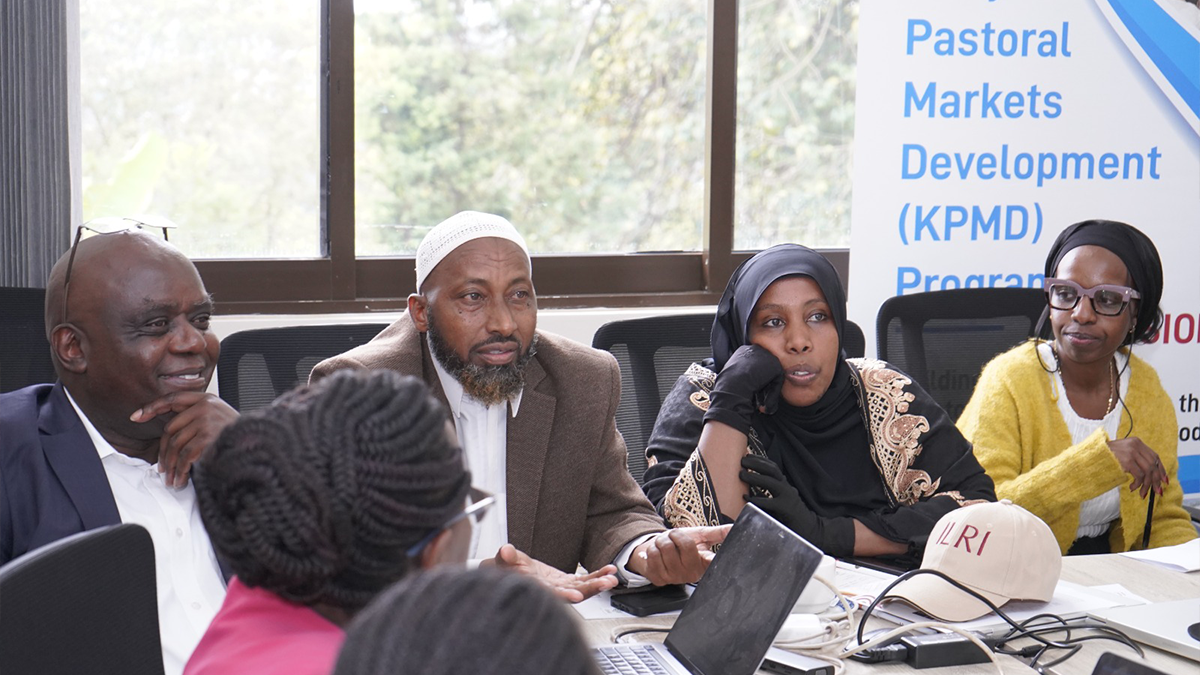
On 21st May 2026, the Project team held a strategic engagement meeting with a team from the Integrated Natural Resources Management Programme (INReMP), a project funded by the International Fund for Agricultural Development (IFAD), alongside officials from the State Department for Agriculture.
The meeting sought to identify areas of collaboration between the two initiatives, particularly given their shared geographical focus across six counties within the Cherangany Hills and Mau West Water Towers landscapes. These vital ecosystems are among Kenya’s most important natural assets, providing critical ecosystem services that support water security, agricultural productivity, biodiversity conservation, carbon sequestration, and the livelihoods of millions of people downstream.
Protecting and restoring these landscapes is increasingly important as communities face mounting pressures from climate variability, unsustainable land-use practices, and growing demand for natural resources. Recognising these shared challenges, both projects explored how their complementary strengths could be leveraged to achieve greater impact.
Discussions centred on how the TEEBAgriFood Project could support INReMP’s objectives through its robust natural capital accounting approaches, particularly the True Value Assessment (TVA) methodology, ecosystem valuation work, and emerging datasets generated through ongoing project activities. By quantifying the often-overlooked environmental and social benefits provided by ecosystems, the project offers valuable evidence that can strengthen planning, investment decisions, and policy formulation.
Participants explored how these tools and findings could inform landscape restoration efforts, strengthen climate resilience interventions, enhance food and nutrition security outcomes, and support sustainable livelihood initiatives within the targeted landscapes. Particular emphasis was placed on the potential of natural capital accounting to demonstrate the long-term returns of restoration investments, helping decision-makers move beyond short-term economic considerations towards more holistic assessments of value.
The engagement also examined opportunities for collaboration in developing investment-ready restoration projects capable of attracting financing from both public and private sources. As global attention increasingly shifts towards nature-based solutions, discussions focused on how blended finance mechanisms, climate finance instruments, and emerging carbon markets can be harnessed to unlock new resources for restoration while creating economic opportunities for local communities.
The meeting further highlighted the importance of generating credible evidence to support Kenya’s restoration ambitions and commitments under national and international frameworks, including the National Climate Change Action Plan, the Nationally Determined Contributions (NDCs), and global biodiversity and land restoration targets.
A key outcome of the engagement was a shared recognition that addressing complex environmental and development challenges requires stronger collaboration across institutions, sectors, and disciplines. Participants agreed that combining INReMP’s on-the-ground restoration experience with TEEBAgriFood’s expertise in valuation and accounting could create a powerful model for evidence-based landscape management and investment planning.
The meeting concluded with a commitment to strengthen collaboration through knowledge exchange, data-sharing arrangements, joint research initiatives, and capacity-building programmes. These efforts are expected to enhance decision-making processes, improve the design of restoration interventions, and accelerate progress towards ecosystem restoration and nature-positive transformation.
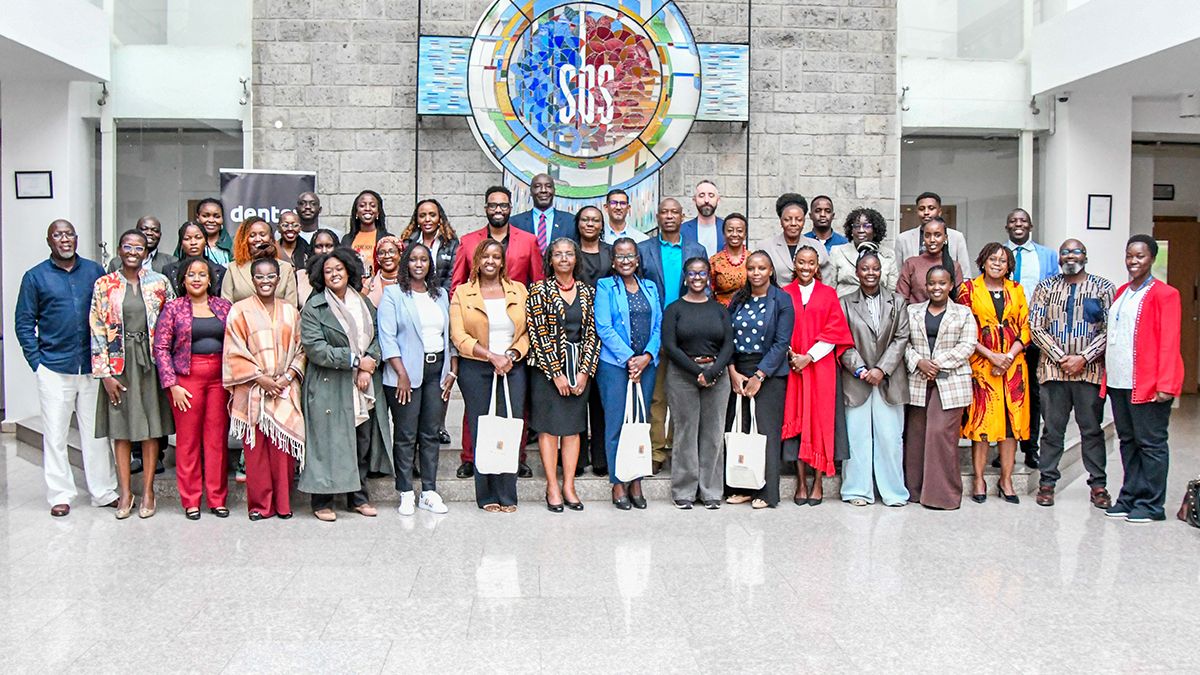
The INReMP delegation was led by Dr. Leonard Kubok, National Project Coordinator, together with a team of technical specialists. Also present was Engineer Alice Nyaga from the State Department for Agriculture and Chairperson of the National Technical Committee on Agroecology (NTCA) as well as other key stakeholders from the Ministry of Agriculture and Livestock Development.
The engagement marks an important step towards fostering strategic partnerships that can bridge the gap between environmental conservation and economic development. By bringing together expertise in ecosystem restoration, natural capital accounting, and sustainable agriculture, the two initiatives are laying the groundwork for more resilient landscapes, thriving communities, and food systems that work in harmony with nature.
Article by Juliet Hinga and Jackson Kiok
Partagez cette histoire, choisissez votre plateforme !
Votre voyage vers l'excellence commerciale commence ici. Abonnez-vous dès aujourd'hui et soyez à la pointe de l'innovation et du leadership.





 English (United States)
  English (UK)
  French