

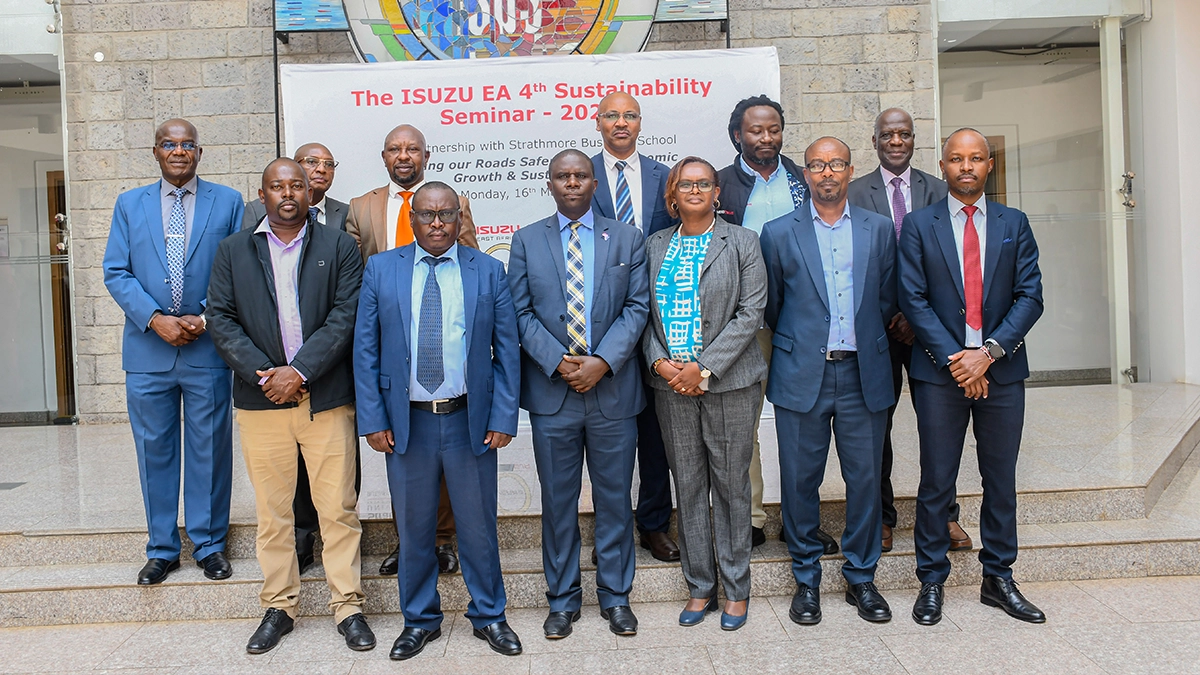
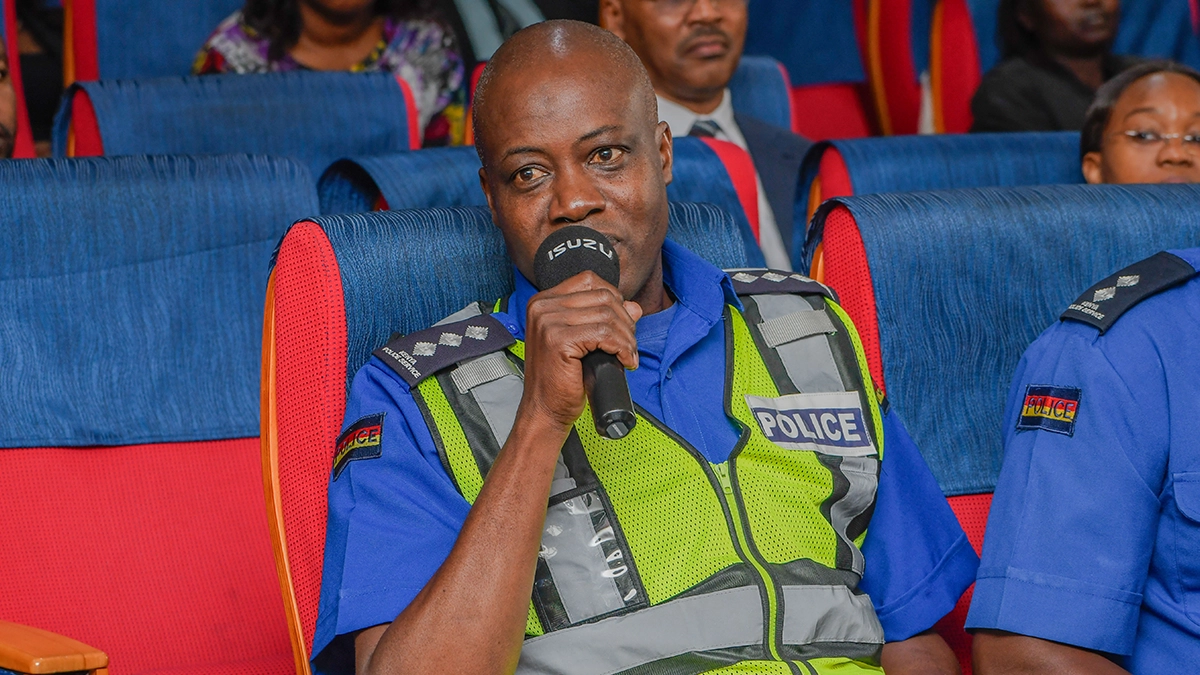

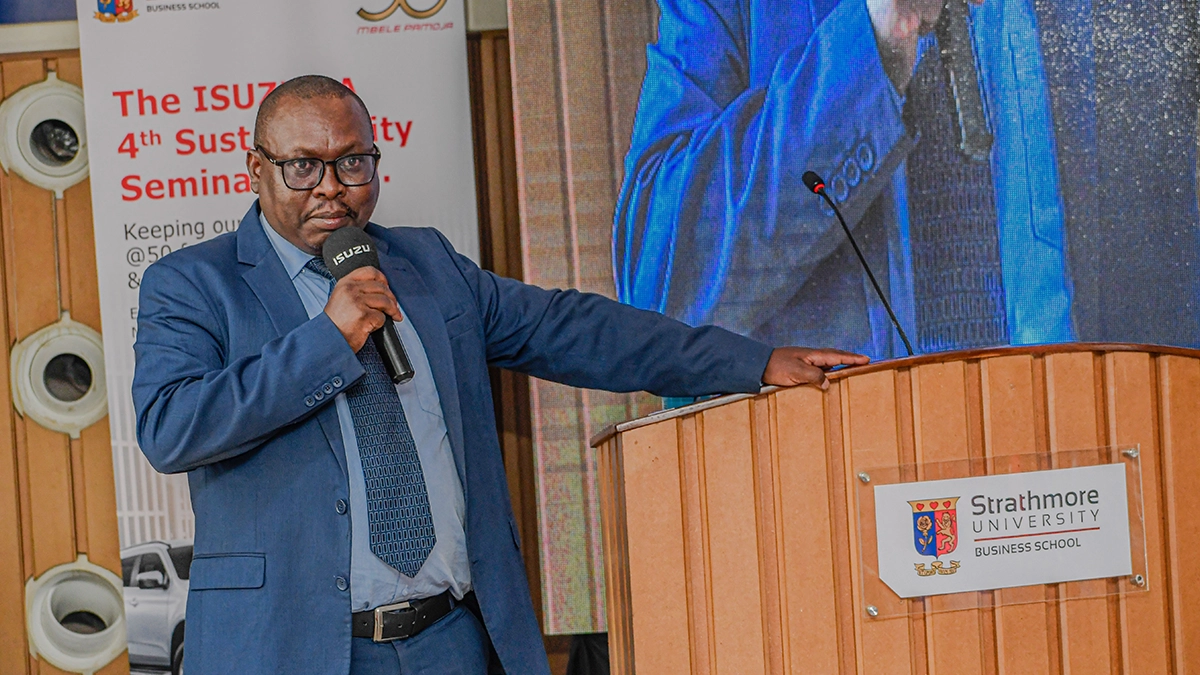
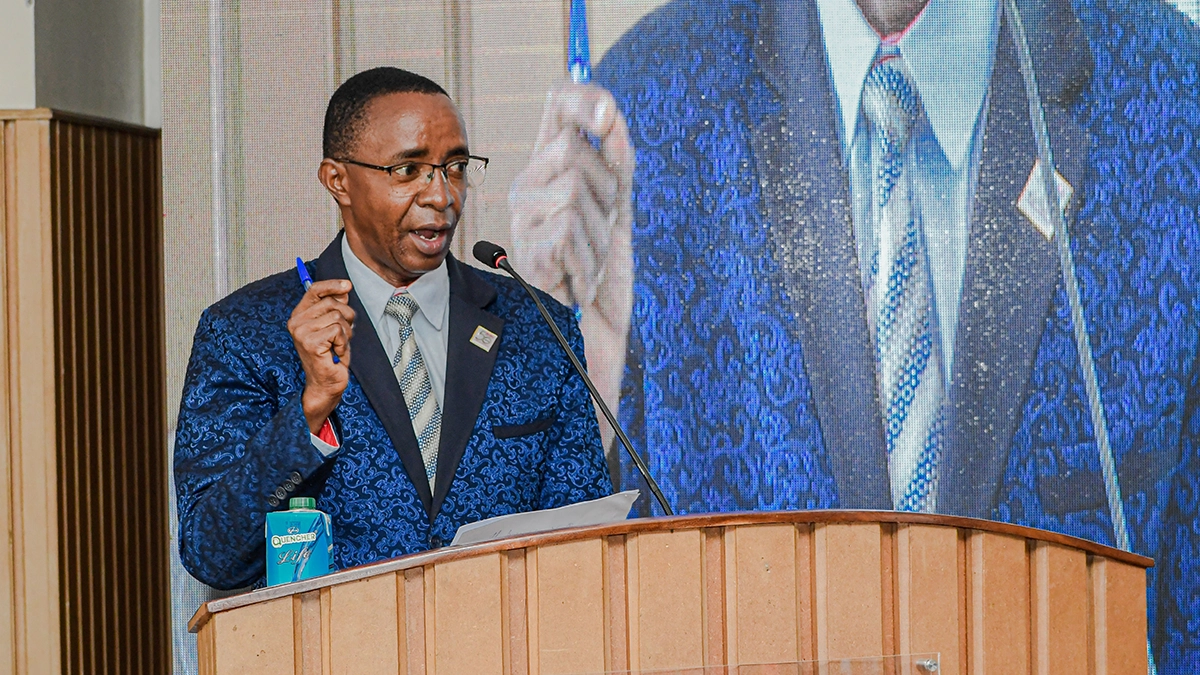
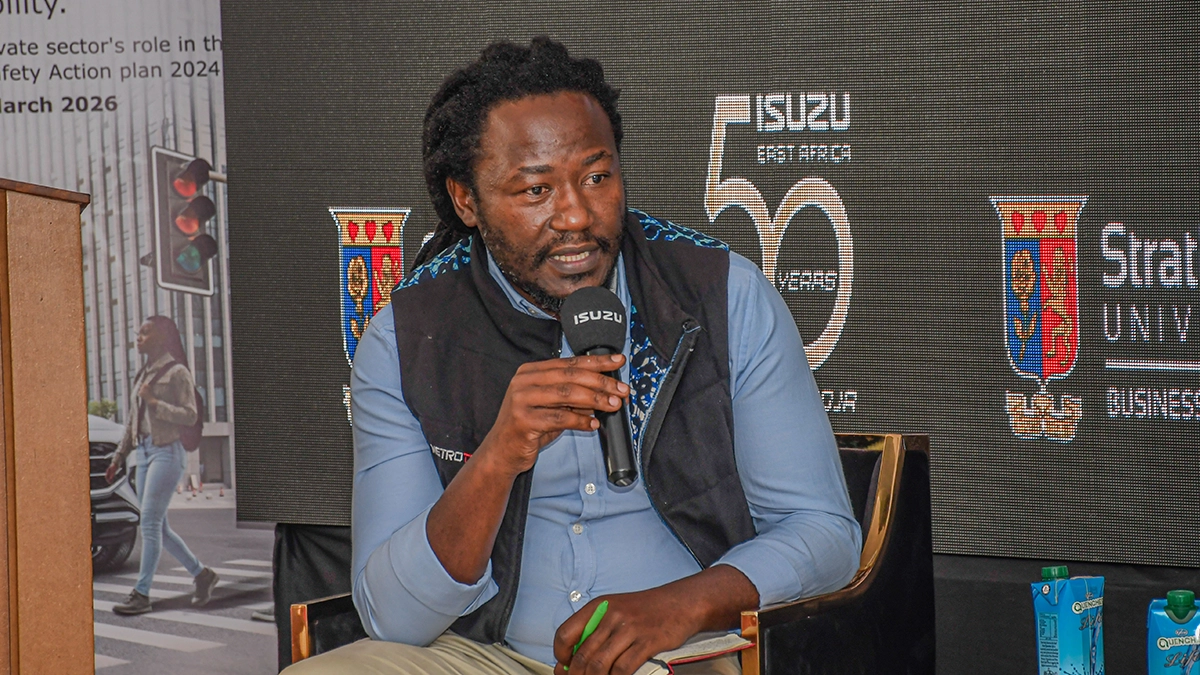
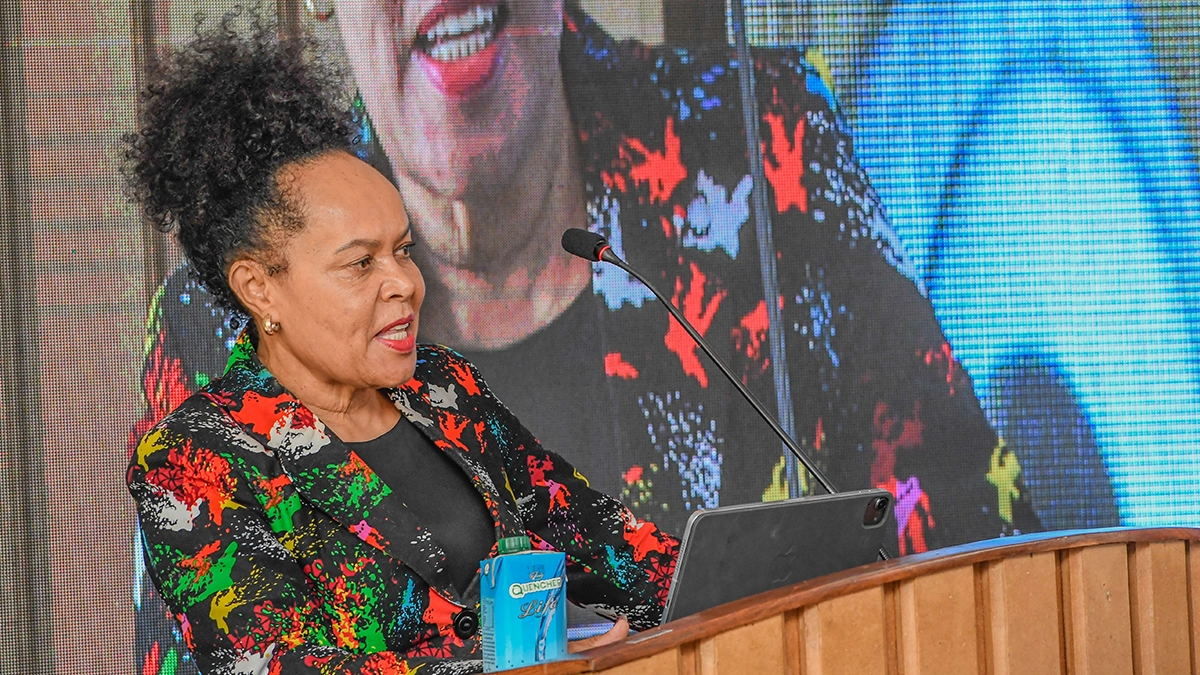
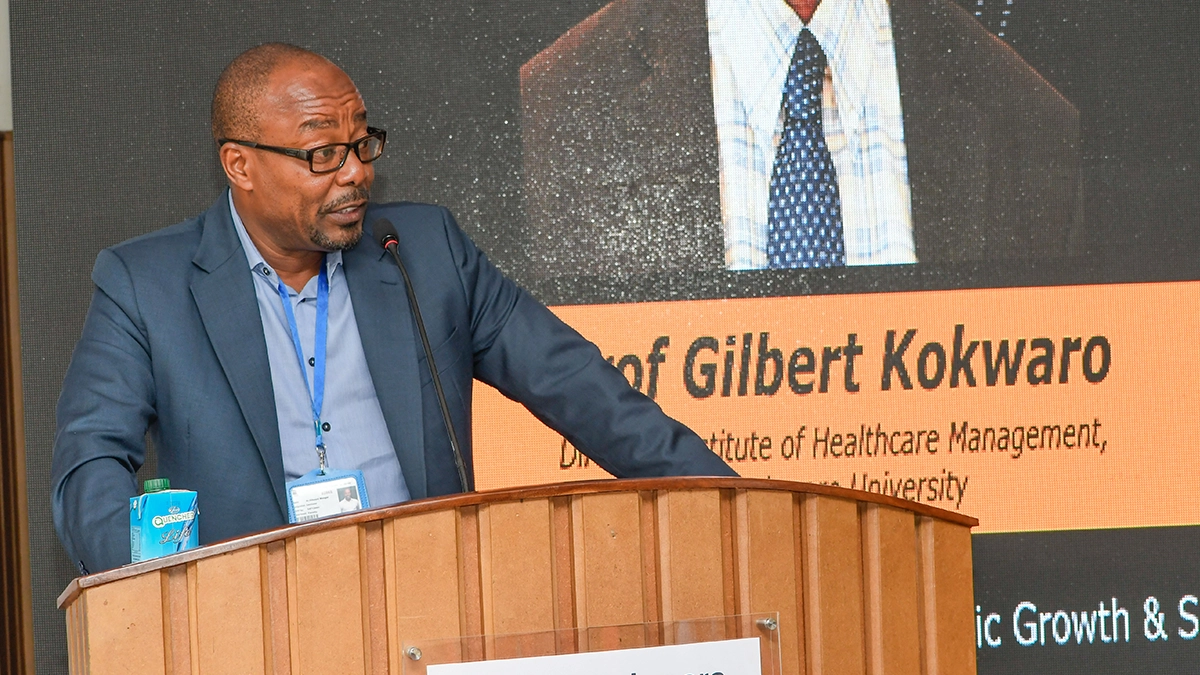
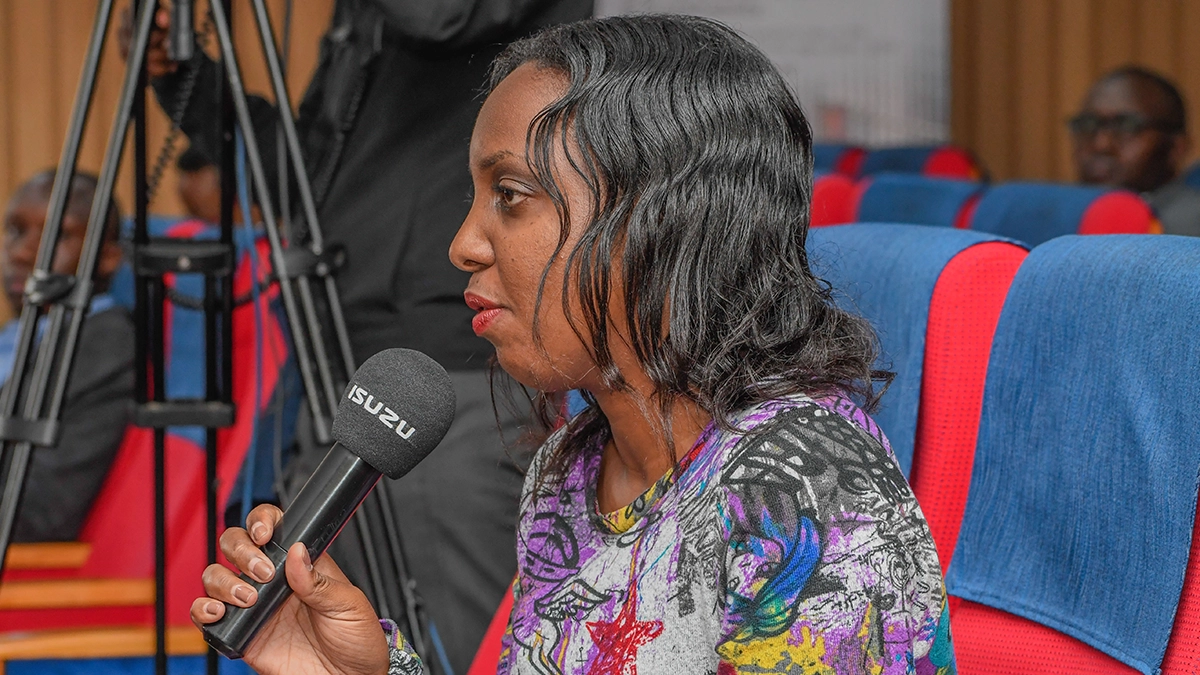
On Monday, 16th March 2026, the SBS TransCentury Auditorium at Strathmore Business School hosted an unusual gathering. Vehicle manufacturers, government regulators, corporate sustainability executives, transport operators, school directors, and university researchers sat together for the 4th Isuzu East Africa Annual Sustainability Seminar in Partnership with Strathmore Business School — four hours of structured dialogue under the theme ‘Keeping Our Roads Safer @50 for Economic Growth & Sustainability.’
The numbers that opened the seminar made the urgency impossible to ignore. NTSA data confirmed that more than 3,300 Kenyans lost their lives in road crashes in the first nine months of 2025 alone, with a further 17,270 injured. Pedestrians accounted for the largest share of fatalities, followed by motorcyclists, passengers, and drivers. Behind all these numbers was the finding that reframed the entire conversation: over 90% of road crashes in Kenya are caused by human behaviour or error, not mechanical failure. This is a problem within our power to solve.
Kellen Kariuki, Associate Dean for Executive Education at SBS, opened by establishing the ESG frame. Road safety, he argued, is a Social and Governance imperative — a test of whether the commitments being made by Kenya’s corporations and institutions are real or merely reported. Professor Gilbert Kokwaro, Director of the Institute of Healthcare Management, went further, reframing road safety as a health systems crisis. Every crash victim admitted to a Kenyan hospital consumes emergency room capacity and clinical bandwidth already stretched thin. The road to Universal Health Coverage, he argued, runs through safer roads. Prof. Kokwaro also made the case for co-creation — research designed in genuine partnership with NTSA, PSV operators, and county health departments — as the only model that reliably translates evidence into policy.
Eng. Opere Akumu of NTSA provided the empirical anchor: 40% of Nairobi’s road fatalities occur on just five roads, and 150 kilometres of identified corridors account for 50% of national deaths. These corridors are known and mapped — making targeted, sustained intervention the most direct path to the national target of a 50% fatality reduction by 2030. Rita Kavashe, Chair and MD of Isuzu East Africa, outlined the company’s commitment to financing mandatory refresher training for all PSV and school bus drivers, alongside its Driver Training Academy and transition to Euro 4 and Euro 5 emission standards. Evelyne Serro of Safaricom spoke to the integration of road safety into corporate ESG frameworks. Oscar Rosana of Metro Trans PSV Sacco represented the transport operator’s ground reality. Mutheu Kasanga of Lukenya Schools grounded the conversation in the daily responsibility of getting children to school safely. Dr. Fred Wasike contributed independent expert analysis throughout, while Dr. Edward Mungai’s moderation consistently pressed every speaker toward specificity — and it showed in the outputs.
The seminar concluded with the formal adoption of Five Declarations and Five Commitments for Road Safety Improvement. The Declarations committed OEMs to finance mandatory refresher training tied to licence renewals; mandated telematics for all school transport; called for the establishment of a Kenya Police Reserve Unit for Road Traffic Management; committed to revamping Road Safety Clubs and establishing Children’s Safety Parks across all eight regions of Kenya; and pledged to harmonise legislation across PSVs, corporate vehicles, and motorbikes, introducing End-of-Use frameworks for written-off vehicles and aligning incentives and penalties. The Five Commitments — endorsed collectively by all participating institutions — pledged support for evidence-based road safety policy, stronger fleet safety management, safer vehicle technologies, road safety education across communities and schools, and transparent monitoring of progress toward the 2030 target.
What the event demonstrated most clearly is the role Strathmore Business School and IHM are positioned to play in Kenya’s road safety transformation. IHM brings the research rigour — co-created evidence that regulators and policymakers can use. SBS brings the leadership development — graduates who go on to lead the transport agencies, health ministries, and corporations that will determine Kenya’s road safety outcomes for decades. And the annual seminar provides the accountability mechanism both require: a public forum to which stakeholders return each year to report on what they have delivered. The declarations have been made. The work has begun.
Article par : Judith Amolo
Partagez cette histoire, choisissez votre plateforme !
Votre voyage vers l'excellence commerciale commence ici. Abonnez-vous dès aujourd'hui et soyez à la pointe de l'innovation et du leadership.







 English (United States)
  English (UK)
  French