


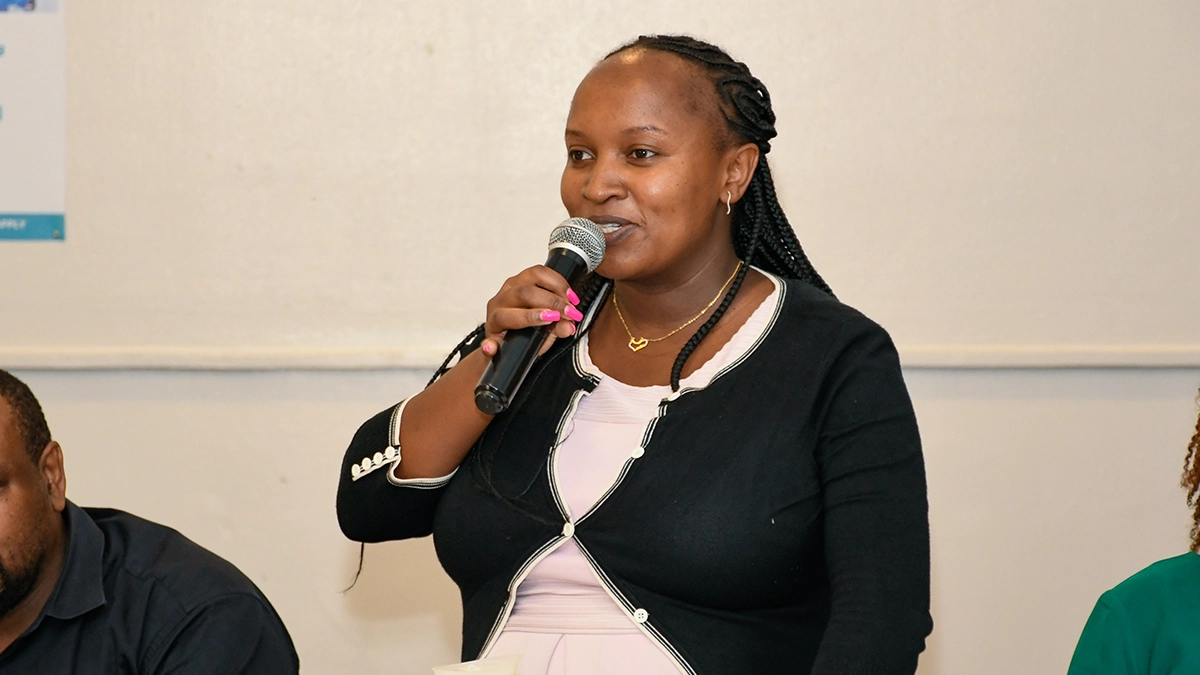
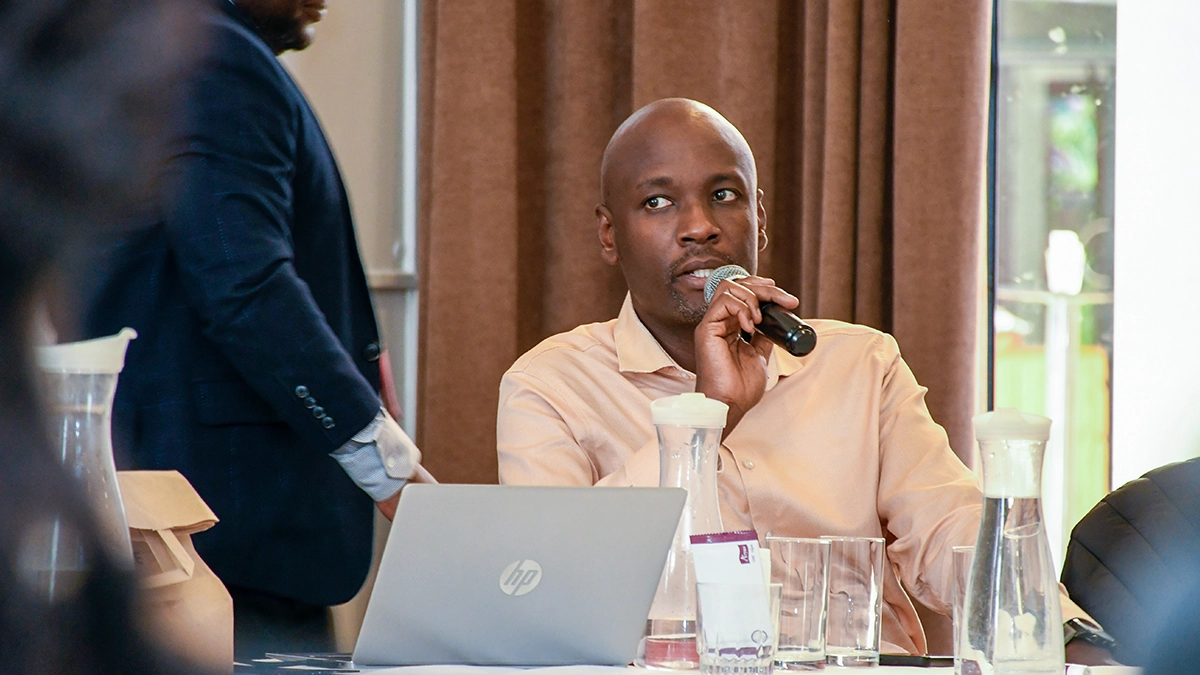
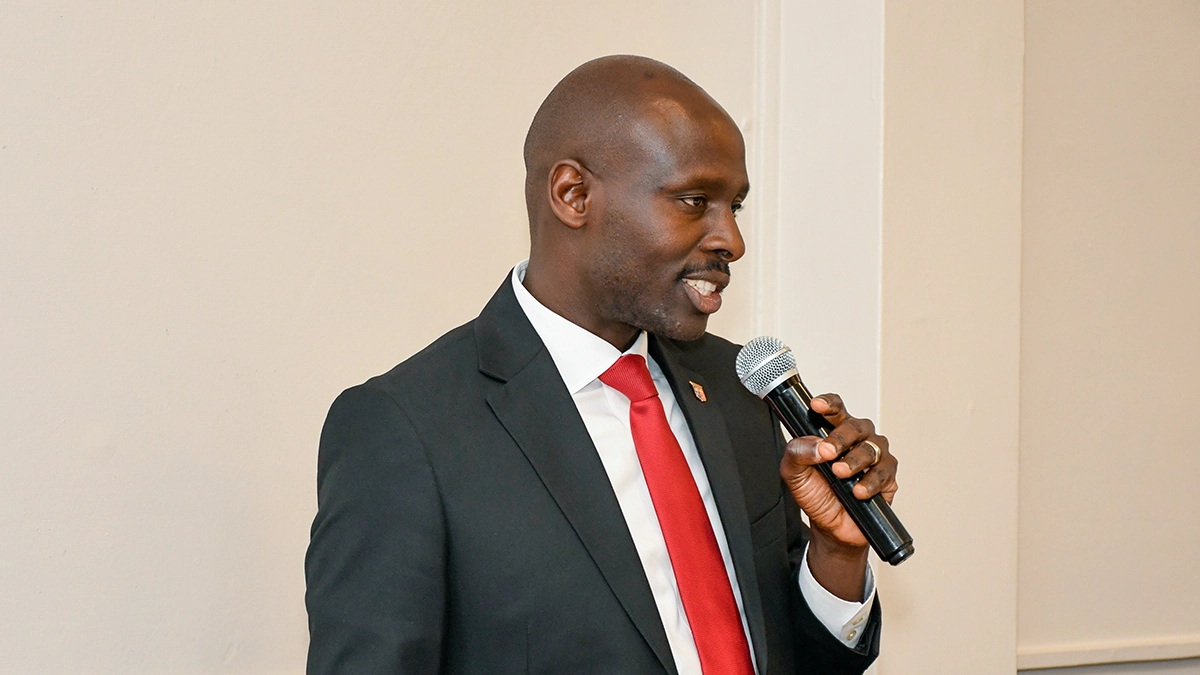
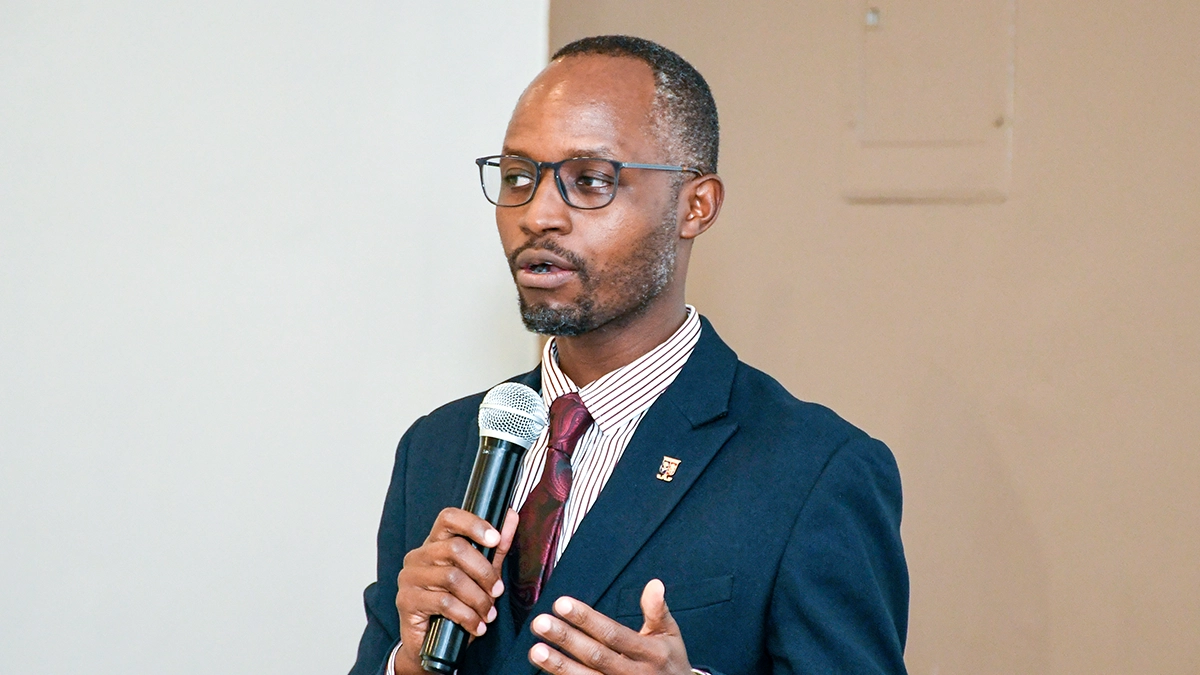
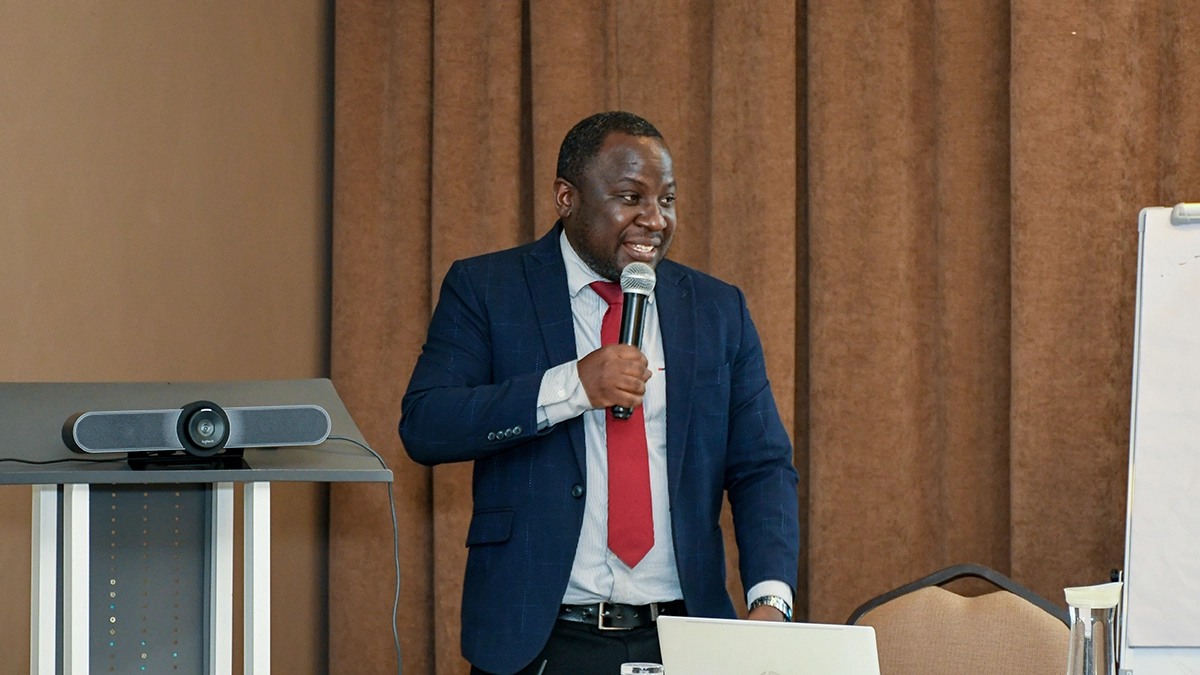
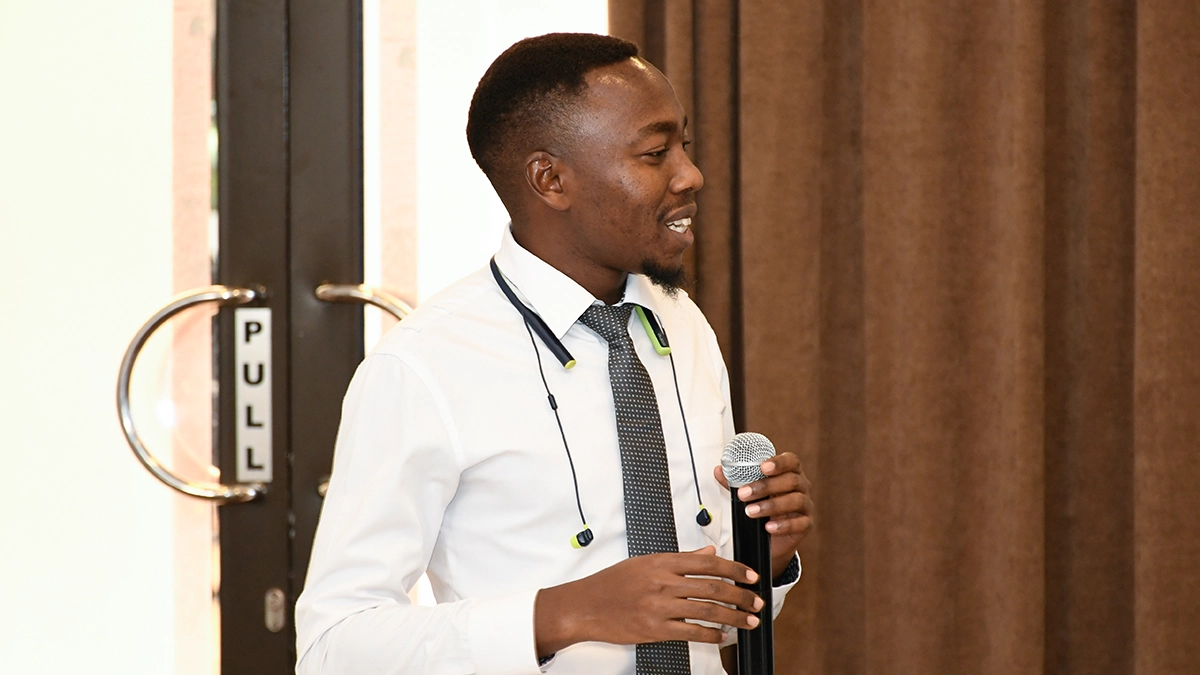
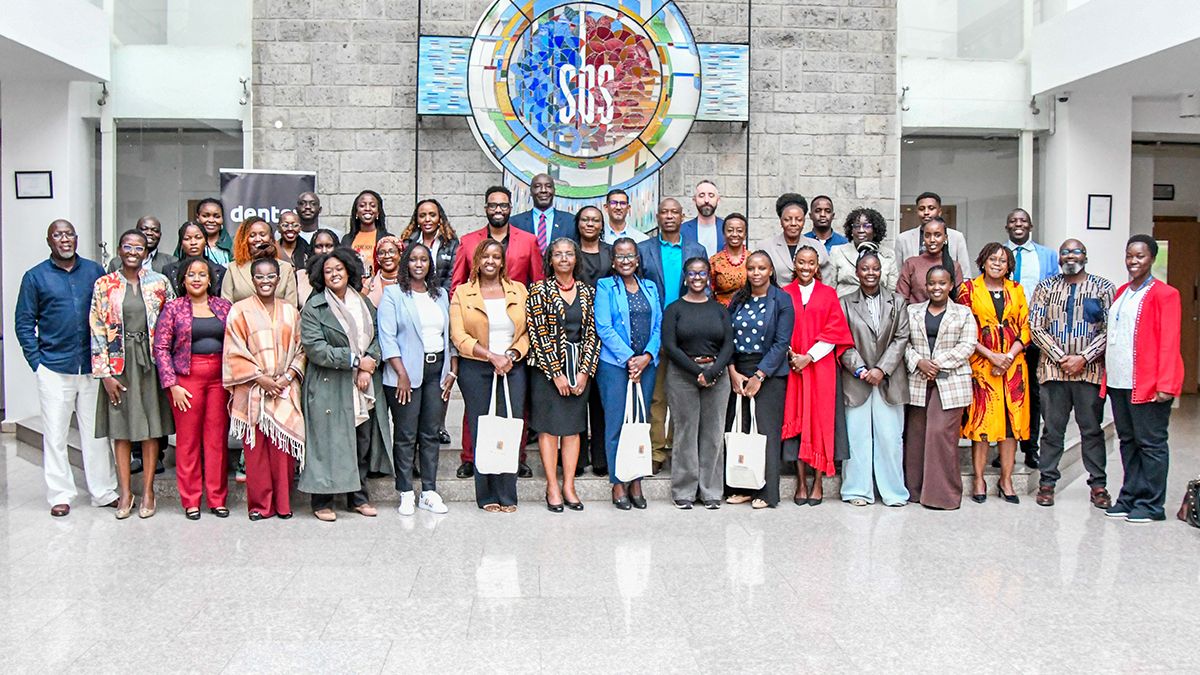
Strathmore University Business School (SBS) recently brought together project partners, faculty, and participants for the Porticus Project Close-Out Workshop, an inspiring milestone that marked the conclusion of a transformative leadership initiative. Since its inception in 2018, the collaborative project powered by SBS, Porticus Africa, the Next Generation Leadership Programme (NGLP), and various host universities has impacted over 1,000 delegates across East Africa.
A Story of Grit and Growth
Kicking off the event, Shadrack Mwangangi, Director of Executive Education Programmes at SBS, welcomed participants with heartfelt reflections on the journey. “This has never been about business as usual,” he said, speaking to the team’s unwavering commitment to excellence.
From navigating the turbulence of the COVID-19 pandemic to celebrating major wins, Mwangangi highlighted the power of teamwork, resilience, and mutual support that made the project thrive. He challenged the team to think about the future what kind of project space we want to create, how collaboration should look, and what the ‘African Dream’ really means.
He left everyone with a powerful reminder: “The future belongs to those who believe in the beauty of their dreams” — a quote from Eleanor Roosevelt that perfectly captured the spirit of the moment.
How It All Began—and Where It’s Going
Dr. Freshia Waweru, Principal Investigator of the Porticus Project, took the audience on a journey back to the project’s roots. She shared how the collaboration between SBS, Porticus Africa, and the NGLP opened the doors to a whole new audience, particularly within religious organizations.
One of the significant outcomes? The creation of the Sisters Blended Value Project (SBVP), which is now proudly hosted at the Business School. Dr. Waweru also recognized the support of Strathmore University’s Pro-Chancellor, Rev. Dr. Silvano Ochuodho, who consistently emphasized the need for excellence in serving the Church.
She acknowledged the incredible contribution of over 100 staff from across the region who helped design curricula tailored for scholars, alumni, and religious superiors—demonstrating just how deep and wide the impact has been.
Lessons Learned from the Team on the Ground
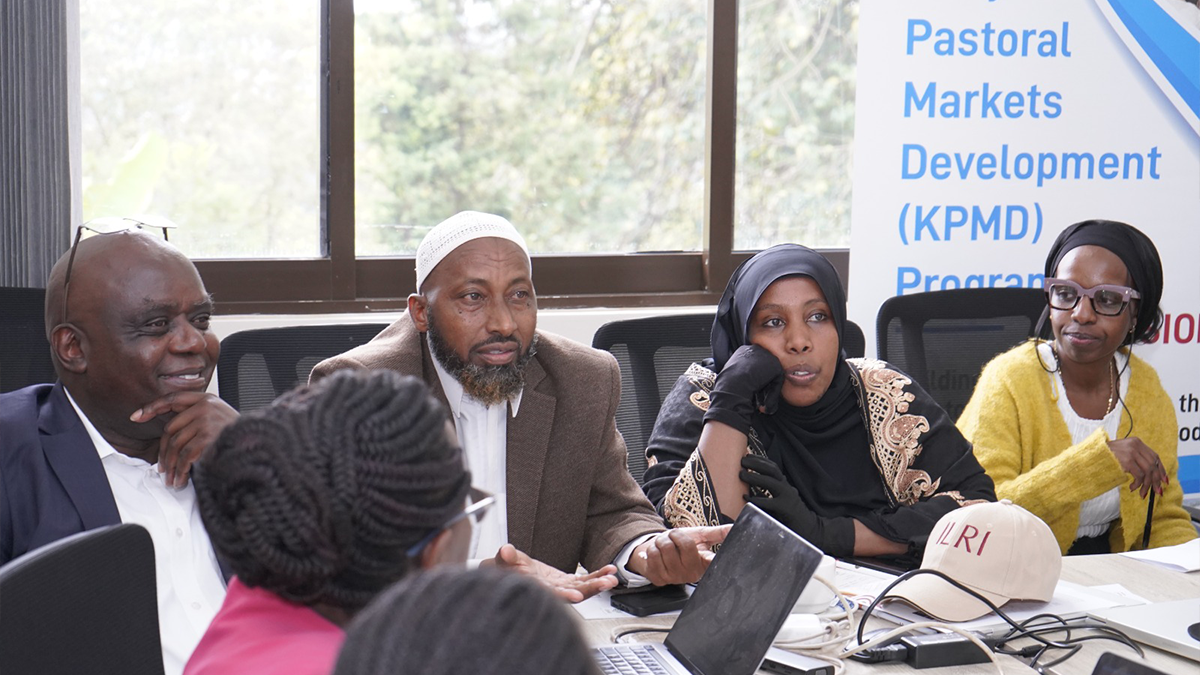
The close-out wasn’t just a celebration, it was a moment for honest reflection. Teams shared what worked well and what could be done better next time.
Coaching Team
- What worked: All participants, including religious superiors benefited from coaching, particularly group sessions.
- Opportunities to improve: The team noted the need to introduce coaching earlier in the program and set clearer timelines and expectations from the start.
Administrative Team
- What worked: Clear timelines, excellent faculty choices, great feedback from participants, and seamless coordination with host universities. The project grew meaningfully across its phases, and the administrative staff played a key role in that success.
- Areas to improve: More structured monitoring and evaluation, better support from leadership, proper rewards and recognition for the team, and a dedicated project team were among the recommendations.
Faculty Team
- What worked: Faculty delivered practical and scalable content, collaborated across borders, and remained flexible—even teaching outside their usual areas. They showed remarkable leadership, especially during the challenges of the pandemic.
- Opportunities to improve: Faculty suggested more efficient time management, introducing digital platforms for deeper learning, and being more intentional with participant selection.
Charting the Future
Anthony Kahindi, University Secretary at Strathmore University, wrapped up the workshop with a heartfelt message of appreciation and vision. He reminded everyone that the most powerful impact of the project is not just on the numbers but in the legacy, it leaves behind.
He called for the establishment of a dedicated center of excellence to continue supporting the religious community, noting that churches run nearly a third of institutions in the region. For lifelong learning to thrive, he emphasized the need to equip religious leaders with the tools they need for the long haul.
“We are here to serve society,” he said, echoing the University’s mission. “If you need support to carry this transformation forward, reach out.”
The Porticus Project Close-Out wasn’t just the end of a chapter, it was the launchpad for future possibilities. With the insights gained and bonds formed, Strathmore Business School is ready to continue shaping leaders and igniting change across Africa.
Partagez cette histoire, choisissez votre plateforme !
Votre voyage vers l'excellence commerciale commence ici. Abonnez-vous dès aujourd'hui et soyez à la pointe de l'innovation et du leadership.





 English (United States)
  English (UK)
  French