

What will define the next generation of supply chain and operations leaders? The answer may lie in the increasingly complex decisions they will be required to make: How much visibility is enough when disruption can begin several tiers away? Where should artificial intelligence and automation create value? How much customer variety can an operation absorb without compromising efficiency? And how early should supply chain considerations be incorporated into product design?
As global supply networks become more interconnected, technology-driven and vulnerable to disruption, these questions are no longer reserved for senior executives. They are becoming essential considerations for the next generation of supply chain and operations professionals.
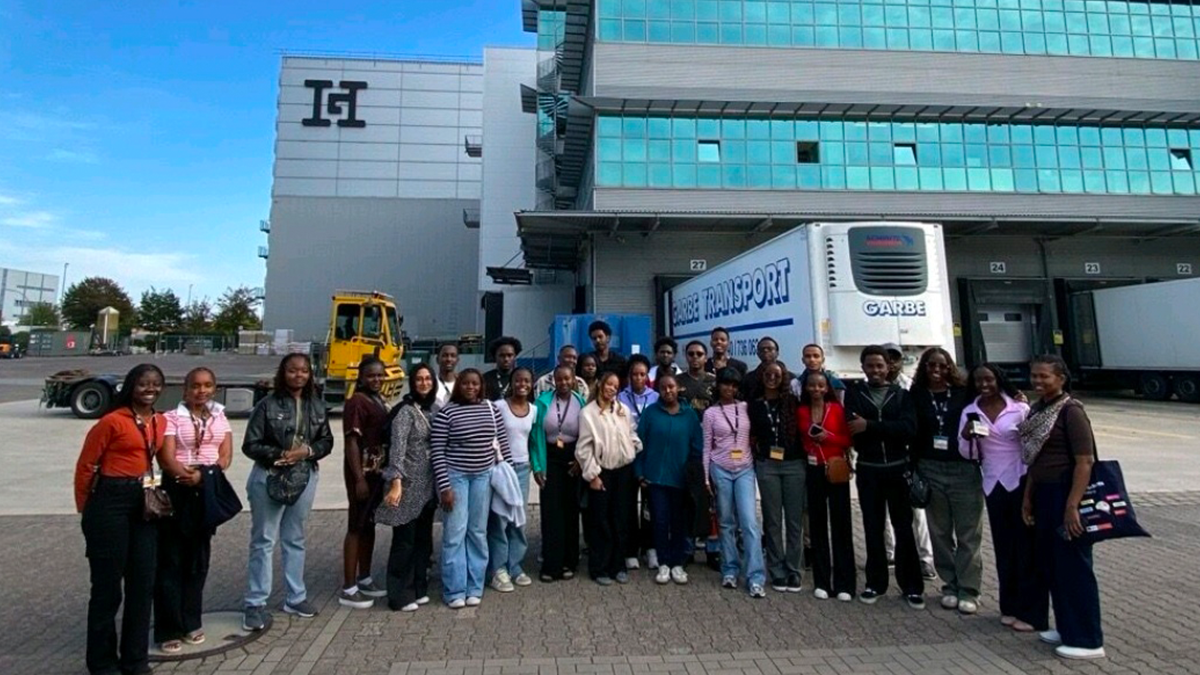
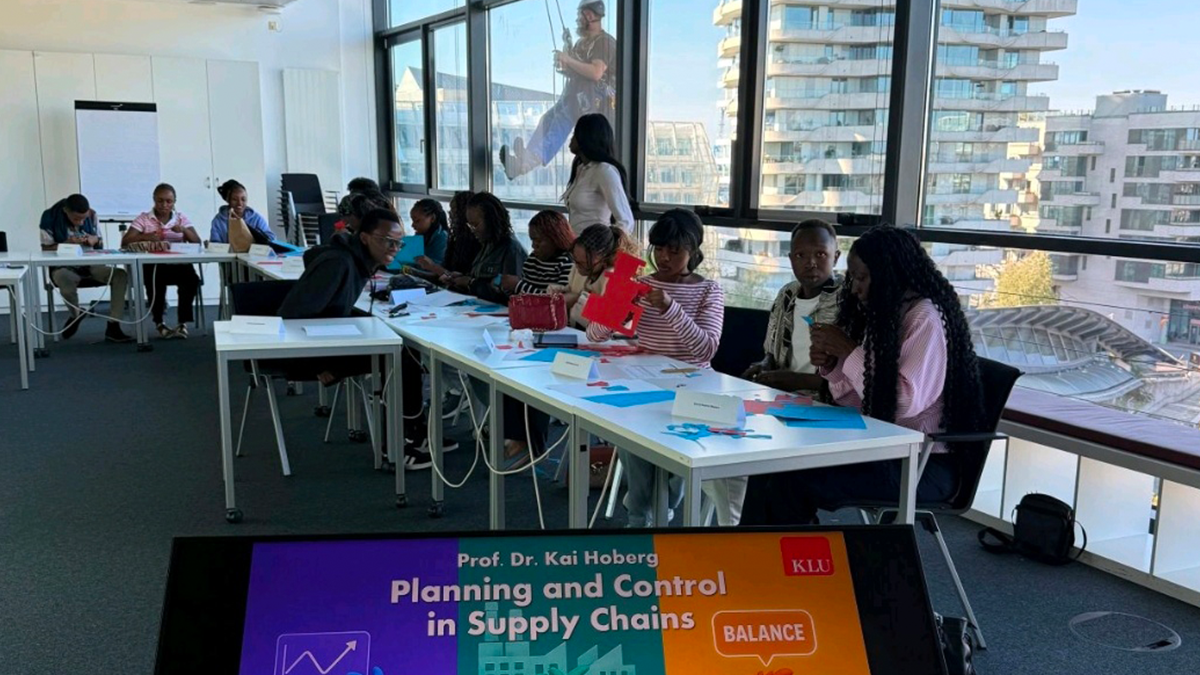
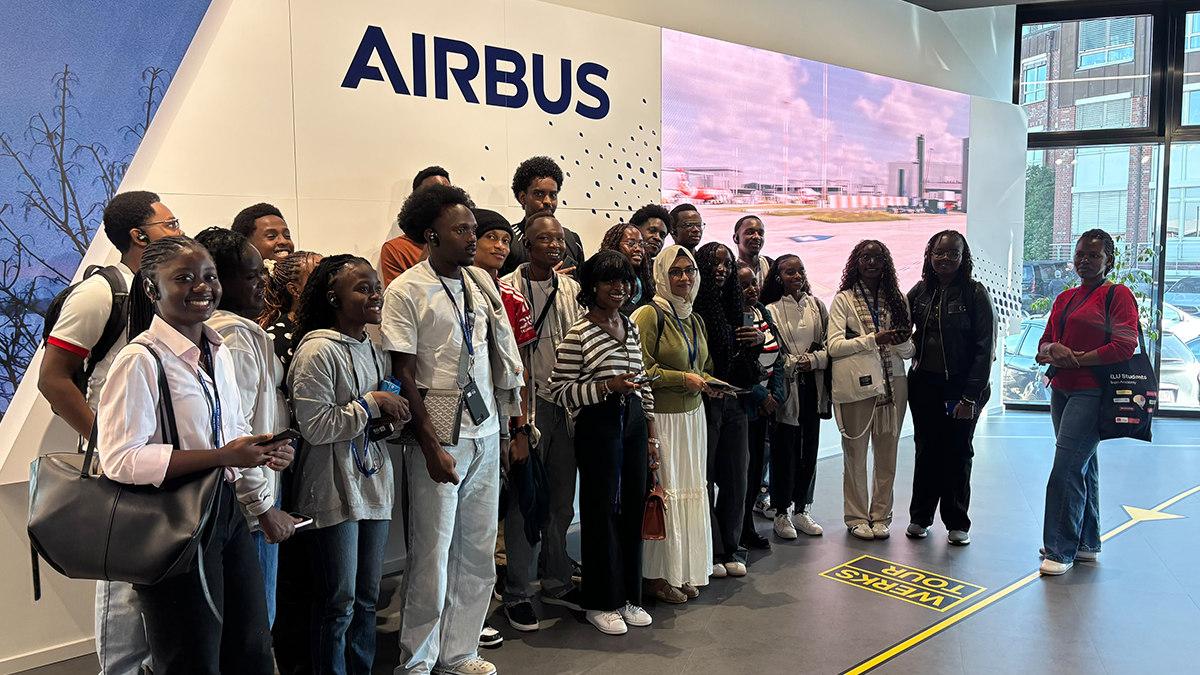
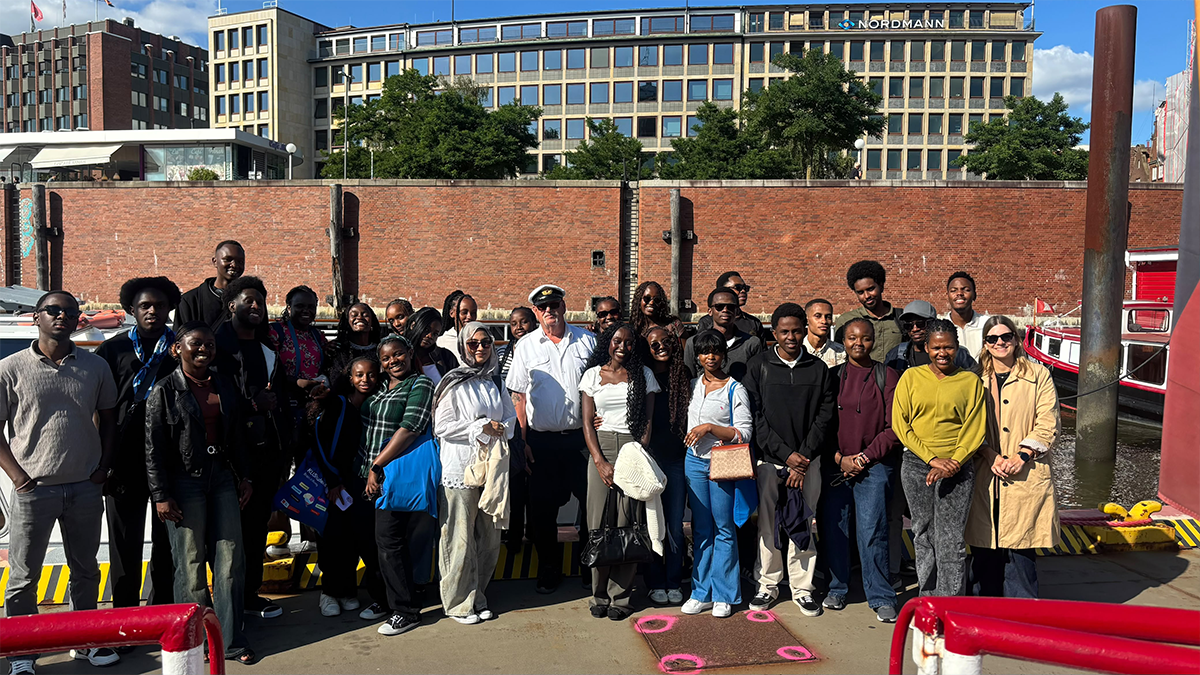
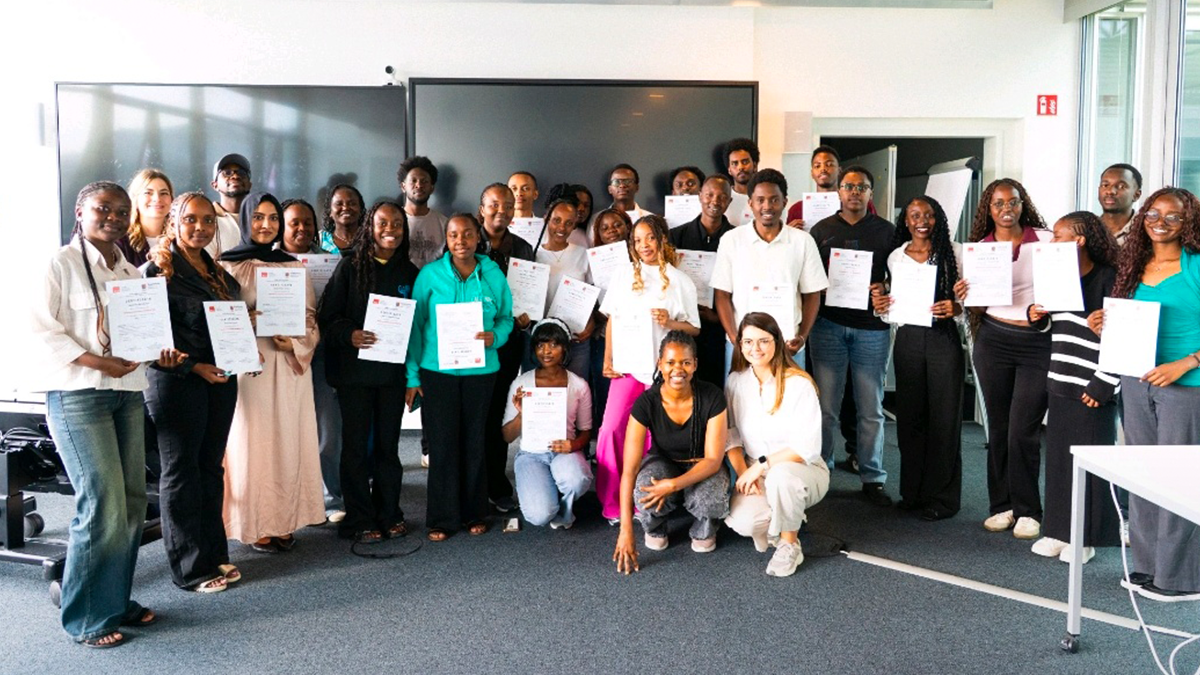
For students in the BSc Supply Chain and Operations Management programme at Strathmore University, these questions took on practical meaning through an international academic and industry engagement programme in Germany. The experience included academic engagement at Kühne Logistics University (KLU), exposure to Hamburg’s logistics ecosystem, and visits to Airbus, Mercedes-Benz Bremen and Gebrüder Heinemann.
Across these different learning environments, students encountered interconnected systems, technologies and management decisions that shape modern supply chains. More importantly, the experience offered insights into what future supply chain and operations leaders must understand, question and prioritise.
One of the lessons emerged from Hamburg’s logistics ecosystem, where ports, vessels, terminals, inland transport networks, warehouses, production facilities and markets operate as part of a highly interconnected system.
In such an environment, decisions made in one part of the network can have consequences far beyond the organisation or function where they originate. A delay at a terminal can affect production schedules. Disruptions in inland transport can influence inventory availability. Changes in demand can ripple across procurement, warehousing and distribution.
For future leaders, this highlights the importance of moving beyond organisational silos and developing a systems-level understanding of supply chains.
Visibility can no longer stop at the organisation’s boundaries. Leaders must increasingly understand the wider networks on which their operations depend, identify points of vulnerability and anticipate how disruptions may travel across interconnected systems.
At Mercedes-Benz Bremen, students observed how mass customisation, production sequencing, robotics and automation are integrated into complex manufacturing operations.
The experience demonstrated that technology is not valuable simply because it is new or sophisticated. Its value lies in how effectively it addresses operational challenges and improves performance.
The next generation of supply chain and operations leaders will need sufficient technological understanding to engage critically with emerging solutions. They must be able to distinguish between technology adoption for its own sake and technology that strengthens efficiency, resilience, responsiveness and decision-making.
Supply chain decisions are often made behind the scenes, but their consequences are experienced directly by customers.
Academic discussions on entrepreneurship and marketing at KLU brought the customer into the supply chain conversation, while the visit to Gebrüder Heinemann illustrated how this relationship works in practice.
Inventory positioning, warehousing, replenishment and distribution may not always be visible to the customer. However, they influence whether the right product is available, in the right place, at the right time.
This reinforces an important principle: supply chain performance cannot be considered separately from customer experience.
Efficient logistics is not simply about moving goods or reducing costs. It is also about understanding customer expectations and designing systems that support availability, responsiveness and value at the point of purchase.
Future leaders must therefore be able to connect operational metrics with what customers value.
The international module provided more than exposure to global companies and advanced logistics environments. It created opportunities for students to connect classroom concepts with real-world systems, observe operational decisions in practice and reflect on the leadership capabilities required in a rapidly changing sector.
As supply chains continue to evolve, leadership will demand more than technical competence. It will require curiosity, critical thinking, collaboration and the ability to make informed decisions across interconnected systems.
For the BSc Supply Chain and Operations Management students, the international module offered an opportunity to begin developing that perspective, one that looks beyond immediate operation and considers the wider systems, stakeholders and decisions that shape supply chain performance.
The future of supply chain leadership will not be defined by technology or scale alone. It will be shaped by the ability to connect visibility with foresight, innovation with purpose, and operational performance with customer value.
Learn more about the BSc. Supply Chain and Operations Management Programme ici
Partagez cette histoire, choisissez votre plateforme !
Votre voyage vers l'excellence commerciale commence ici. Abonnez-vous dès aujourd'hui et soyez à la pointe de l'innovation et du leadership.






 English (United States)
  English (UK)
  French