

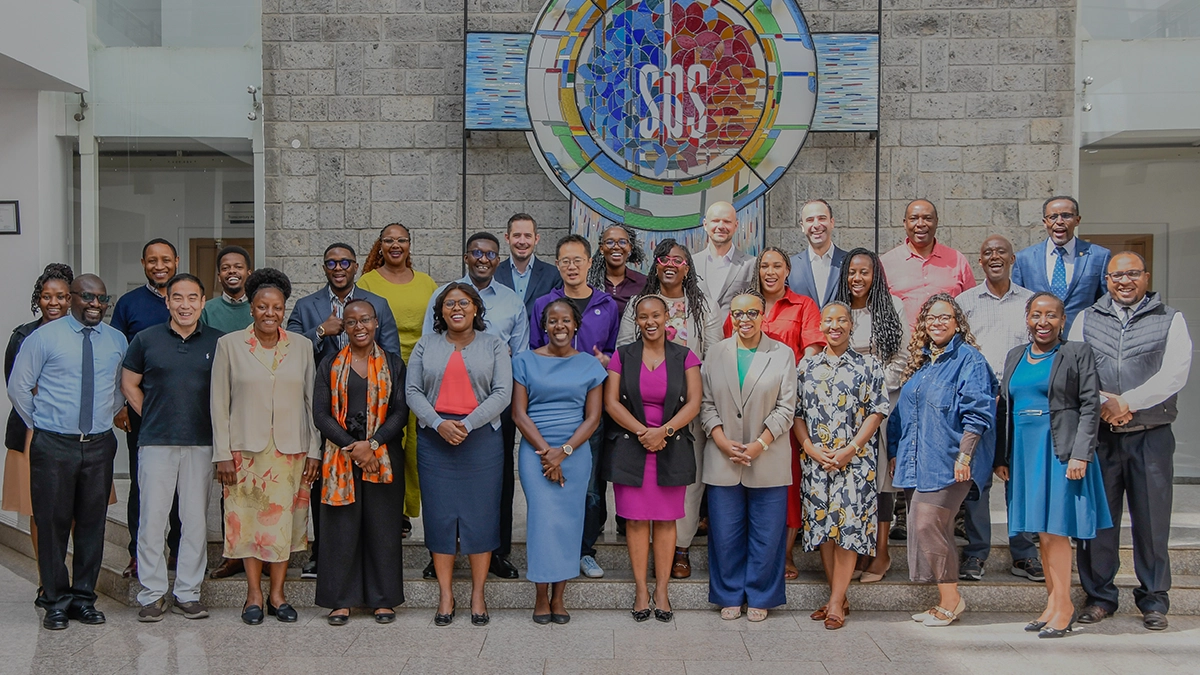
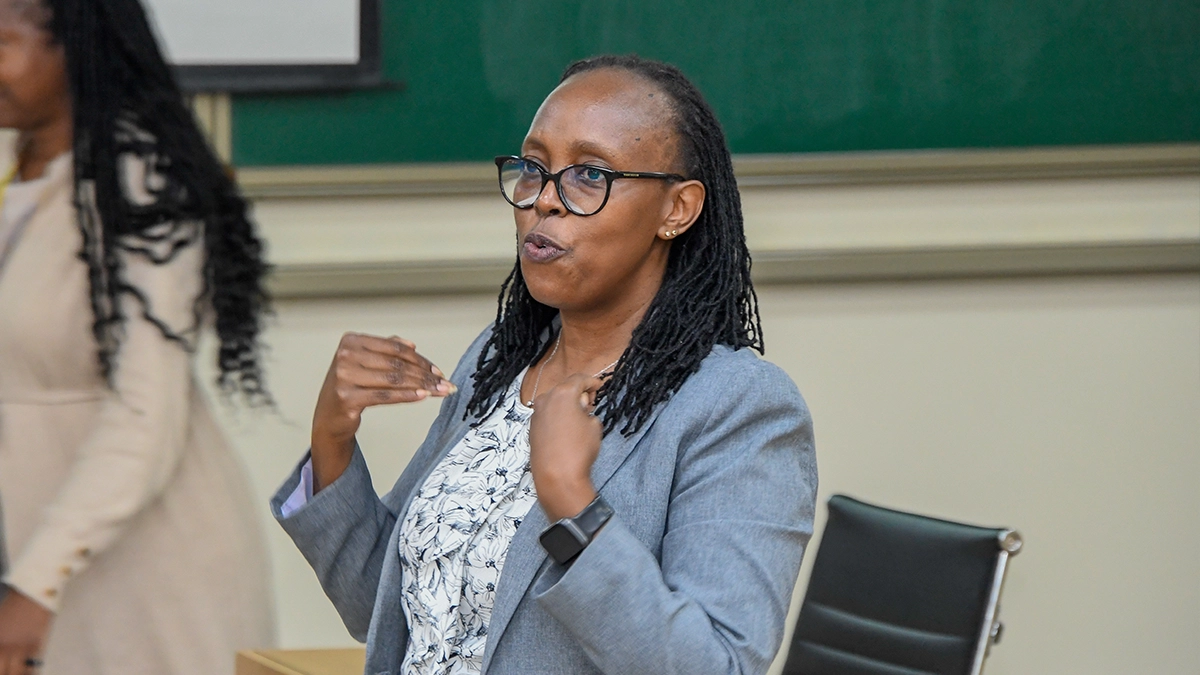
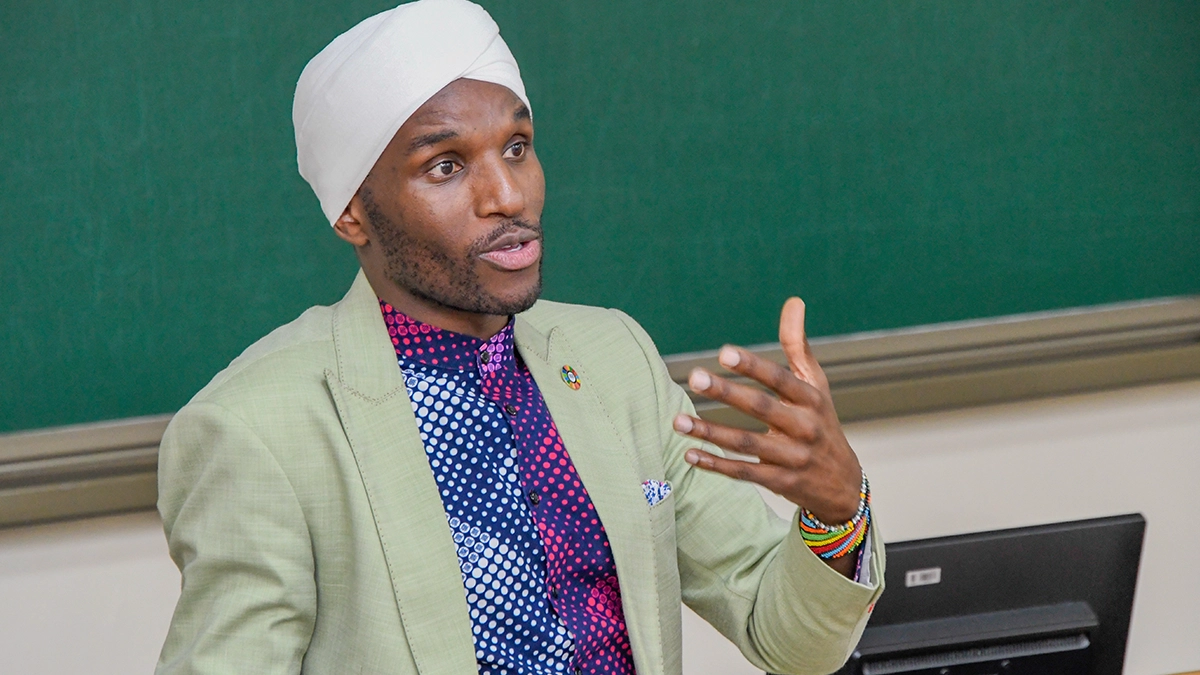

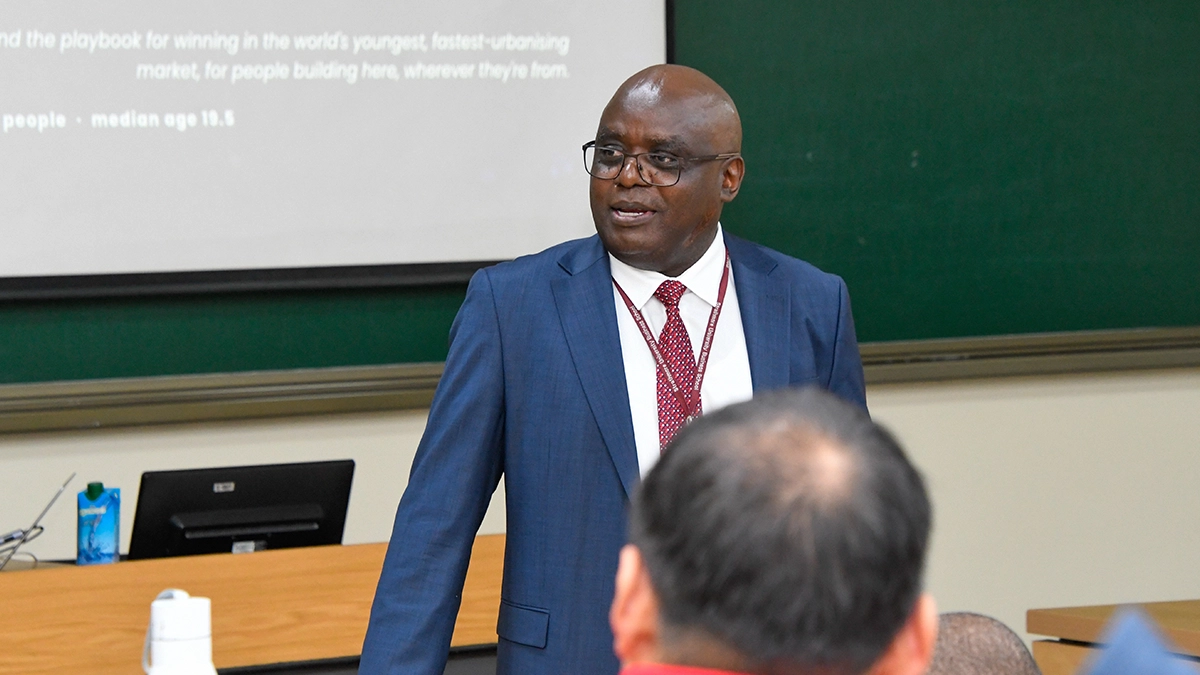
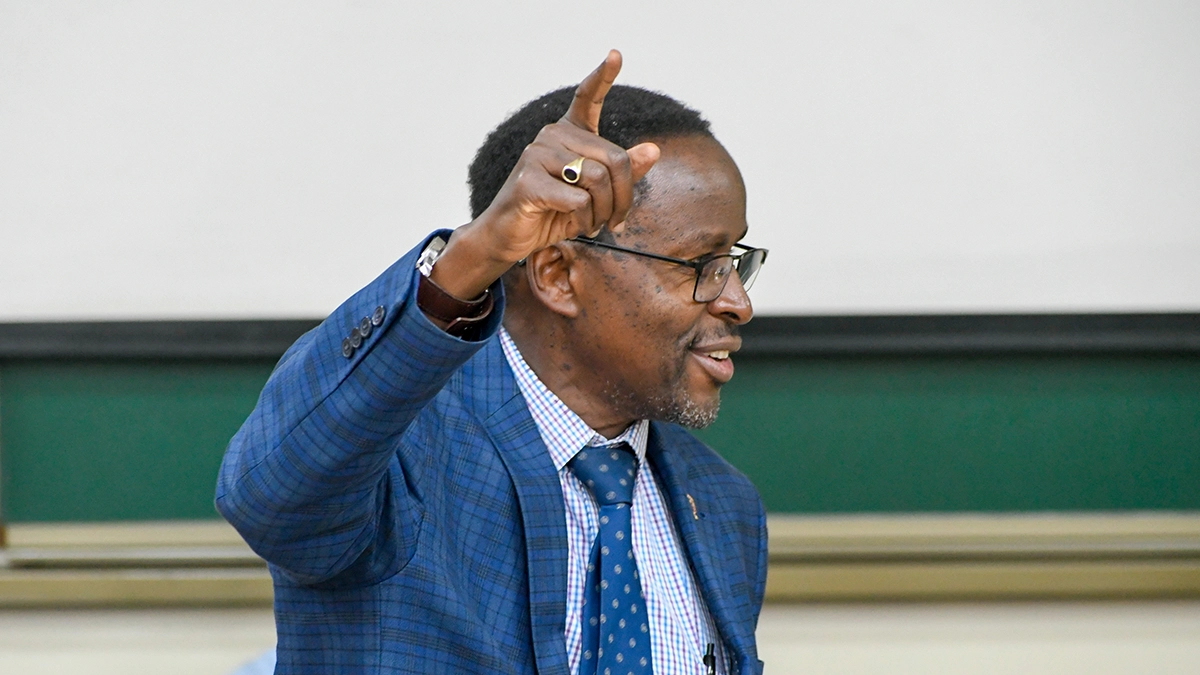
Strathmore University Business School (SBS) hosts the Global Network Week 2026. Between 15th and 19th June 2026, we hosted 26 business leaders, academics, and emerging executives from Kenya, Nigeria, South Africa, Singapore, Malawi, the United States, Switzerland, and China for an immersive week of learning, collaboration, and cultural exchange. Hosted as part of the Global Network for Advanced Management (GNAM) Global Network Week, the programme offered participants an unfiltered look at Africa’s business landscape, it’s opportunities, its complexities, and its undeniable momentum.
The sessions opened with a provocative challenge. In his lecture on Doing Business in Africa: The Opportunity, Dr Caesar Mwangi urged participants to set aside the tired narratives of risk and instability and instead see the continent for what it is: a region of extraordinary potential. With expanding markets, abundant natural resources, and the world’s youngest population, Africa’s fundamentals are hard to ignore. “The continent needs purpose-driven leaders,” Dr. Mwangi stressed, “who are committed to transforming societies from where they are to where they could be.”
Dr David Wachira brought the conversation to the present, exploring how digital infrastructure, urbanisation, and artificial intelligence are reshaping economic opportunity across the continent. Using Kenya’s mobile money ecosystem as a case study, he illustrated how Africa has bypassed legacy systems to build innovative, fit-for-purpose solutions. His challenge to participants was pointed out: will Africa’s demographic advantage translate into a productivity advantage? “The continent’s biggest problem,” he noted, “is not a lack of opportunity, it is a lack of execution.”
Dr. Geoffrey Otieno brought strategic nuance to the conversation, reminding the room that Africa is not a monolith. It is 54 distinct markets, each with its own institutions, culture, and business logic. Tracing the continent’s arc from ancient trading civilisations through colonialism to the “Africa Rising” era, Dr. Otieno mapped the institutional gaps that businesses routinely encounter and the firms that have thrived by bridging them. M-Pesa, Andela, Zipline, and Cold Solutions Limited all featured as examples of companies that succeeded not despite Africa’s complexity, but because they understood it. The takeaway: trust-building and tailored market-entry strategies are non-negotiable.
Investment professional Stephen Gugu rounded out the classroom sessions with a candid look at capital raising in emerging markets. Navigating government debt, currency volatility, and uneven access to finance, Gugu outlined what it truly takes to attract investment in this environment. His message was direct: strong business fundamentals, sound governance, and disciplined execution are not differentiators; they are the price of entry.
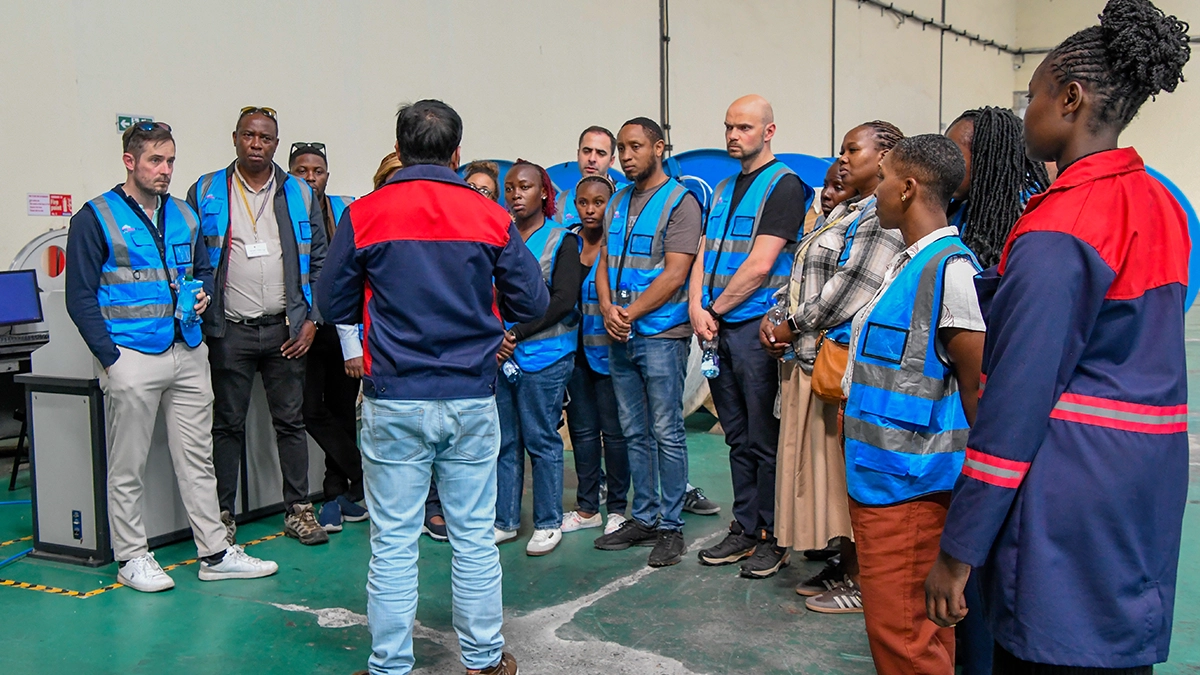
The experience would not be complete without lived experience. Participants visited Nairobi National Park and the Giraffe Centre, and toured Nia Fibre and Linea Pipes, two companies offering a window into Kenya’s manufacturing sector and the innovation driving it forward. These visits grounded the week’s big ideas in real operations, real challenges, and real solutions.
Founded in 2012, the Global Network for Advanced Management brings together leading business schools worldwide to deepen understanding of diverse economies and develop leaders ready to navigate a fast-changing world. Through programmes like Global Network Week, SBS continues to offer transformative experiences that equip participants with the global perspective and African insight needed to lead with impact.
Article by Miriam Wafula
Partagez cette histoire, choisissez votre plateforme !
Votre voyage vers l'excellence commerciale commence ici. Abonnez-vous dès aujourd'hui et soyez à la pointe de l'innovation et du leadership.







 English (United States)
  English (UK)
  French