

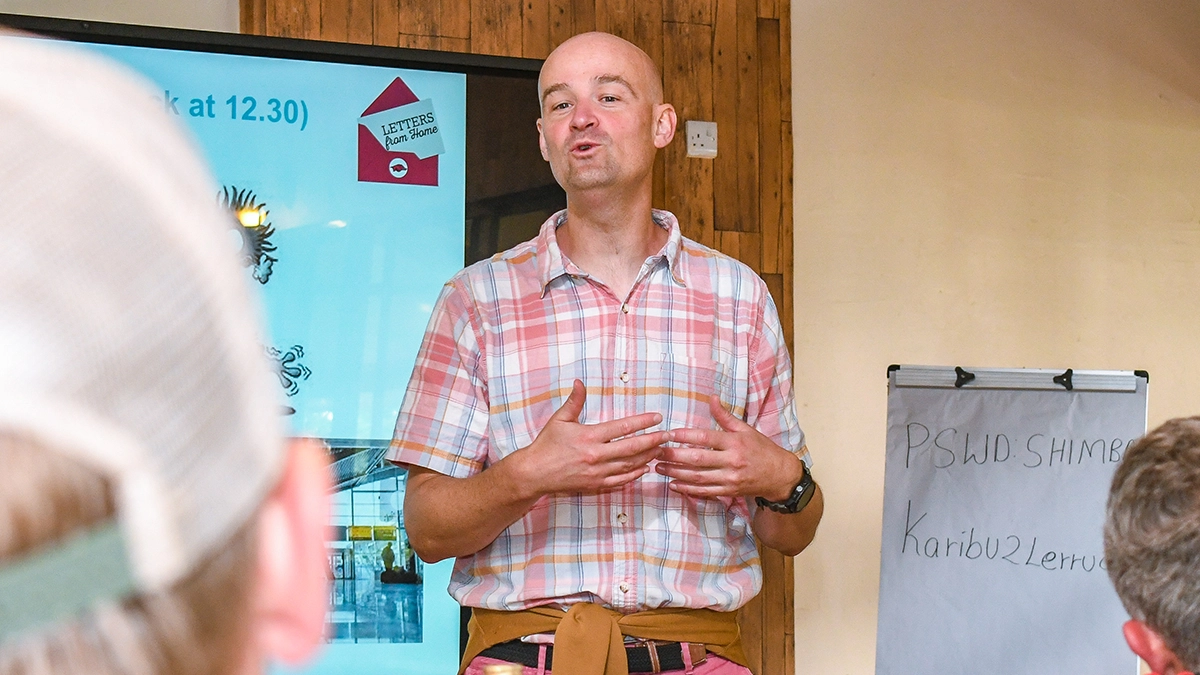
What does it take to build resilient supply networks in an increasingly uncertain world? Is it technology, sustainable business practices, geopolitical awareness, or ethical leadership?
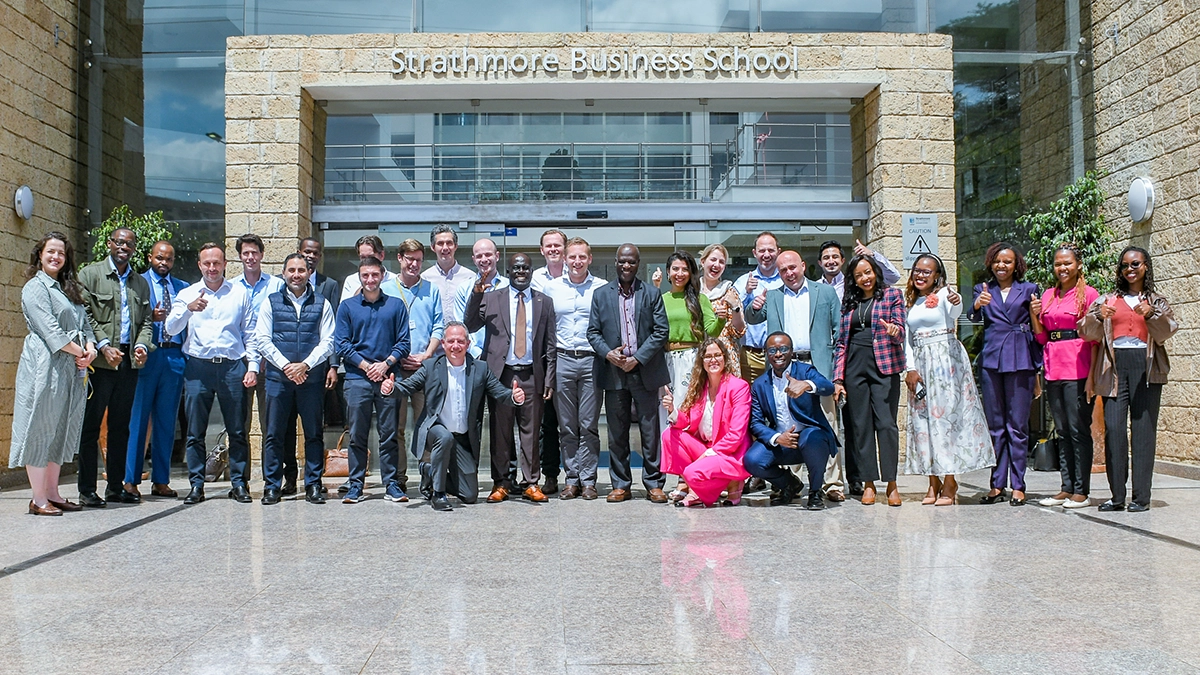
For participants in the Africa Module of the Executive Programme in Leadership in Commodity Trade and Supply Networks, jointly delivered by Strathmore University Business School (SBS) and Erasmus University Rotterdam, the answer lay in the intersection of all these elements.
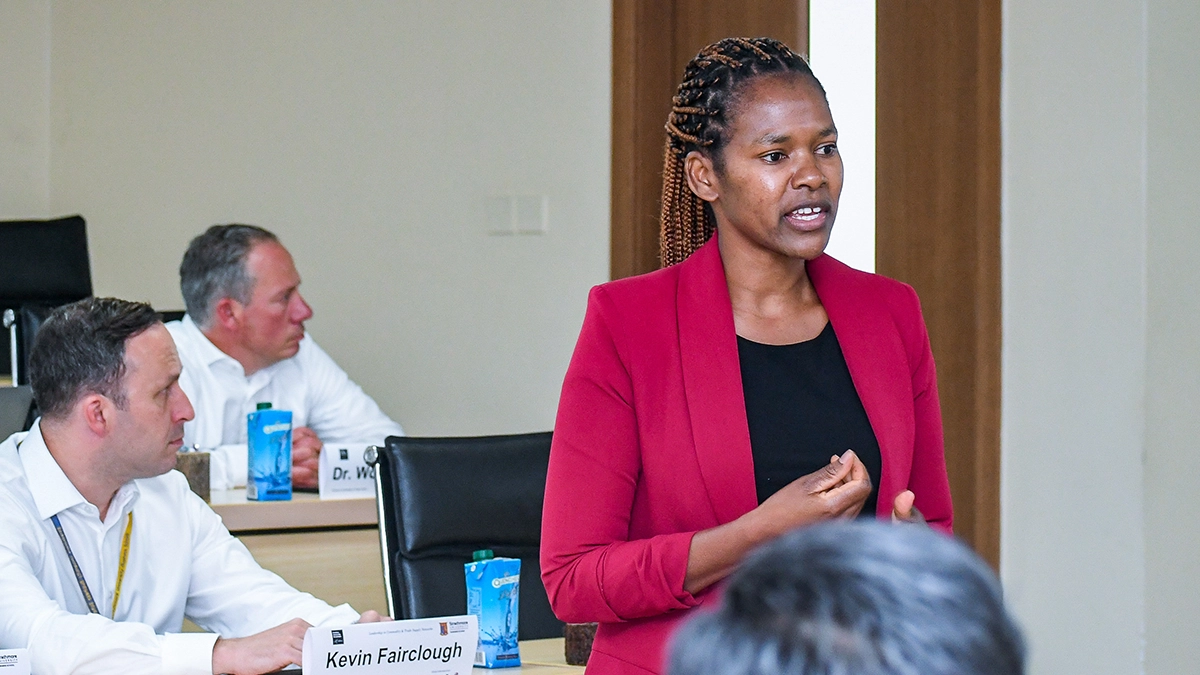
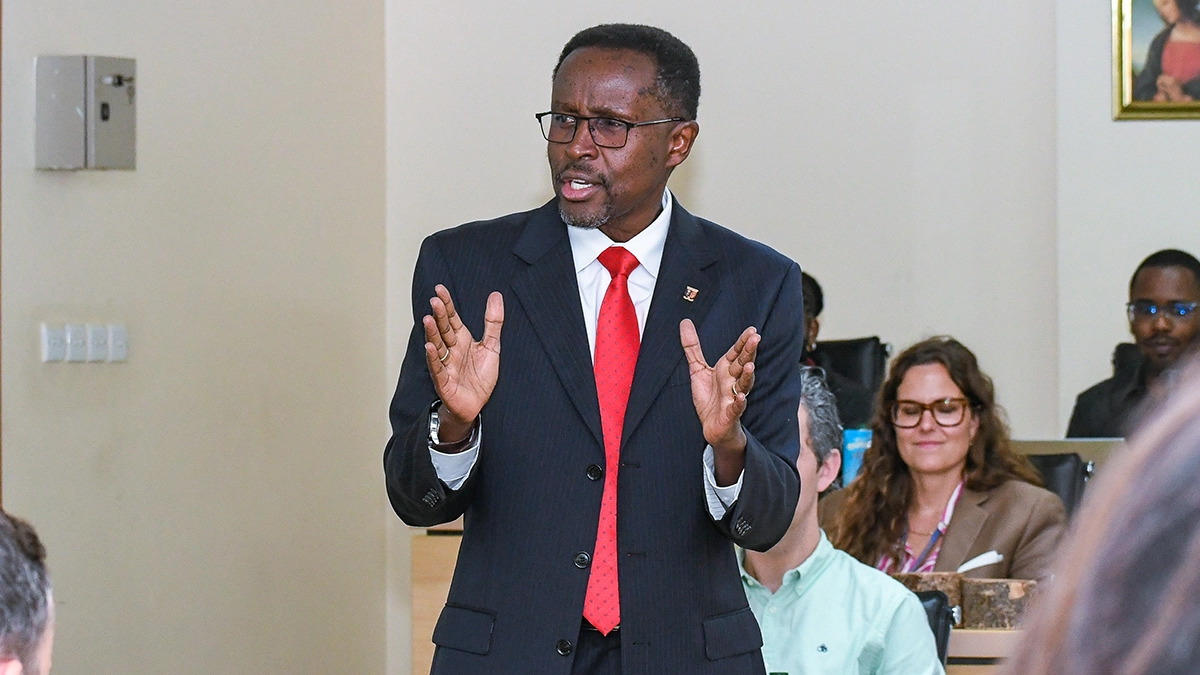
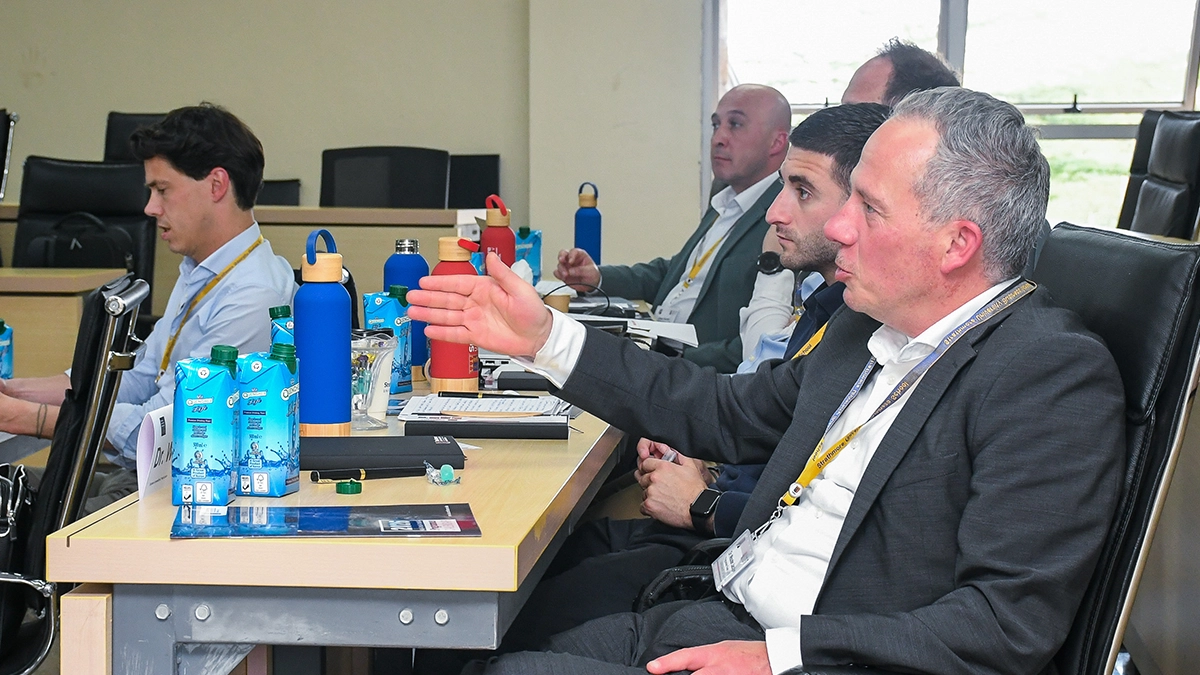
Delegates spent five immersive days in stimulating conversations with world-class scholars, practitioners, and executives, challenging the status quo and analysing Africa’s emerging position in international commodity trade.
The first day began with important discussions on geopolitics and the architecture of the commodities economy. With the guidance of Prof. Jonathan Annan and other industry experts, participants deliberated on how power structures, policies, markets, and collaborations shape Africa’s standing in the international value chain.
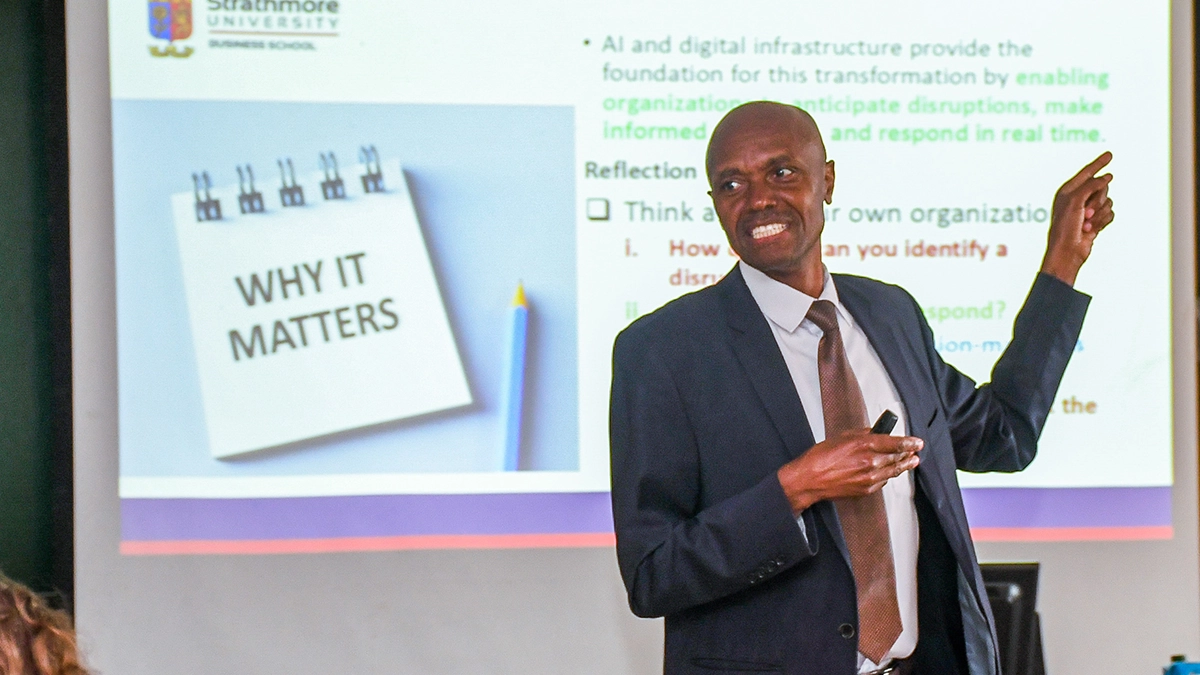
As the program continued, delegates were exposed to technology and innovation as drivers of change in the commodities market. Participants gained new perspectives through sessions focused on AI and digital ecosystems, and on the use of innovative approaches such as Safaricom’s M-Pesa ecosystem.
Sustainability remained a constant theme throughout the week. Discussions about circular economy and public-private partnerships led the delegates to reflect on conventional production processes and explore ways in which environmental sustainability could also serve as an innovative means to a competitive edge. Real-life examples proved that value creation requires more than economic growth; it now relies on resource management and social impact.
Leadership was another key topic discussed during the conference. Dr Caesar Mwangi advised delegates to define leadership as the ability to create opportunities for other people and develop them. Another important discussion about integrity and trust supported this notion, showing that effective leadership is not only about strategy but also about ethics and good interpersonal relations.
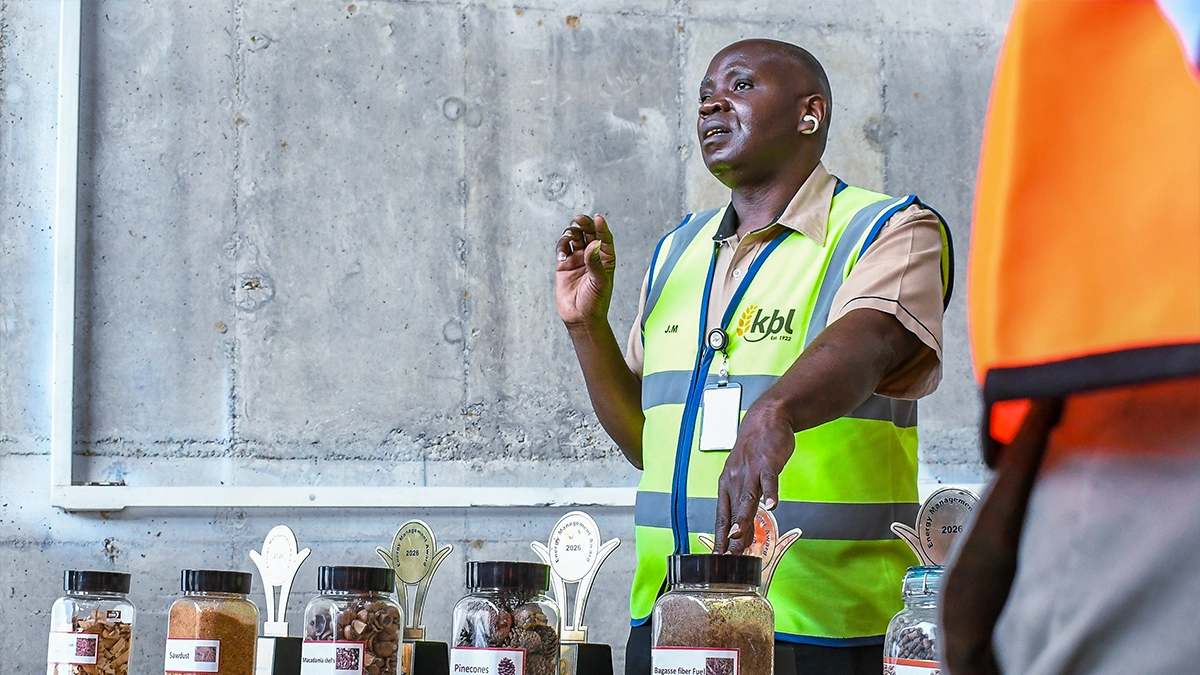
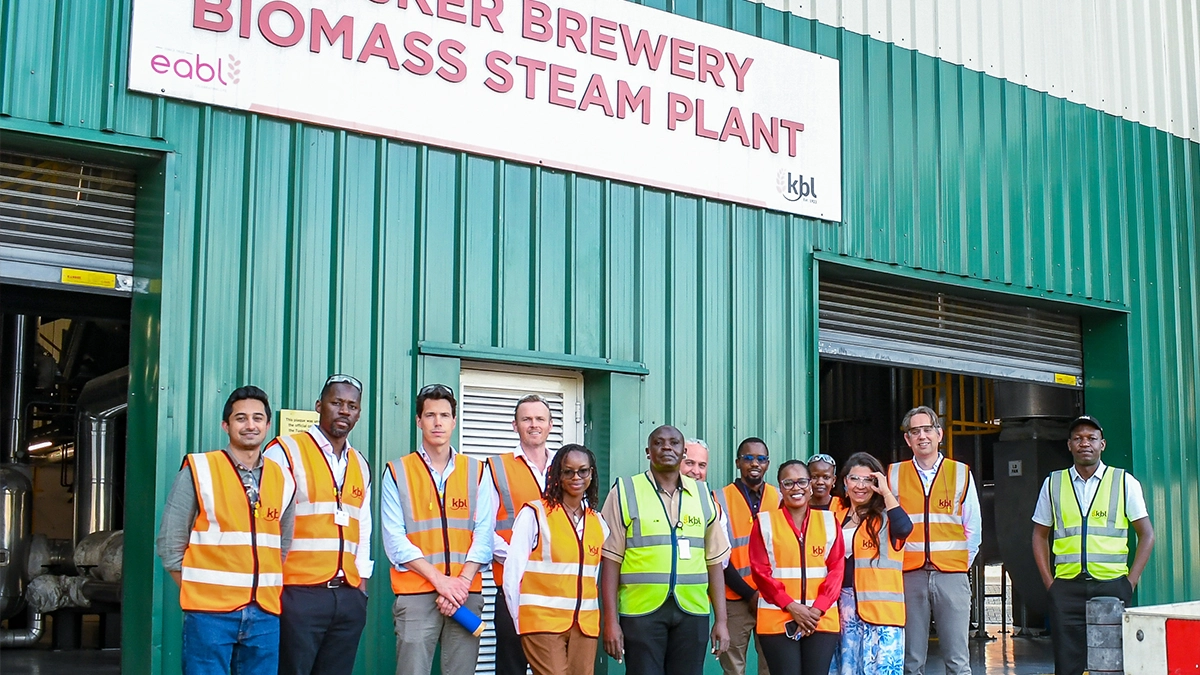
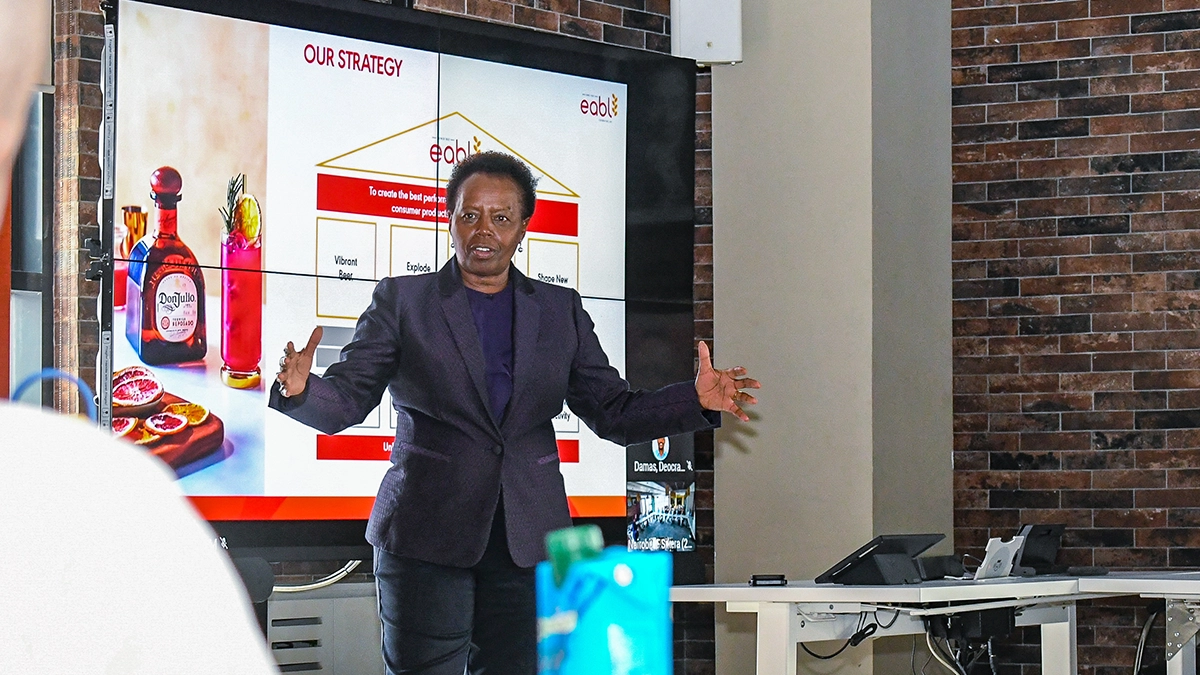
The integration of theory into practice became apparent through the programme’s industry engagement, including visits to companies. Delegates were introduced to sustainability as part of business operations during their visit to East African Breweries Limited (EABL).
In welcoming the delegates, Jane Karuku, Managing Director & CEO, EABL Group, reiterated the significance of purpose-led organizations and people-centricity as well as customer focus and continuous improvement. The message she brought out was another of the key themes of the programme that resilient organizations not only have a sound strategy but a value set to guide decisions.
The last day provided delegates with an occasion for some reflection as part of the learning process. A hike followed by leadership reflection exercises at Lerruat Log Resort prompted delegates to reflect on their leadership purpose and what kind of legacy they would like to leave behind.
In his closing remarks, Prof. Gilbert Kokwaro emphasized to delegates that being a leader means making a difference in the lives of other people.
Not only an executive program but rather a true reflection of the strength of the partnership between Strathmore Business School and Erasmus University of Rotterdam in grooming leaders to cope with complexity in a manner that is both innovative and ethical. Indeed, what is clear is that the future of Africa is not just about its resource endowment or market potential, but also about the leaders of tomorrow.
Article de Juliet Hinga
Partagez cette histoire, choisissez votre plateforme !
Votre voyage vers l'excellence commerciale commence ici. Abonnez-vous dès aujourd'hui et soyez à la pointe de l'innovation et du leadership.






 English (United States)
  English (UK)
  French