

In 1975, when the family of Oiko thought of starting an Oikocredit family organisation, nobody took them seriously including some of the credit institutions. 50 years later, the Oikocredit family-owned business is now playing a crucial role in the social and economic landscape in East Africa. And they are now representing 60–90% of private enterprises and contributing up to 50% of GDP. And in Kenya, especially in agricultural sector, they are playing a vital source of employment, food security, and community well-being. Despite their importance, fewer than 20% survive beyond the second generation, as most face challenges in leadership transitions, governance, and maintaining generational continuity.
Family businesses have been known to play a critical role in Kenya especially in agricultural sector. Many organisations in this area often face usual challenges such as informal decision-making, founder-dependence, undocumented succession pathways, and internal conflict. As these businesses grow, these issues tend to worsen, especially when leadership transitions across generations are delayed or skipped. Simultaneously, broader trends like global competition, digital transformation, climate change, and changing regulations are exerting increasing pressure on SMEs to become more professional. The repercussions are evident: a lack of succession planning not only jeopardizes business continuity but also diminishes investor confidence and community resilience.
As a member of the World Council of Churches with the aim of promoting social justice through ethical investment, Oikocredit managed to direct capital to many organisations that create social and economic impact, especially in low-income communities to realise their potential. This has made the organisation become a prominent global social impact investor, with a strong presence in sectors such as financial inclusion, renewable energy, and agriculture. The other area which Oikocredit has made a great impact on is in SMEs. They have been supporting the small and growing businesses, particularly in Africa, Asia, and Latin America, by providing capacity building, credit, and equity investments. This approach helps enterprises to become more sustainable, scalable, and resilient, particularly in underserved rural economies.
But despite their success, they reecognised the challenged which they encountered would affect the family businesses. Recognising these challenges over the years, Oikocredit’s have been working closely with the leaders in the sector through capacity building to ensure that they succeed. In response to this urgent issue, Oikocredit, in partnership with the Strathmore Business School (SBS), launched a focused succession and governance training program designed for family-owned agri-SMEs in Kenya. Supported by Kenya Women Microfinance Bank (KWFT), the International Support Foundation (ISUP), the Smallholder Safety Net Upscaling Programme (SSNUP), and the African Guarantee Fund (AGF), the initiative provided 17 businesses with frameworks, tools, and coaching to plan strategically for the future
This bold pilot in capacity building has been built on over a decade of family business development expertise at Strathmore Business School, which has supported more than 100 businesses through its Family Business Executive Programme since 2013. More than just a capacity-building effort, this was a transformational journey that combined technical governance training with relational insights, helping families redefine success not only as profit or survival but as passing on a shared vision responsibly and sustainably across generations. Since 2024, under the same partnership they have further advanced a customised intervention for 17 agricultural SMEs. And more than 75% of them have been led by women
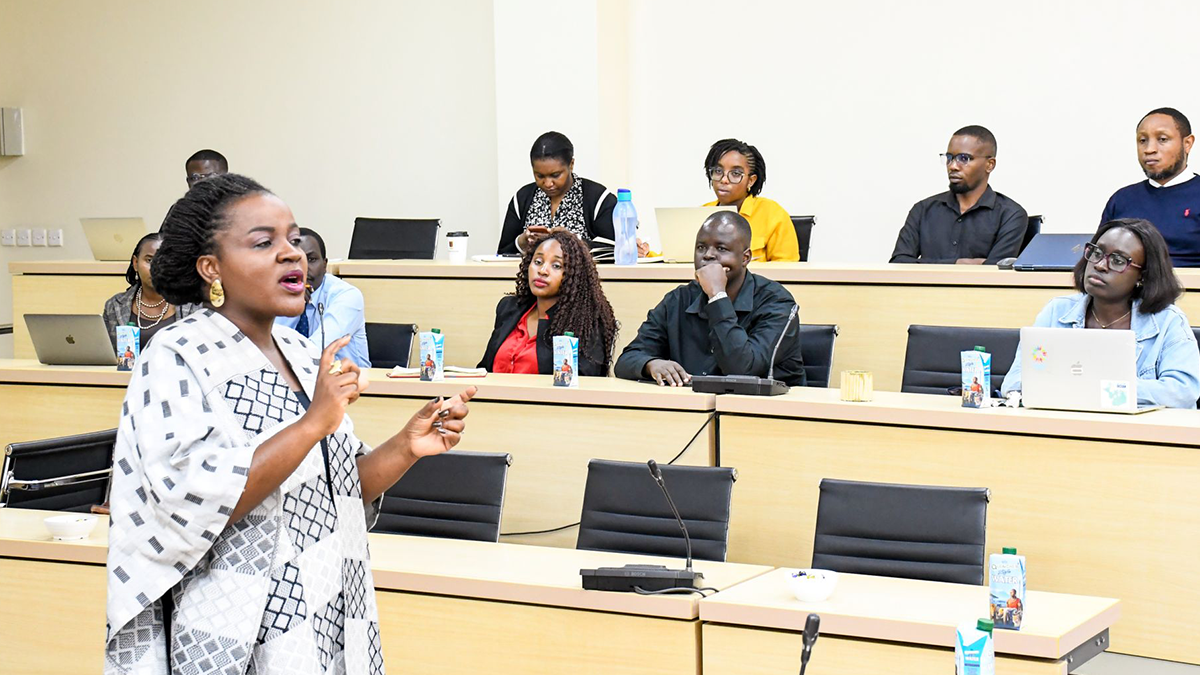
who were nominated through Oikocredit’s partner, KWFT. The program includes the following: A five-day intensive executive course in Nairobi; Six tailored on-site mentor coaching visits, Governance toolkits, digital transformation insights, and strategic planning models.
This combined approach aimed to enhance both the operational strength and relational cohesion of each enterprise, ensuring governance was not just documented but understood, embraced, and practiced by all generations involved. The programme specifically targeted family-owned agricultural SMEs in Kenya, with a focus on the following: How professionalise operations while retaining core family values; Digital tools for planning, recordkeeping, and marketing, Seeking long-term intergenerational continuity rather than short-term fixes, among others.
The businesses selected in partnership with KWFT ensured the representation from diverse geographies and backgrounds. Many of the 43 participating family members including 21 women—were from first- and second-generation leadership tiers, reflecting a growing appetite for inclusive decision-making and women’s leadership in succession planning. These participants were not just passive learners; they were active co-creators of solutions, engaging in difficult conversations about legacy, ownership, power-sharing, and the evolving identity of their family enterprises. Some started the course with deeply rooted internal resistance. Others lacked clarity about who would take over. But all left with tools, insights, and most importantly a shared language for the future.
Over the years, the Family Business Programme under SBS has been providing family-owned enterprises and businesses with the knowledge, tools, and structured support for sustainability. They also need to strengthen governance, navigate leadership transitions, and align family values with long-term business strategy. By combining academic insight with mentorship, peer learning, and practical frameworks, the programme has been able to empower families to professionalise their businesses, manage generational change effectively, and build sustainable enterprises that can thrive beyond the founder’s generation.
This article first appeared in the Business Daily under the same title ici.
Raymond Mutura is the Director and Academic Director
Centre for Research on Work & Family: Research & Consultancy
Philip Mumo is a Research Assistant at CROWF at Strathmore Business School. He is a young researcher passionate about Family Businesses and their impact on the economy
Partagez cette histoire, choisissez votre plateforme !
Votre voyage vers l'excellence commerciale commence ici. Abonnez-vous dès aujourd'hui et soyez à la pointe de l'innovation et du leadership.





 English (United States)
  English (UK)
  French