

Community-led water management and innovative solutions for resilience in Kenya’s drylands
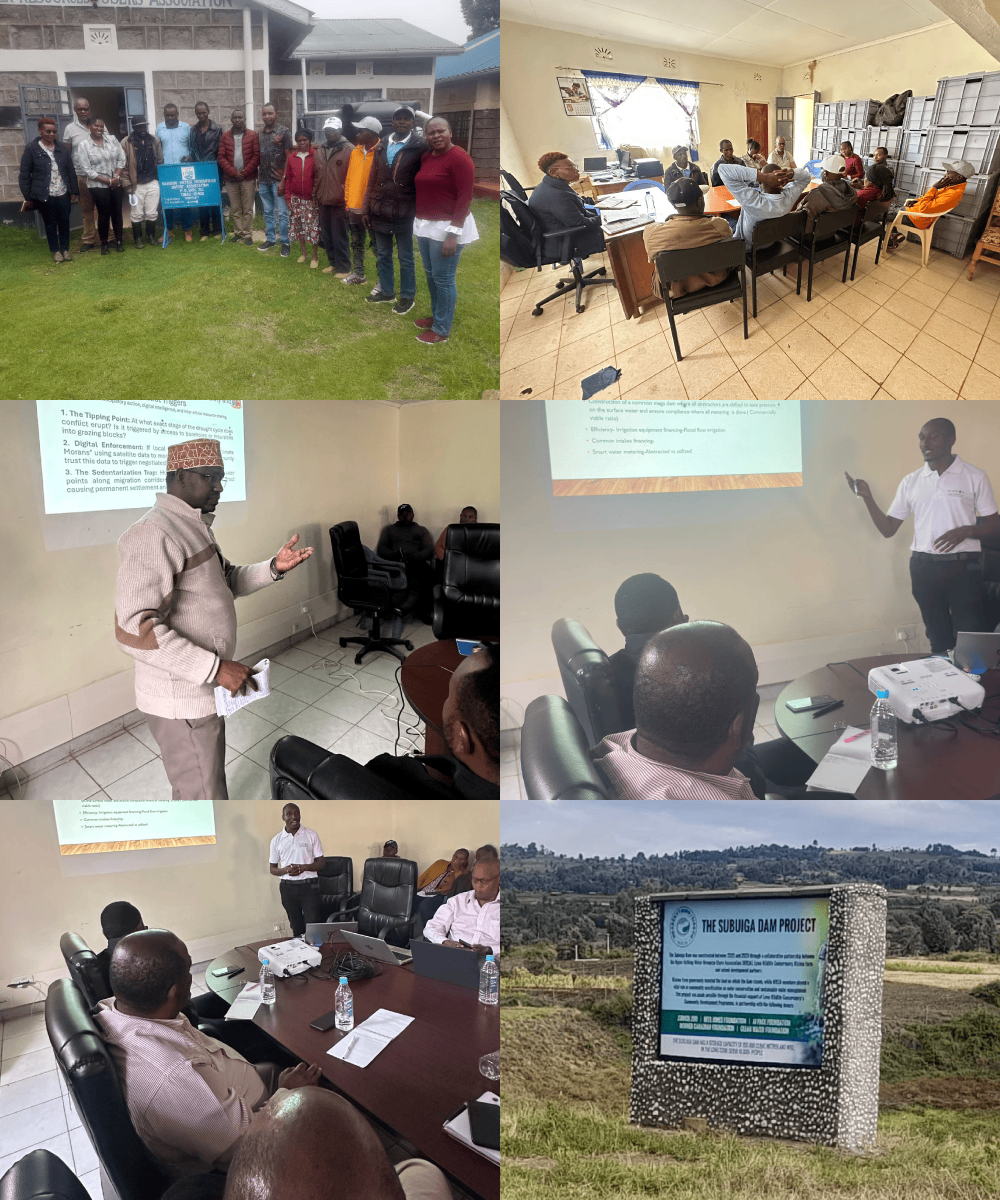
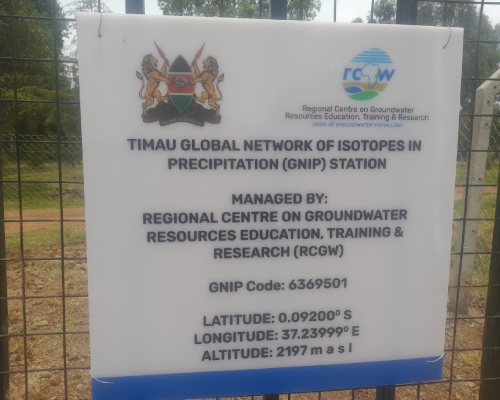
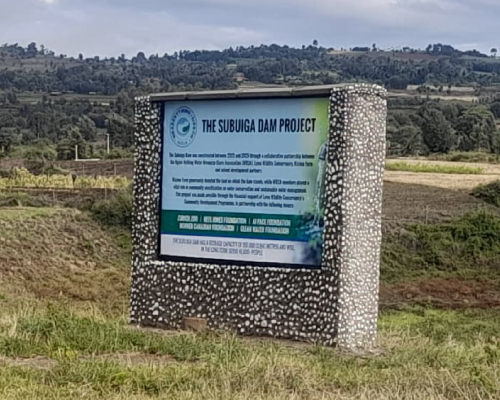
As part of the Water Scoping and Ideation Project under the Water Governance & Innovation Hub, SBS in collaboration with Embassy of the Kingdom of the Netherlands, the study team conducted a field visit to Ngusishi Water Resource Users Association (WRUA) in Nanyuki, followed by a stakeholder workshop at the Water Resources Authority (WRA). The visit, which included engagements in Ngusishi and surrounding landscapes within the Laikipia ecosystem, provided a unique opportunity to learn directly from communities managing water resources in one of Kenya’s water-stressed regions.
Understanding Community Water Governance
Ngusishi WRUA plays a critical role in coordinating water use among upstream, midstream, and downstream users across Meru and Laikipia counties. The association oversees approximately 20 community water projects, each serving between 100 and 200 members through domestic supply and small-scale irrigation systems. Since 2018, the WRUA has supported an estimated 10,900 beneficiary households, highlighting the scale and importance of community-led water governance.
One of the distinctive features of Ngusishi WRUA is its usage-based subscription model, where members pay according to the amount of water consumed. This model encourages responsible water use and provides the financial resources needed to maintain infrastructure such as pipelines, meters, and boreholes.
Community water scouts play an important role in monitoring water resources. They patrol rivers and infrastructure, read water meters, identify illegal connections, and monitor pollution risks. They also support environmental conservation by overseeing riverbank protection and advising farmers on sustainable land management practices. Despite these efforts, the WRUA faces persistent challenges, including vandalism and theft of water infrastructure, illegal water abstractions, and limited financial resources to sustain operations.
Workshop Reflections: Addressing Conflict and Resource Scarcity
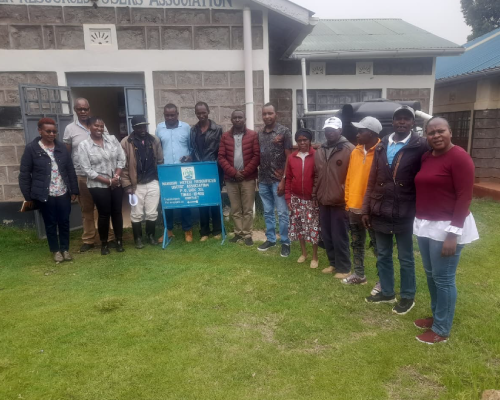
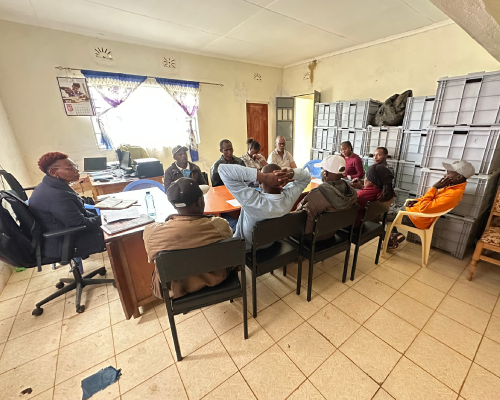
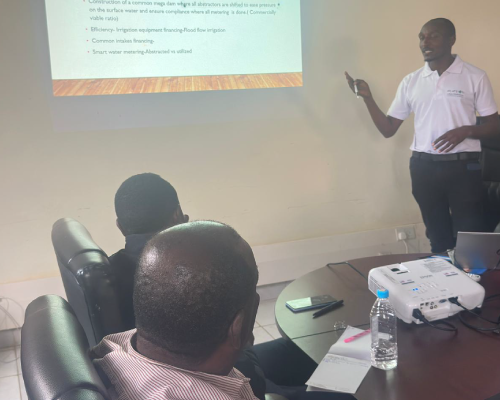
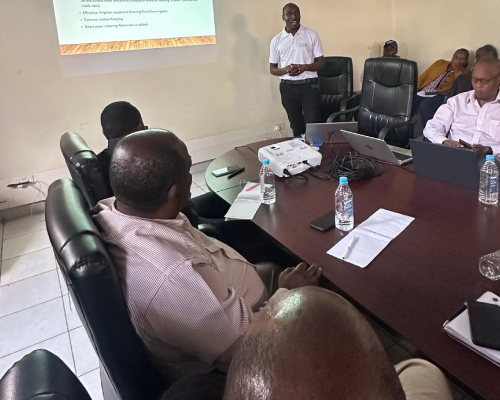
Following the field visit, stakeholders convened at the WRA offices in Nanyuki for a collaborative workshop to explore solutions to water scarcity, land degradation, and pastoral conflicts in the region.
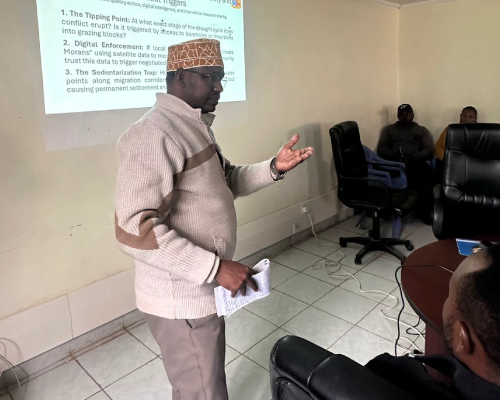
Participants identified water scarcity and pasture scarcity as key triggers of conflict among pastoralist communities. Prolonged droughts have left rangelands bare, increasing competition for resources and contributing to both poverty and environmental degradation.
To address these challenges, participants proposed interventions such as reseeding degraded rangelands, developing community-led grazing plans, and establishing feedlots to improve livestock productivity while reducing pressure on grazing lands. Diversifying livelihoods through alternative livestock species such as camels and goats was also suggested, alongside initiatives like hay banking to prepare communities for drought periods.
Participants emphasized the importance of early warning systems, including disease surveillance and timely livestock vaccinations, to protect pastoral livelihoods during drought cycles. Integrating digital intelligence tools with indigenous knowledge systems was also proposed as a way to track pasture and water availability more effectively.
Unlocking Bio-Enterprise Opportunities
The workshop also highlighted the potential for bio-enterprises to transform environmental challenges into economic opportunities. One example is the invasive cactus Opuntia stricta, which has spread across thousands of hectares of rangeland. Community groups are now exploring ways to convert the plant into valuable products such as animal feed, juice, jam, and wine.
Several community-led enterprises were showcased, including youth groups producing livestock feed from processed cactus, women’s groups managing seed banks for drought-resistant fodder, and initiatives such as mushroom farming using elephant dung and Black Soldier Fly projects that produce protein-rich animal feed.
Participants also highlighted the role of beekeeping, hibiscus farming, and tree nursery initiatives in diversifying incomes while restoring degraded landscapes. Strengthening women and youth participation through training, cooperatives, and revolving funds was identified as a critical component of these emerging enterprises.
Strengthening Catchment Governance
The third focus area of the workshop examined ways to strengthen catchment governance systems. Participants emphasized the importance of integrating traditional authority structures, such as councils of elders from the Meru, Maasai, and Kikuyu communities, into modern water governance frameworks.
Improving transparency in water management was also discussed. Proposed solutions included the use of smart meters at common water intake points, household water meters, and improved irrigation technologies such as drip systems to reduce water wastage.
In addition, citizen-led science initiatives, such as community water scouts supported by conservation organizations, were highlighted as a promising approach to collecting real-time data and improving decision-making in water management.
In conclusion, the field visit to Ngusishi WRUA and the subsequent workshop in Nanyuki provided valuable insights into the realities of water governance in Kenya’s dryland regions. While challenges such as climate variability, infrastructure vandalism, and resource conflicts remain significant, the discussions also revealed strong local leadership and innovative ideas emerging from communities themselves.
By combining community knowledge, institutional support, and innovative technologies, stakeholders can strengthen water governance systems while creating new economic opportunities that enhance resilience for pastoral and farming communities across the region.
Article by: Winnie Omamo
Partagez cette histoire, choisissez votre plateforme !
Votre voyage vers l'excellence commerciale commence ici. Abonnez-vous dès aujourd'hui et soyez à la pointe de l'innovation et du leadership.








 English (United States)
  English (UK)
  French