


Goat farming in Sub-Saharan Africa is not just an agricultural activity but a lifeline for many. In regions where food security is a pressing issue, goats provide a reliable source of nutrition, particularly protein, through their meat and milk. Goats are resilient animals well-suited to the varied climates of the region, and their droppings are a valuable source of organic manure, crucial for enhancing soil fertility and boosting agricultural productivity.
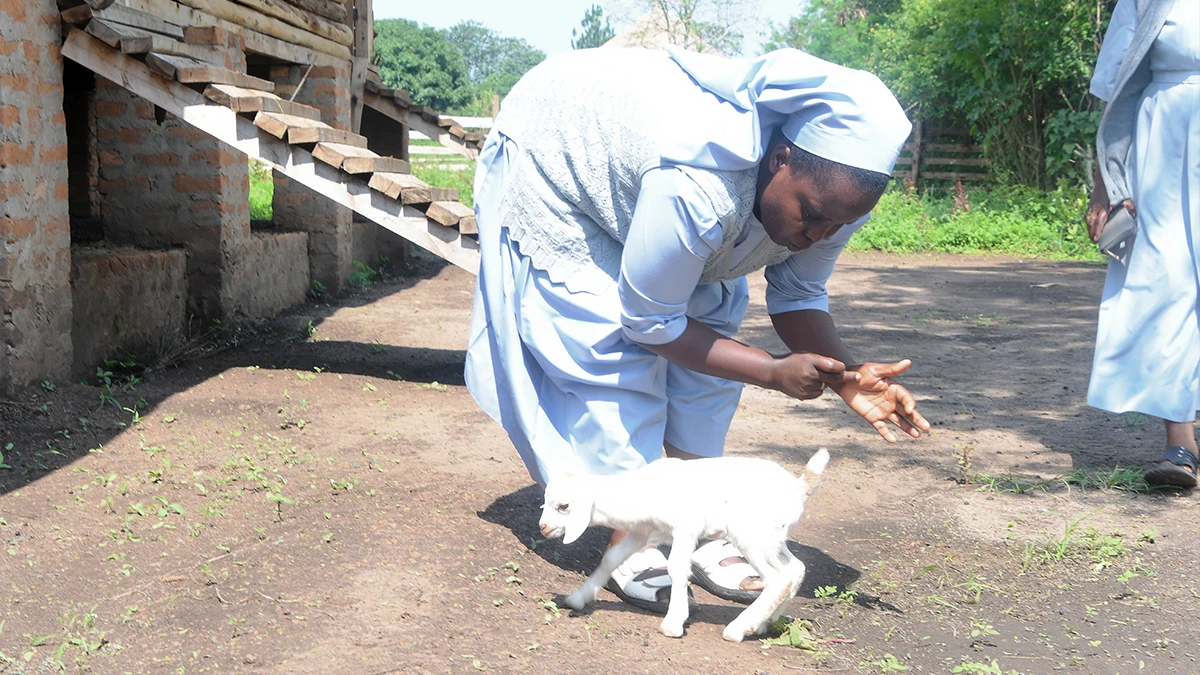
In Masindi district, located in the middle-western part of Uganda, the Sisters of Mary Mother of the Church have embarked on goat farming. Their venture, St. Joseph Organic Farm, represents a seemingly modest enterprise that holds significant meaning for both the sisters and the communities they serve. For the sisters, goat farming is not merely an economic endeavour but a means of uplifting the less fortunate by providing them with affordable livestock that can significantly enhance their standard of living. Through this initiative, the sisters offer more than just nutrition—they also contribute to the agricultural vitality of the community by distributing organic manure to local farmers, thereby helping to improve crop yields and foster sustainable development.
The Sisters’ decision to engage in goat farming naturally extends their congregation’s charism of embodying Mary’s nurturing spirit. They aim to care for all, particularly the marginalized, ensuring that even the poorest benefit from their compassion. “Wherever we go as Sisters of Mary, Mother of the Church, we are supposed to be mothers to all, just like Mother Mary. The social enterprise we engaged in relates to our charism by helping the less fortunate by selling them the goats at an affordable price to raise their living standards,” explains Sr. Mary Afra, one of the sisters leading the project.
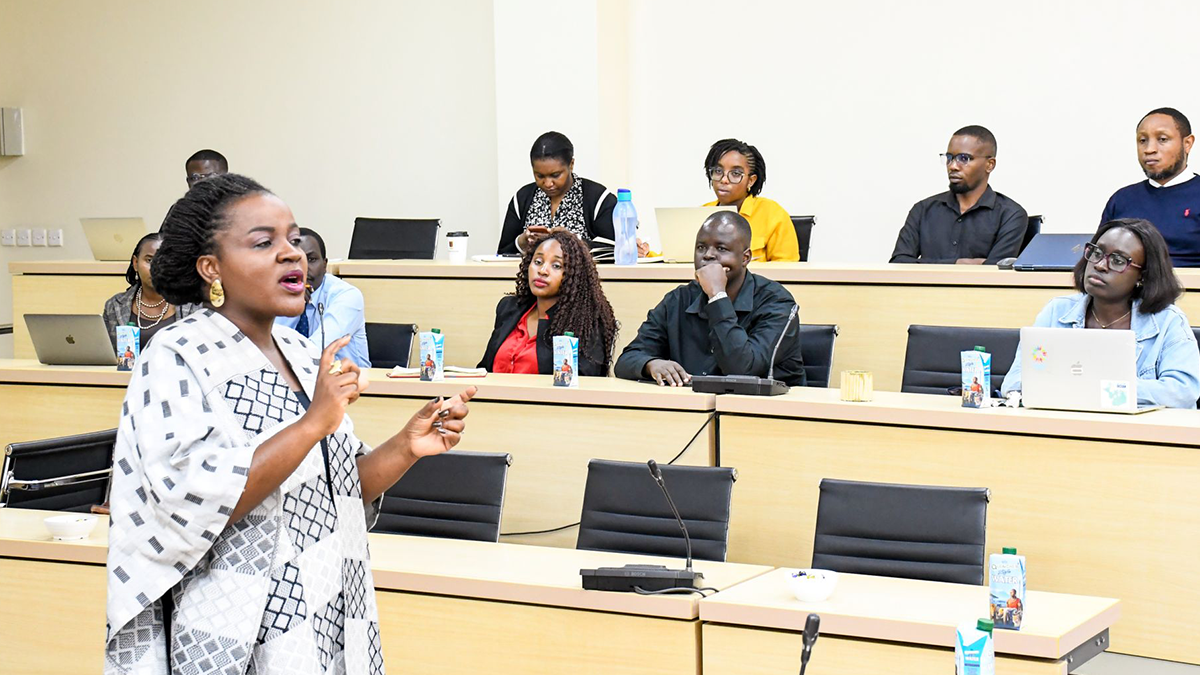
The Sisters’ venture into goat farming has been significantly enhanced by their participation in the Sisters Blended Value Project (SBVP) training with Strathmore University. This training equipped them with vital skills for managing a social enterprise and fostering harmonious community living. Reflecting on her experience, Sr. Mary notes, “From the SBVP, I learned how to manage a social enterprise and live with the community. If I go to another place, I will replicate the lessons learned there. I have also learnt how to collaborate with competitors. In this area, we have so many people doing the same enterprise like us, but we are doing better.”
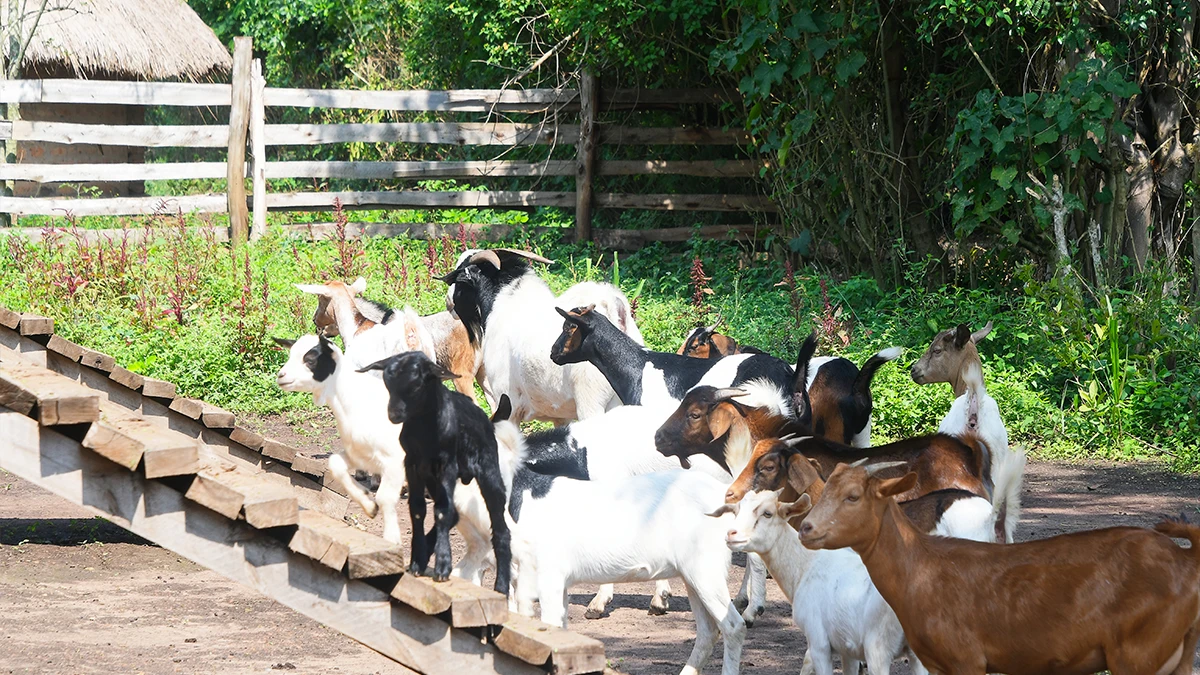
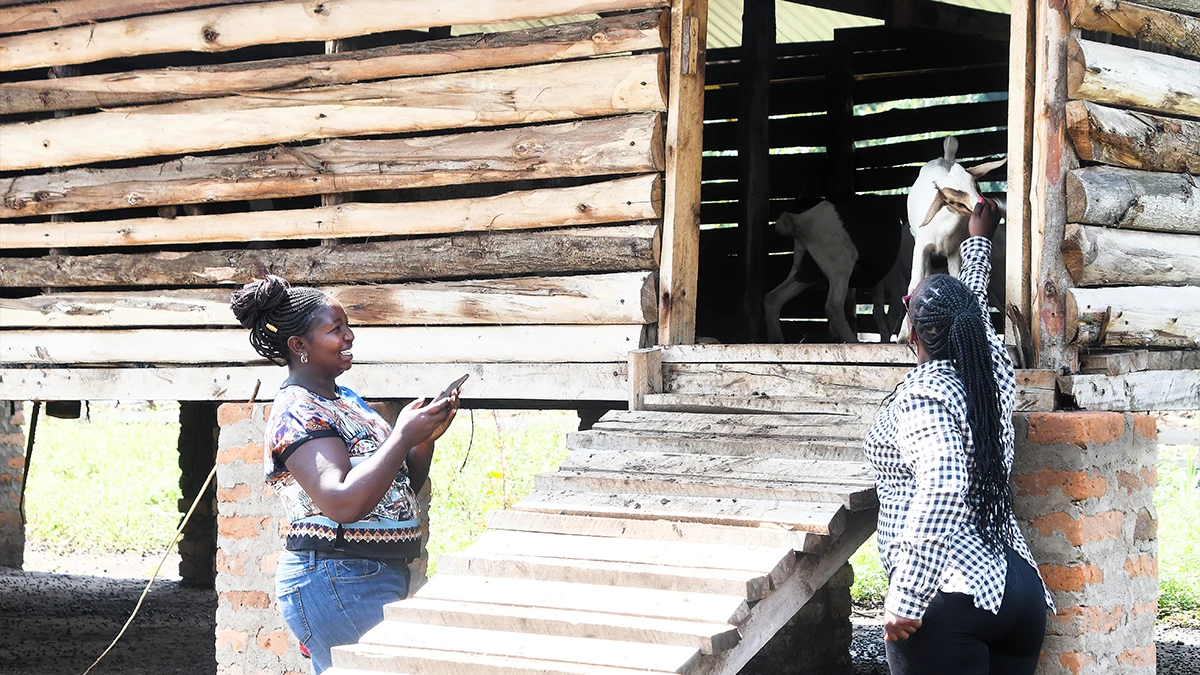
The Sisters’ goat farming project began modestly with just six goats. Initially, space constraints forced them to sell the goats early to avoid overpopulation. However, after receiving a seed grant, they were able to expand significantly. They constructed a new structure capable of housing up to 500 goats, allowing the Sisters to increase their herd to 25 goats, with a goal of reaching 200 within the next two years. They hope that as the project grows, the income generated will support their broader mission, including funding education for young sisters, supporting their apostolates, and enhancing the quality of life within their community.
Despite these advancements, the Sisters have faced challenges, particularly in training personnel. Some goats have died due to improper care, an issue Sr. Mary attributes to “inexperienced personnelonboard.” To address this, they plan to conduct training sessions for their workers to ensure better care and management of the goats.
Additionally, the sisters are committed to maintaining and strengthening their partnerships with the Association of Consecrated Women in Eastern and Central Africa (ACWECA) and Strathmore University. They view these collaborations as crucial for the sustainability of their various projects. They believe that the skills and knowledge gained through these partnerships extend beyond goat farming, benefiting other aspects of their work, including schools and hospitals.
Partagez cette histoire, choisissez votre plateforme !
Votre voyage vers l'excellence commerciale commence ici. Abonnez-vous dès aujourd'hui et soyez à la pointe de l'innovation et du leadership.

Fondation Conrad N. Hilton
La Fondation Conrad N. Hilton envisage un monde dans lequel l'amélioration de la condition humaine est un objectif commun et durable. “Aimez-vous les uns les autres, car c'est là toute la loi”, a écrit Conrad Hilton dans son testament. Les peuples du monde “méritent d'être aimés et encouragés - jamais d'être abandonnés à leur solitude dans la pauvreté et l'obscurité”. Telle est notre détermination.






 English (United States)
  English (UK)
  French