

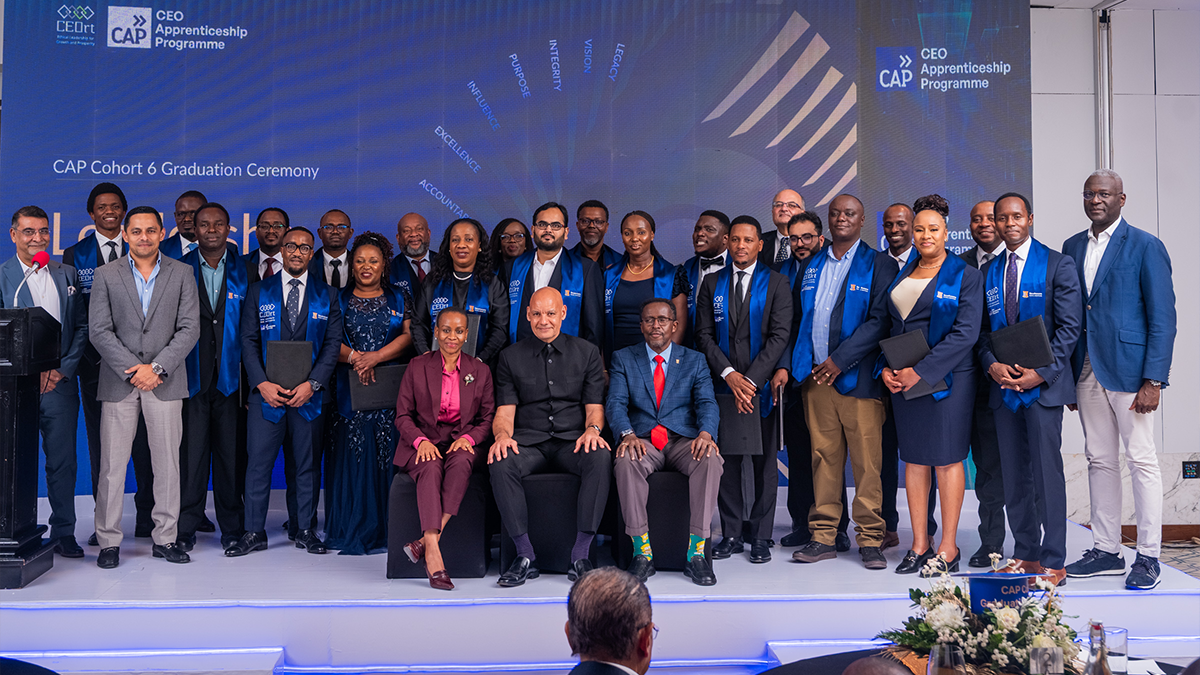
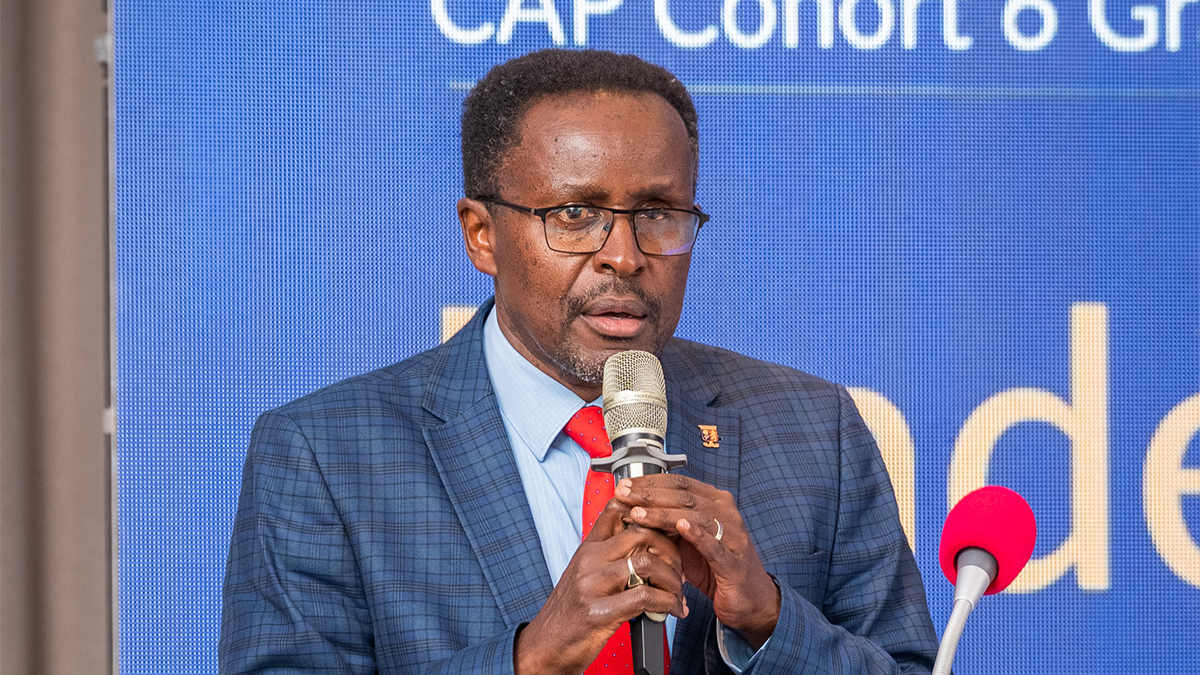
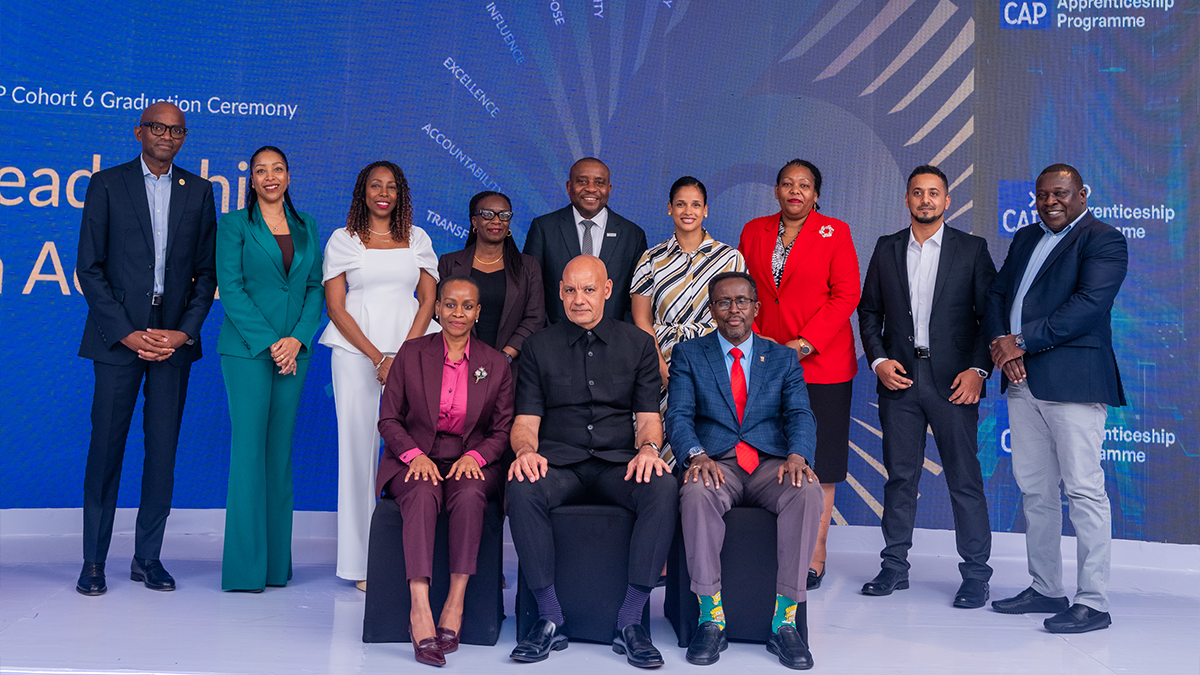
Why do some companies thrive while others collapse under the same market conditions? Why do some countries, despite a scarcity of natural resources, manage to build immense prosperity, while others, blessed with abundance, continue to struggle? If you ask John C. Maxwell, the world-renowned leadership expert, he will tell you that everything rises and falls on leadership. Alexander the Great put it more bluntly: he was not afraid of an army of lions led by a sheep, but of an army of sheep led by a lion. Leadership is what gives talent, resources and collective effort the direction, discipline and purpose needed to turn potential into meaningful results. This essay sets out, in four parts, why that matters for Africa, what leadership is not, what it actually is, and how it can be deliberately built.
1. Why Leadership Matters
This is Africa’s problem, and I would suggest it is our problem. Those of us who sit at the highest levels of societal privilege on this continent need to feel the burden of the collective suffering of our billion-plus brothers and sisters who continue to lack the opportunity for a dignified life. We are the captains of industry who can grow the businesses that employ one more young man, one more young woman; take care of one more family that can educate one more child; change one life that can change many more lives. That is our responsibility, our opportunity, and our purpose.
2. What Leadership Is Not
There are two distortions worth naming and rejecting. The first is reducing leadership to a critique of politicians — their unfulfilled promises, misused resources, and neglected responsibilities. Accountability matters, but this framing leaves little room to reflect on the call to leadership each of us has been given within our own sphere of influence. The second is allowing leadership to be captured by three dark forces: individualism, materialism, and hedonism. These forces obscure leadership into a pursuit of personal gain rather than a commitment to the greater good, diverting it from its noble truth — custodianship.
3. What Leadership Actually Is
Genuine leadership begins with self-introspection: honestly examining our strengths and weaknesses, confronting our shortcomings, and deliberately building our character. Alexandre Havard, in Virtuous Leadership: An Agenda for Personal Excellence, argues that leadership is not merely about character — leadership ischaracter. Robert K. Greenleaf, in his 1970 essay The Servant as Leader, made a related claim: that great leadership begins with the desire to serve first. Scholars including Larry Spears and Kathleen Patterson later built on this, connecting personal virtue and self-mastery with service to others. True leadership, then, is not defined by titles, positions, or power over others, but by character, self-mastery, and the willingness to use one’s influence in the service of others. Seen this way, leadership is custodianship: a profound privilege accompanied by a profound responsibility to those who come after us. A leader does not own the position, the institution, or the resources entrusted to them; they are temporary custodians whose success is measured by what they build, whom they empower, and the impact they leave behind. The conversation must therefore move beyond who holds power to how that power is exercised, and beyond what leaders take from society to what they leave behind. None of this is a formula to be learned and applied. It is an inner journey of habitual practice, shaped by responsibility, values, experience, and the willingness to act for something greater than oneself. In everyday life, this is reflected simply in how we treat people — with dignity, empathy, fairness, and respect — while inspiring them to embrace a bold, shared vision.
4. How Leadership Is Built: Four Competencies
Authentic executive education should sharpen four critical competencies.
Self-awareness. Knowing who you are, what you value, and the unhealthy blind spots and egocentric tendencies that can derail your leadership journey — cultivated through regular self-reflection and learning.
Ingenuity. The ease to explore new ideas, approaches, and opportunities, and to meet the endless challenges of a rapidly changing world, while remaining anchored to a framework of non-negotiable principles and values.
Love. A word rarely used in the corridors of business, but one that captures the bundle of winning attitudes that make the difference in extracting meaning and fulfilment from a life of leadership. It means facing the world with a confident, healthy sense of self as a person endowed with talent, dignity, and the potential to lead and, on discovering those same attributes in others, committing to honour and unlock their potential. It means building environments energised by loyalty, affection, and mutual support, where more great leaders are formed. People driven by love for those they lead will sense that commitment, and give their best in return.
Heroism. The capacity to imagine an inspiring future and strive to shape it, rather than passively watch it happen. Heroes extract gold from the opportunities at hand, rather than wait for golden opportunities to be handed to them and this inevitably elicits motivated, committed performance from individuals and teams.
The Charge: Let us go forth and create the legacies that await each of us. Tanzania needs us. Africa needs us. The people await us.
Partagez cette histoire, choisissez votre plateforme !
Votre voyage vers l'excellence commerciale commence ici. Abonnez-vous dès aujourd'hui et soyez à la pointe de l'innovation et du leadership.








 English (United States)
  English (UK)
  French