

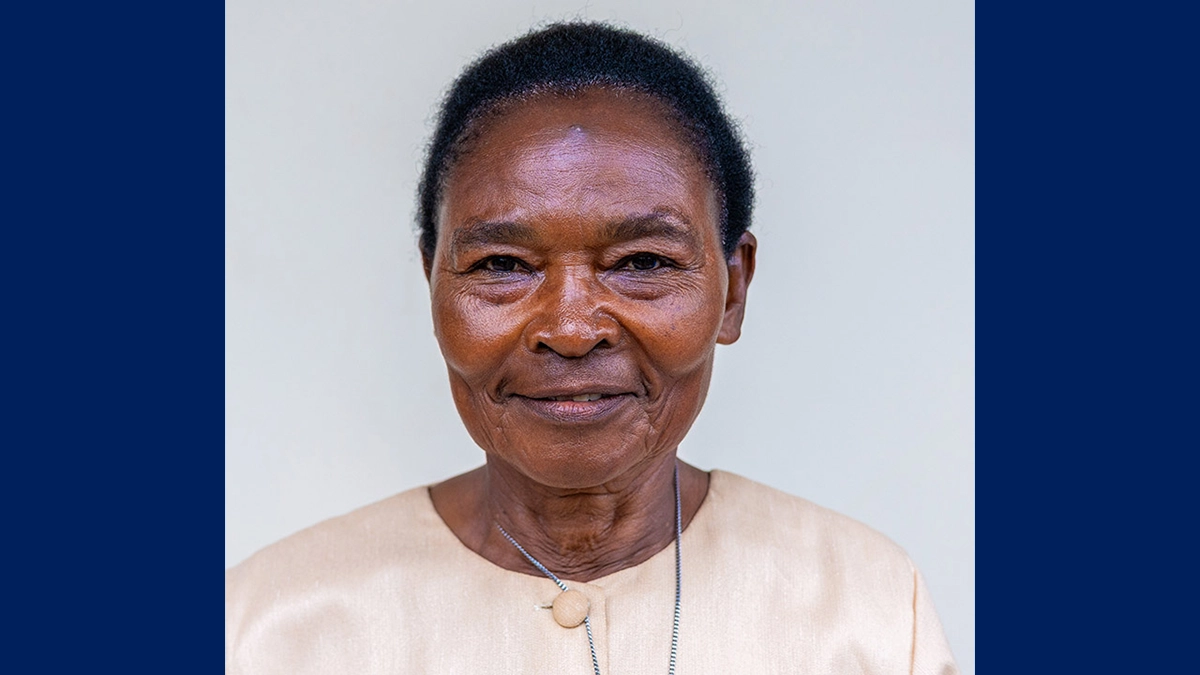
My name is Sister Florence Tumukunde, RSCJ, a member of the Society of the Sacred Heart of Jesus. Our charism calls us to discover, live in union with, and radiate the infinite, tender, and merciful love of the Heart of Jesus. We live this mission through a life of prayer and active service, particularly through education and the transformation of the communities we serve.
Participating in the Sisters Blending Value Project (SBVP) has been a transformative experience. The training equipped me with practical knowledge and skills in marketing, financial management, research, planning, leadership, entrepreneurship, and social enterprise development.
More importantly, I learned to view our initiatives not only as activities that serve our communities but also as enterprises that can be managed strategically to create lasting social and financial value.
Turning Knowledge into Action
One of the greatest lessons I gained from the programme was how to identify, manage, and overcome the challenges that arise when running a social enterprise. I also came to appreciate the importance of collaboration, community engagement, sound planning, and responsible financial management in building enterprises that can thrive over time.
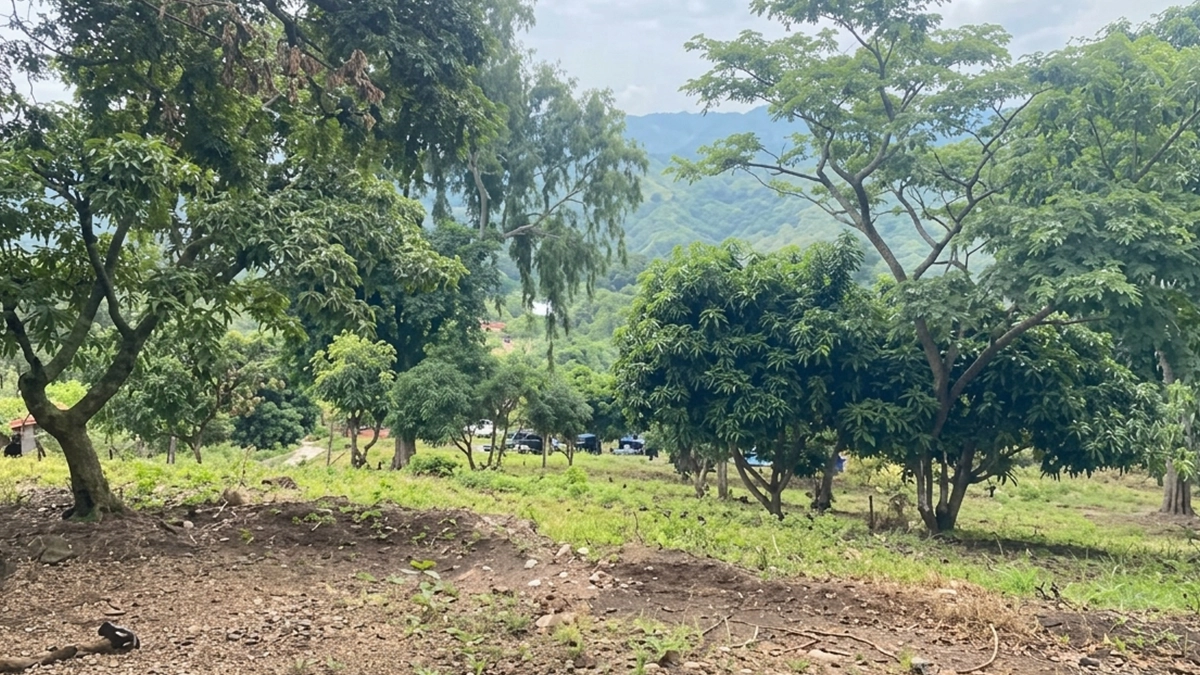
Inspired by these lessons, I strengthened the operations of the Sacred Heart Mixed Farm, transforming it into a more integrated and sustainable agricultural enterprise.
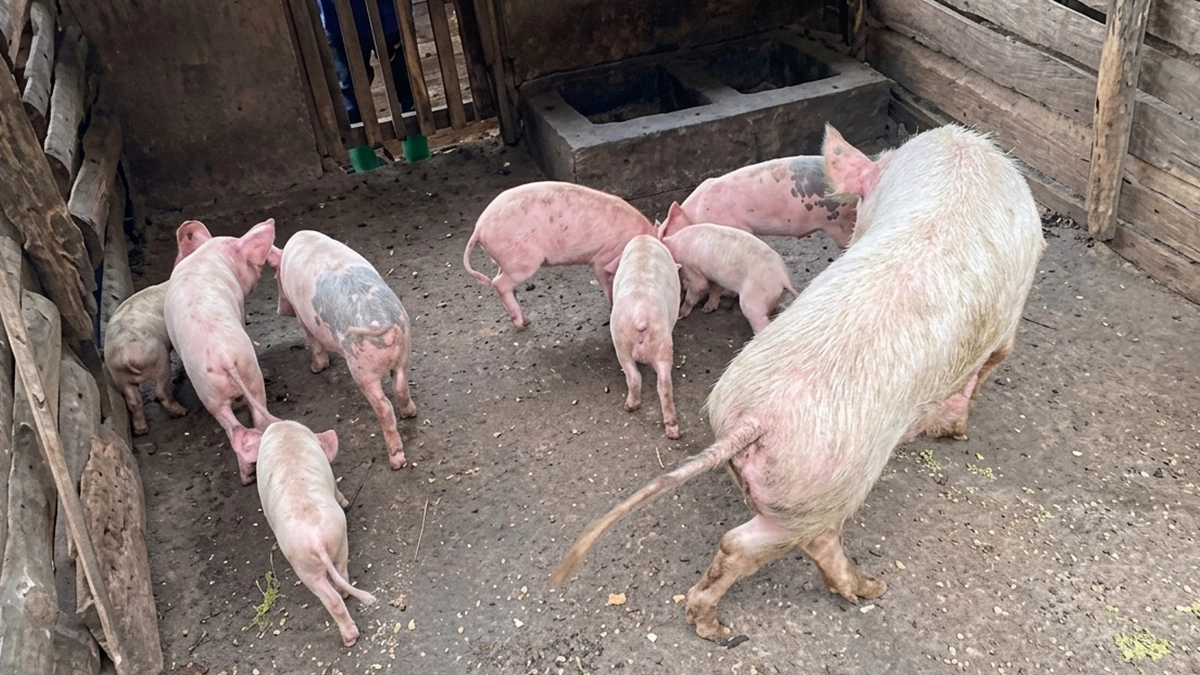
Today, the farm has 50 pigs, 7 goats, 80 avocado trees, 60 mango trees, and a variety of green vegetables. Each component contributes to the success of the whole farm, creating a system in which resources are reused, and different farming activities support one another.
A Farm Where Everything Has Value
Our mixed-farming model demonstrates the power of integration.
The pigs provide nutrient-rich organic manure, which improves soil fertility and supports the healthy growth of our fruit trees and vegetables. The improved soil, in turn, helps our avocado and mango trees produce healthy, high-quality fruits while supporting productive vegetable gardens.
This approach reduces waste, improves the use of available resources, and promotes environmentally responsible farming.
The farm, therefore, does more than produce food. It creates a cycle of value in which livestock, crops, people, and the environment all benefit.
Creating Food Security and Income
The impact of the farm can be seen both in the food it provides and in the income it generates.
We earn revenue from the sale of pork, avocados, mangoes, and vegetables at different times of the year. This diversity of products helps create a more reliable and continuous source of income rather than depending on a single enterprise or harvest.
At the same time, the farm contributes significantly to our household food security. We have access to a consistent supply of nutritious meat, fruits, and vegetables, reducing our dependence on external food sources.
For me, this is an important lesson in social enterprise: an enterprise can generate income while simultaneously meeting real community needs.
Sustainability Rooted in Faith
My experience has shown me that successful mixed farming requires more than hard work. It requires planning, good management, continuous learning, environmental responsibility, and the willingness to adapt.
These lessons have also deepened my understanding of our mission as religious women. Caring for people and caring for creation are not separate responsibilities. Through sustainable agriculture, we can contribute to food security, protect natural resources, create economic value, and strengthen the communities we serve.
Gratitude for a Transformative Journey
I am deeply grateful to the Sisters Blended Value Project (SBVP) for this invaluable opportunity. My sincere appreciation goes to the lecturers from Strathmore University, the SBVP Project team, our dedicated coaches, the Association of Consecrated Women in Eastern and Central Africa (ACWECA), and the Conrad N. Hilton Foundation for their generous support.
Their guidance, mentorship, and encouragement have strengthened my capacity as a religious sister and social entrepreneur. The knowledge and skills I gained have given me greater confidence to manage our initiatives, identify opportunities, overcome challenges, and create sustainable solutions for our community.
This journey has reminded me that transformation often begins with a simple idea, nurtured through knowledge, faith, collaboration, and determination.
Today, looking at the Sacred Heart Mixed Farm, I see more than pigs, goats, trees, and vegetables. I see an opportunity to serve, a source of nourishment, a growing enterprise, and a practical expression of our commitment to caring for people and creation.
By Alex Odhiambo & Sr. Florence Tumukunde, RSCJ, Society of the Sacred Heart of Jesus
Partagez cette histoire, choisissez votre plateforme !
Votre voyage vers l'excellence commerciale commence ici. Abonnez-vous dès aujourd'hui et soyez à la pointe de l'innovation et du leadership.
Fondation Conrad N. Hilton
La Fondation Conrad N. Hilton envisage un monde dans lequel l'amélioration de la condition humaine est un objectif commun et durable. “Aimez-vous les uns les autres, car c'est là toute la loi”, a écrit Conrad Hilton dans son testament. Les peuples du monde “méritent d'être aimés et encouragés - jamais d'être abandonnés à leur solitude dans la pauvreté et l'obscurité”. Telle est notre détermination.







 English (United States)
 English (UK)
 French