


At what point does a lithium-ion battery reach the end of its useful life?
When an electric vehicle battery can no longer meet the demands of the vehicle, it is easy to think of it as waste. But what if it could be repaired, refurbished or remanufactured? What if its remaining capacity could support a solar energy system, an energy hub or another less demanding application?
The answer depends on one critical question: what is the actual condition of the battery?
Understanding this requires more than knowing a battery’s age or whether it still holds a charge. It requires appropriate testing, diagnosis and safety assessment, supported by people with the skills to interpret what the battery is telling us.
This is the foundation of battery circularity: keeping batteries, their components and the value embedded in them in productive use for as long as possible, before recycling becomes the appropriate pathway.
Why battery circularity matters
Lithium-ion batteries already power much of modern life, from smartphones and laptops to electric motorcycles, buses and cars. At the same time, batteries are becoming increasingly important to renewable energy systems, particularly as solar and other variable renewable energy sources create greater demand for energy storage.
As Kenya’s electric mobility and renewable energy sectors grow, so will the number of batteries eventually reaching the end of their first application.
But reaching the end of a battery’s first life does not necessarily mean reaching the end of its useful life.
Some batteries may be repairable. Others may be suitable for refurbishment or remanufacturing, while those with sufficient remaining performance could potentially be repurposed for second-life applications. Only after these possibilities have been assessed should recycling become the next step.
Realising this potential requires more than technology. It requires skills, testing capacity, safety practices, standards, infrastructure and viable businesses.
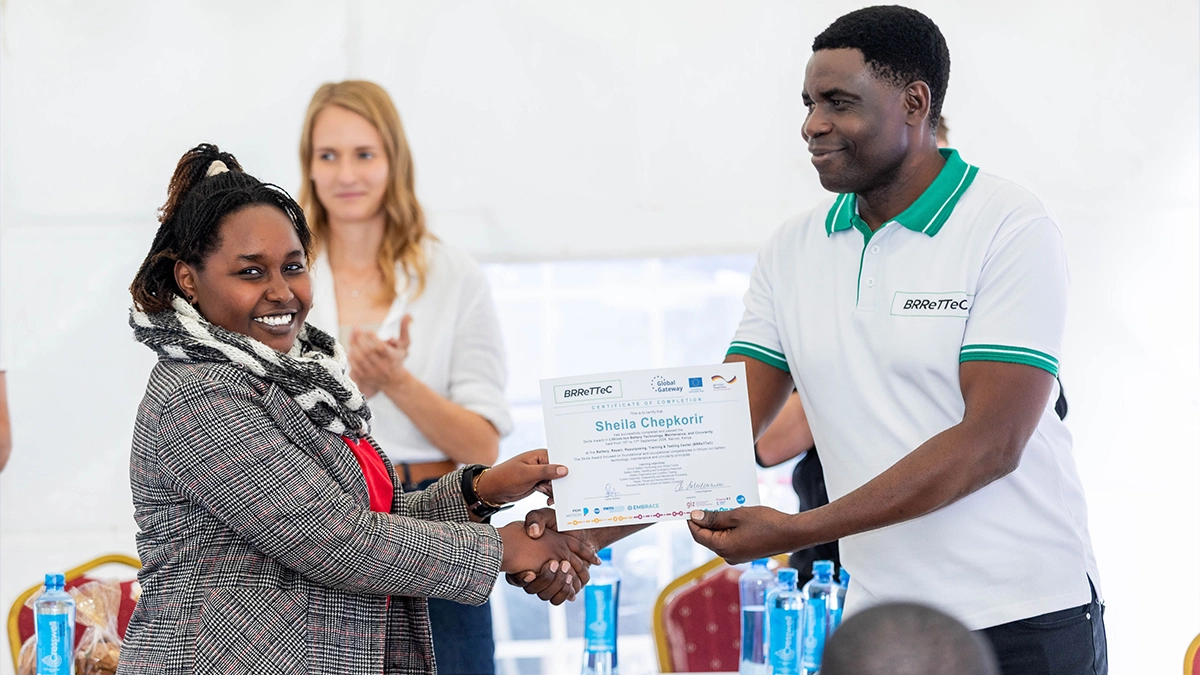
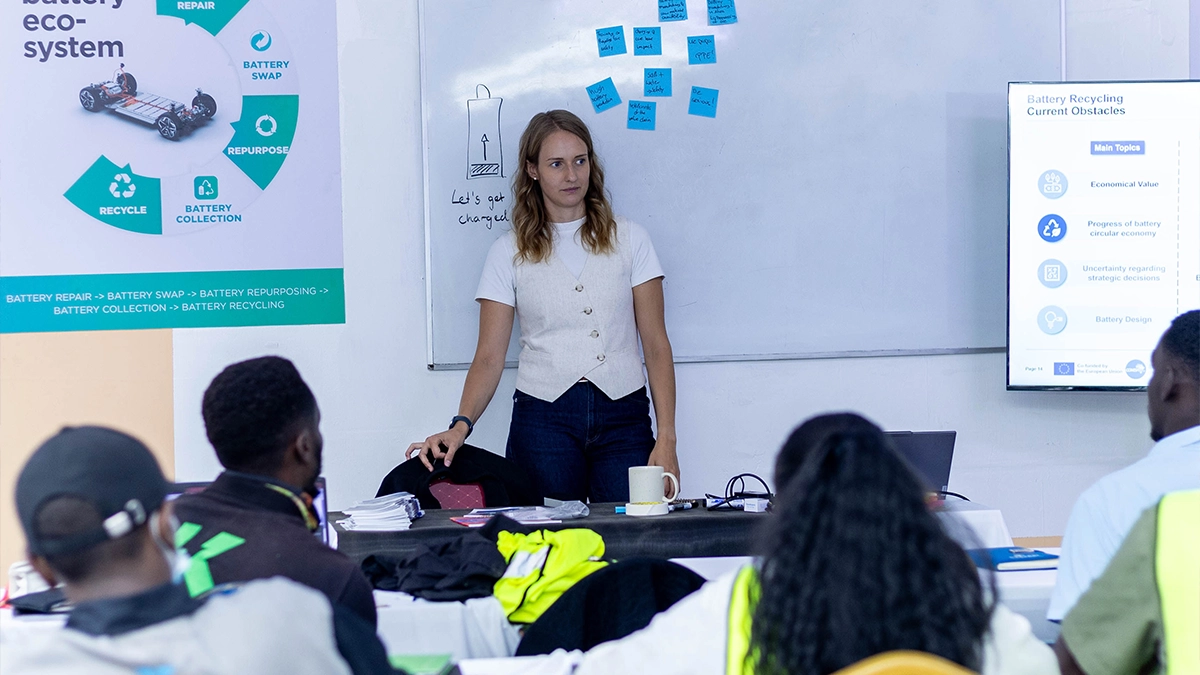
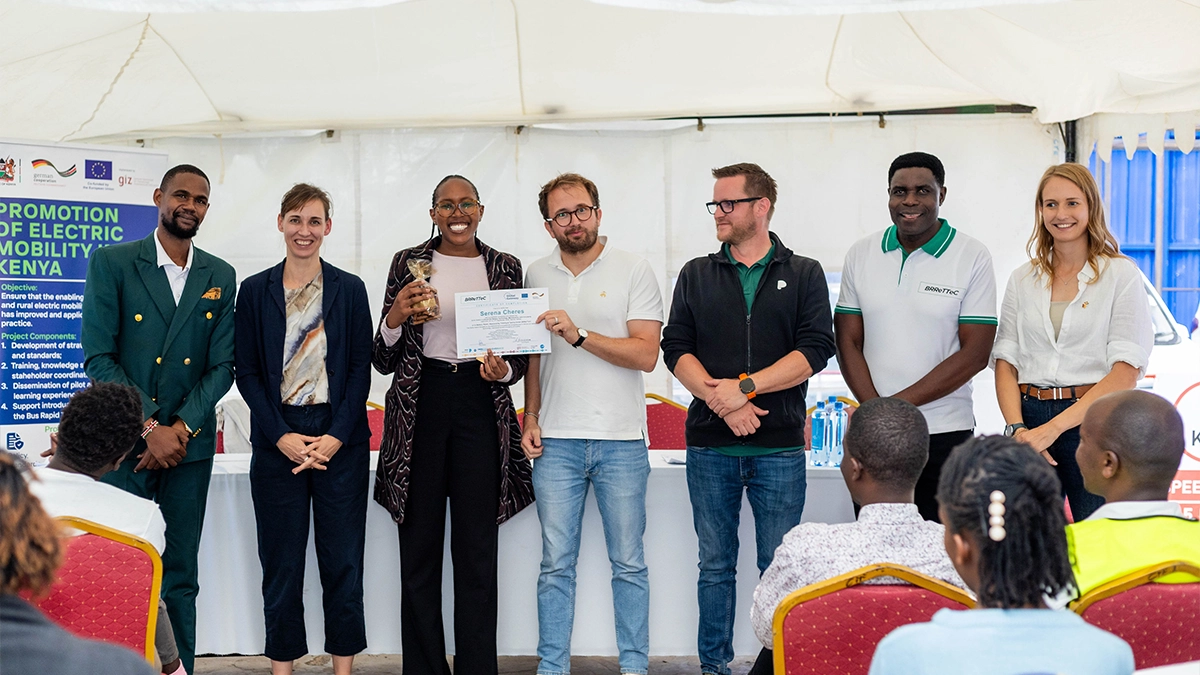
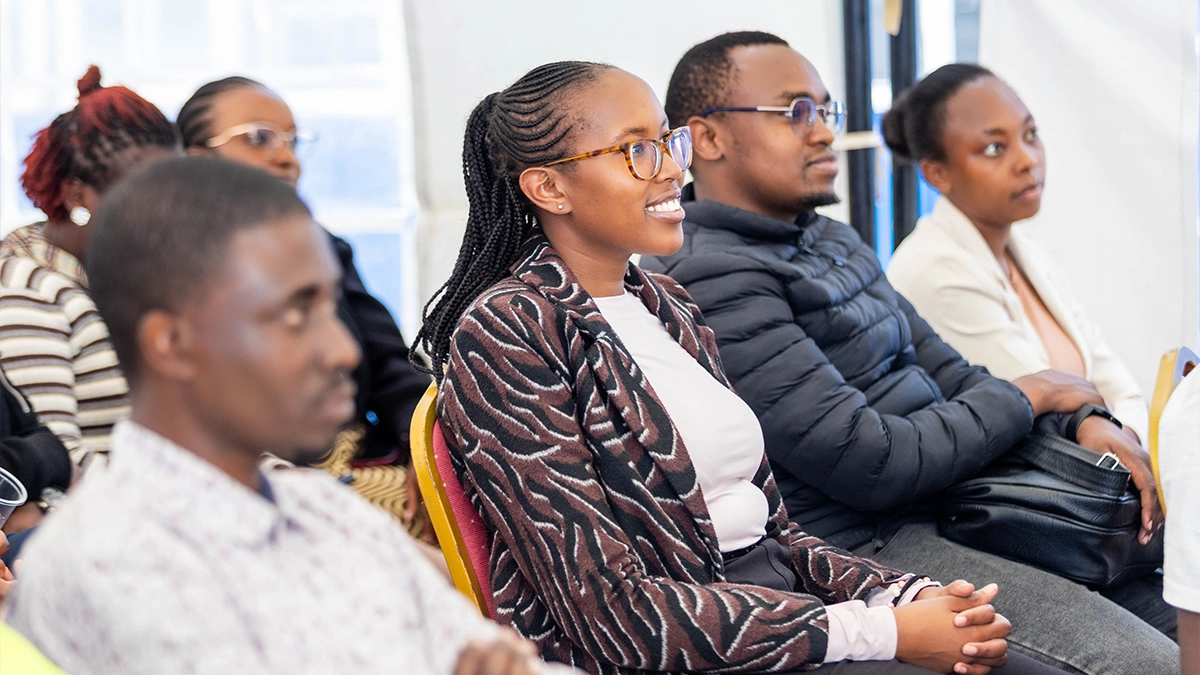
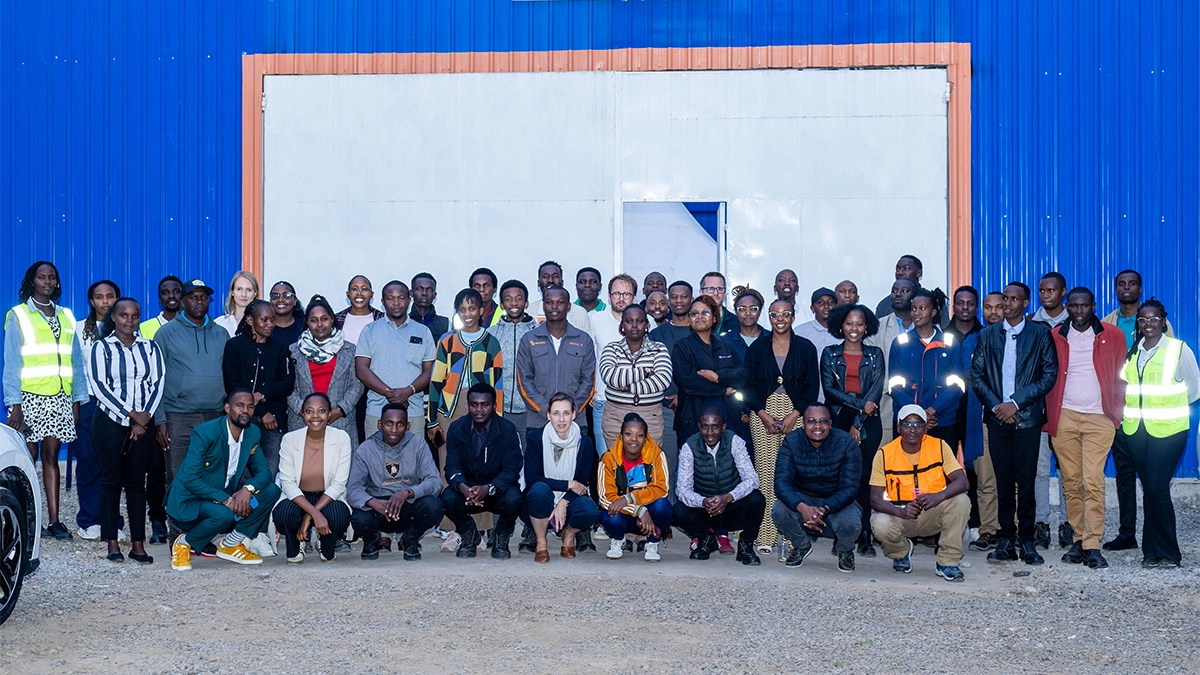
It was against this backdrop that two members of our team, Serena Cheres et Sheila Chepkorir participated in the Battery Circularity Training in Kenya, held from 15–17 September 2026. The three-day programme, developed by the GIZ Global Programme Go Circular and the EU co-financed programme SWITCH to Circular Economy in Eastern and Southern Africa, in cooperation with PEM Motion. brought together participants from different parts of the emerging battery ecosystem, including energy researchers, e-mobility specialists, TVET trainers and battery recyclers. The programme combined theoretical learning with practical exercises, assessment and industry exposure. The training involved 39 participants with representation from 23 organisations.
Building the skills behind the battery economy
For a higher-education and research institution, participation in such training goes beyond professional development.
The electric mobility transition is creating demand for engineers, technicians, researchers and entrepreneurs who can work across the battery value chain. These professionals need to understand not only how batteries work, but also how to safely diagnose, test, repair, repurpose and eventually manage them at their end of life.
This is particularly relevant to our work at Strathmore University, through the (Circular Economy Powered Renewable Energy Centre (CEPREC) et School of Computing and Engineering Sciences (SCES) on second-life applications for electric vehicle batteries. Before a battery can be given another application, its condition has to be established and matched against the requirements of its proposed use.
At SCES and CEPREC, battery technology is both a research focus and an area where students are actively encouraged to take on projects. In recent years, the School has been working towards a pipeline that carries students from undergraduate coursework through to PhD-level battery research, with the goal of producing not just theses but real, deployable outcomes such as repurposing ventures, funded field projects and industry-shaped curricula.
The vision is for battery projects at each level to be deliberately aligned rather than isolated. A PhD’s research objectives would be broken into sub-objectives; a Masters student would take one of these and break it down further; and an undergraduate student would take one of the Masters sub-objectives as their own project. Over time, the aim is to see more students choosing battery projects in the first place, undergraduates continuing into Masters and PhD research, integrated design projects that draw students towards battery topics, and field visits to industry players that keep the work grounded in real practice.
CEPREC adds a further dimension to this work. Backed by UKRI’s Ayrton Fund, the consortium spans 11 institutions across the UK and sub-Saharan Africa, exploring how circular economy principles can support cleaner, more resilient and more affordable energy systems. At Strathmore, CEPREC’s work package on second-life electric vehicle battery applications examines how retired EV batteries can be assessed, reconfigured and safely redeployed in less demanding uses such as solar energy storage and energy hubs. Training of this kind feeds directly into that research, strengthening the testing, diagnostic and safety skills on which every second-life decision depends.
The training therefore strengthened practical knowledge that complements ongoing research, teaching and industry engagement within the university.
Day One: Battery fundamentals
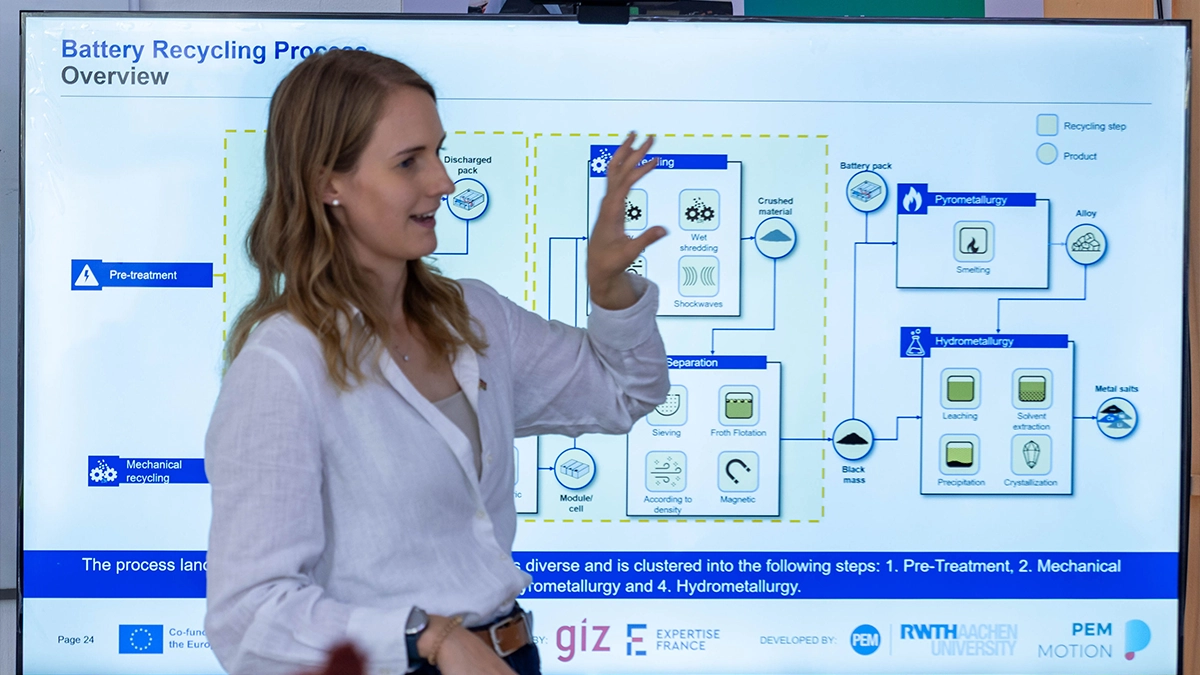
The training began with the fundamentals of lithium-ion batteries, covering chemistries, cell formats, pack architecture, and the different requirements of mobility and stationary applications. We were also introduced to the battery value chain, from production and use through second life and recycling, including the circularity decision process.
Battery assessment begins with safety. We examined the electrical, thermal and chemical hazards batteries pose, and how to handle and maintain them safely. Live demonstrations, including nail penetration and overheating tests, showed how a battery behaves during thermal runaway and how to respond.
The day concluded with a circular economy game that walked us through the entire value chain works and how each stage connects, from pack manufacturing to recycling.
Day Two: Diagnosing what remains
The second day focused on diagnosis and testing.
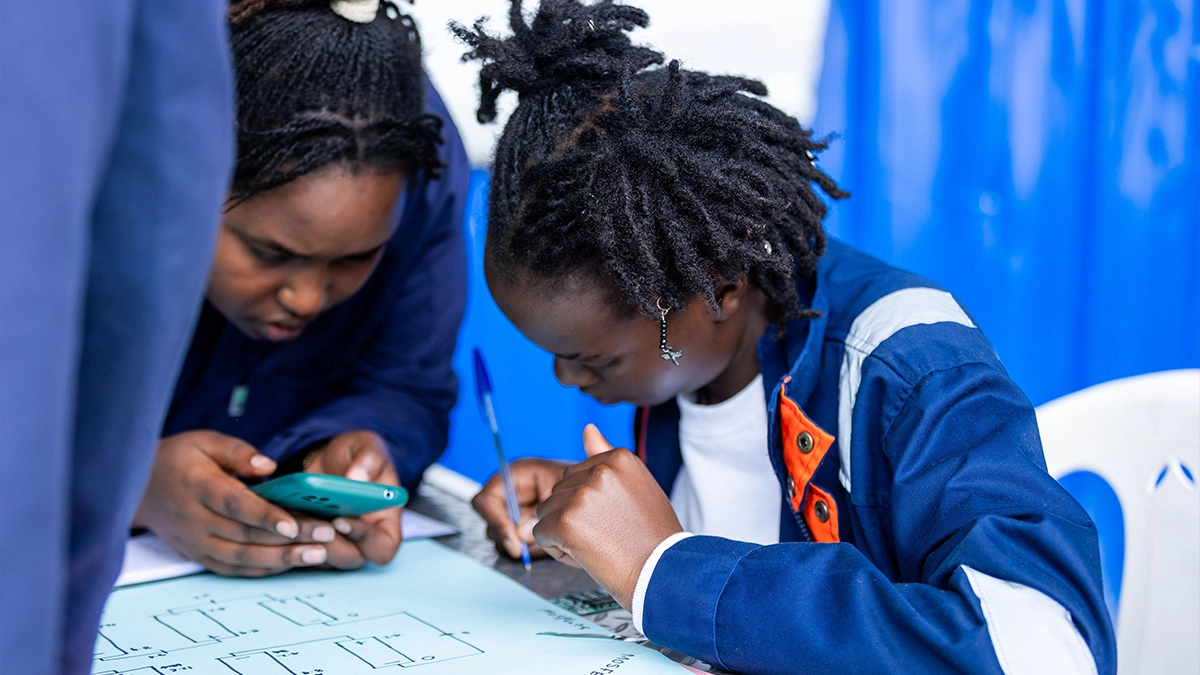
We explored capacity testing, insulation resistance and state-of-health assessment before working through a complete diagnosis workflow for battery packs and modules. This combined visual inspection, electrical measurements, insulation testing and the interpretation of results to judge the battery’s overall condition.
The Battery Management System (BMS) was another key component. We were introduced to BMS architecture, data reading and programming, strengthening our understanding of how individual cells, electronic controls and the wider battery pack work together.
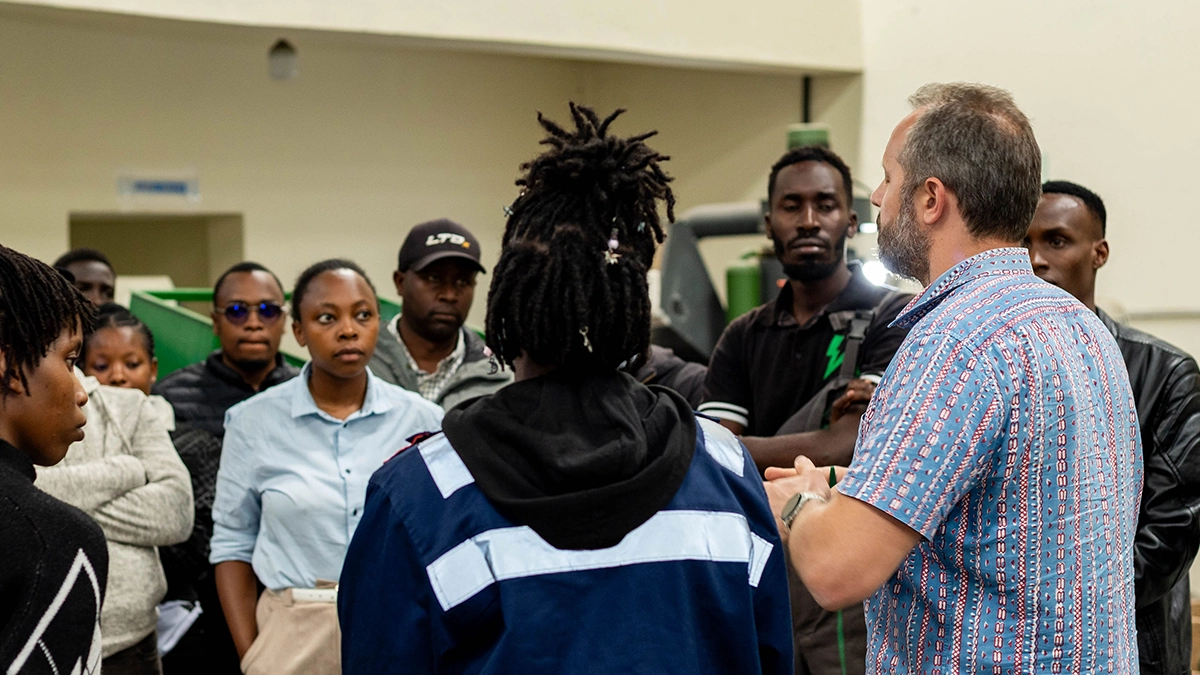
The day also extended beyond the classroom through a company site visit to Enviroserve, where par observed four-wheeler battery diagnosis, testing and repair, alongside discussions on second-life applications, BMS programming and safety.
This reinforced an important lesson: testing is not simply about collecting measurements. It is about using evidence to determine what a battery can safely do next.
Day Three: From disassembly to another pathway
The final day brought the circularity concept into hands-on practice.
We worked through battery disassembly, focusing on the correct sequence, insulated tools and associated hazards. Battery packs were taken down to module level, with components classified as reusable, repairable or non-recoverable.
We then moved into repair and remanufacturing, including cell contacting, module replacement and reassembly.
This practical experience demonstrated that extending battery life is not simply about finding another place to use an old battery. It can involve careful diagnosis, component-level intervention and decisions based on the condition of individual cells, modules and the complete battery system.
The programme concluded with a written assessment, a fireside chat moderated by Sheila and a networking session with trainers, industry representatives and fellow participants.
Test first, recycle last
Across the three days, one principle stood out:
Test first, recycle last.
A battery should not be written off simply because it has left its first application. Its next pathway should be determined by evidence.
A battery that no longer meets the power, weight or performance requirements of an electric vehicle may still have useful characteristics for a stationary application. But that possibility cannot simply be assumed. It must be demonstrated through appropriate testing and safety assessment.
This is where second-life research becomes particularly important, both for the battery projects students take on at SCES and for CEPREC’s work on how electric vehicle batteries can be assessed and used in new applications. The objective is not simply to find another use for retired batteries, but to understand the technical, safety and economic conditions under which those applications can work.
Building more than batteries
The training also reinforced that battery circularity is not only a technology challenge. It is a skills challenge, an infrastructure challenge, a standards challenge and a business challenge.
Repair, refurbishment, remanufacturing and second-life deployment require appropriate equipment, trained personnel, safe working environments and reliable methods for assessing battery condition. As the sector develops, there will also be a need for recognised pathways through which technicians and engineers can demonstrate competence in working with increasingly complex battery systems.
This creates an important role for universities. Higher-education institutions can connect teaching, research and industry practice, giving students exposure to emerging technologies while allowing researchers to engage with real-world challenges. Training opportunities such as this also help build the practical capabilities needed to support Kenya’s developing battery and e-mobility ecosystem.
What comes next?
The training strengthened our understanding of what happens when a battery reaches the end of its first application and, more importantly, what needs to happen before we decide that its value has ended.
A battery’s next life begins with knowing its condition. That means building the capacity to test it safely, interpret the results, determine where it can create value and recognise when recycling is the appropriate pathway.
For Kenya’s emerging electric mobility and energy storage ecosystem, developing this capacity now will be critical. The batteries powering today’s transition will eventually need somewhere to go.
Our role, as a research and higher-education institution, is not only to study that future but to help build the knowledge, skills and partnerships needed to manage it.
The batteries are coming. The question is what we build around them.
Acknowledgements
We extend our appreciation to the organisers and trainers, particularly the GIZ team and PEM Motion whose technical expertise and practical approach made the training possible, as well as the industry partners and fellow participants who contributed to the learning experience.
We are also grateful to the School of Computing and Engineering Sciences (SCES) and Circular Economy Powered Renewable Energy Centre (CEPREC) – Strathmore Business School for supporting opportunities that strengthen staff and researchers’ engagement with emerging technologies and bring practical industry knowledge back into teaching, research and innovation.
About SCES
The School of Computing and Engineering Sciences (SCES) at Strathmore University combines teaching, research and industry engagement across computing and engineering, with a growing focus on emerging energy technologies, including batteries.
About CEPREC
CEPREC is a UKRI Ayrton Fund-backed research and clean circular energy initiative spanning 11 institutions across the UK and sub-Saharan Africa to advance circular approaches to sustainable energy systems.
Article by Sheila Chepkorir
Partagez cette histoire, choisissez votre plateforme !
Votre voyage vers l'excellence commerciale commence ici. Abonnez-vous dès aujourd'hui et soyez à la pointe de l'innovation et du leadership.






 English (United States)
  English (UK)
  French