

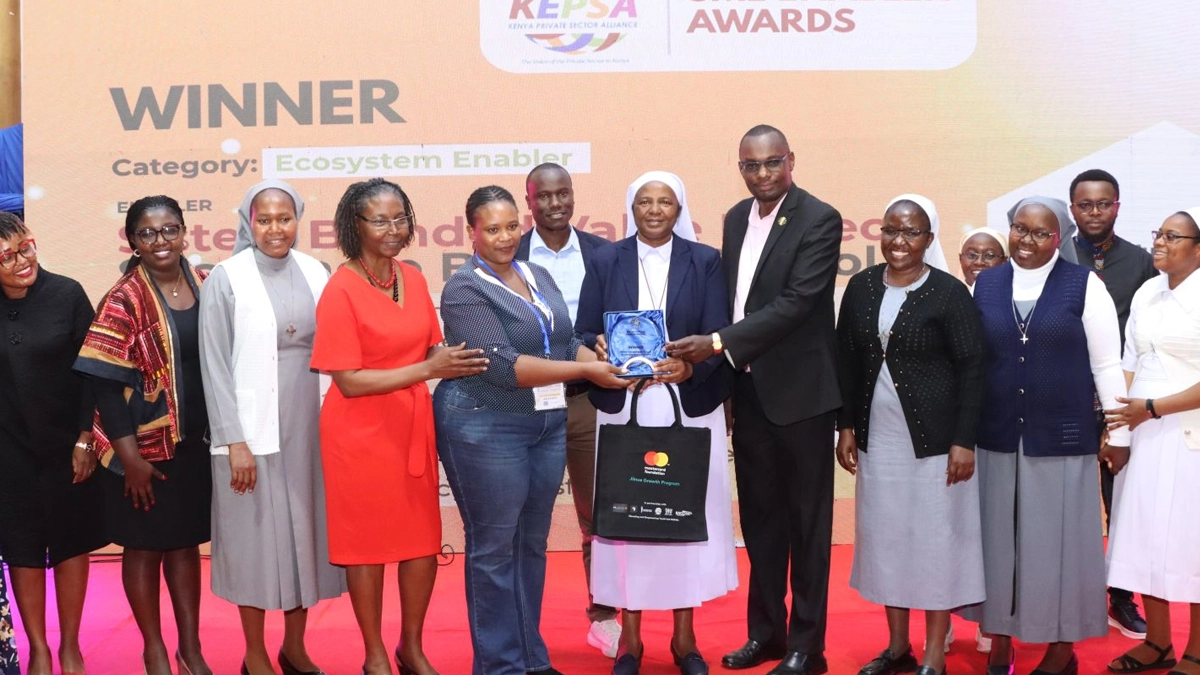
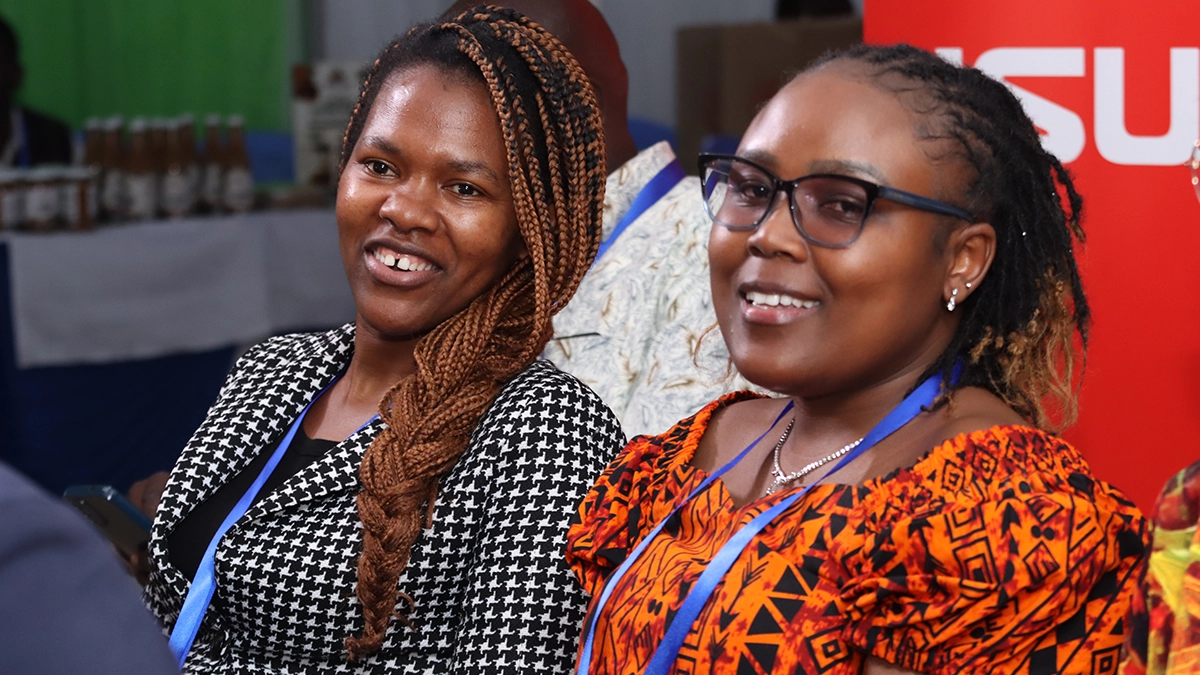
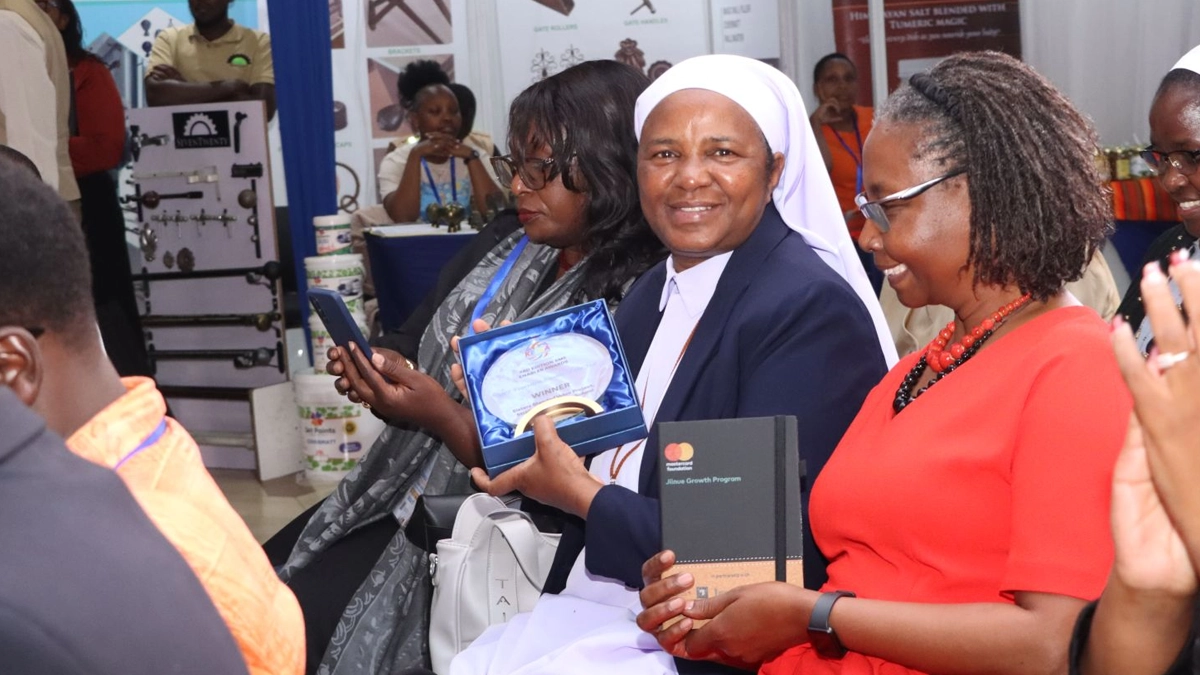
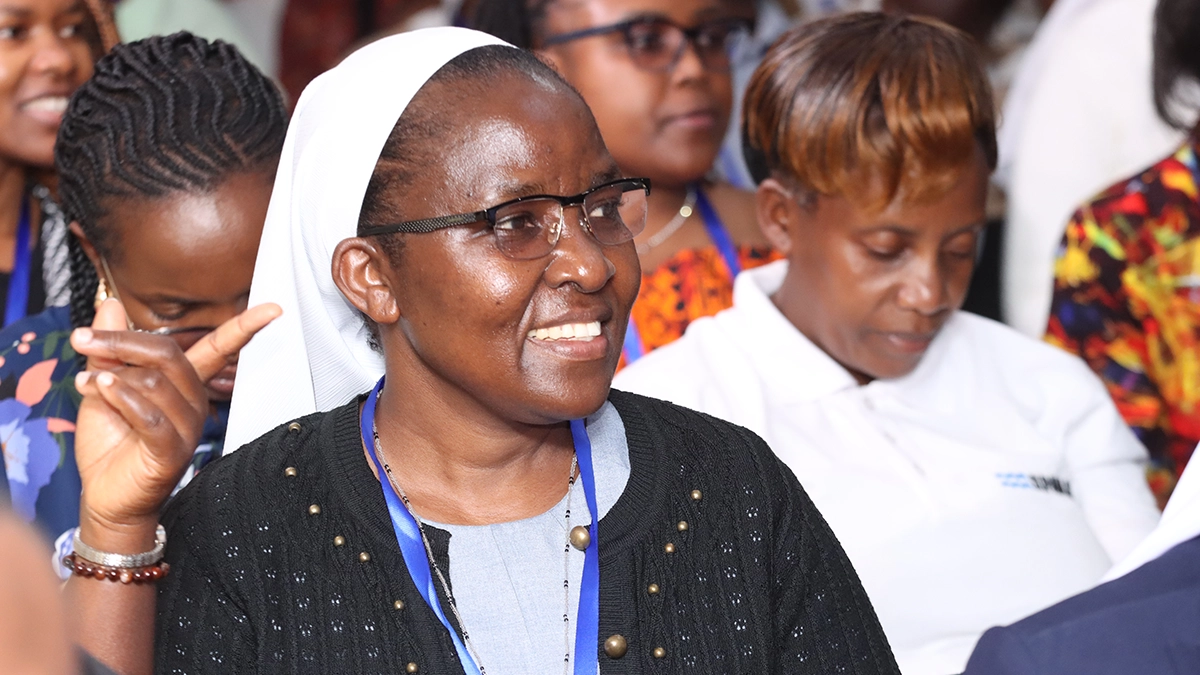
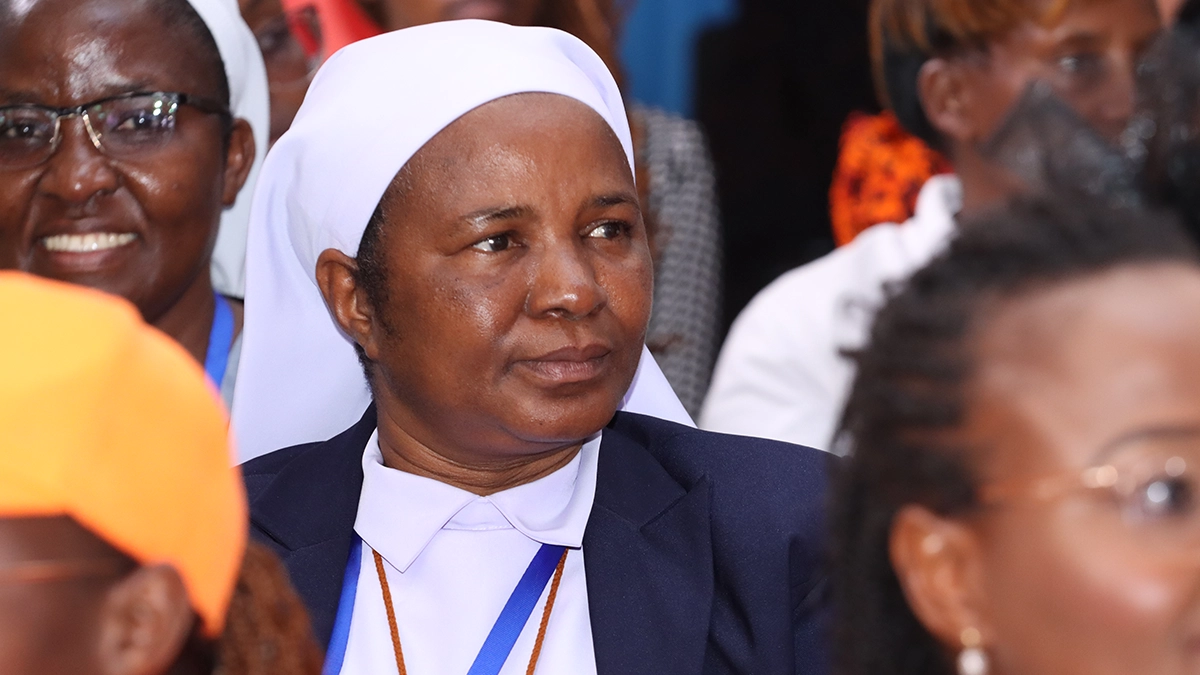
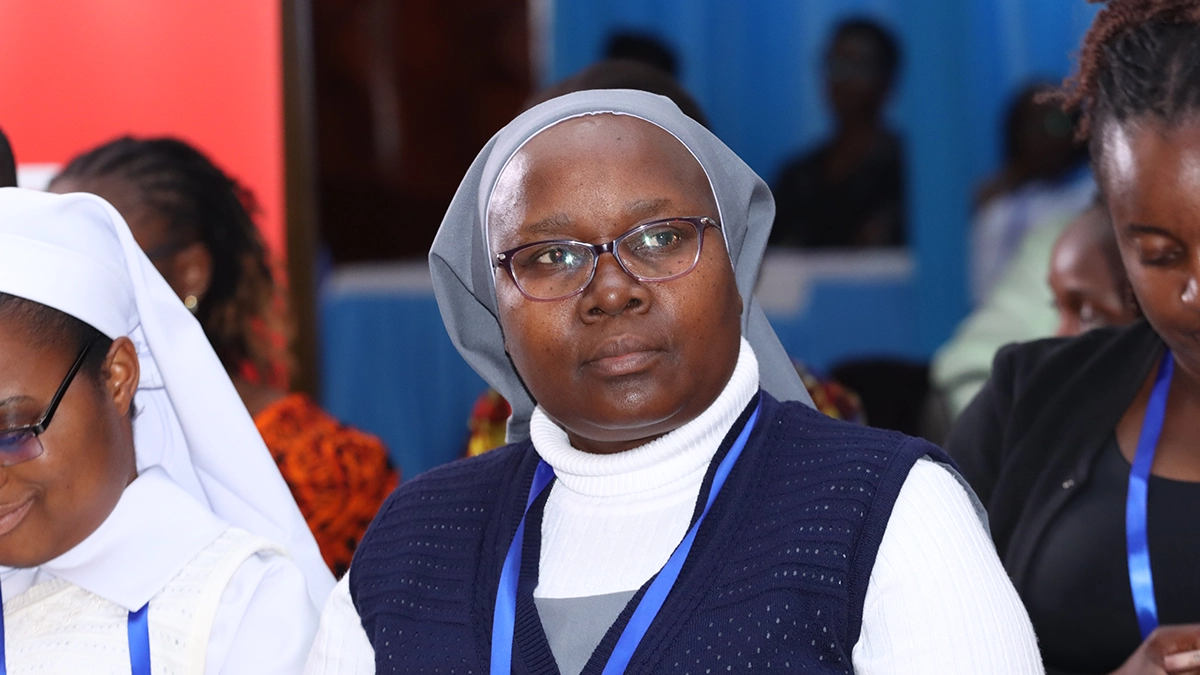
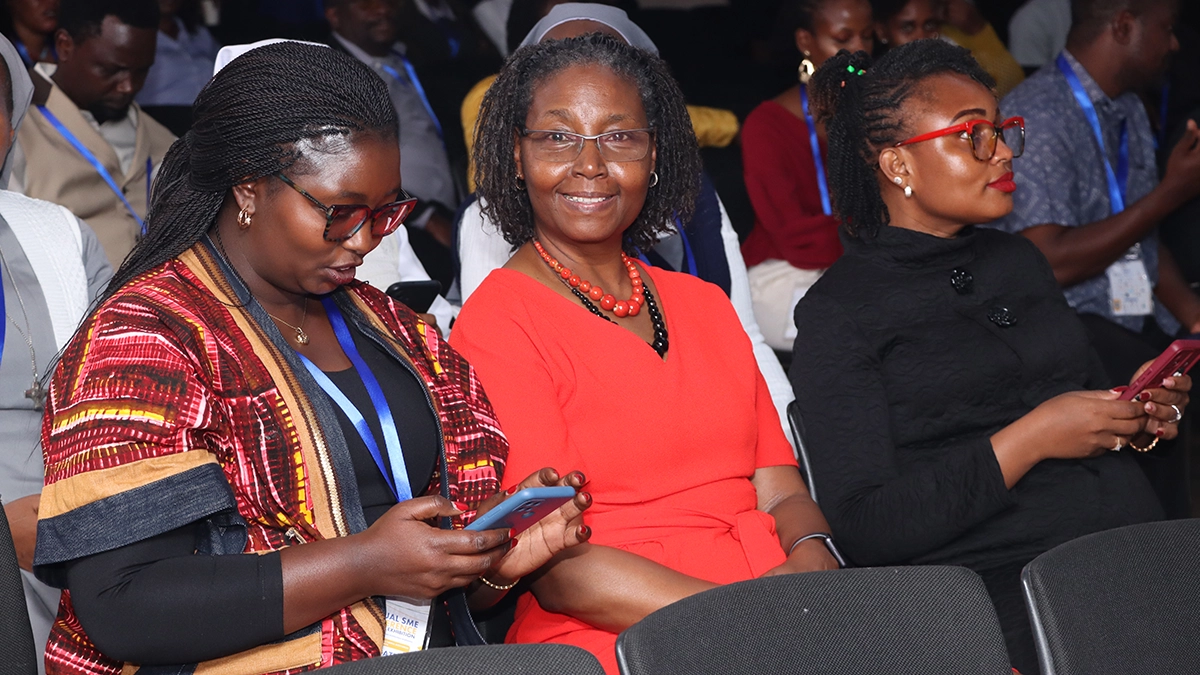
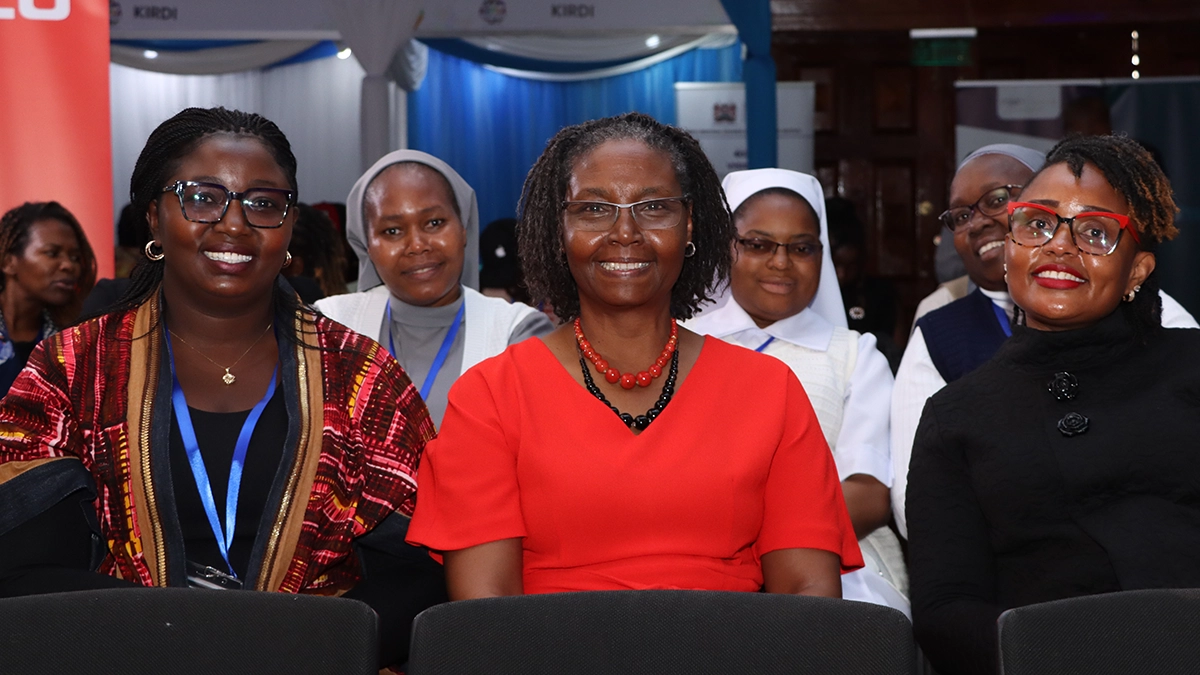
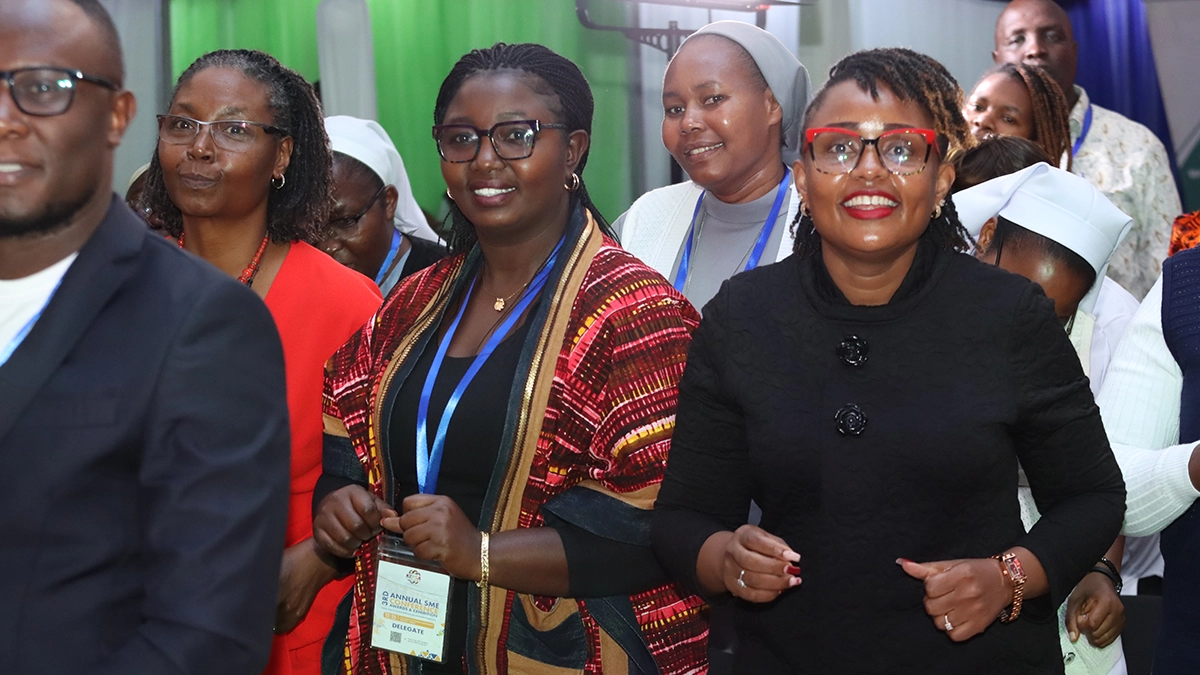
The Sisters’ Blended Value Project (SBVP), implemented by Strathmore Business School in collaboration with the Association of Consecrated Women in Eastern and Central Africa (ACWECA), was recognised as the 2026 KEPSA SME Ecosystem Enabler of the Year during the 3rd Annual KEPSA SME Conference and Exhibition on 23–24 July 2026. This recognition is significant for the wider conversation on social enterprise development. It highlights an important reality: building sustainable enterprises requires more than supporting individual entrepreneurs. It requires an ecosystem that connects skills, finance, markets, knowledge, partnerships and enabling policies.
Social enterprise itself is not a new idea. For centuries, communities have created organisations that combine economic activity with social purpose, from cooperatives and mutual-aid societies to community enterprises and faith-based institutions. The modern concept of social entrepreneurship gained prominence in the late 20th century, with organisations such as Ashoka helping popularise entrepreneurial approaches to solving social problems. The work of Muhammad Yunus and the Grameen model further demonstrated how innovative financial models could expand opportunity among people traditionally excluded from formal systems.
Today, social enterprises operate at the intersection of business, innovation and social impact. They address challenges in healthcare, education, agriculture, employment, financial inclusion and environmental sustainability. Across Africa, these enterprises have become particularly important because they often emerge where conventional markets and public systems have struggled to meet community needs.
Africa’s social enterprise movement reflects both necessity and opportunity. Entrepreneurs, community organisations and institutions have developed locally driven solutions to challenges spanning healthcare, education, agriculture, livelihoods and climate resilience.
Yet many African social enterprises struggle to move from survival to sustainable growth. Limited access to finance, markets, business skills, infrastructure, supportive policies and reliable networks can constrain otherwise promising enterprises. This raises a fundamental question: How do we build the environment in which entrepreneurs can succeed, especially for catholic sisters who, for years, have been at the forefront of supporting communities?
For decades, Catholic Sisters have operated schools, hospitals, farms, vocational training centres, children’s homes and other community initiatives. Their work has generated enormous social value, often reaching underserved or vulnerable communities. Increasingly, Sisters are adopting social enterprise approaches to make these ministries more financially sustainable.
A school can generate income while providing education. A farm can create employment and produce food while financing community programmes. A health facility can provide essential services while developing revenue streams that support its continued operation. These initiatives demonstrate that social mission and enterprise can reinforce each other.
However, Sisters-led enterprises face challenges similar to those experienced by many SMEs. Many require stronger financial management, governance, entrepreneurship and leadership skills. Access to appropriate finance can be limited. Markets, technology and business networks still remain difficult to access. In some cases, enterprises are also transitioning from models historically dependent on donations towards models that require stronger commercial thinking and financial sustainability.
SBVP recognises that training alone cannot transform a promising initiative into a sustainable enterprise. Through its pillars of capacity building, research, collaborative networks and integrated financial inclusion, the project seeks to strengthen the broader environment around Sisters-led social enterprises.
SBVP provides religious sisters with support in areas such as enterprise development, financial management, leadership and governance. Through its research component, the project generates evidence and documents effective practices in social enterprise development. The project also creates opportunities for religious women to build partnerships and access markets, while its financial inclusion component strengthens pathways to appropriate funding and investment.
Implemented across Kenya, Uganda, Tanzania, Zambia and Malawi, SBVP also creates opportunities for cross-country learning and collaboration.
This ecosystem approach explains the significance of the KEPSA recognition. SBVP is contributing not simply to the creation of individual enterprises, but also to the conditions that enable Sisters-led social enterprises to become resilient, sustainable and impactful.
Reflecting on the recognition, Dr Angela Ndunge, Principal Investigator of SBVP, expressed her deep honour and gratitude, noting that the award celebrates not only the project’s work but also the incredible impact that Catholic Sisters continue to make across Africa.
“The recognition of SBVP as KEPSA’s SME Ecosystem Enabler of the Year 2026 affirms the importance of creating stronger ecosystems around Sisters-led social enterprises and strengthening their capacity to deliver sustainable impact in the communities they serve.”
The recognition, in a way, prompts a broader conversation: What would happen if we treated social enterprises as integral to Africa’s economic infrastructure rather than as peripheral development initiatives?
This is a discourse that requires businesses, governments, financial institutions, universities, development partners, investors, civil society and entrepreneurs to work together. We must invest in skills, open markets, develop appropriate finance, share knowledge, strengthen policy and build partnerships that strengthen the ecosystem around social enterprises.
Article d'Alex Okoth
Partagez cette histoire, choisissez votre plateforme !
Votre voyage vers l'excellence commerciale commence ici. Abonnez-vous dès aujourd'hui et soyez à la pointe de l'innovation et du leadership.
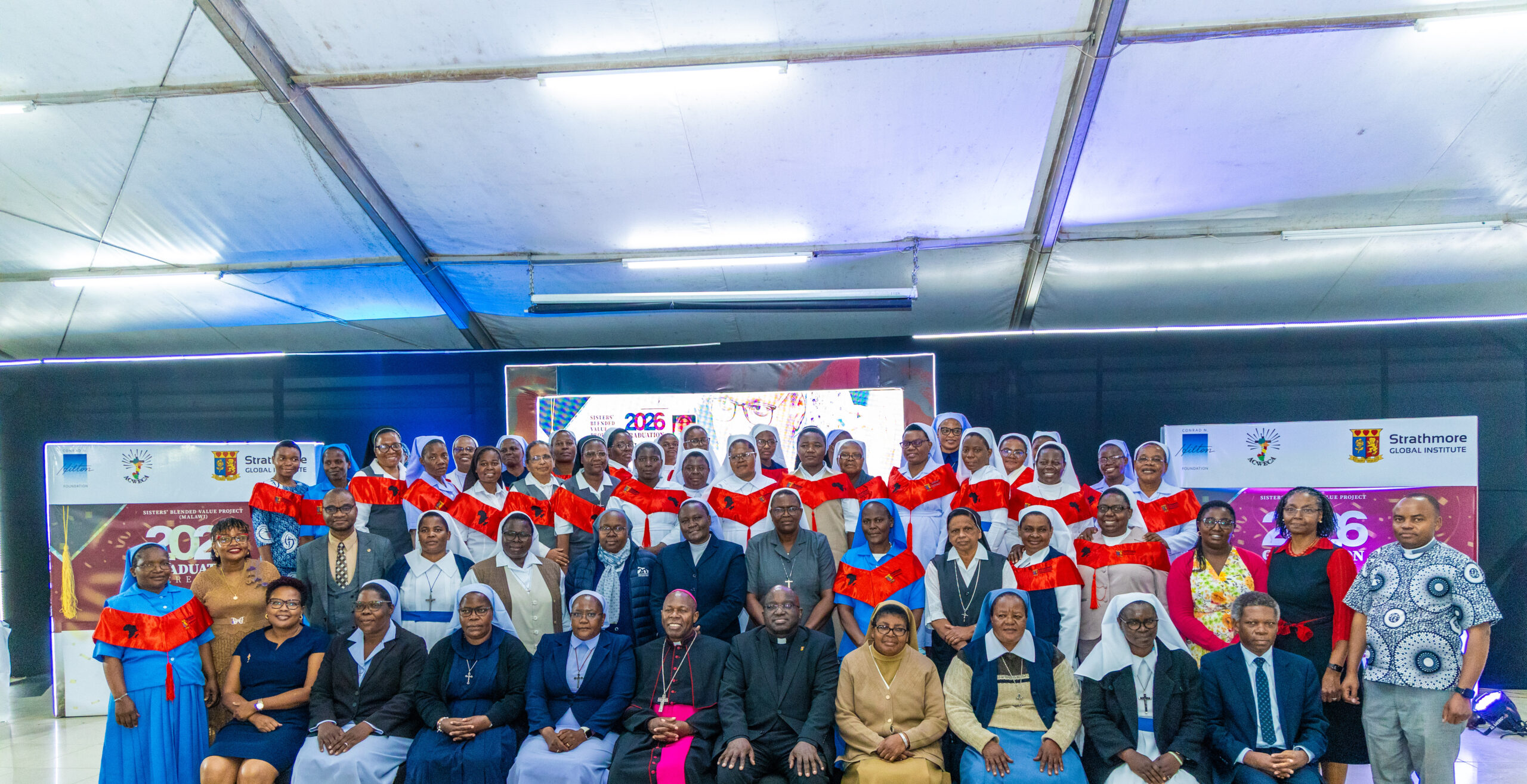

Fondation Conrad N. Hilton
La Fondation Conrad N. Hilton envisage un monde dans lequel l'amélioration de la condition humaine est un objectif commun et durable. “Aimez-vous les uns les autres, car c'est là toute la loi”, a écrit Conrad Hilton dans son testament. Les peuples du monde “méritent d'être aimés et encouragés - jamais d'être abandonnés à leur solitude dans la pauvreté et l'obscurité”. Telle est notre détermination.







 English (United States)
  English (UK)
  French