

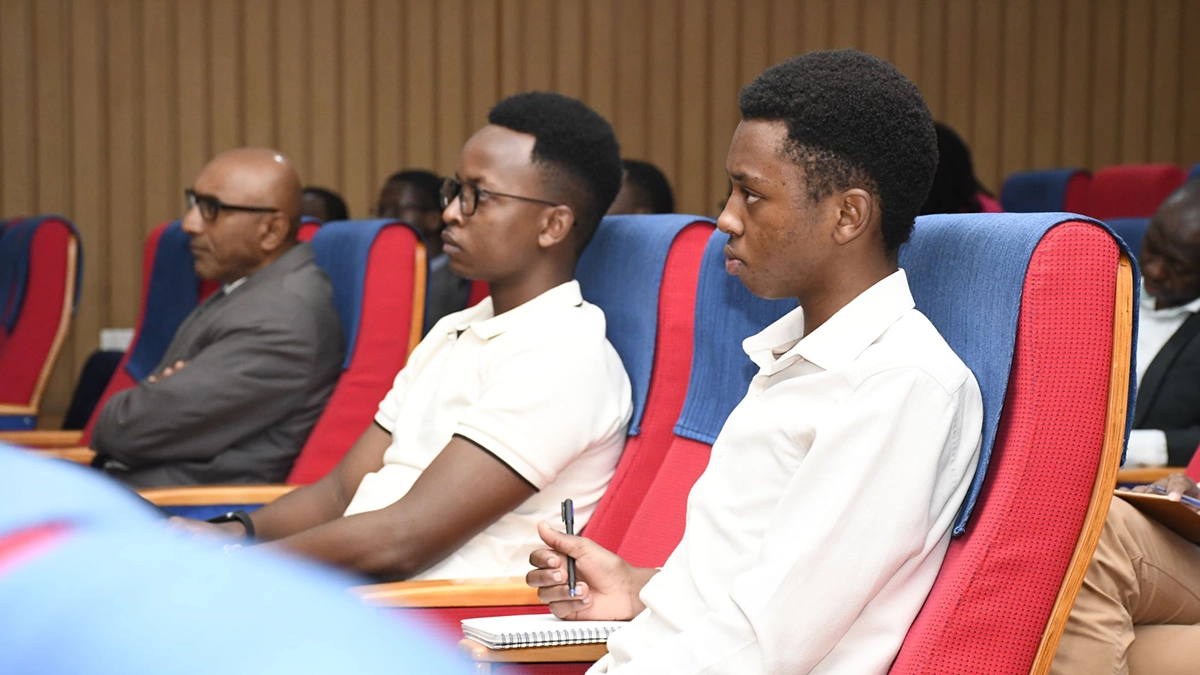
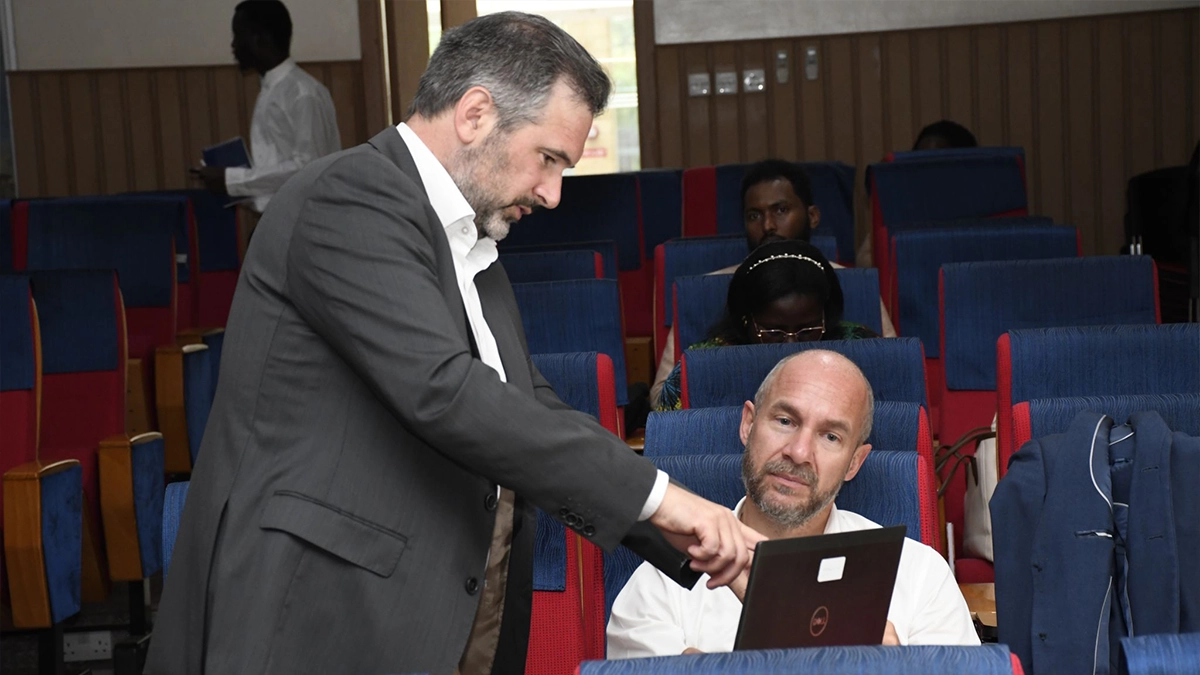
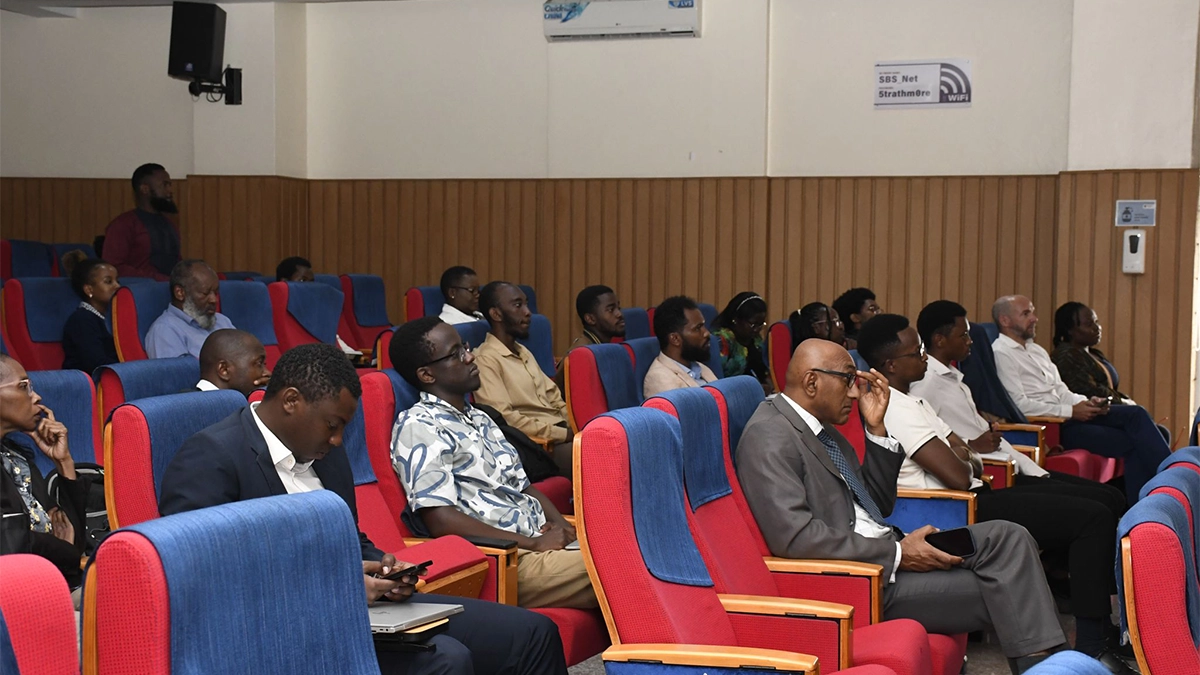
On Wednesday, 12th November 2025, SBS, through the Strathmore Institute of Public Policy and Governance (SIPPG), hosted a public lecture in partnership with the World Bank Group. The session focused on highlighting key findings from the Kenya Public Finance Review 2025 by the World Bank.
The session, themed: How can Kenya mobilize, allocate, and utilize public resources to drive growth, equity, job creation, and improved public service delivery? brought together students, faculty, policymakers, and development professionals for an engaging discussion on strengthening Kenya’s public finance systems to support sustainable economic progress.
Dr. Miriam Omolo, Associate Director, SIPPG, emphasized the importance of open, evidence-based dialogue on Kenya’s fiscal challenges. She noted that smart spending, fairness, and transparency are essential pillars of inclusive development and stressed that improving public financial management is not only a technical undertaking but also a moral and governance imperative.
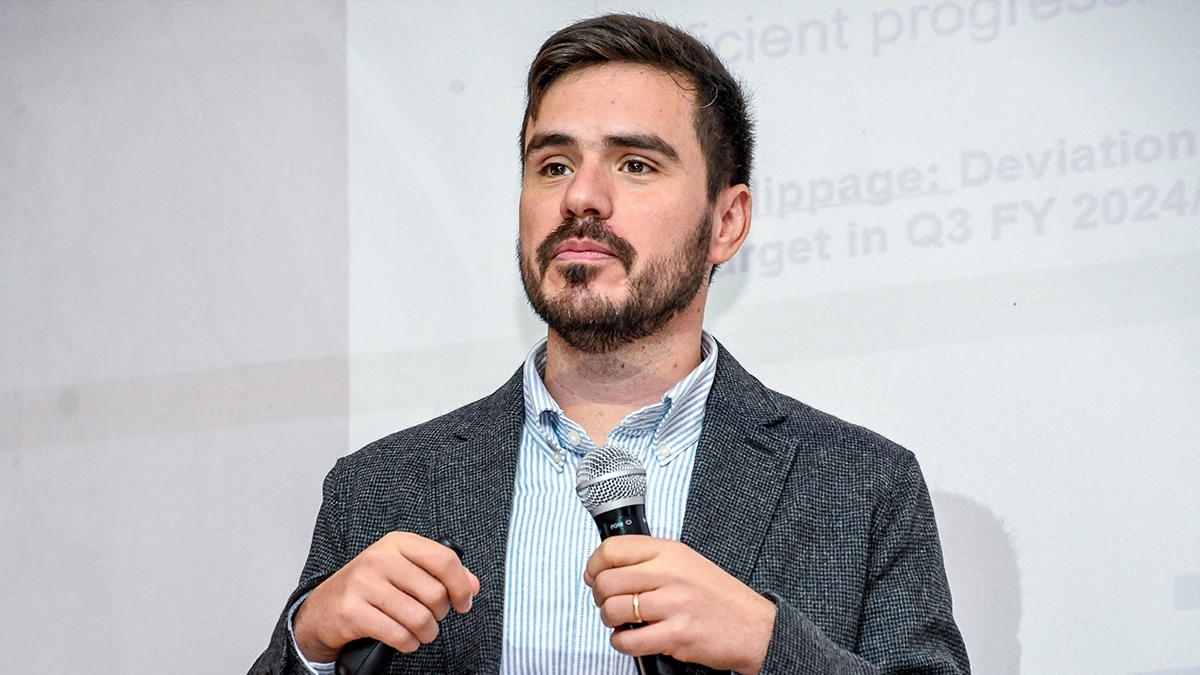
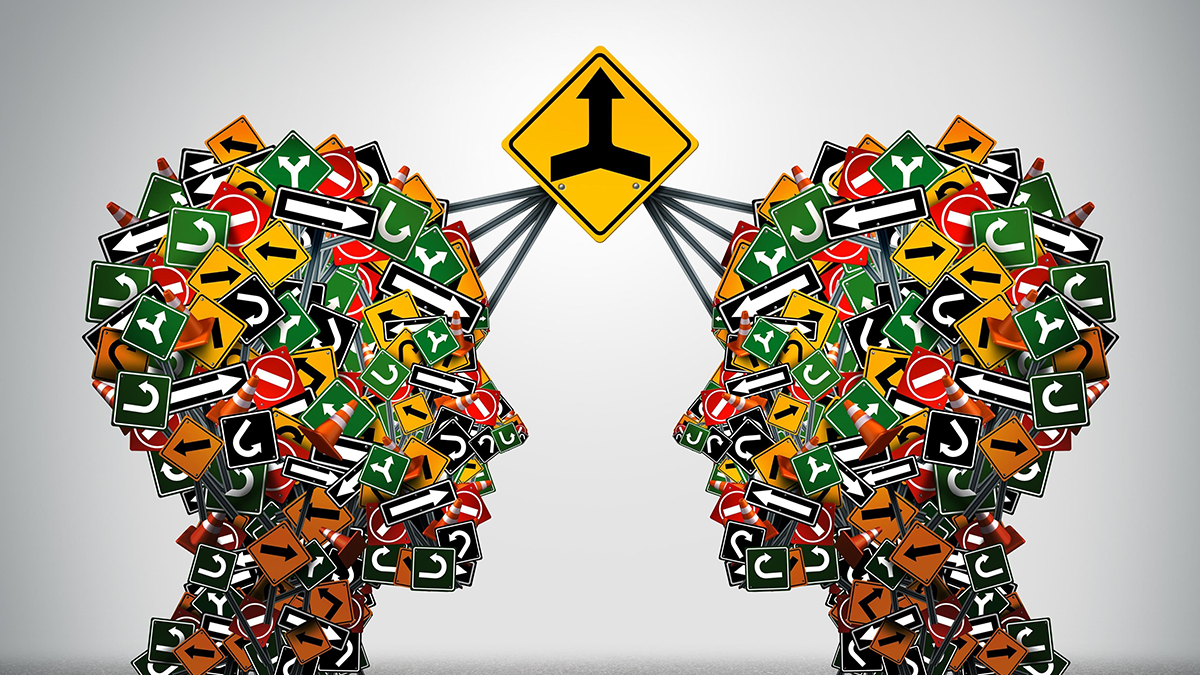
The keynote address was delivered by Mr. Jorge Tudela Pye, Country Economist for Kenya at the World Bank. He highlighted that Kenya currently stands at a critical crossroads, facing significant decisions on how to manage its economy in the coming years. Mr. Pye outlined two potential pathways: continuing with business as usual, which could increase the risk of debt distress, slow economic growth, and impose higher costs on citizens due to governance weaknesses, or reducing the budget deficit through strict fiscal measures, which could improve financial stability but potentially hurt growth, employment, and public services if deeper structural reforms are not implemented. He noted that nearly half of Kenya’s national budget is already committed to mandatory expenditures, leaving limited space for development initiatives, and argued that improving spending efficiency could help free resources to pay pending bills, enhance service delivery, and rebuild public trust.
On the revenue side, Mr. Pye observed that Kenya still has room to increase tax collection by up to four percent of GDP but emphasized that simply raising tax rates is not sufficient. Instead, the focus should be on creating a fairer, more efficient tax system that broadens the tax base and reduces inequities. He summarized key lessons from the Kenya Public Finance Review, highlighting that continuing with business-as-usual risks unsustainable debt, austerity alone will not solve the country’s fiscal challenges, tax policies must aim for equity and inclusiveness, and fiscal strategies must balance efficiency with fairness to support growth and job creation.
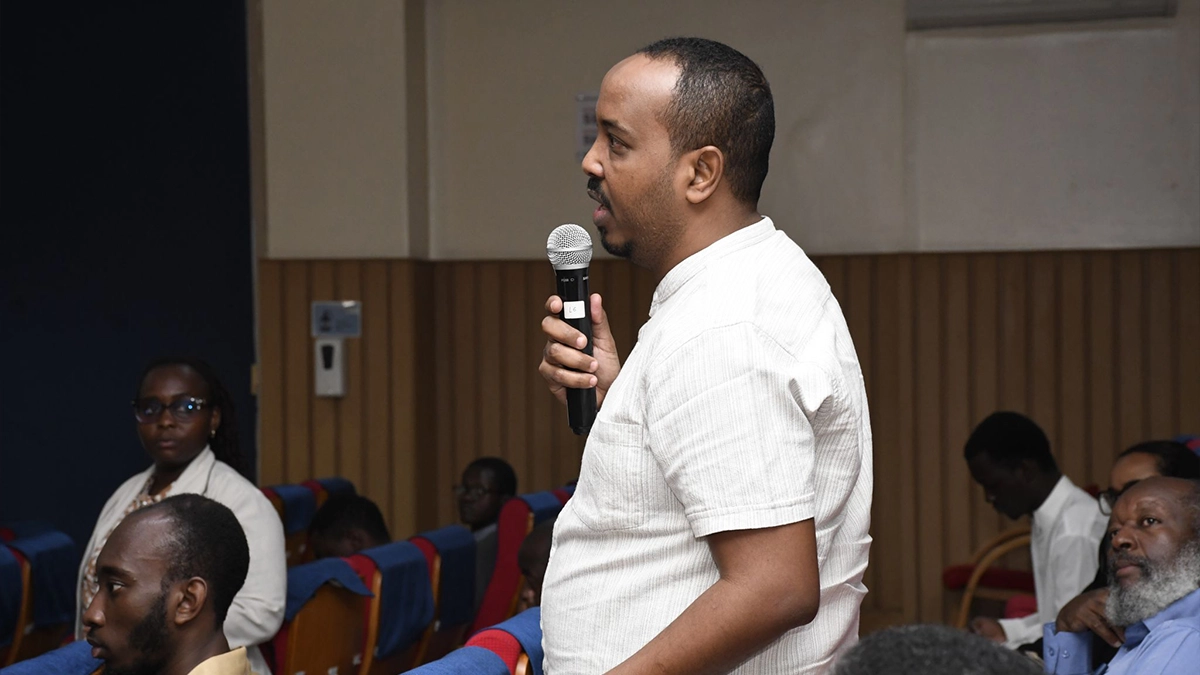
The lecture concluded with a lively Q&A session, during which participants posed questions about debt management, governance, and strategies for ensuring that public resources improve the lives of all Kenyans. The discussion underscored the importance of combining strong policy frameworks, transparent budgeting, and citizen engagement to achieve sustainable economic outcomes. The public lecture reaffirmed Strathmore University’s commitment to fostering dialogue, promoting evidence-based policymaking, and advancing ideas that can shape Kenya’s pathway to development.
Article de Juliet Hinga
Partagez cette histoire, choisissez votre plateforme !
Votre voyage vers l'excellence commerciale commence ici. Abonnez-vous dès aujourd'hui et soyez à la pointe de l'innovation et du leadership.






 English (United States)
  English (UK)
  French