




Some policies are written once and shelved forever, while others shape a country for decades. What separates the two?
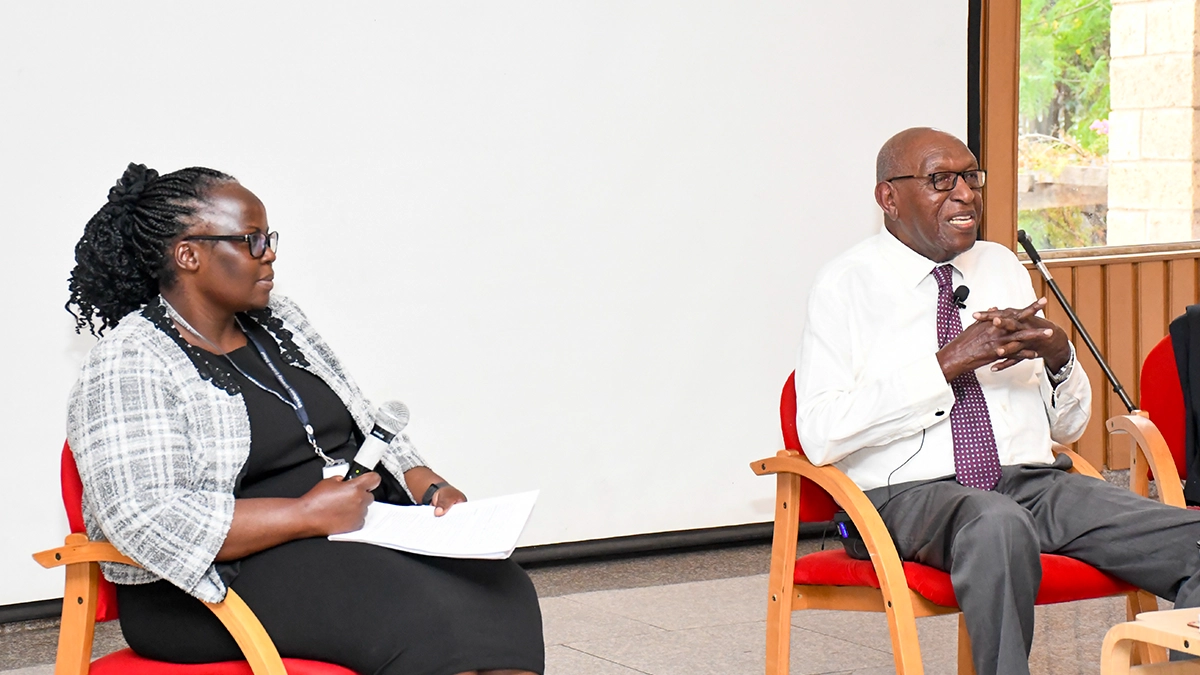
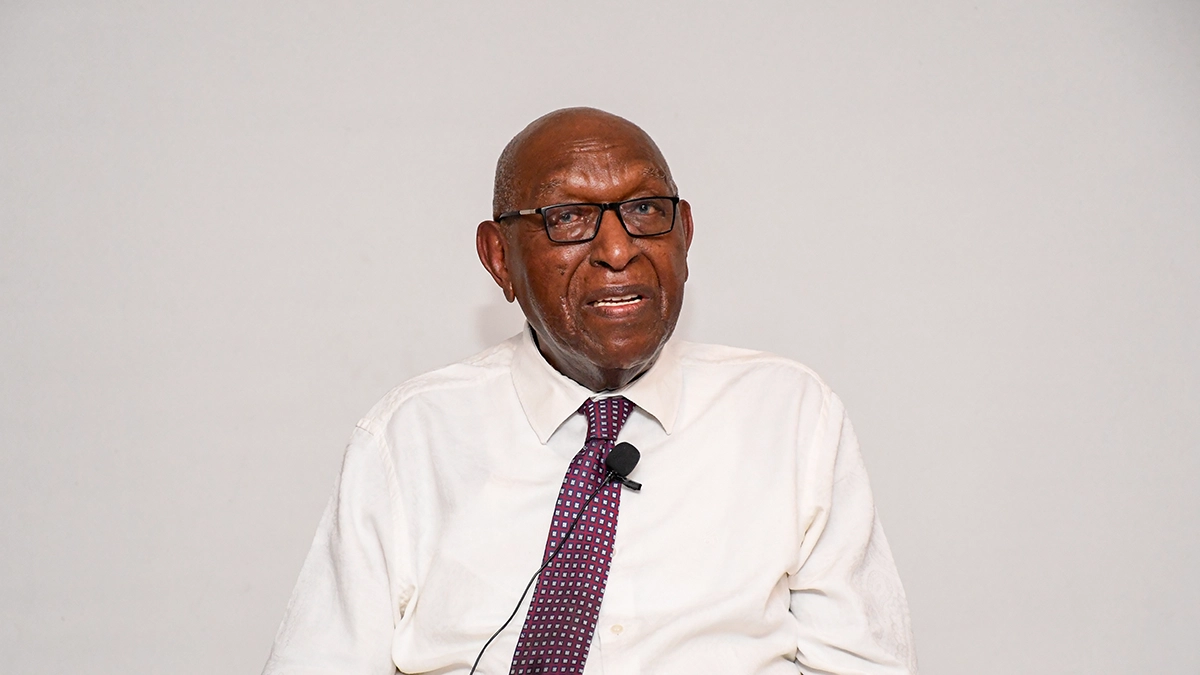
That question hung over the room when Hon. Titus Mbathi returned to Strathmore Business School (SBS) to give a guest lecture to students of the Master in Public Policy and Management (MPPM) Programme. His subject was Sessional Paper No. 10 of 1965, African Socialism and its Application to Planning in Kenya, one of the foundational policy documents in Kenya’s history.
During the session, Hon. Mbathi took the students through the process by which he and the rest of the team developed the paper in the early years of independence. He described the choices they faced, the considerations behind them, and the pressure of deciding which direction the new country should take. He shared four key takeaway lessons for the students:
Policy is only as good as its follow-through
In his view, policies are ideas put together to improve the country, but too many are drafted and then left to gather dust. He argued that having the right policies has helped Kenya stay ahead of its East African counterparts, but only if they are acted on. For students, the lesson is that drafting is the easy part. Budgets, institutions, timelines, and accountability determine whether a policy yields results.
Character matters as much as capability
“Education without character is useless,” he told the students. Qualifications and technical skill help a public servant make good decisions, but integrity decides whether those decisions serve the public.
Corruption is the biggest obstacle in Kenya today
Hon. Mbathi noted that Kenya is not short of funds. If public resources went where they were meant to go, he said, the country’s development indicators would look very different from what they are today. He also observed that what happens in the 47 counties reflects what happens in the national government.
Change starts with individuals
Development, he said, is led by individuals and not only by public institutions. The change Kenyans want to see rests with each of them. This puts responsibility on every citizen, and especially on the policymakers, managers and leaders in the room.
Despite these challenges, Hon. Mbathi left the students with an optimistic message: Kenya is on the move, even if not as fast as we would like.
For future policymakers, the lesson is clear. Writing a good policy is only the first step. Implementing it, with integrity and accountability, is where a country’s future is decided.
The Master in Public Policy and Management Programme is a rigorous two-year programme designed to address the complex issues facing modern governments and other policy-making organisations while developing the general management skills of results-oriented professionals.
The programme gives you a practical learning experience through the case-study methodology, offering a unique opportunity to apply practical skills, tools and ideas to real-life problems. Our broad pool of local and international faculty is actively engaged in shaping public policy, advising both governments and organisations, locally and internationally.
En savoir plus sur ce programme ici
Article de Juliet Hinga
Partagez cette histoire, choisissez votre plateforme !
Votre voyage vers l'excellence commerciale commence ici. Abonnez-vous dès aujourd'hui et soyez à la pointe de l'innovation et du leadership.








 English (United States)
  English (UK)
  French