

A livestock offtaker does not make money from an animal simply because it is healthy. The animal still has to gain enough weight, reach the right condition, arrive at market on time and do so without feeding and production costs eating into the margin.
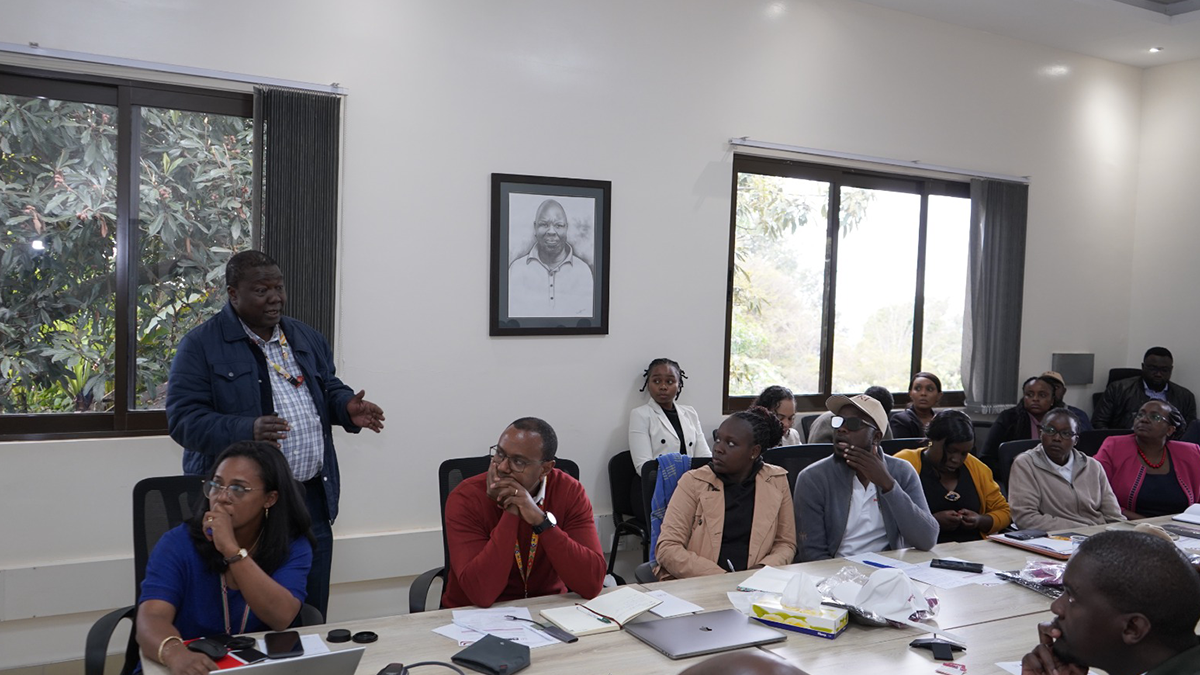
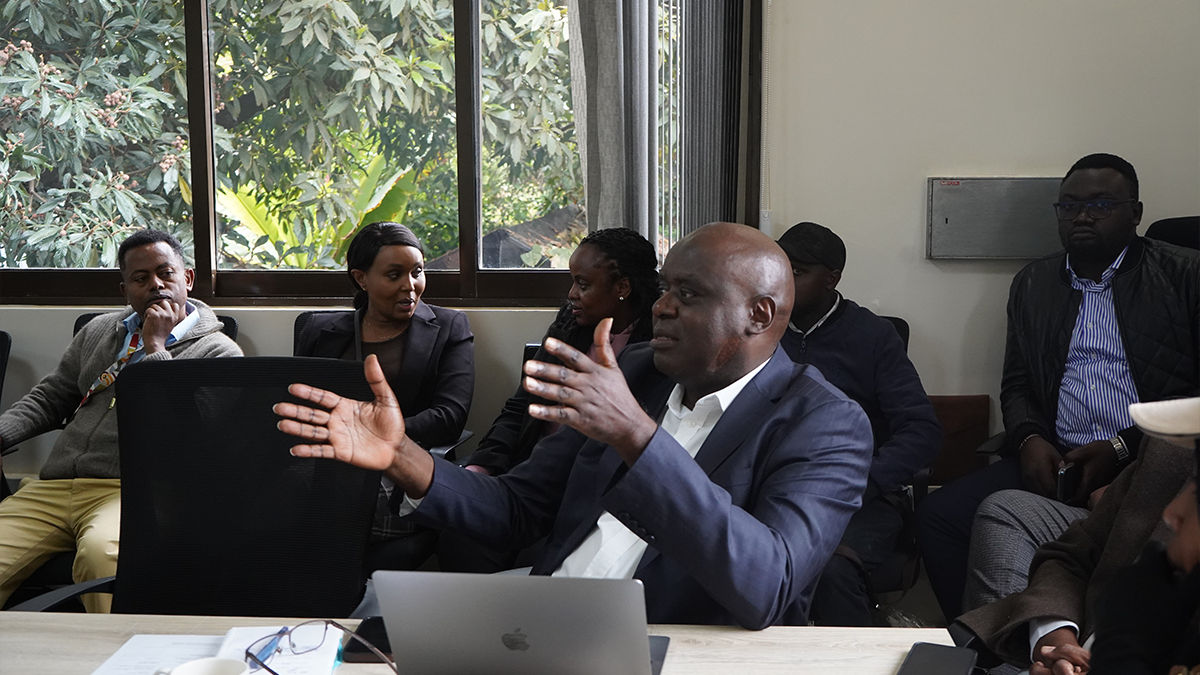
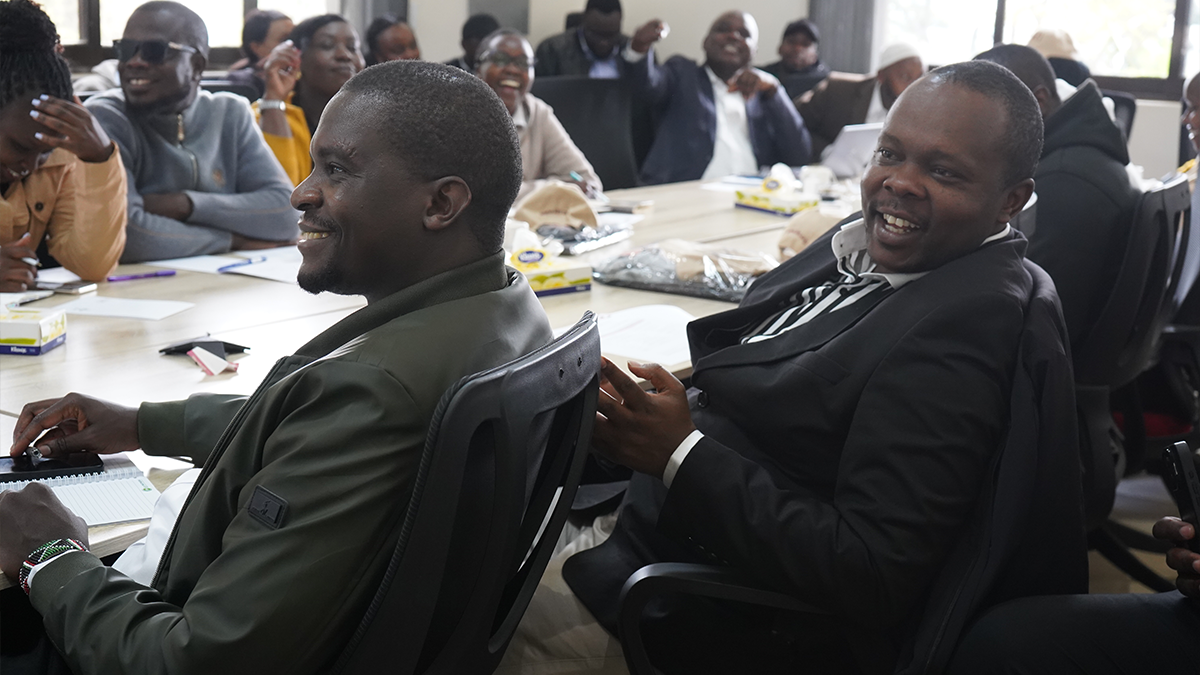
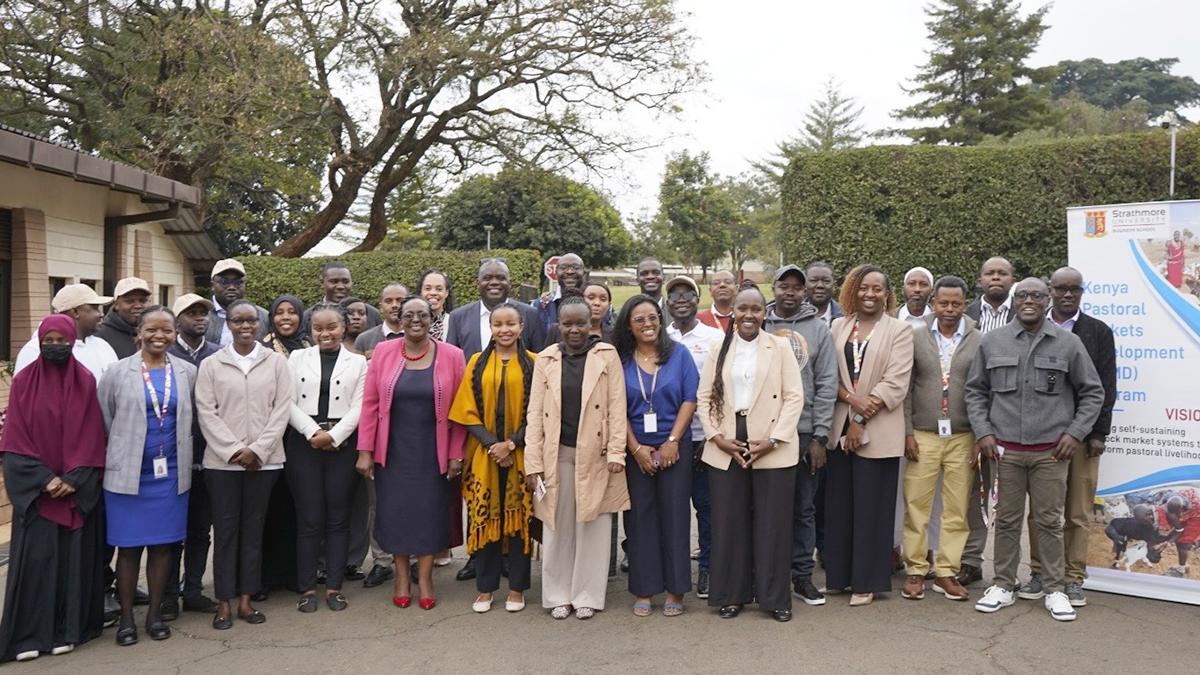
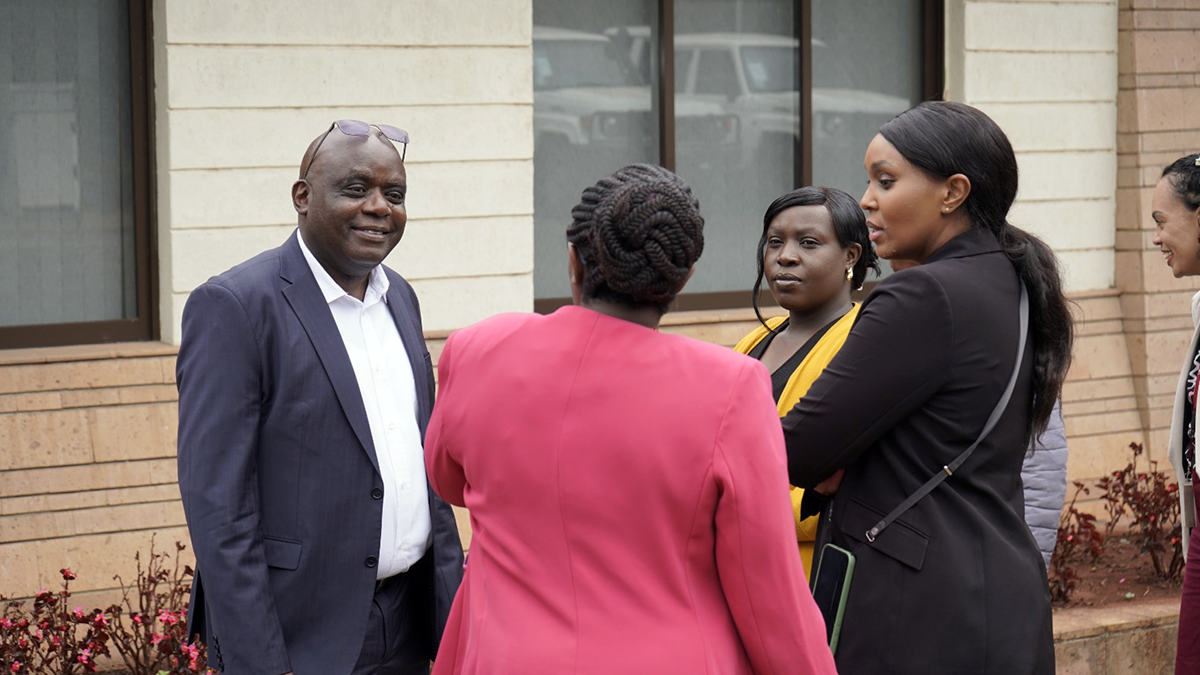
The Kenya Pastoral Market Development (KPMD) Program, representatives of its five partner offtaker companies and the International Livestock Research Institute met at the ILRI Nairobi Campus on 9 September 2026 to explore how these factors can be managed together to create more value across the livestock chain, from producer to market.
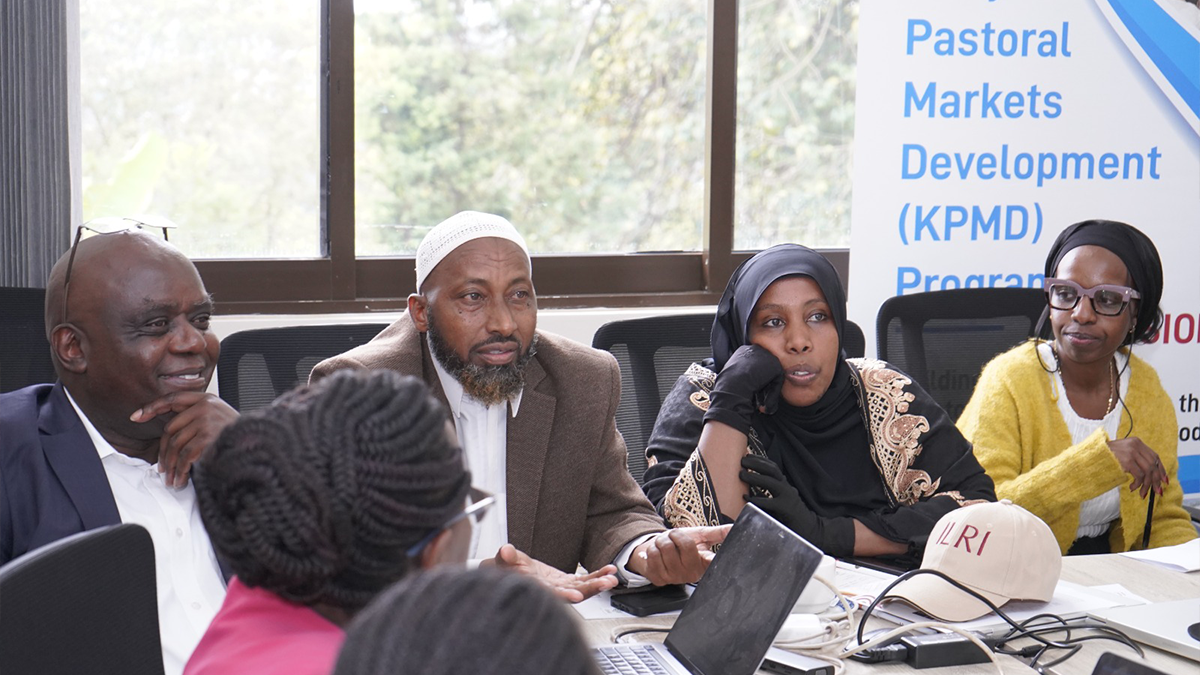
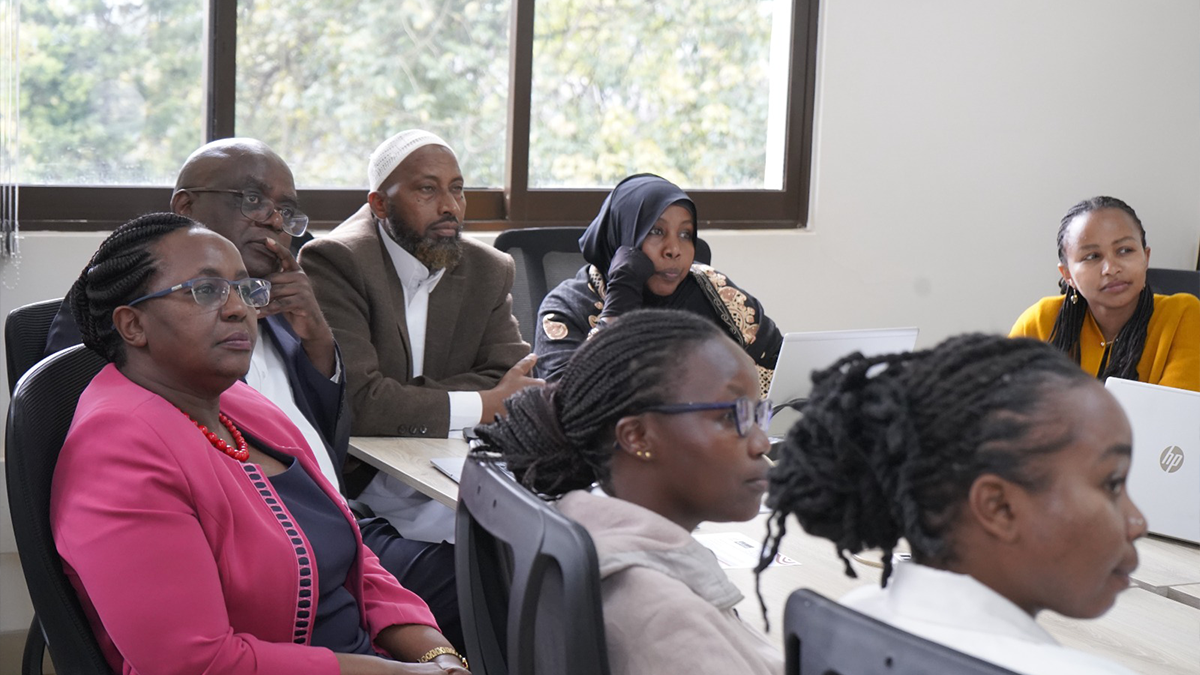
The engagement, themed ‘Unlocking Value and Building Supply-Ready Herds’, brought livestock businesses into conversation with researchers working on genetics, feeds and forages, nutrition, animal health and climate. For the offtakers in the room, the questions were practical. How do you improve dressing percentage? Can fodder production increase sustainably? How much more weight can an animal gain before the extra feed stops making commercial sense?
One of the partner offtakers captured the ambition behind those questions.
“How much more can we achieve? How can we push the envelope?”
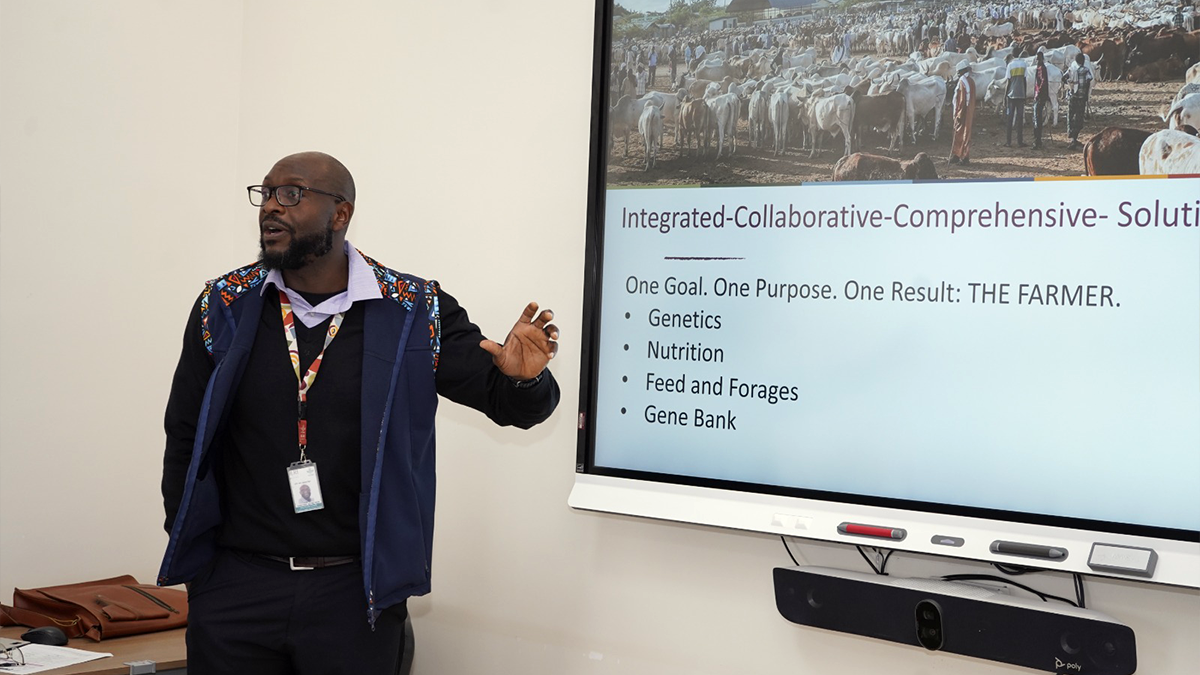
Dr Anuoluwapo Frank-Lawale, Program Director for Livestock Genetics, Nutrition and Feed Resources at ILRI, placed those questions within a wider livestock system.
“What we do is develop and deliver integrated, collaborative and comprehensive solutions at scale. The farmer is at the centre of everything. We take a value-chain systems approach.”
That systems view matters because the animal arriving at market carries the effects of decisions made long before the sale. What it was fed, the diseases it encountered, its genetics and the time it took to reach market all influence the value eventually realised.
Pushing livestock beyond breakeven
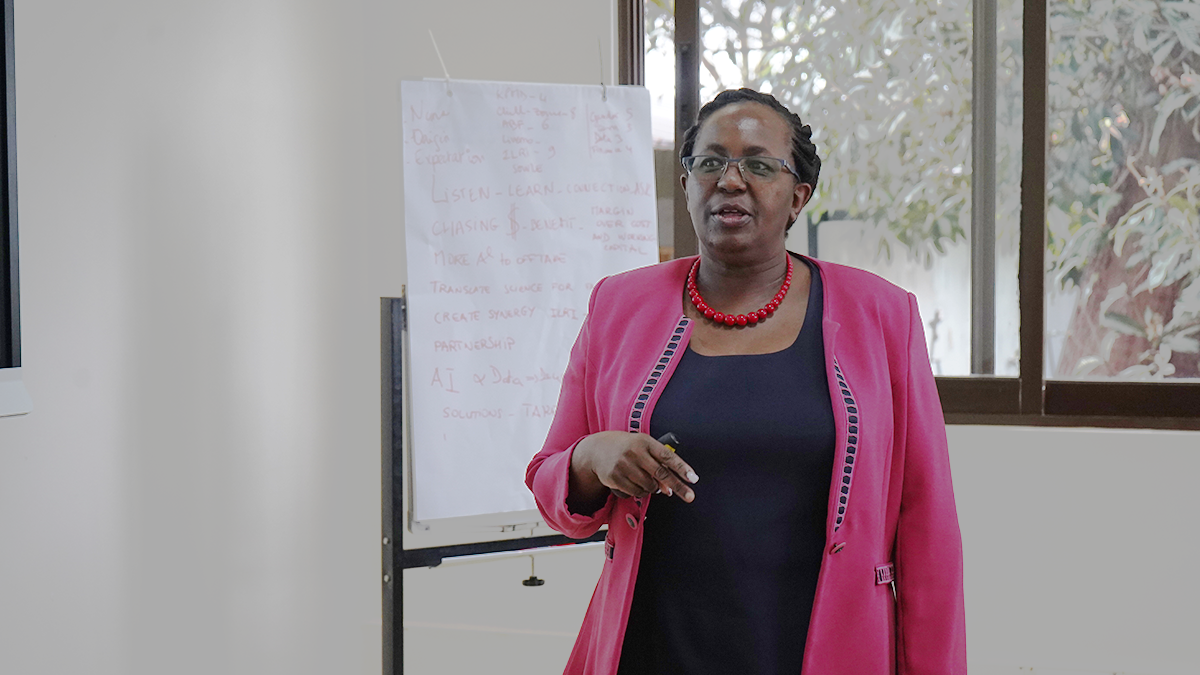
Feed is one of the constraints KPMD is already trying to solve. Program Director Prof. Ruth Kiraka put it plainly.
“Nutrition and fodder are a bit of a headache at the moment, but we can work with ILRI to find solutions.”
KPMD is looking at how to meet its feed targets using as little land as possible. ILRI’s work on drought-resilient forage offered one possible route towards improving animal performance while accounting for nutrition, biomass yield, drought risk and production cost.
But producing more fodder does not necessarily mean producing more value. ILRI animal nutrition scientist Dr Ben Lukuyu argued that feeding should start with the requirements of the animal rather than simply with whatever feed happens to be available.
“A growing animal needs more than a full stomach. It needs water, energy, protein, fibre and minerals. Start with the forage, then fill the gaps. Do not wait for the animals to arrive to balance the diet. Start when deciding what to plant.”
For the offtaker, however, the test is whether better feeding translates into commercially worthwhile weight gain. Dr Lukuyu brought the point back to the economics of feeding.
“Judge feed from the profitable weight it produces. Measure performance to know what is working.”
That means knowing more than whether an animal gained weight. The cost of the ration, the amount of weight gained, the time taken and the eventual sale value all matter. Moving animals beyond breakeven carcass weights was one of the practical challenges raised by the offtakers. ILRI proposed working with KPMD on an experiment to test the economics of different feed rations, using an offtaker’s current practices as a starting point and examining feed composition, cost and margins.
For an offtaker, that kind of evidence could make feeding decisions less about assumptions and more about knowing what an additional kilogram actually costs to produce.
Building weight is only half the job
Genetics takes the same conversation further back in the production cycle. ILRI’s genetics team presented breeding as a long-term investment. Better feeding can improve an animal’s performance, while genetic improvement can carry into subsequent generations.
The farmer is also where much of the information begins. Records on animal growth, health and performance can help improve breeding and production decisions, but only if that information moves beyond the individual sale and back into the wider system.
This could give offtakers a useful position in the information chain. Their relationship with producers gives them access to information from both ends of the chain. They know what comes to market and what buyers accept.
Keeping the value already gained
That value can still be lost before the animal reaches the buyer. Dr Angela Makumi from ILRI’s animal health team put the problem in commercial terms.
“Every stop between the boma and the buyer is a point where health decides kilograms. Genetics, feed and finishing set the ceiling. Health decides how much of it you keep.”
ILRI’s proposed herd-health approach starts with vaccination at source, followed by screening during aggregation, proper treatment records and withdrawal periods, and measuring performance.
Efficiency is also becoming a climate question
The same production decisions also have a climate dimension. ILRI researcher Endale Gurmu put that connection in market terms.
“Climate is already a market issue. Buyers are asking about it, efficiency pays and resilience matters.”
Gurmu linked slaughter age, feed quality and animal performance to emissions intensity. Better forage and healthier animals can help livestock reach market more efficiently, while delayed offtake can mean animals remain in the production system for longer and continue generating emissions. KPMD and ILRI have already worked together on an emissions-intensity dashboard designed to help program partners track progress through shared visualisations.
Feed, health, genetics, data and climate efficiency offer different ways of looking at the same animal. The next step for KPMD and ILRI is to determine which of these areas can be developed into practical collaboration and implemented with the offtakers.
For the businesses involved, the question remains grounded in the animal that eventually reaches the market: What combination of decisions gets it there at the required weight, in the required condition and at a cost that creates value for both the business and the farmer?
Partagez cette histoire, choisissez votre plateforme !
Votre voyage vers l'excellence commerciale commence ici. Abonnez-vous dès aujourd'hui et soyez à la pointe de l'innovation et du leadership.






 English (United States)
  English (UK)
  French