

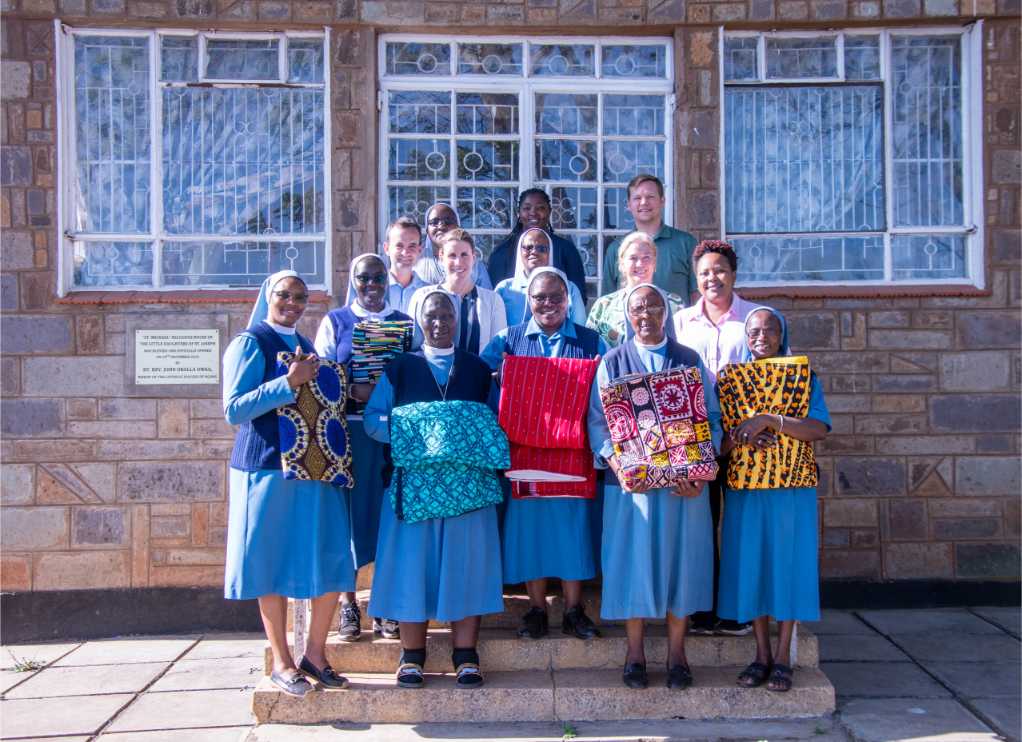
The Ngong Hills are known for their distinctive ridge of knuckle-shaped peaks rising above the plains outside Nairobi. Yet beyond this familiar silhouette lies another story: that of women quietly tending the land, nourishing their communities and protecting the natural environment.
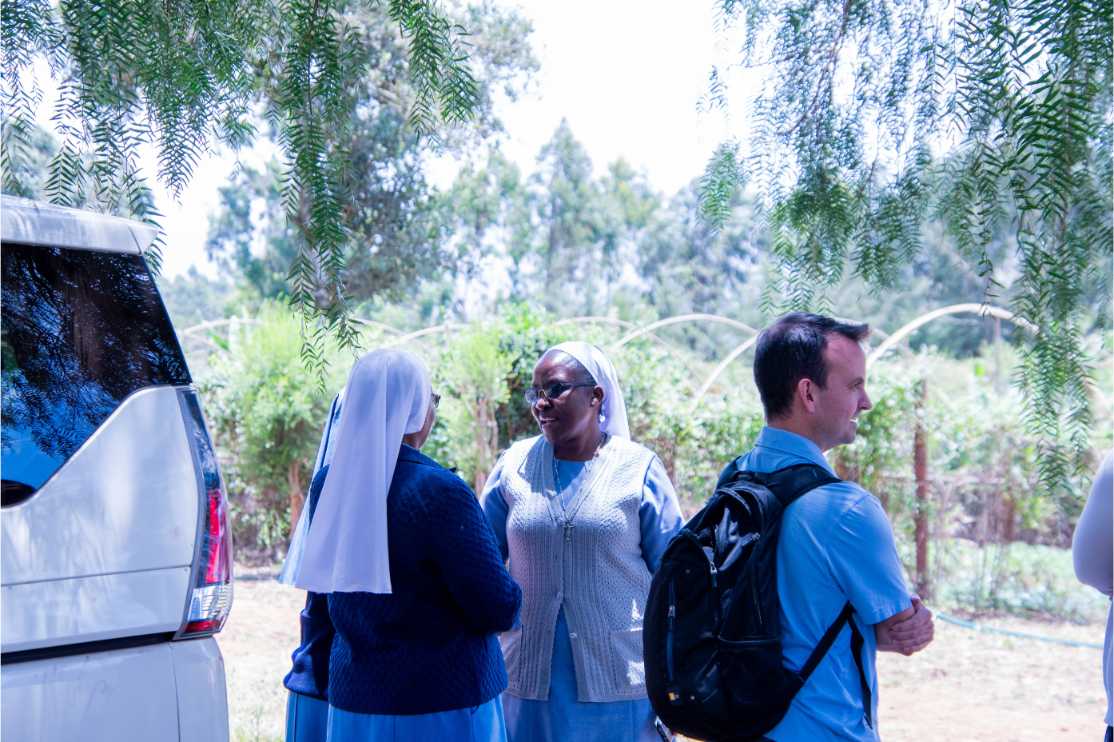
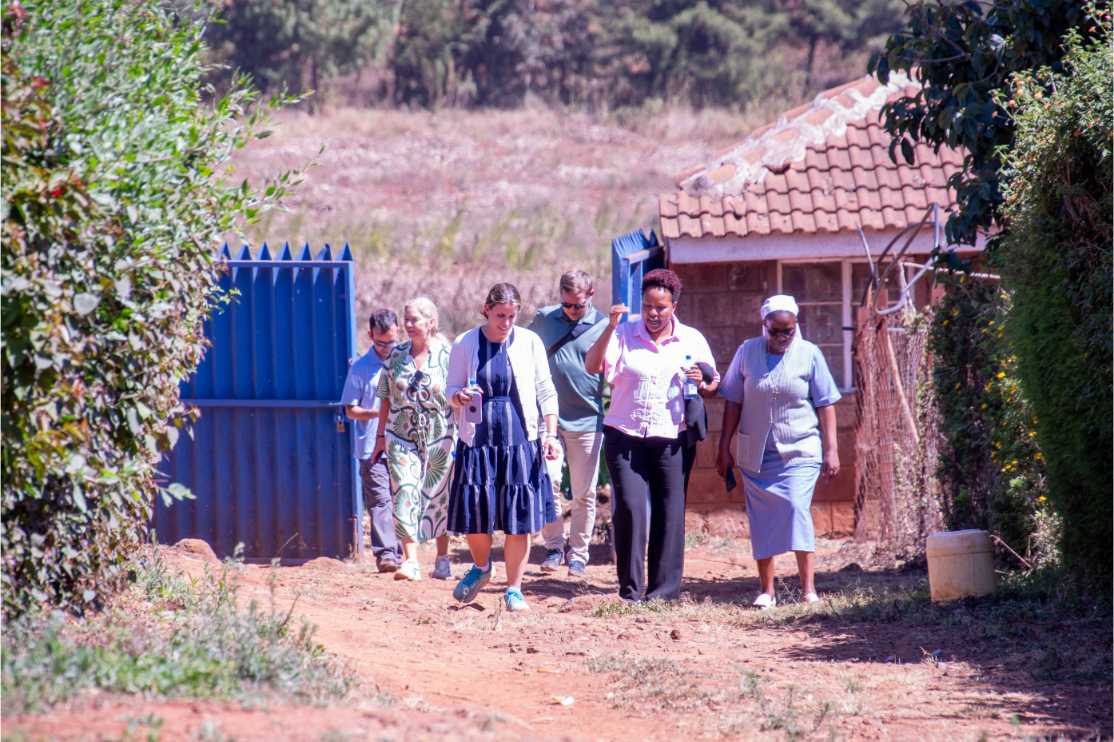
In September, the Sisters’ Blended Value Project (SBVP) team visited the Little Daughters of St. Joseph in Tobiko, a small rural village in Ngong. The visit was part of an exercise to collect research data. After the customary greetings and a warm welcome, I decided to walk around the sisters’ expansive compound to see how they were using the land.
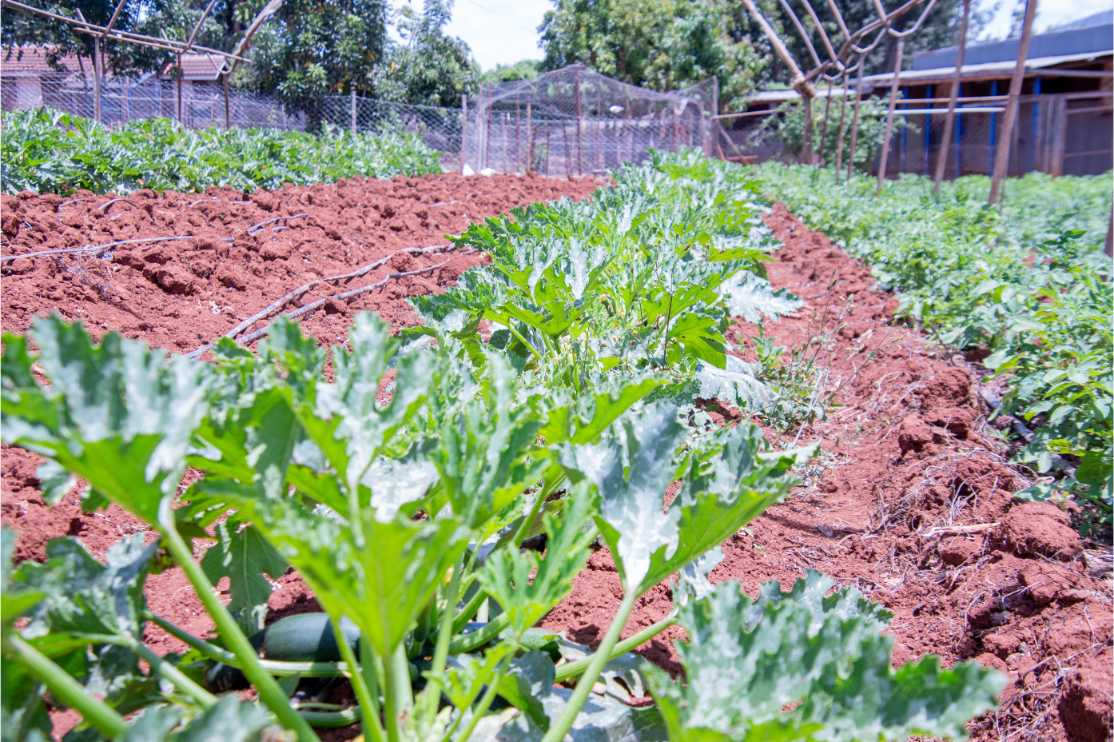
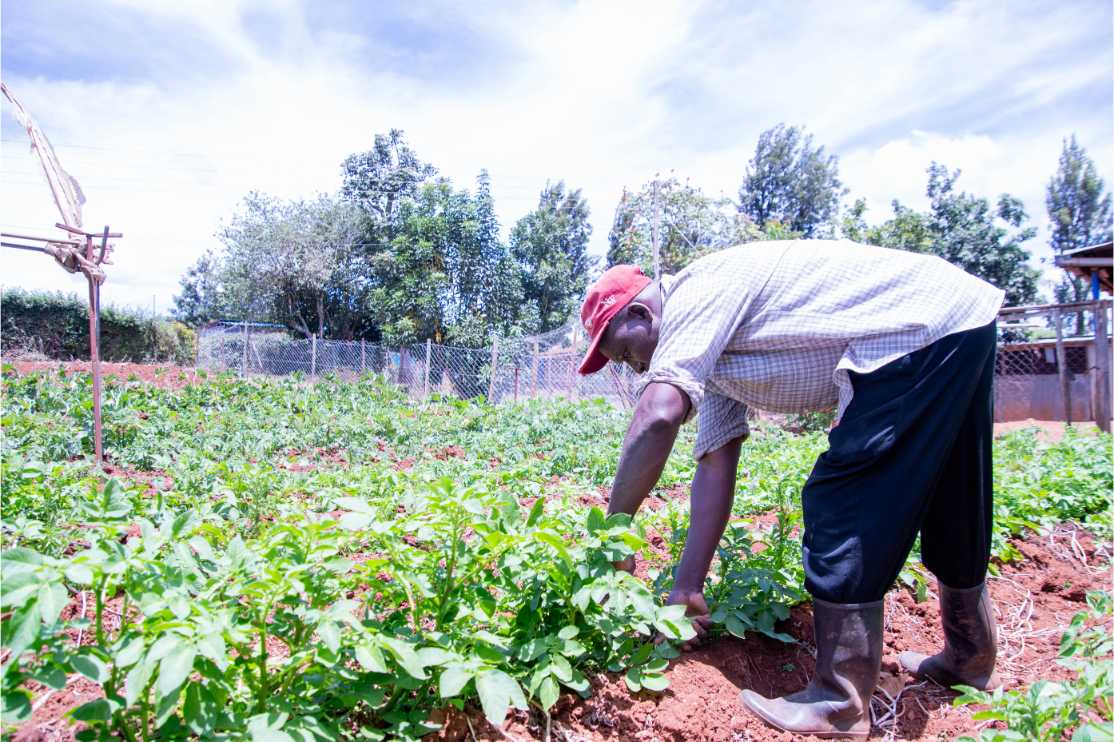
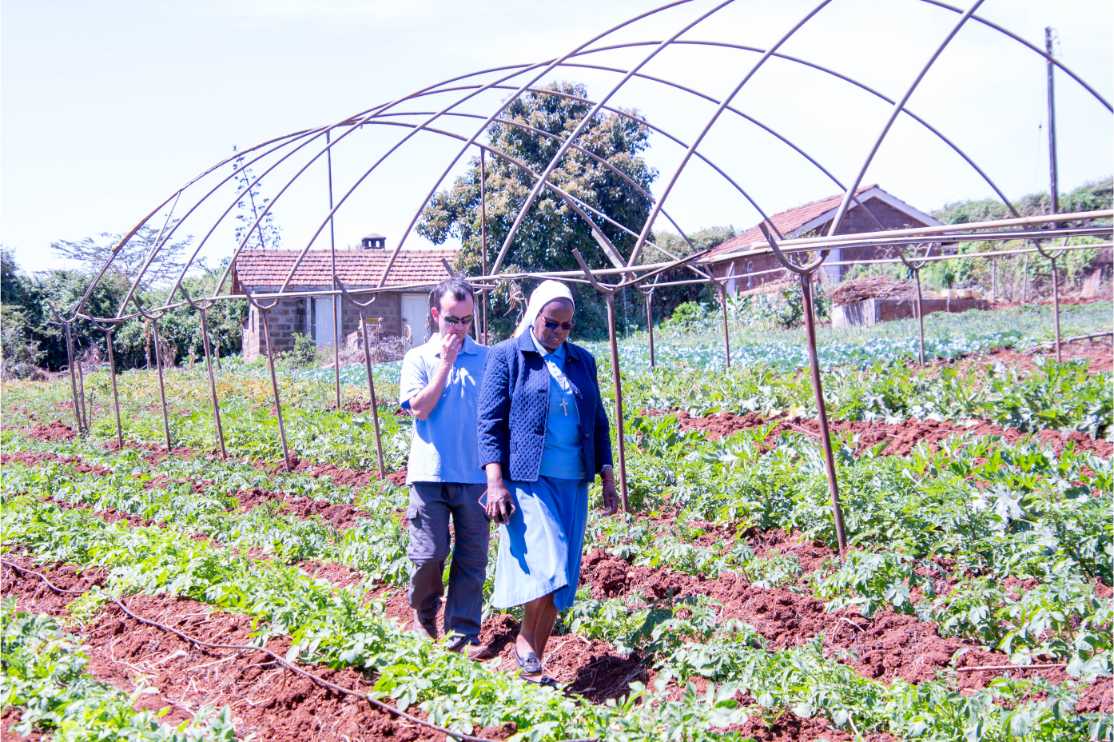
The first thing that caught my attention was how carefully the land had been divided into plots. Sweet potatoes, carrots, kale, spinach and tomatoes occupied different sections, all supported by irrigation. Each crop had its place, revealing a deliberate approach to farming.
Sister Catherine Nganga, who has been part of the community for more than two years, explained their approach to agriculture. “We practise organic farming, avoiding synthetic chemical inputs to protect soil health, maintain soil fertility, preserve biodiversity and promote sustainable agricultural production,” she said.
This commitment was evident in the way the sisters practised intercropping, growing compatible crops together to make the most of the available land and resources. According to Sr. Catherine, the approach improves ground cover, reduces soil erosion and supports biodiversity. It also diversifies production, allowing the community to harvest a wider variety of foods.
For the sisters, organic farming is more than a method of cultivation; it is central to their mission of producing healthy food while caring for the environment.
Crop rotation offered another glimpse into how the sisters were nurturing their land. As we walked through the farm, I noticed that some plots were being prepared for planting, while others were covered in vegetation and appeared to have been left uncultivated for the season. Curious about this, I asked Sr. Cecilia Kimani, one of the sisters who had attended SBVP training at Strathmore University, why the plots were being managed differently.
“By changing the crops grown in specific plots across seasons, we help manage soil nutrient levels and interrupt some pest and disease cycles,” she explained.
Charles Githinji, who supports the sisters in their farming activities, added that crop rotation is an important way to improve soil health and sustain agricultural production over time.
Beyond the gardens, the sisters’ efforts to plant and nurture trees revealed another dimension of their environmental stewardship. I walked through a wooded section of the compound, where cypress trees stood at carefully spaced intervals. Their orderly arrangement added to the beauty of the landscape, but their value extended beyond aesthetics.
Sister Caroline Njoroge, who has been working alongside Sr. Catherine, explained that the trees also served an important environmental purpose. “These trees slow surface runoff, which helps stabilise the soil, support biodiversity and improve water infiltration in the area,” she said.
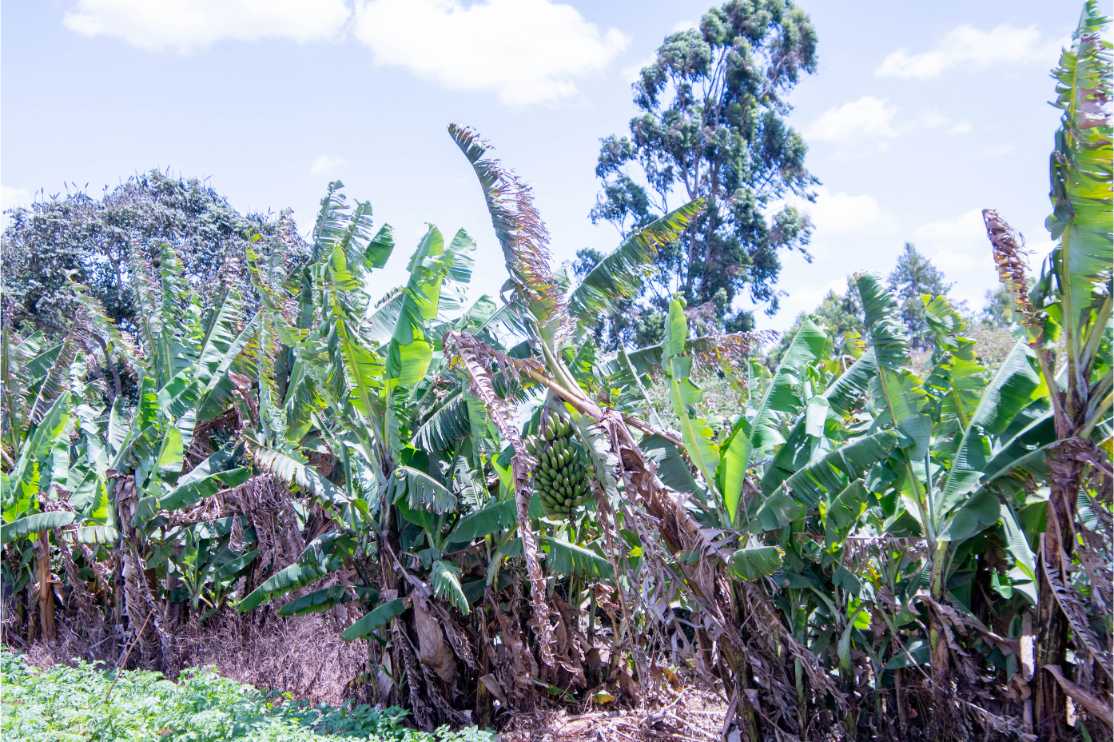
The sisters have also established a plantation of avocado, orange and other citrus trees, alongside banana plants. Together with the vegetables and root crops, these fruit trees contribute to a diverse food basket that supports the community’s nutritional needs. Any surplus produce could also provide an opportunity to generate income, further strengthening the sustainability of their activities.
As the visit came to an end and our van wound its way down the ridge towards Ngong town, one thought stayed with me: these women deserved to be celebrated.
In a rural setting where economic challenges and pressure on natural resources persist, the Little Daughters of St. Joseph were demonstrating how caring for people and caring for the environment can go hand in hand. Through everyday farming practices, they are working to protect soil health, conserve biodiversity and produce food for their community. Their work may not always attract attention, but its value is evident in the land they tend and the food they grow.
This International Day of Rural Women, let us celebrate the Catholic Sisters who nourish communities and care for our common home. Share their stories, recognise their contribution and support the efforts of consecrated women building more sustainable communities through faith and enterprise.
Article d'Alex Okoth
Partagez cette histoire, choisissez votre plateforme !
Votre voyage vers l'excellence commerciale commence ici. Abonnez-vous dès aujourd'hui et soyez à la pointe de l'innovation et du leadership.

Fondation Conrad N. Hilton
La Fondation Conrad N. Hilton envisage un monde dans lequel l'amélioration de la condition humaine est un objectif commun et durable. “Aimez-vous les uns les autres, car c'est là toute la loi”, a écrit Conrad Hilton dans son testament. Les peuples du monde “méritent d'être aimés et encouragés - jamais d'être abandonnés à leur solitude dans la pauvreté et l'obscurité”. Telle est notre détermination.







 English (United States)
 English (UK)
 French