





What does it take to transform public service in Africa? Is it a question of having the right policies and institutions, or does meaningful change begin with how leaders think, lead and serve?
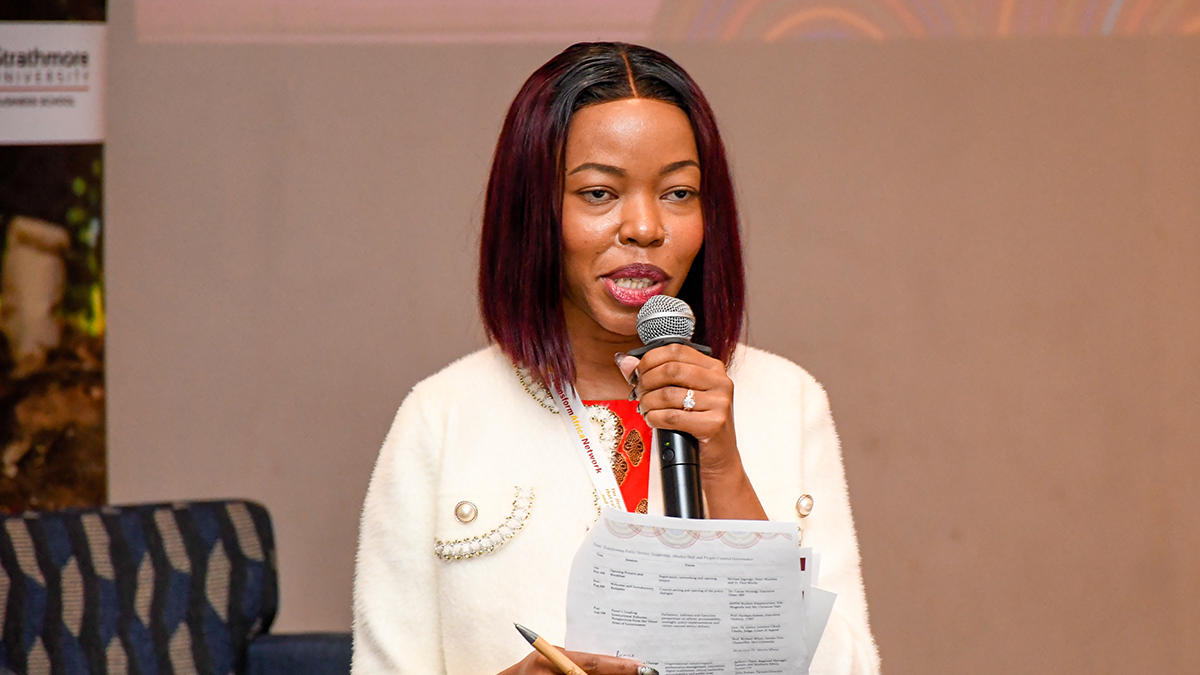
These questions shaped the conversations at the TAN Symposium on Good Governance in Public Service in Africa, held on 12 November 2026 at the Radisson Blu, Nairobi. Convened by the Transform Africa Network (TAN), CPST and Strathmore University, the symposium brought together leaders and practitioners from different sectors to reflect on the future of public service and governance across the continent.
Held under the theme “Transforming Public Service: Leadership, Mindset Shift and People-Centred Governance,” the symposium explored a challenge that continues to confront many African institutions: how to translate laws, policies and constitutional commitments into meaningful outcomes for citizens.
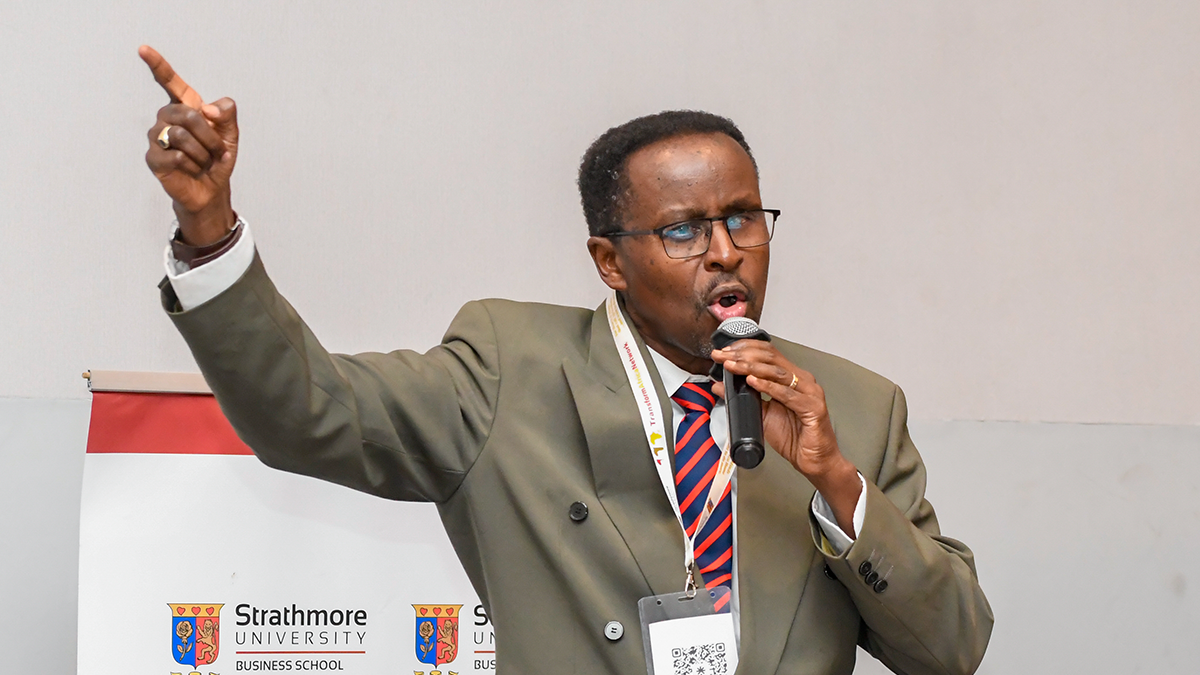
In his opening remarks, Dr. Caesar Mwangi, Dean of Strathmore University Business School, invited participants to look beyond Africa’s natural resources and recognise that the continent’s greatest wealth lies in its people. He challenged leaders to consider the mindset required to drive transformation, calling for a shift from self-centredness to people-centred leadership.
For Dr. Mwangi, the responsibility to transform Africa cannot rest with a few individuals or institutions. Those who have been given opportunities and privileges have a responsibility to use them to create opportunities for others, particularly the generations that will shape the continent’s future.
It was a reminder that leadership is not simply about the positions people occupy, but what they do with the influence and opportunities entrusted to them.
From policy to practice: Where does institutional reform begin?
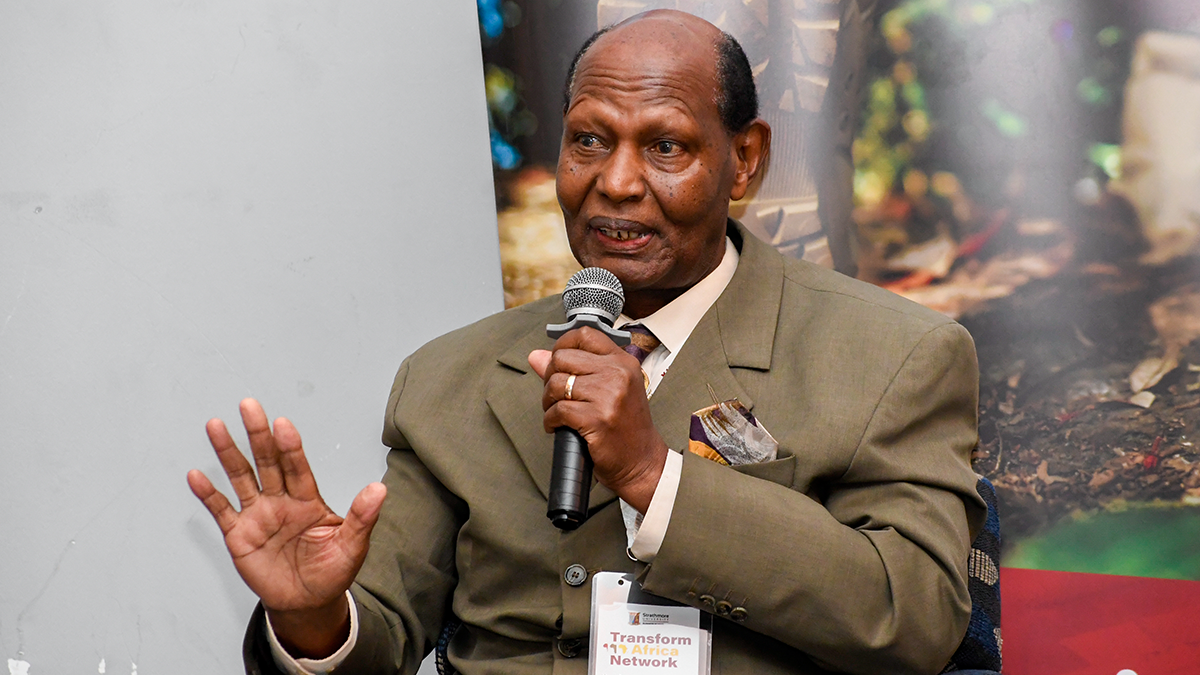
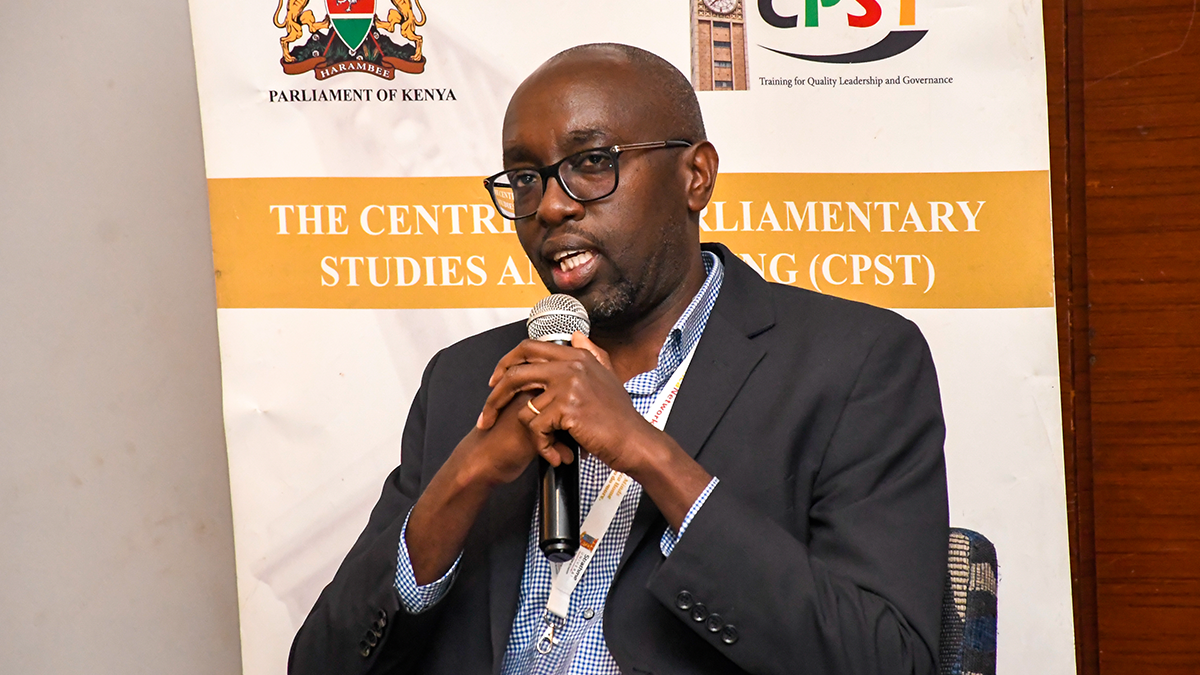
The first panel, Leading Institutional Reforms; Perspectives from the Three Arms of Government, examined the role of Parliament, the Judiciary and the Executive in strengthening public institutions.
A central question emerged from the discussion: if good laws, policies and institutions already exist, why do the intended results often remain difficult to achieve?
The conversation brought attention to the gap between policy formulation and implementation. Having the right frameworks is important, but their value is ultimately measured by how effectively they serve the public.
Discussions also highlighted the importance of parliamentary oversight, public participation and accountability in ensuring that public resources are used responsibly and that government commitments translate into better services. Institutional reform, therefore, requires more than putting systems in place. It calls for a consistent commitment to implementation and a willingness to be held accountable for results.
Managing change while sustaining integrity
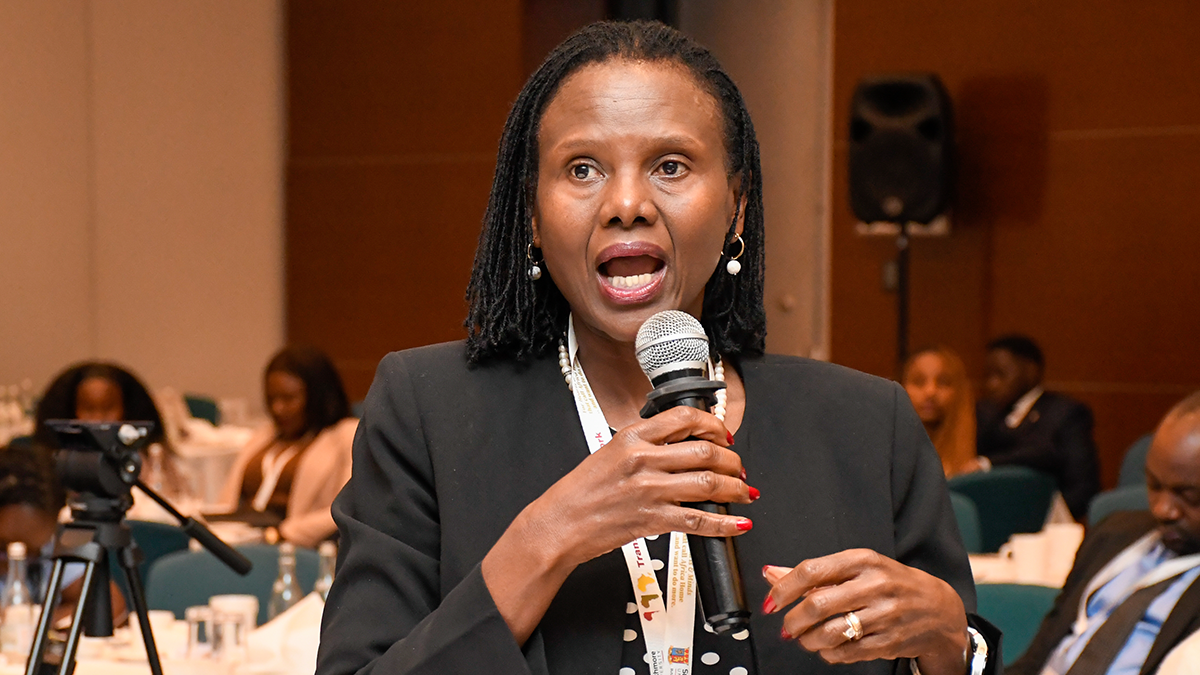
In the second panel, entitled Managing Change and Integrity Under Pressure, the focus of the conversation changed to the people and organizational cultures that make or break the reforms.
Whereas policies and institutions set the course of change, change itself is influenced by how people perceive, experience, and interact within the process of change. It was stressed that the key to success is to engage the stakeholders and communicate the purposes of the reforms.
Without participation, even the best of intentions regarding reform will face resistance. Sustainable change needs the building up of capacities within institutions to effect change, improve accountability and put in place systems that work even when the leadership changes.
Digitisation and Artificial Intelligence were discussed as an avenue through which institutions can be transformed. With technology changing how organisations operate, there is increased need to look into their effects on people, quality and processes within the institutions. Innovation should come hand in hand with effective change management.
A different way of thinking about leadership
This common theme in all the dialogues is that transformation in public service cannot be accomplished merely through policies and structure. It involves leaders who are conscious of the fact that they are not responsible for the performance of institutions but the well-being of the citizens whom they are supposed to serve.
People-centeredness in governance entails placing the citizen at the core of governance. This calls for institutions that are moral, accountable, adaptable and learning organizations.
In essence, the issue does not lie in whether Africa has all that it needs in terms of policy and governance institutions for transformation to occur. It lies in whether those at the helm of affairs are prepared to implement such changes, break away from the status quo, and provide others with opportunities.
As Africa moves ahead in pursuit of its development goals, the process of transforming its public services requires an attitudinal shift from leadership as privilege to leadership as service.
The Africa we want to build will depend not only on the institutions we establish, but also on the people, values and decisions that give those institutions purpose.
Article de Juliet Hinga
Partagez cette histoire, choisissez votre plateforme !
Votre voyage vers l'excellence commerciale commence ici. Abonnez-vous dès aujourd'hui et soyez à la pointe de l'innovation et du leadership.







 English (United States)
 English (UK)
 French