

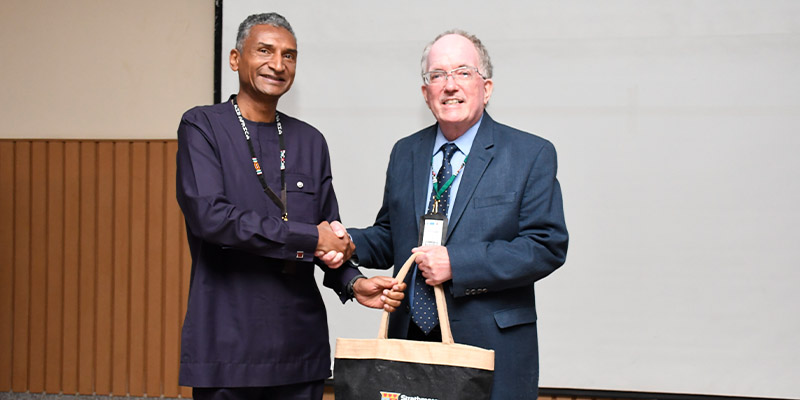
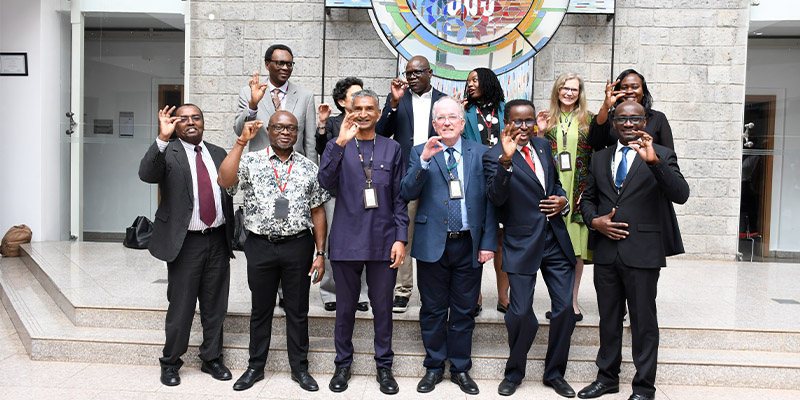
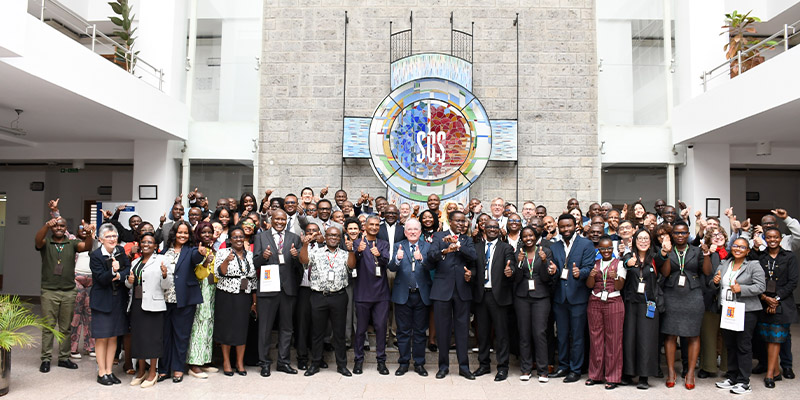
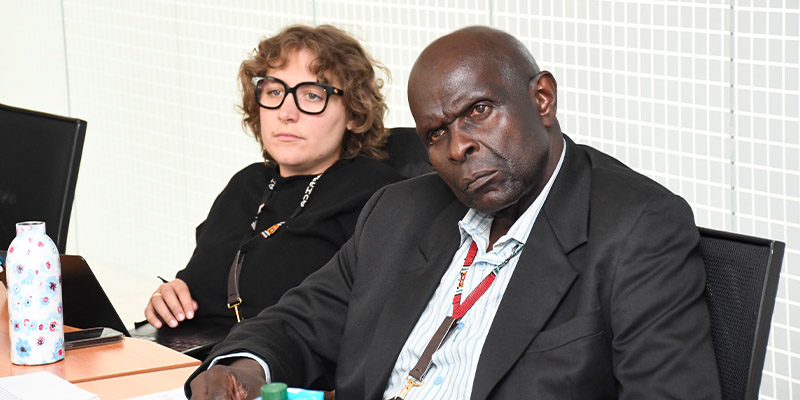
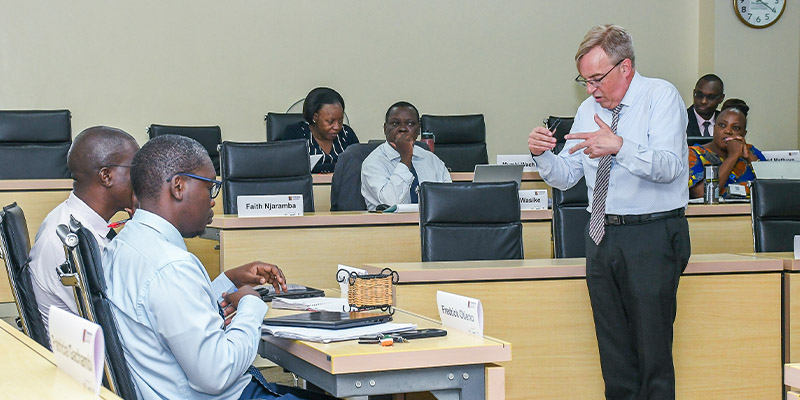
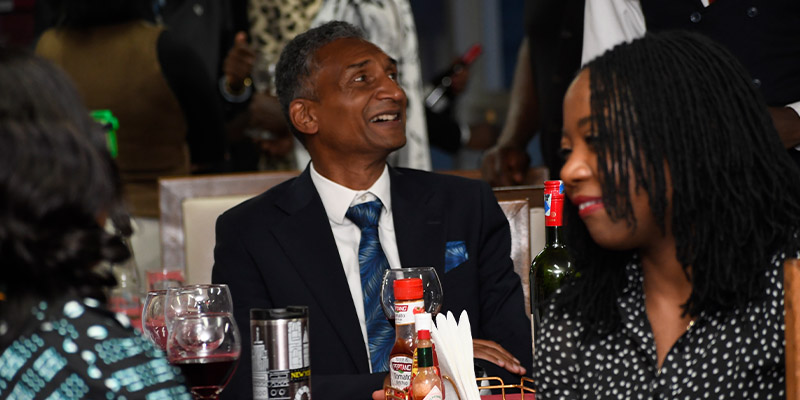
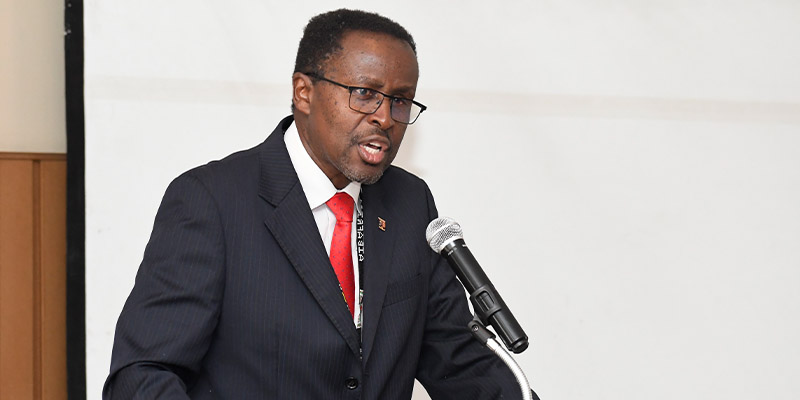
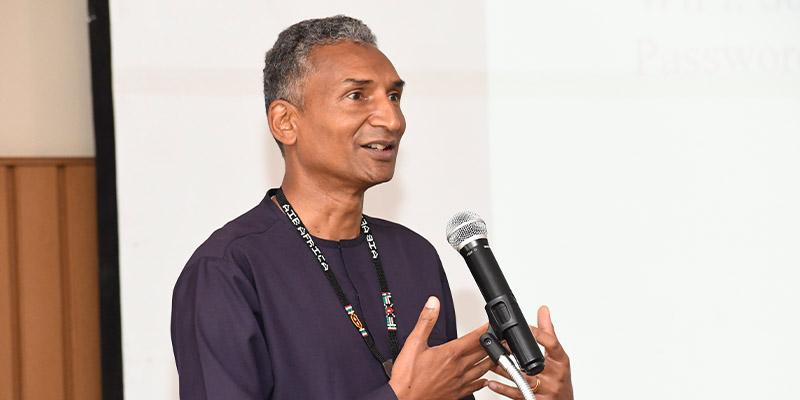
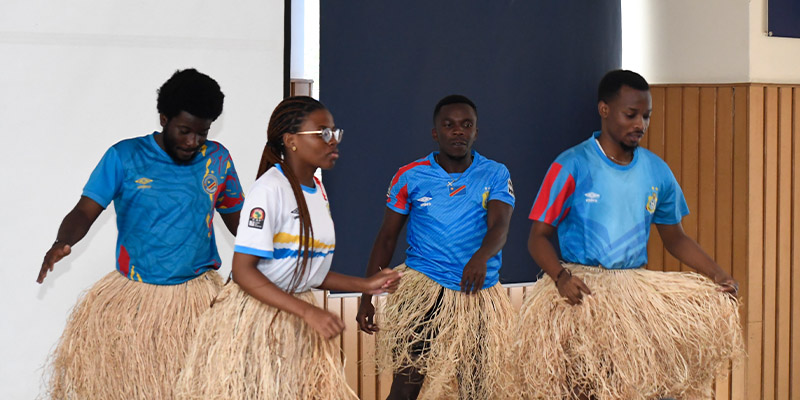
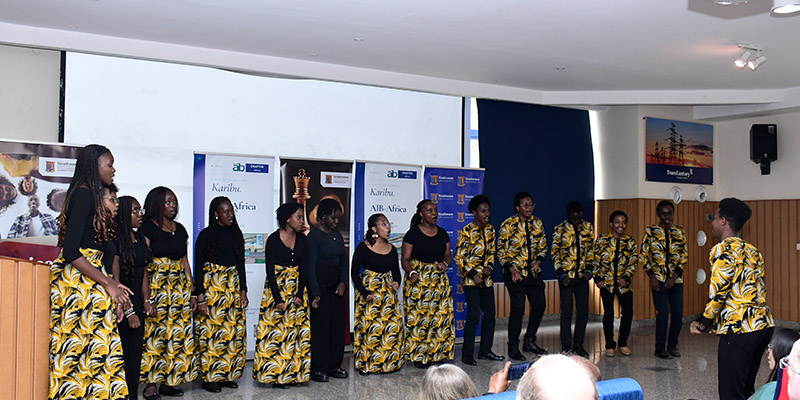
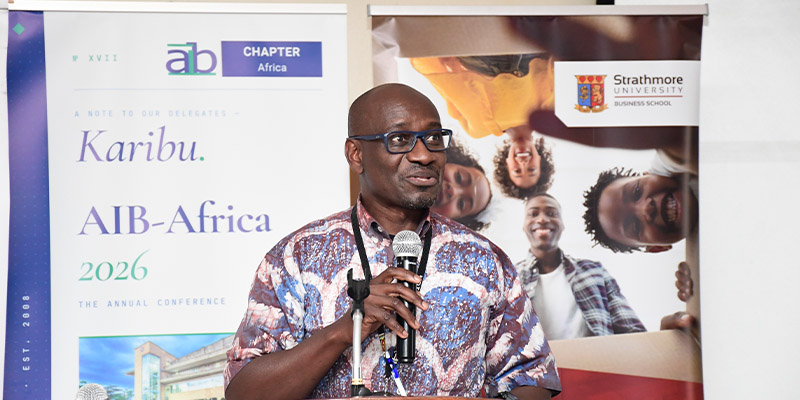
From 25th to 29th May 2026, Strathmore University Business School (SBS) hosted the Academy of International Business (AIB) Africa Conference 2026. More than 140 scholars, researchers, practitioners, and doctoral students from 39 countries gathered to explore a crucial theme: Africa’s emergence as a central force in shaping global business, and how the continent can navigate uncertainty and complexity to redefine its future.
Held under the theme “Navigating Uncertainty, Complexity, and Redefining Limits,” the conference brought together leading voices from academia and industry for a rich exchange of ideas, research, and practical insights. Through collaborative dialogue and learning, the event reinforced Africa’s emerging role in international business research and practice.
The opening plenary began with remarks from Dr. Caesar Mwangi, Executive Dean of Strathmore University Business School. He highlighted Africa’s youthful population as one of its greatest strengths. Unlocking this advantage, he noted, will require innovation, entrepreneurship, and collaboration. Such efforts are critical as economies and industries evolve in an interconnected world.
Professor Elie Chrysostome, Chair of the AIB Africa Conference 2026, highlighted the growing global interest in understanding business within the African context.
“The African context has recently been of increasing interest for International Business scholars. This conference examines its challenges and complexities and explores how companies involved in international business on the continent can effectively respond to them.”
His remarks captured the conference’s core message: a commitment to positioning African experiences and innovations as significant contributors to global business knowledge.
Delivering the Academic Keynote Address, Professor Gary Knight, former President of the Academy of International Business, explored the theme “Global Megatrends: Challenges and Opportunities for the International SME.” His keynote examined the major disruptions reshaping the global business environment, including geopolitical tensions, technological transformation, economic volatility, and climate-related challenges.
While acknowledging the uncertainty created by these global shifts, Professor Knight emphasized that disruption also presents opportunities for innovation, resilience, and new avenues of research. His presentation provided an intellectual foundation for the thought-provoking discussions that unfolded throughout the conference.
During the three-day programme, delegates engaged in conversations across thirteen tracks. Topics included internationalisation, entrepreneurship, international marketing, sustainability, digitalisation, finance, regional integration, value chains, human resource management, and emerging African multinationals, among others.
The breadth of discussions reflected the complexity of today’s international business. Researchers explored diverse topics. These included the internationalisation of African firms and family businesses, artificial intelligence, digital transformation, sustainability, and social innovation. Other topics were opportunities from the African Continental Free Trade Area, value chain resilience, entrepreneurship, SME competitiveness, and talent management in interconnected economies.
Beyond research presentations, the conference placed significant emphasis on nurturing the next generation of scholars and strengthening Africa’s research ecosystem. A dedicated Doctoral Consortium offered doctoral candidates opportunities to engage with experienced academics and receive mentorship throughout their research journeys.
The Meet-the-Editors Session offered insights into academic publishing. Editors from international business journals attended, including the Journal of International Business Studies, AIB Insights, Africa Journal of Management, and the Review of International Business and Strategy. Participants received practical guidance on publishing, peer review, and ways to enhance research impact.
A Faculty Development Session, “Making Good Use of the African Context in Your Research,” challenged scholars to ground international business theories in African realities. It also encouraged the generation of knowledge with global relevance. These initiatives reinforced a main conference objective: strengthening Africa’s contribution to global scholarship and supporting a vibrant research community to address business challenges.
A standout moment of the conference was the Business Keynote Address delivered by Dr. Peter Ndegwa, CBS, Chief Executive Officer of Safaricom PLC.
Dr. Ndegwa reflected on the conference theme and challenged delegates to rethink common ideas about uncertainty. He said uncertainty is no longer unique to emerging markets but is now central to the global business world. Organisations everywhere face complexity from geopolitical tensions, climate change, artificial intelligence, and technological disruption.
Yet, he observed, Africa’s long-standing experience operating in complex environments has fostered resilience, adaptability, and innovation. Drawing on Safaricom’s transformation and the success of M-PESA, Dr. Ndegwa demonstrated how African innovation is increasingly influencing global business thinking and practice.
He emphasized the need for collaborative ecosystems between governments, businesses, fintech innovators, and communities. Such collaboration drives sustainable growth and shared prosperity. He argued that Africa’s young, digitally connected population, its investments in new technologies, and local innovation models position the continent as a key driver of future global growth.
His message resonated strongly with delegates: “Africa is not just catching up; she is now driving global business.”
As the conference ended, the message was clear: Africa is shaping global trends, not just responding to them. Across all sectors, its leaders turn uncertainty and complexity into catalysts for transformation, not barriers.
Supported by the Academy of International Business, Strathmore University, Florida International University, and the Sheth Foundation, the AIB Africa Conference 2026 underscored Africa’s growing influence within global academic and business spheres. More importantly, it confirmed Africa’s position as a leading source of ideas, innovation, and leadership, shaping the future of international business.
Article de Juliet Hinga
Partagez cette histoire, choisissez votre plateforme !
Votre voyage vers l'excellence commerciale commence ici. Abonnez-vous dès aujourd'hui et soyez à la pointe de l'innovation et du leadership.






 English (United States)
  English (UK)
  French