






Kenya is gradually transitioning from a linear economic model, where materials are turned into products, used and discarded, towards a circular model that keeps resources in use for as long as possible through reuse, recycling and recovery. The country’s circular economy journey gained momentum with the 2017 ban on single-use plastic carrier bags.
Since then, the policy framework has continued to evolve. The Sustainable Waste Management Act, 2022, identifies promoting circular economy practices for green growth as one of its key objectives. A central instrument under the Act is Extended Producer Responsibility (EPR), which places obligations on producers to take responsibility for their products beyond the point of sale and throughout the post-consumer stage of their lifecycle.
In November 2024, Kenya gazetted the Sustainable Waste Management (Extended Producer Responsibility) Regulations to operationalise these provisions. Under the regulations, producers are required to register with the National Environment Management Authority (NEMA), establish take-back systems, pay fees linked to product volumes and submit annual reports. They can fulfil these obligations individually or through collective producer responsibility schemes.
In practice, this shifts accountability upstream. When producers are responsible for what happens to their products after use, decisions about materials, packaging and product design become directly linked to compliance, costs and recovery. This is the thinking behind the first-mile agenda: embedding responsibility at the earliest stages of the value chain rather than waiting until products become waste. However, challenges remain, with manufacturers previously identifying low awareness, taxation and regulatory requirements as barriers to the transition.
Ultimately, how we design, source, produce, transport, use and recover products determines the kind of economy we build. A resilient circular economy therefore requires a fundamental shift in how we approach supply chains, with greater attention to the decisions made long before a product reaches the consumer.
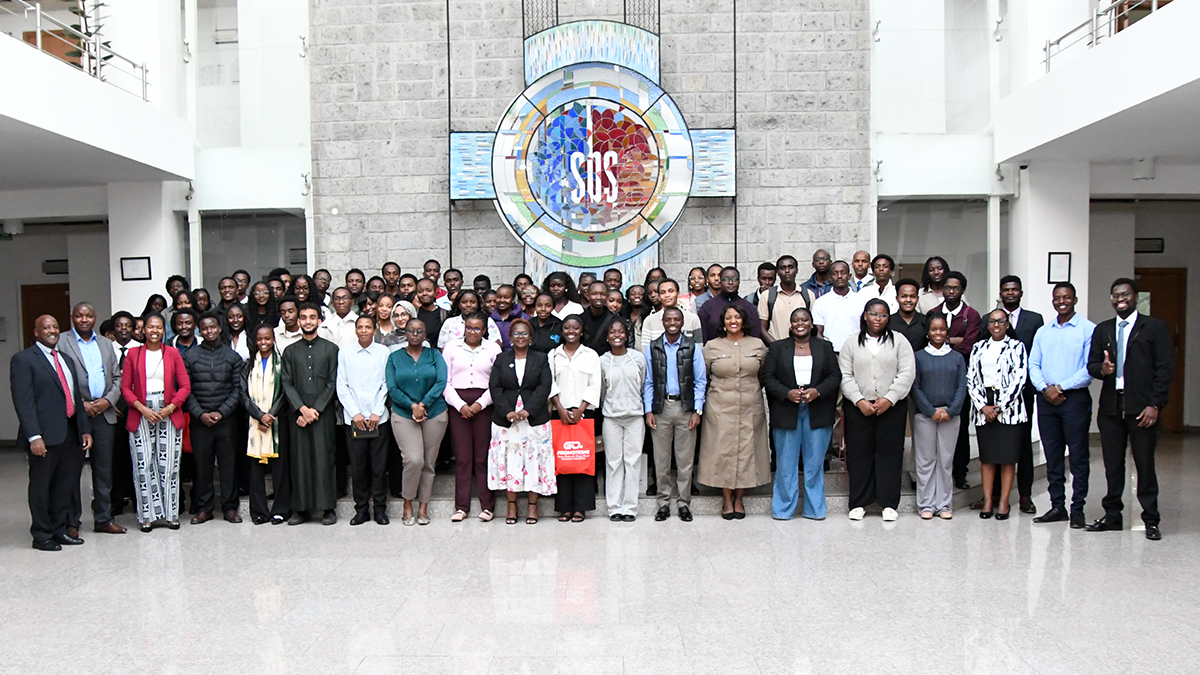
This was the central message of the fifth edition of Supply Chain Disruption Week 2026, held at Strathmore University Business School (SBS) under the theme “Logistics for a Resilient Circular Economy: Advancing the First Mile Agenda for Upstream Accountability.” The event brought together industry and academia to explore the future of logistics, sustainable supply chains, procurement, governance and the skills needed to advance a circular economy.
The keynote address explored how leadership, inclusivity, circularity and future skills will shape the logistics sector. It highlighted the importance of an efficient first-mile approach, supported by technology, sustainable transport and responsible packaging, alongside the recycling and reuse of materials.
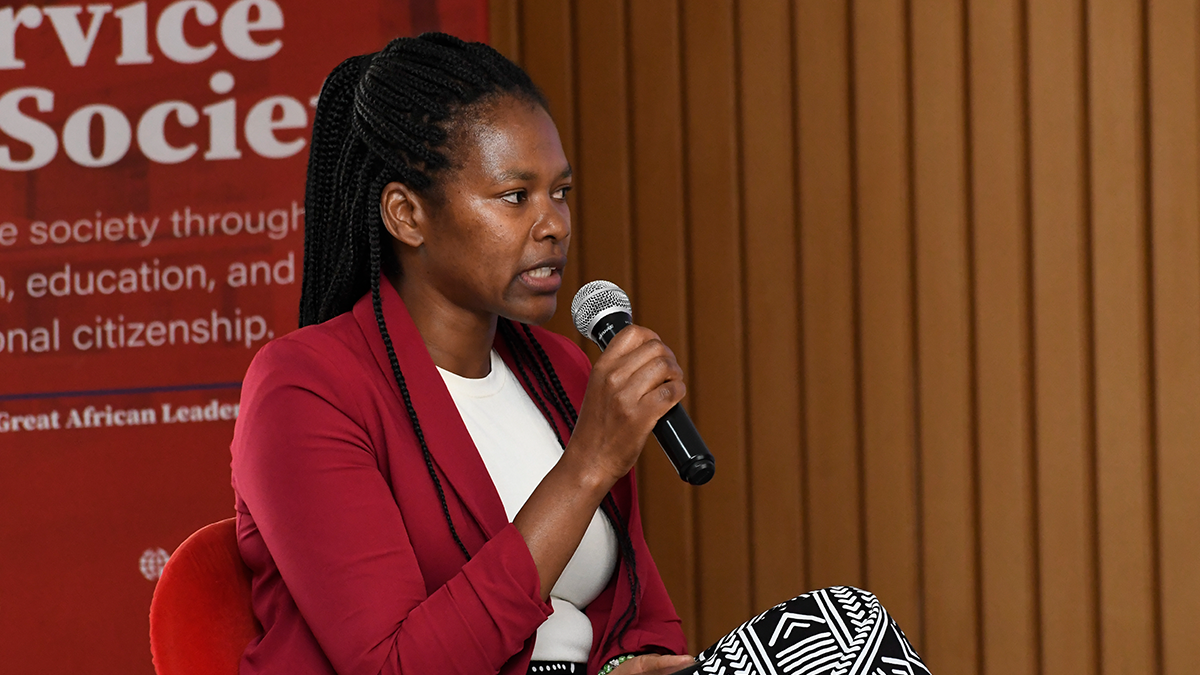
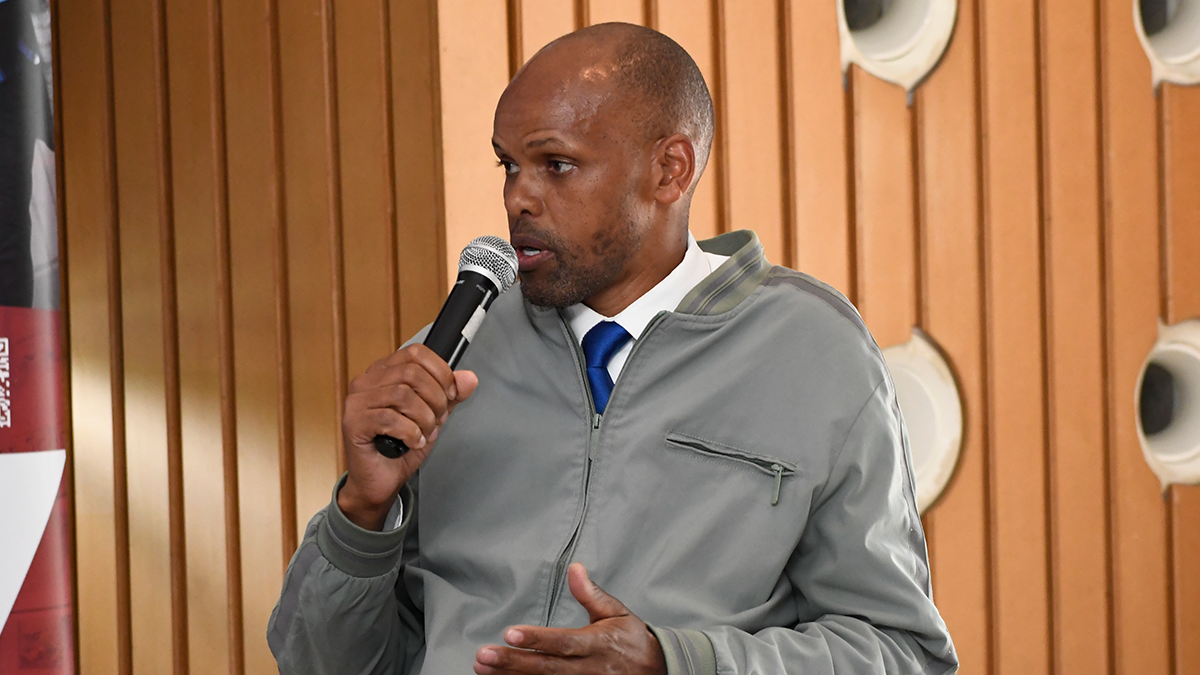
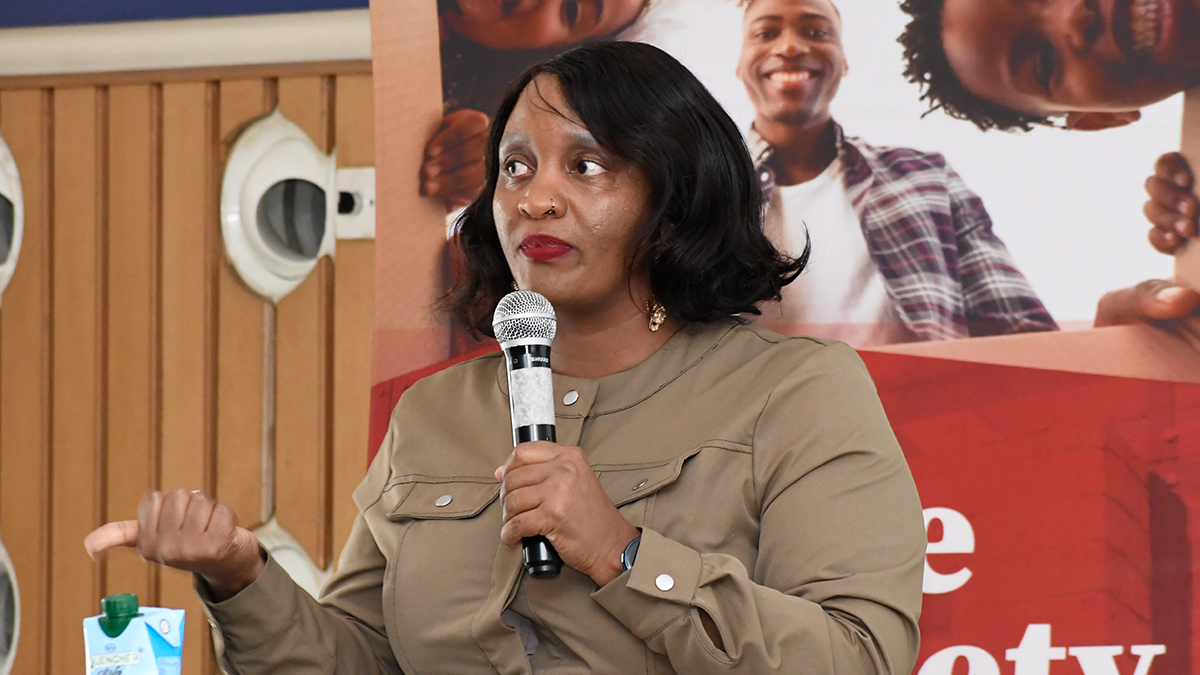
The first panel examined accountability for the first mile, with a particular focus on procurement and governance. All the panelists emphasised that sustainability must be considered from the outset, particularly during product design and sourcing. This places significant responsibility on manufacturers, producers and procurement professionals, whose early decisions influence the environmental impact of products and the possibilities for recovering and reusing their materials throughout their lifecycle.
The conversation continued with “The Great First Mile Debate,” which challenged participants to consider whether accountability for a circular economy should begin at the start of the value chain rather than at the end. The second executive panel, “Closing the Loop: Rethinking Logistics, Recovery and Future Skills for a Circular Economy,” shifted the focus to recovery systems and the capabilities needed to support the transition to circular supply chains.
The programme also created opportunities for students and industry practitioners to engage directly through a roundtable discussion on what it takes to become a supply chain professional today. The exchange provided a platform to share perspectives on the evolving demands of the profession and the skills needed to navigate an increasingly complex, technology-driven and sustainability-focused business environment.
A circular economy cannot be built by one part of the supply chain working in isolation. It requires shared responsibility, collaboration and a willingness to rethink established practices, from the first mile to the last. Crucially, accountability must be embedded from the point of design and sourcing, creating opportunities to minimise waste, recover resources and build more resilient supply chains.
Through platforms such as Supply Chain Disruption Week, SBS continues to bring academia and industry together to exchange ideas, challenge conventional thinking and shape the next generation of leaders driving Africa’s transformation.
Article de Juliet Hinga
Partagez cette histoire, choisissez votre plateforme !
Votre voyage vers l'excellence commerciale commence ici. Abonnez-vous dès aujourd'hui et soyez à la pointe de l'innovation et du leadership.








 English (United States)
 English (UK)
 French