

Through the EcoRural Project, a Kenya–Ghana exchange is looking at what it takes to keep rural water systems working long after construction is complete.
Access to water is often marked by a visible milestone: a borehole is drilled, a treatment plant is commissioned, or a new supply system is handed over to a community. But for the people who depend on that water, the real story begins afterwards. Will the system keep working? Who will maintain it when a pump breaks down? Are there enough resources to meet operating costs, and are the people responsible for the service answerable to the communities they serve?
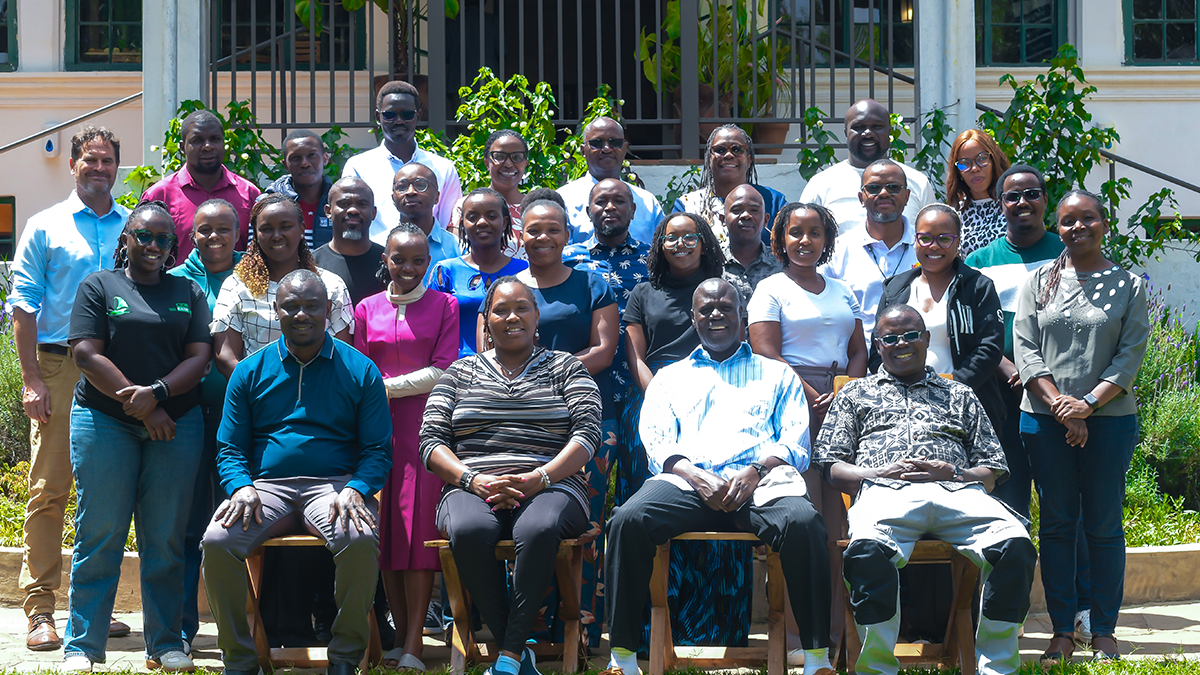
These questions are guiding a peer-to-peer learning exchange in Ghana under the Ecological Sustainability of Rural Water Systems (EcoRural) Project. The Strathmore University Water Governance & Innovation Hub is engaging with Ghanaian water sector institutions to learn from their experiences and consider how rural water services can be managed more sustainably.
The exchange brings together practitioners and researchers from Kenya and Ghana. The two countries have different institutional arrangements, but both offer useful lessons on a challenge that extends beyond infrastructure: making sure water systems continue to provide a dependable service over time.
A conversation about who keeps the water flowing
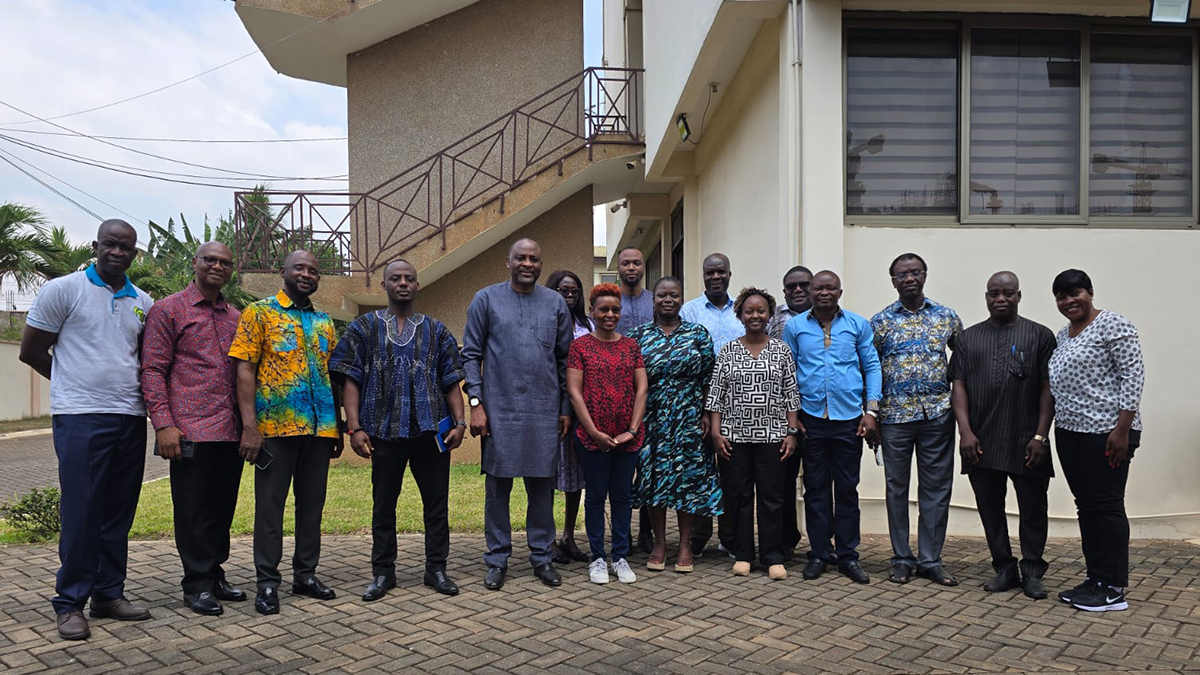
The team’s engagement began with a visit to Ghana’s Community Water and Sanitation Agency (CWSA). Discussions focused on the realities of managing rural water systems, particularly what happens when infrastructure is handed over to communities and the responsibility for keeping it running becomes theirs.
Community involvement remains important in rural water provision. Local people understand their needs and have a direct stake in the service. However, the discussions also brought out difficulties that some community-managed systems have faced, including limited maintenance capacity, gaps in management skills and questions around accountability. In some cases, systems have needed rehabilitation more than once, without the underlying management problems being fully addressed.
The conversation explored efforts to strengthen professional management through clearer responsibilities, technical expertise and more structured accountability. The issue was not whether communities should be involved, but how their ownership and participation can work alongside the professional support needed to operate and maintain a system.
That balance matters. Communities should have a voice in decisions about a service on which they rely, while water systems also need people with the skills and resources to manage daily operations, plan for repairs and account for the use of funds. When these roles are understood and supported, infrastructure has a better chance of serving people well beyond its first years.
For the Water Governance & Innovation Hub, the discussions raised a question with relevance for both Ghana and Kenya: how can rural water systems preserve local ownership while building the management capacity required for reliable service delivery?
Seeing the work behind the service at Sege
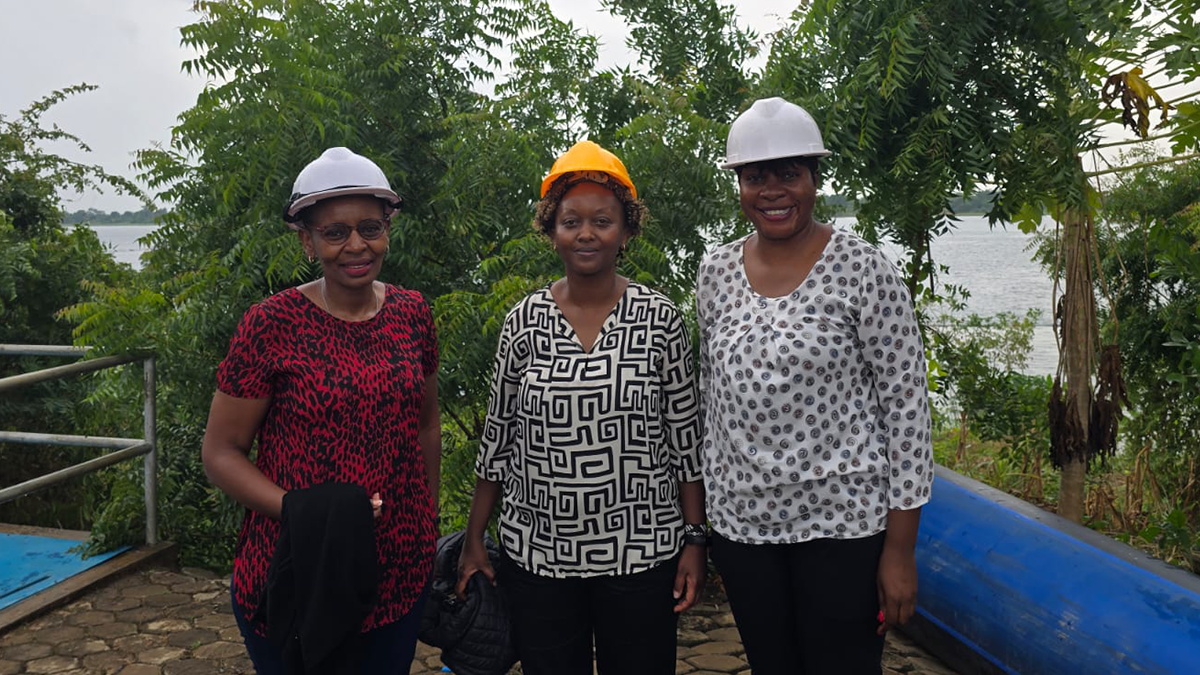
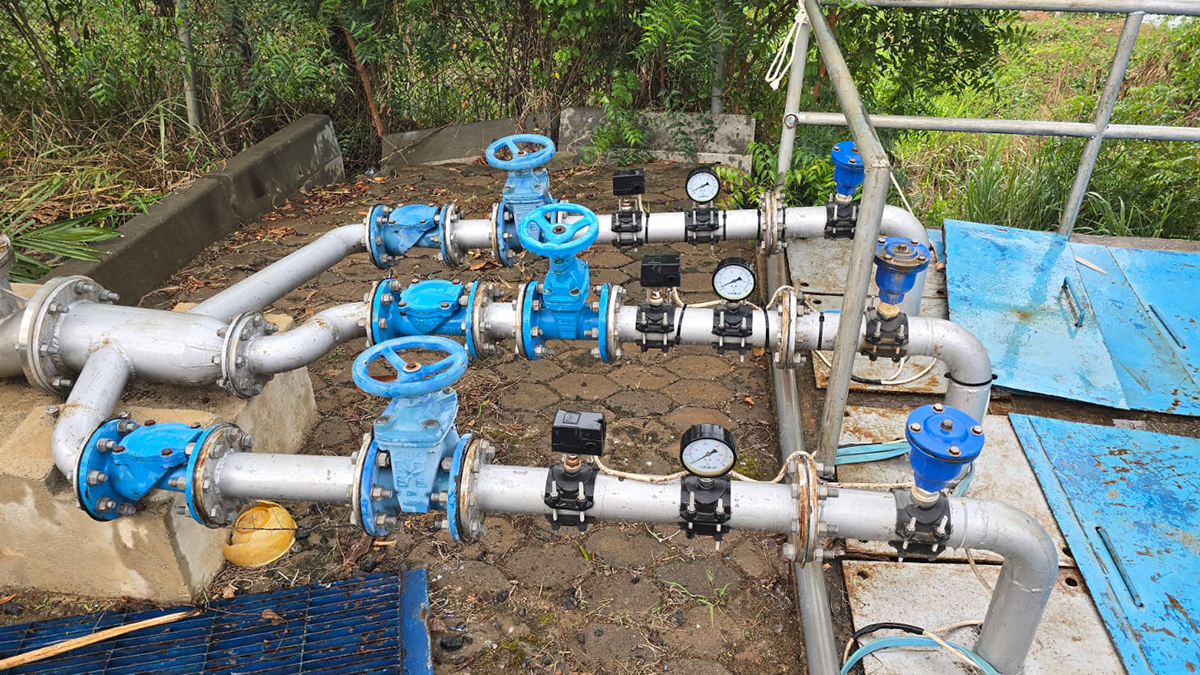
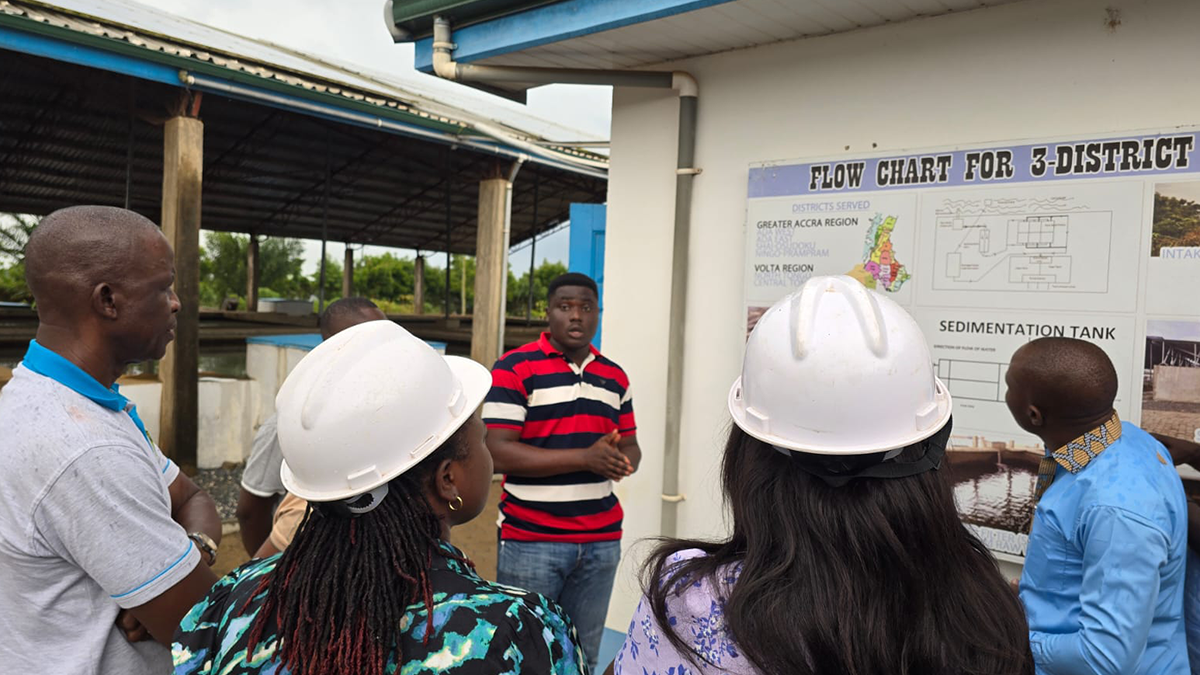
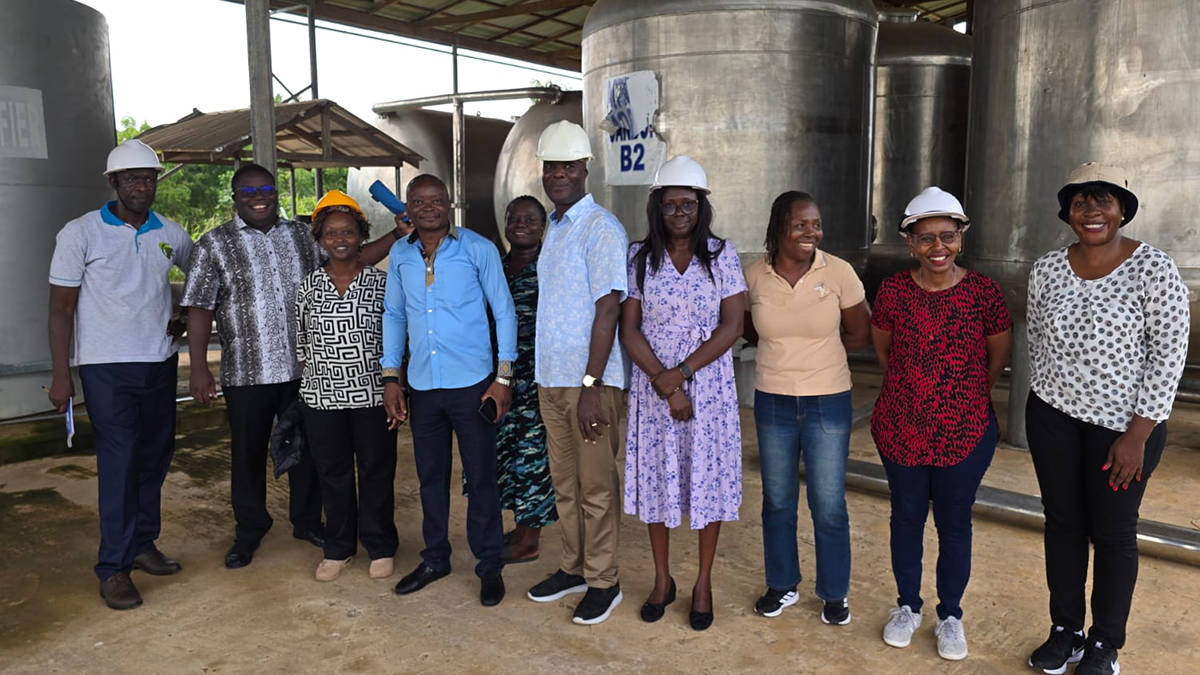
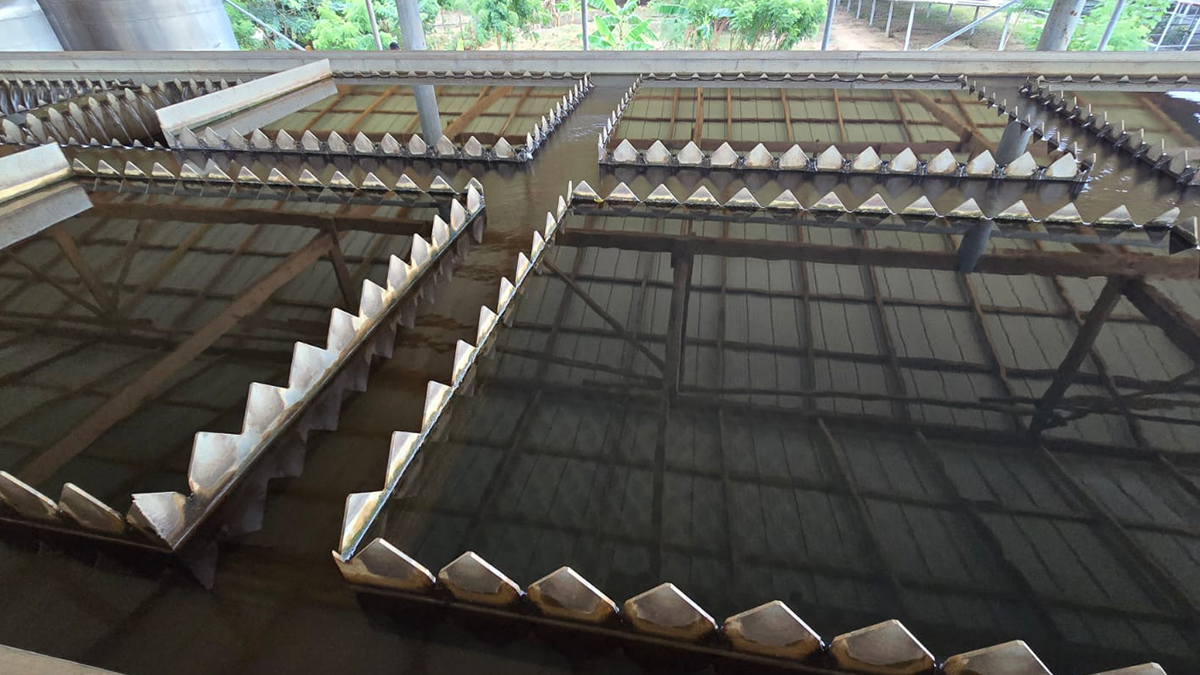
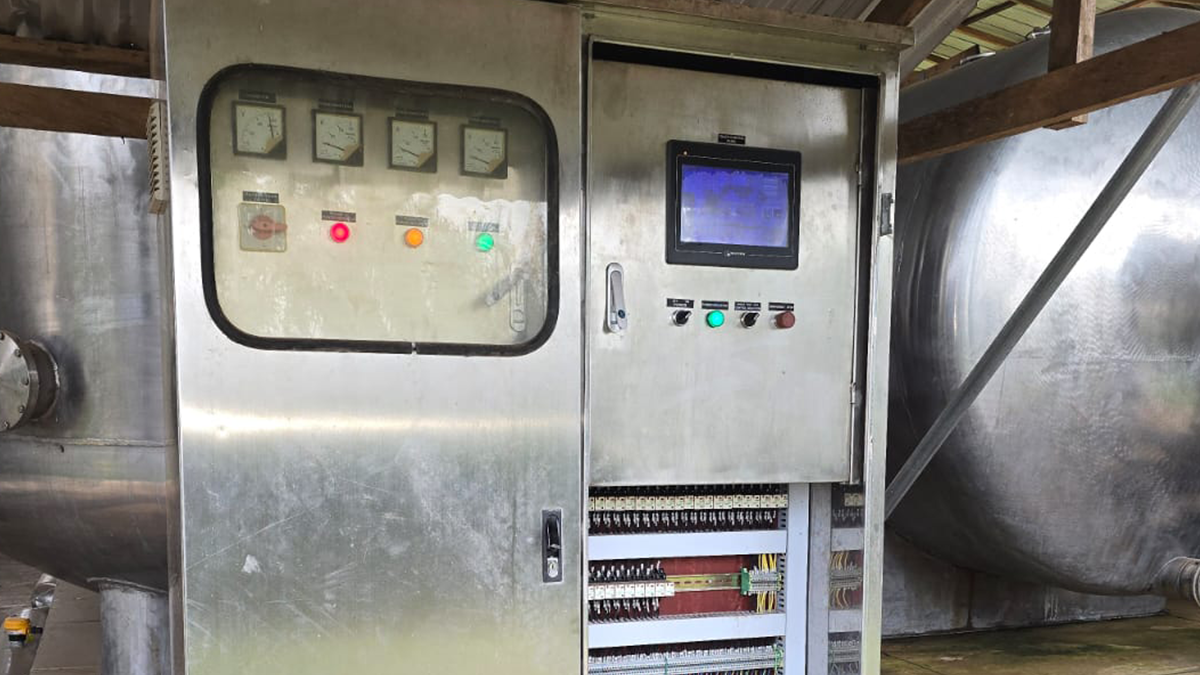
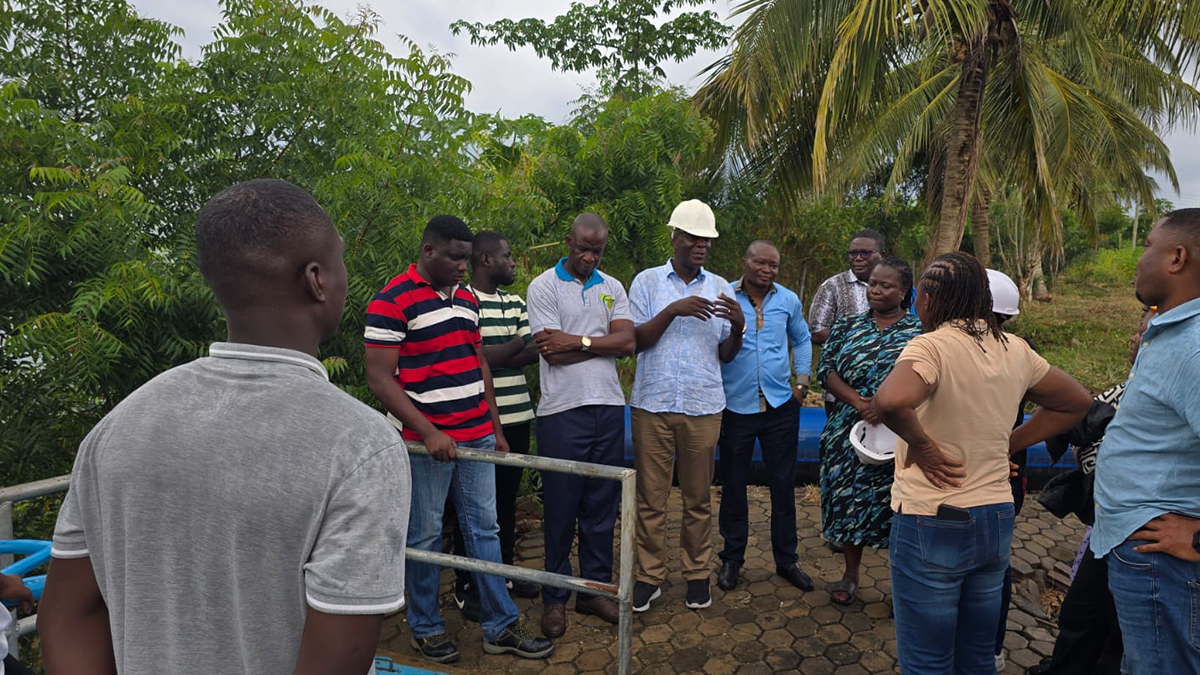
The learning continued with a visit to 3- District Water Supply System at Sege , where the team explored the practical work involved in running a water supply facility. Conversations covered management and staffing, financial reporting, coordination with regulators, water treatment and day-to-day operations.
These details can be easy to overlook when attention is focused on the construction of a water facility. Yet the performance of a system depends on the people who operate it, the processes they follow, and the decisions made about its resources. Staff need to know their responsibilities. Treatment processes must be managed properly. Financial records must help those in charge understand income and expenditure, while regulatory coordination supports responsible operations.
The Sege engagement offered an opportunity to connect broader discussions about governance with the everyday demands of running a water service. Behind a reliable supply are decisions about staffing, maintenance, costs, water quality and the coordination required to keep the service functioning.
It also prompted questions that are relevant to water providers everywhere: are operating costs being managed realistically? Are there clear lines of responsibility when something goes wrong? Can the system fund routine maintenance as well as respond to unexpected repairs? And are the technical and regulatory arrangements strong enough to protect the quality and reliability of the water supplied?
Sustainability is more than a technical question
Taken together, the engagements showed why the sustainability of rural water systems cannot be reduced to the condition of pipes, pumps or treatment equipment. A system may be technically sound but still struggle if responsibilities are unclear or maintenance is neglected. Good management can also be undermined if revenue is insufficient to cover essential costs, or if the available water resource cannot meet demand.
Sustainable service delivery therefore rests on several connected elements. Institutions need clear roles, coordination and accountability. Operators need the technical capacity to maintain infrastructure and manage daily operations. Financial arrangements must support the collection and careful use of funds. Communities need meaningful opportunities to participate and confidence that their needs are being considered.
Environmental concerns are part of this picture too. The long-term performance of rural water services depends not only on how infrastructure is managed, but also on the protection of water resources and attention to water quality. These issues are closely linked: a system cannot provide a dependable service indefinitely if the resource on which it depends is under threat.
For EcoRural, examining these connections is central to understanding what helps rural water systems remain functional, accessible and resilient. The project’s learning process looks at the relationship between management practices, governance, community participation and the environmental conditions that shape water services.
Why learning across Kenya and Ghana matters
The value of a peer-learning exchange lies not in finding a model that can be copied wholesale, but in understanding why particular approaches work in their own settings. Experiences from Ghana can prompt useful questions for Kenyan water service providers, just as Kenya’s experience can contribute to discussion with Ghanaian counterparts. Each context has its own institutions, communities and operating conditions; lessons must be considered with those differences in mind.
In Kenya, as in Ghana, the long-term performance of rural water services depends on how community participation, professional management, operational efficiency and accountability are brought together. Documenting experiences from both countries can help build a clearer evidence base on the conditions that support sustainable services and the challenges that need to be addressed.
The exchange will also inform EcoRural’s wider work to document practical experiences and develop training materials that respond to the needs of rural water service providers. The aim is to ensure that learning from the field can contribute to improvements in the way water systems are managed, rather than remain only a record of visits and discussions.
Keeping focus on the people who depend on water
For Strathmore University’s Water Governance & Innovation Hub, the Ghana engagement reinforces the importance of bringing research and practice into conversation. Water service delivery involves engineering and infrastructure, but it also depends on institutions, finances, sound decision-making and the relationship between service providers and the communities they serve.
As the peer-learning exchange continues through further field visits and discussions with water sector stakeholders in Ghana, the team will have more opportunities to document local experience and identify lessons that may be useful in both countries.
Ultimately, the measure of a water system is not simply whether it was built or officially opened. It is whether people can continue to rely on it, whether it is managed responsibly, and whether there is a plan and the capacity to keep it working. The conversations in Ghana brought that point back to the center: lasting access to water depends as much on the work of managing a system as it does on the infrastructure itself.
Article by: Winnie Omamo
Partagez cette histoire, choisissez votre plateforme !
Votre voyage vers l'excellence commerciale commence ici. Abonnez-vous dès aujourd'hui et soyez à la pointe de l'innovation et du leadership.






 English (United States)
 English (UK)
 French