

As Kenya prepares for the October–December rains, an innovative water-management technology is demonstrating how excess water can be managed, stored and put to productive use.
“Sometimes, the answer to too much water is not to fight water, but to find better ways of working with it.”
As Kenya prepares for the October–December 2026 rainy season, communities and farmers across the country are once again preparing for the opportunities and risks that come with increased rainfall.
For farmers, rain is essential for crops, replenishing water sources and supporting livelihoods. Yet when rainfall is intense, the same water can quickly become destructive, washing away fertile topsoil, damaging crops, eroding land and threatening infrastructure.
The Kenya Meteorological Department’s OND 2026 seasonal forecast points to above-average rainfall in Laikipia County, among other areas, and highlights the possibility of heavy rainfall events. While the rains could improve soil moisture and water availability, they could also increase the risk of flooding, soil erosion, nutrient loss and damage to agricultural land.
Against this backdrop, an innovative technology known as SLAMDAM offers an interesting approach to managing excess water.
Using water to control water
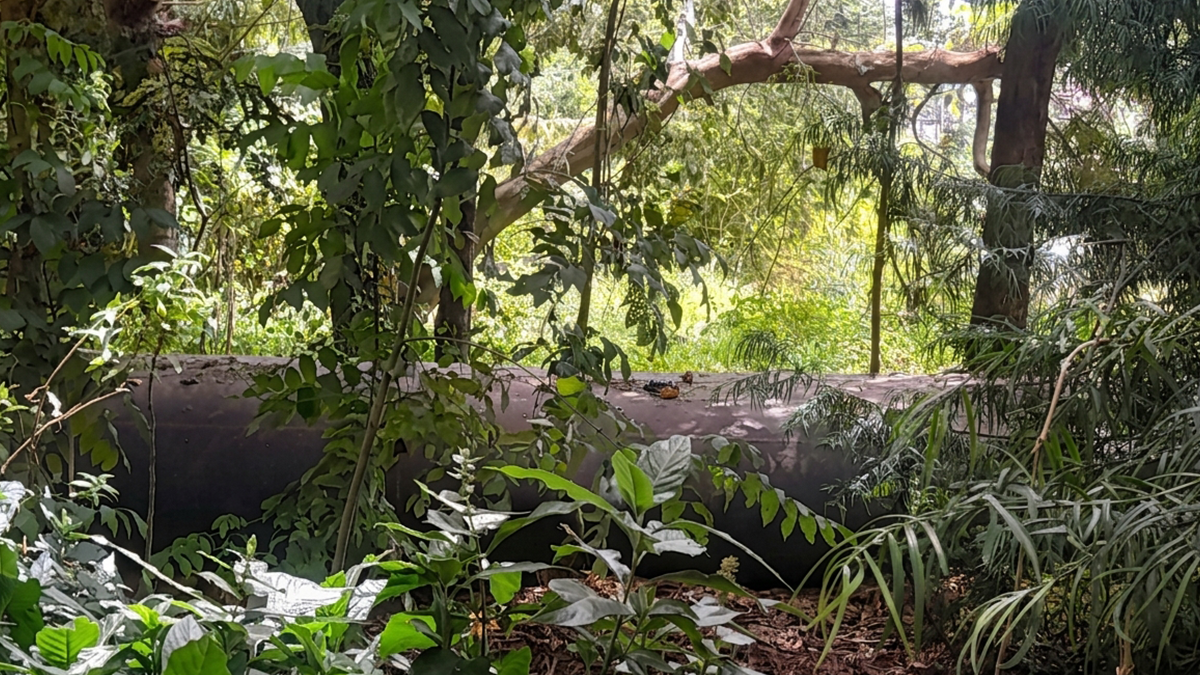
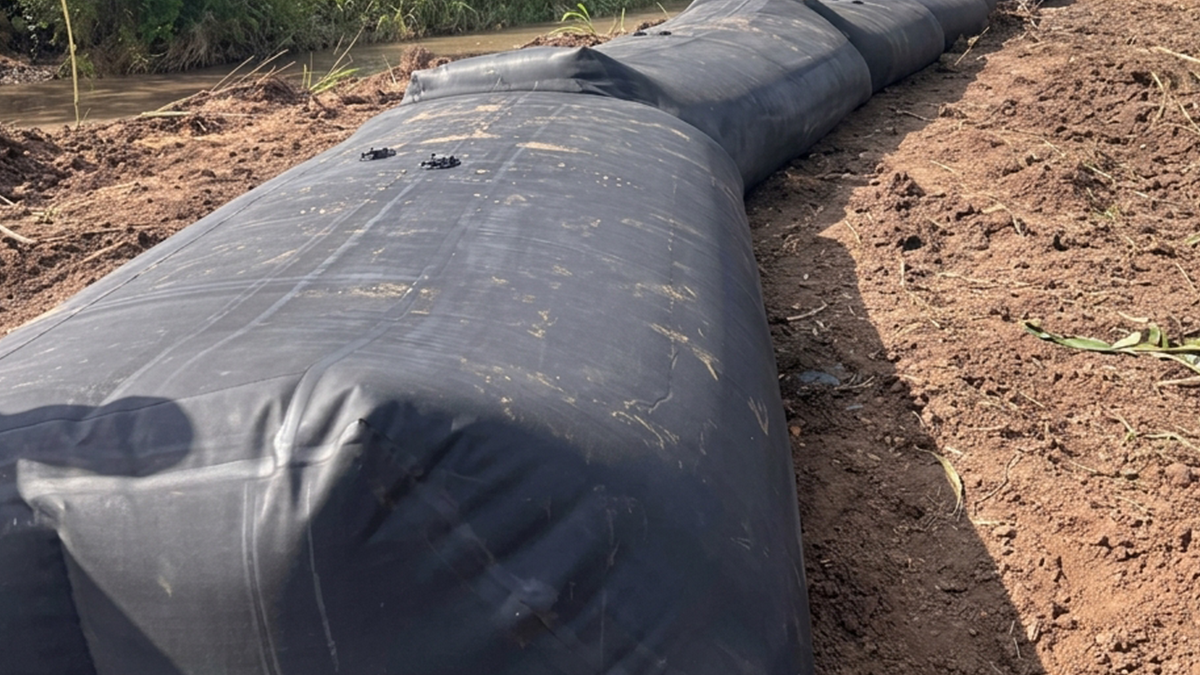
Developed in the Netherlands, SLAMDAM is a portable, water-filled flood barrier designed to provide temporary flood protection and water storage. Rather than relying on sandbags, concrete or permanent earth structures, the system uses flexible, durable EPDM (Ethylene Propylene Diene Monomer) rubber compartments that are filled with water.
Once filled, the water provides the weight and counter-pressure needed to stabilize the barrier and resist incoming floodwater. After the flood threat has passed, the water can be removed and the barrier rolled up and stored for future use.
The concept is simple but powerful:
Use water to control water
A standard unit can hold approximately 8,000 litres of water, giving technology a potential second life beyond flood protection as a temporary water-storage solution that can support irrigation and other uses during dry periods.
A farmer’s experience in Nanyuki
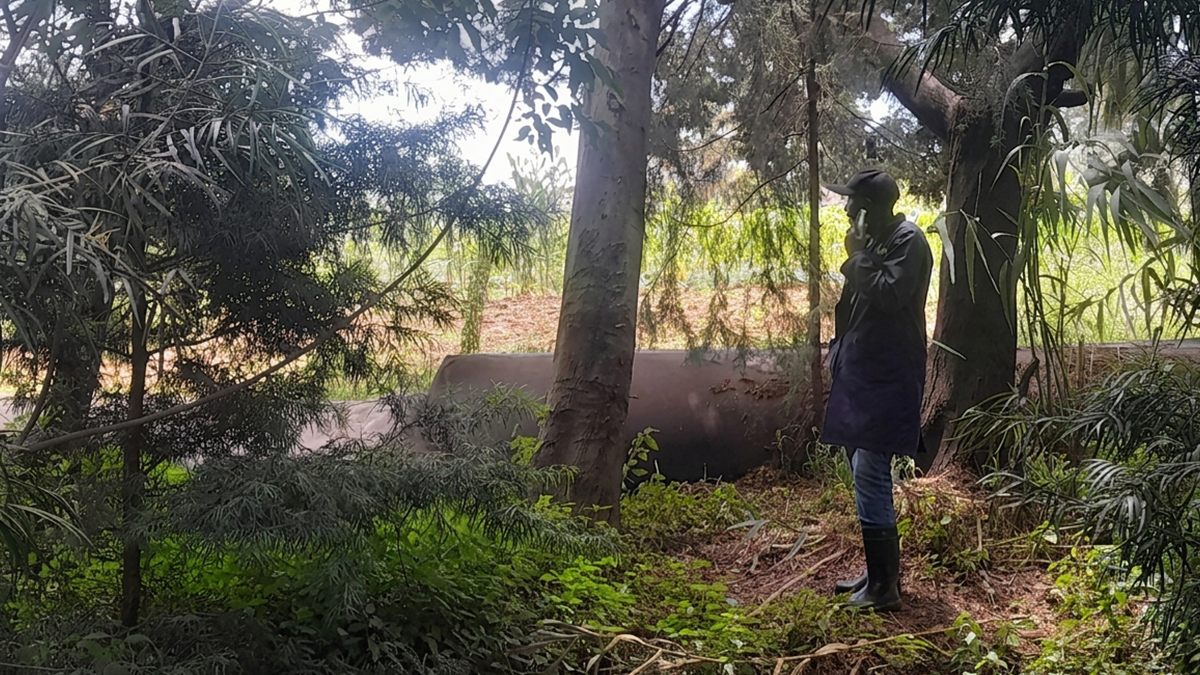
The potential of this approach became particularly tangible during fieldwork in Nanyuki, where we encountered a farmer, who is using SLAMDAM technology on his farm.
For this farmer, the challenge was not theoretical.
Heavy rains had repeatedly resulted in runoff that washed away valuable topsoil, degraded productive sections of the farm and damaged crops. The loss of topsoil was particularly concerning because it contains nutrients and organic matter essential for agricultural production.
It was in response to these challenges that this farmer was introduced to SLAMDAMs as an alternative approach to managing floodwater and soil erosion.
On the farm, the barriers help slow down runoff and reduce the force with which water moves across the land. In doing so, they help protect cultivated areas, reduce soil erosion and minimize the formation of gullies. They can also redirect excess runoff away from vulnerable areas.
For a farmer, these are not simply technical benefits. They translate into protecting the soil that supports food production, reducing damage to crops and making the farm more resilient to unpredictable rainfall.
Turning excess rainfall into an opportunity
Perhaps the most compelling feature of SLAMDAM is its ability to connect flood management with water security.
On this farm, stored water can be used during drier periods, including for irrigation and tree establishment. This creates a useful link between managing excess water during the rainy season and meeting water needs when rainfall becomes scarce.
This matters in a changing climate, where communities increasingly have to navigate the extremes of too much water at one time and too little at another.
Rather than allowing all rainfall to leave the farm as destructive runoff, water can, where conditions allow, be slowed down, redirected and temporarily stored for future use.
The Nanyuki experience therefore provides an important practical lesson: flood resilience and water security do not always have to be treated as separate challenges.
Preparing for the October rains
As the October rains approach, the experience from Nanyuki raises an important question for farmers and water-sector stakeholders:
How can we prepare not only to withstand heavy rainfall, but also to capture some of its value?
SLAMDAMs are not a stand-alone answer to flooding, nor are they suitable for every location. Their effectiveness depends on appropriate placement, installation, maintenance, drainage conditions and local circumstances.
However, they can form part of a broader climate-resilience approach that includes soil and water conservation, water harvesting, drainage management, early-warning systems, catchment protection and responsible land-use planning.
This technology also illustrates the value of preparing before heavy rainfall arrives. Empty SLAMDAM units are relatively easy to transport and position, while pumps are used to fill them when required. Once filled, they become stable barriers capable of slowing and redirecting water.
This element of preparedness could be particularly relevant for farms and communities that already know their vulnerable points where runoff concentrates, where soil is regularly washed away or where crops and infrastructure are exposed to flooding.
From global innovation to local solutions
The journey of SLAMDAM from the Netherlands to Kenya also demonstrates how water-sector innovations can be adapted to local contexts.
The technology was developed as a mobile alternative to conventional flood-control approaches and has subsequently been deployed in different countries. In Kenya, its application in Laikipia County has drawn attention to its potential for both flood protection and temporary water storage.
But technology alone does not create resilience.
Its real value emerges when it responds to the needs and realities of the people who use it.
The experience of this farmer in Nanyuki is therefore more than a story about a flood barrier. It is a reminder that solutions to climate and water challenges can emerge from combining global innovation with local knowledge, farmer experience and an understanding of how water behaves within a particular landscape.
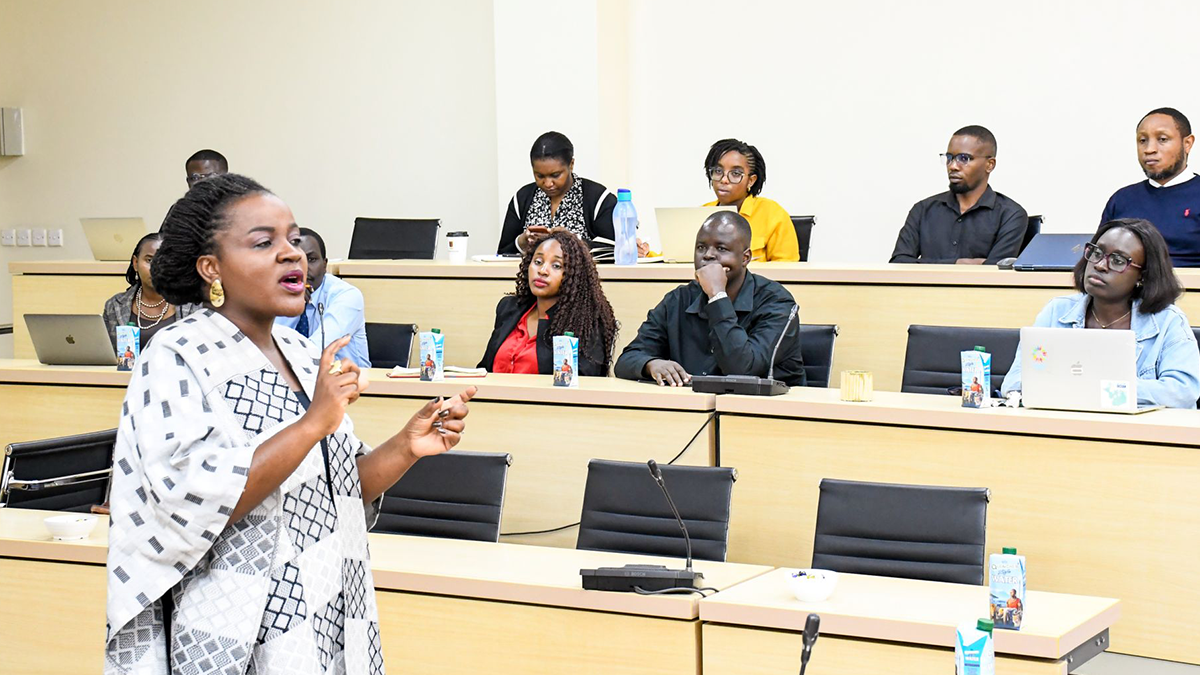
For the Strathmore University Business School Water Governance & Innovation Hub, experiences such as this reinforce the importance of connecting research, innovation and practice. The Hub’s work on water governance, climate resilience, sustainable water management and innovation seeks to contribute to solutions that are not only technically sound, but also responsive to the realities faced by communities.
As Kenya prepares for the rains, the Nanyuki experience reminds us that building climate resilience is not simply about having more water or less water. It is about how we govern, manage and make use of the water we receive.
And sometimes, the most powerful idea is also the simplest:
Use water to control water and turn a potential climate risk into an opportunity for greater resilience.
Article par: Winnie Omamo
Partagez cette histoire, choisissez votre plateforme !
Votre voyage vers l'excellence commerciale commence ici. Abonnez-vous dès aujourd'hui et soyez à la pointe de l'innovation et du leadership.






 English (United States)
  English (UK)
  French