


Africa’s economic transformation is closely tied to its ability to trade, produce and create value across borders. With diverse economies, uneven industrial capacity, and significant differences in market size and infrastructure, individual countries often face limitations in expanding production, attracting investment, and competing in global value chains.
Regional integration offers a pathway to address these constraints by connecting markets, strengthening production networks, and enabling the movement of goods, services, capital and people across the continent. Initiatives such as the African Continental Free Trade Area (AfCFTA) reflect a broader ambition to build a more integrated African market and strengthen the continent’s position in the global economy.
But integration is about more than removing tariffs and increasing trade volumes. It requires investment in infrastructure, efficient payment systems, productive capacity, industrialisation, and the institutions that allow businesses and people to operate across borders. These questions matter more than ever as Africa moves from exporting raw materials toward greater local production, value addition, and more resilient regional supply chains.
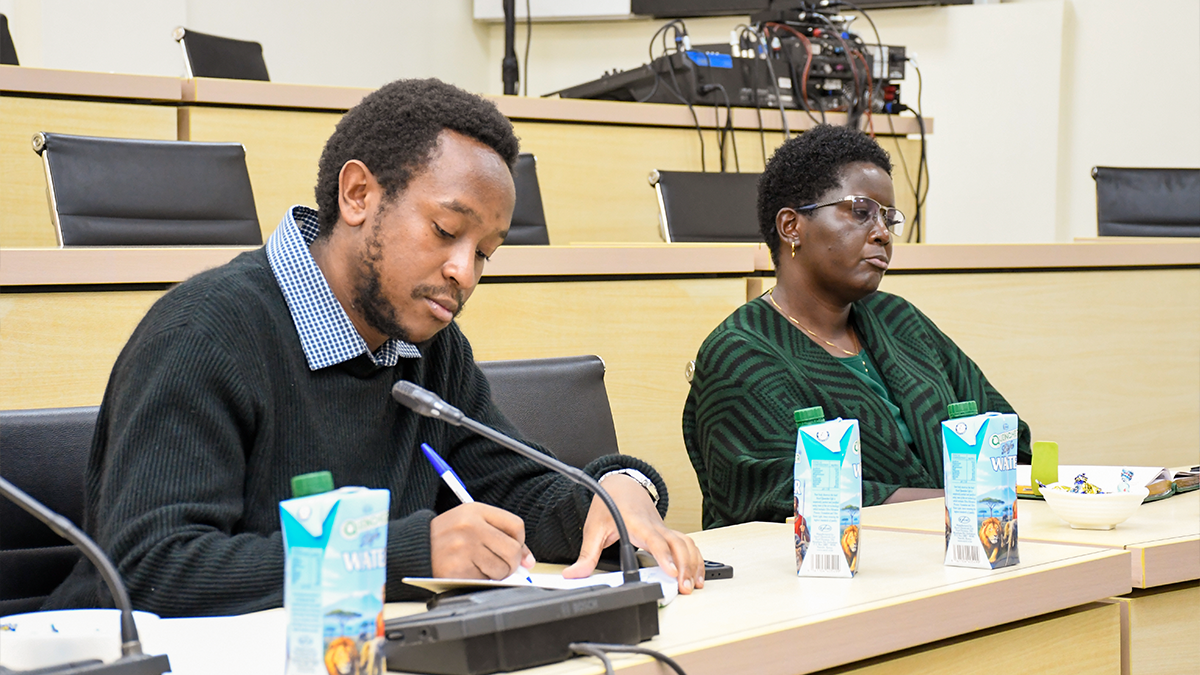
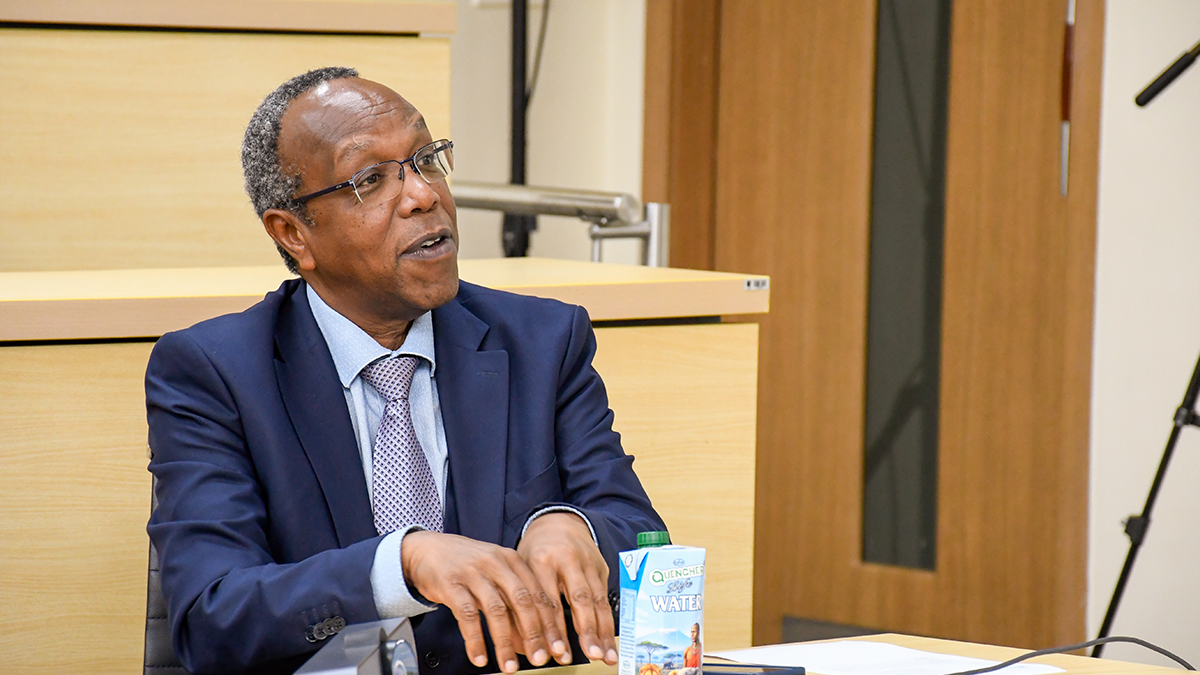
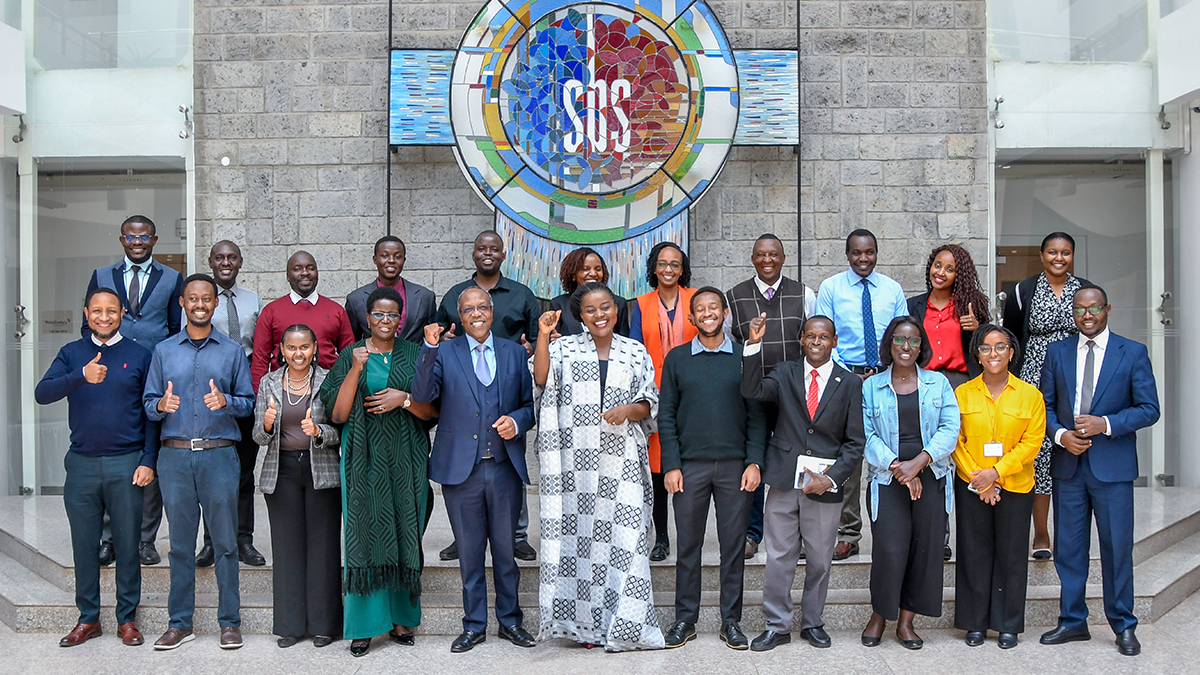
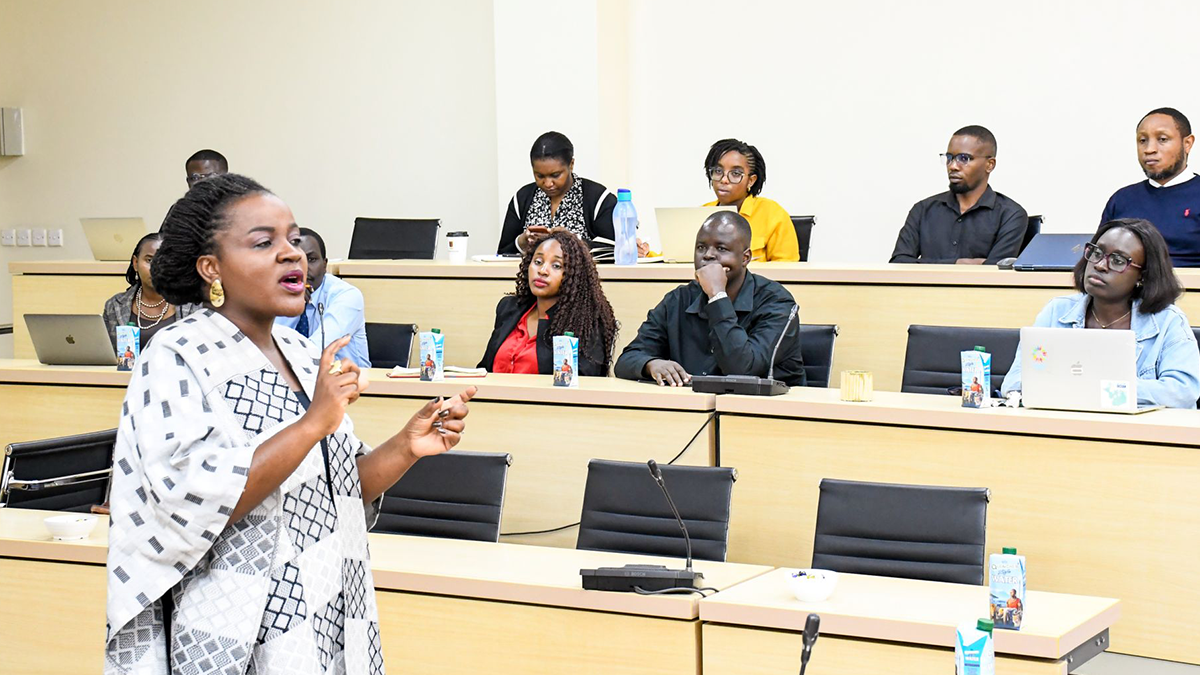
It was against this backdrop that Strathmore University Business School (SBS) hosted a public lecture by Dr. Joy Kategekwa, Director of the Regional Integration Coordination Office (RDRI) at the African Development Bank Group, themed Accelerating Regional Integration in Africa: A Trade-Led Pathway. The lecture, held on Thursday, 24th September 2026, brought together perspectives on how trade, institutional support and effective negotiation can drive Africa’s economic transformation.
Picture a continent of 1.5 billion people, 16 landlocked countries, and 76 border points. Can each country really do it alone? That question sat at the heart of the session and the numbers make a compelling case for thinking beyond national borders. Even Africa’s largest economies face real constraints when operating in isolation. Regional integration offers a way to combine markets, production capacity, infrastructure and resources into something more valuable than any single country could build alone.
This isn’t a new ambition. The 1991 treaty establishing the African Economic Community shows just how long the continent has pursued closer economic cooperation. What’s changed is the urgency: the COVID-19 pandemic exposed real vulnerabilities in health systems and supply chains, many of which remain heavily import-dependent a hard lesson in why regional production, trade and supply chains need strengthening now.
The real question: who captures the value? Africa remains a major supplier of raw materials, yet much of the processing and value addition happens elsewhere. Dr. Kategekwa emphasised placing industrialisation, local production and value addition at the centre of Africa’s economic strategy.
The question, then, isn’t simply what Africa produces — it’s how much value it captures from what it produces. The opportunity lies in processing more of what the continent grows, mines and produces before those products ever leave African markets.
Dr. Kategekwa pointed to several interlocking levers that move this agenda forward:
AfCFTA and economic corridors
The African Continental Free Trade Area is a critical instrument for reducing tariff barriers and strengthening intra-African trade. By progressively cutting tariffs and giving preferential treatment to goods originating within participating countries, AfCFTA creates a stronger incentive for businesses to produce and add value locally. Economic corridors reinforce this: the Lobito Corridor, for example, connects countries, markets and productive industries into a single functioning network.
Development financing
None of this infrastructure builds itself. Financing from institutions such as the African Development Bank directly funds the roads, ports, and productive capacity that corridors and cross-border trade depend on, turning integration from a policy ambition into physical, usable infrastructure.
Money that moves easily
High transaction costs remain a real barrier to intra-African trade. If integration is going to translate into a practical opportunity, money needs to move across borders as efficiently as goods and services do.
People who move freely
Goods, services and capital shouldn’t be the only things crossing African borders, people matter too. The Africa Visa Openness Index tracks how easily Africans can travel across the continent, and during the lecture, Togo, Ghana, and the Republic of the Congo were cited as countries working to make that movement easier. Greater mobility supports trade, investment, knowledge exchange and collaboration in ways that goods alone cannot.
Regional integration is about far more than trade in goods. It brings together value addition, services, finance, infrastructure, production and people — and when these elements work in concert, Africa can strengthen its internal market, deepen its role in global value chains, and capture more value from its own resources.
Africa has spent decades discussing integration. The message from this lecture was clear: the tools to advance that ambition from AfCFTA and economic corridors to development financing, cross-border payments and greater mobility are increasingly in place. What remains is the discipline to put them to work.
Article by Kevin Makanga & Miriam Wafula
Partagez cette histoire, choisissez votre plateforme !
Votre voyage vers l'excellence commerciale commence ici. Abonnez-vous dès aujourd'hui et soyez à la pointe de l'innovation et du leadership.






 English (United States)
  English (UK)
  French