

What does it really take to move a country closer to ending malaria? Rarely the thing you would expect.
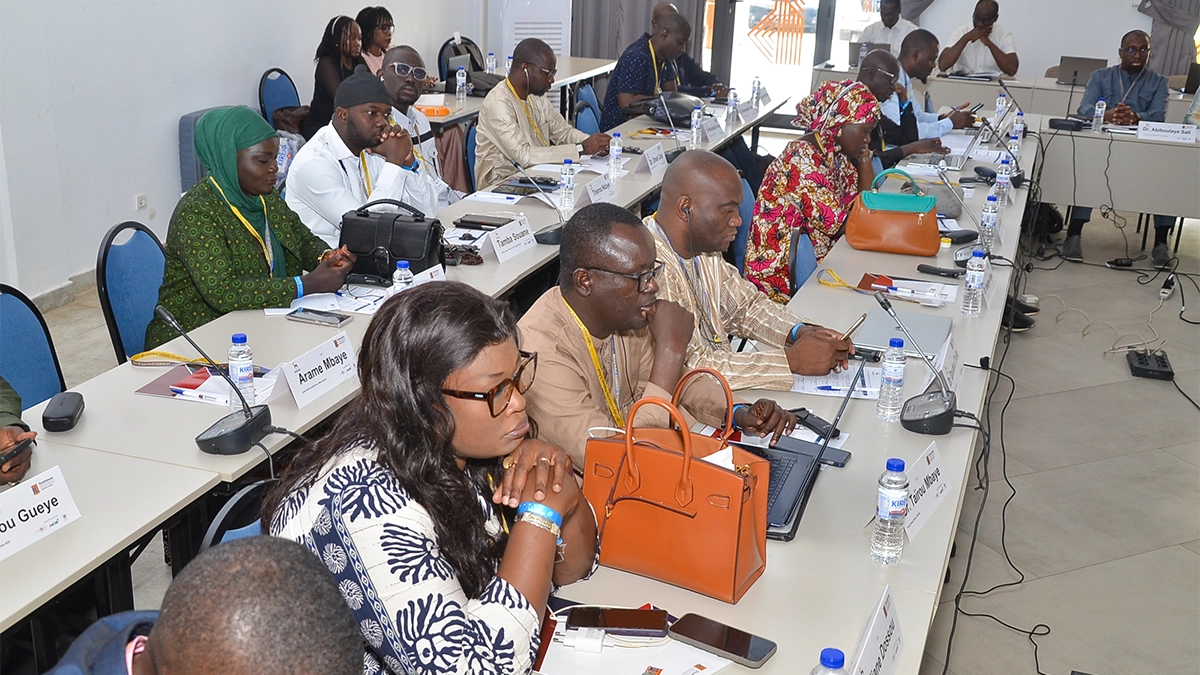
When the ELEMMINATE team arrived in Saly, much of Senegal was looking the other way. The Lions of Teranga were opening their World Cup against France, and for a few days, a whole country held its breath over a football match. A short distance from that noise, forty of Senegal’s own health leaders were quietly making a different kind of history. By the end of that week, the ELEMMINATE Project had officially marked its footprints in ten countries. Its leadership work now stretches right across sub-Saharan Africa. Ten countries. Ten ministries that said yes to it.
A little history, if you may: Senegal has been at this for the better part of two decades. It adopted artemisinin-based combination treatments in 2006 and rapid diagnostic tests in 2007, carried malaria care into people’s homes through the community-based PECADOM model from 2008, and began giving children seasonal chemoprevention from 2012, and the burden fell sharply for it. The country is now, in effect, two epidemics at once: a near-eliminated north, where incidence has dropped below five cases per thousand, and a stubborn south-east around Tambacounda and Kédougou, where transmission holds on. The national plan for 2021 to 2025 set out to cut both malaria cases and deaths by at least three-quarters and to interrupt local transmission in most eligible districts; yet a recent uptick confirmed cases rising by roughly thirteen per cent between 2022 and 2023 and still numbering some 416,000 in 2024, is a plain reminder that the last mile is always the steepest.
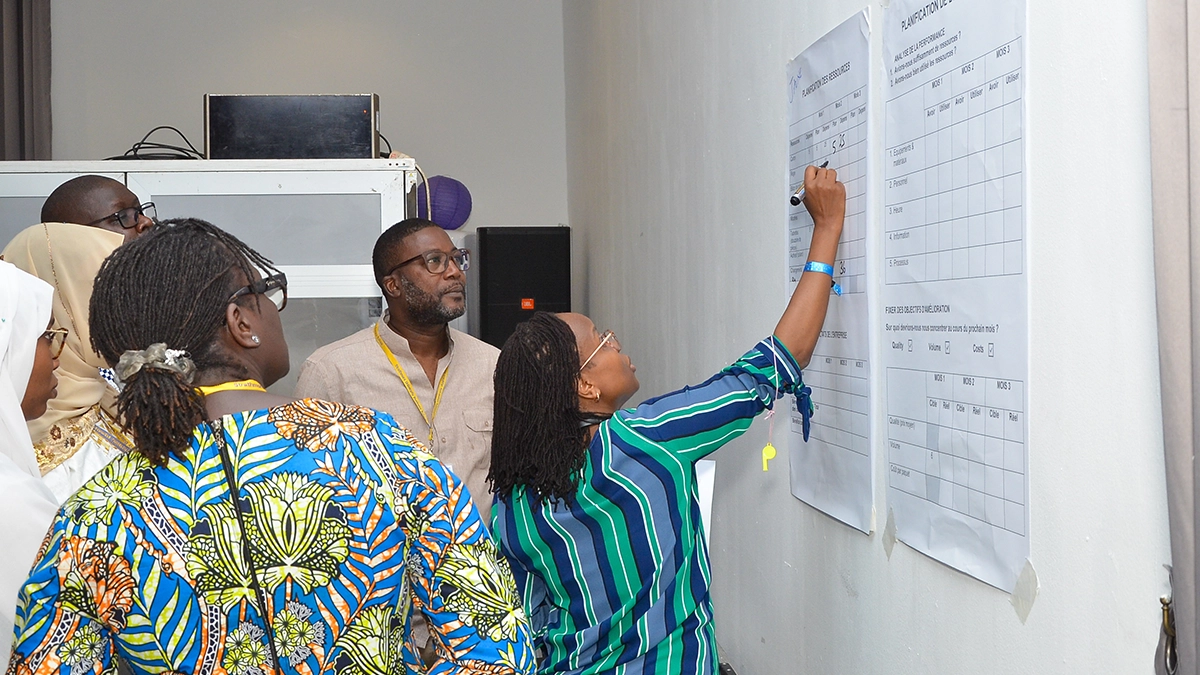
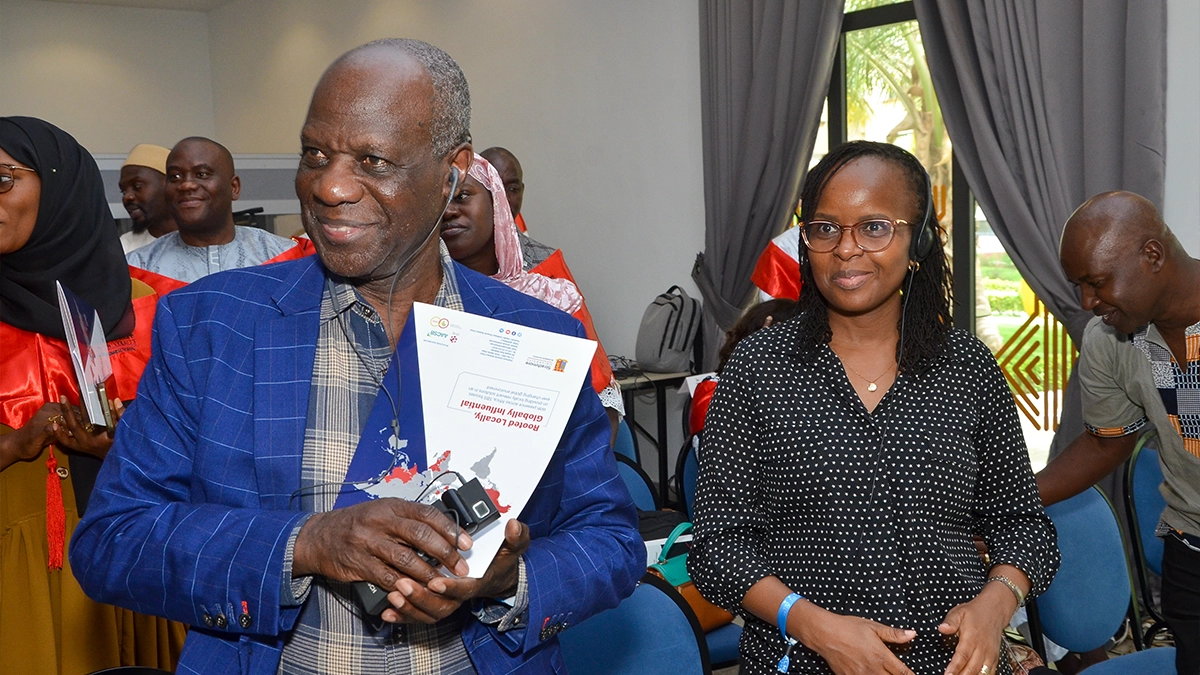
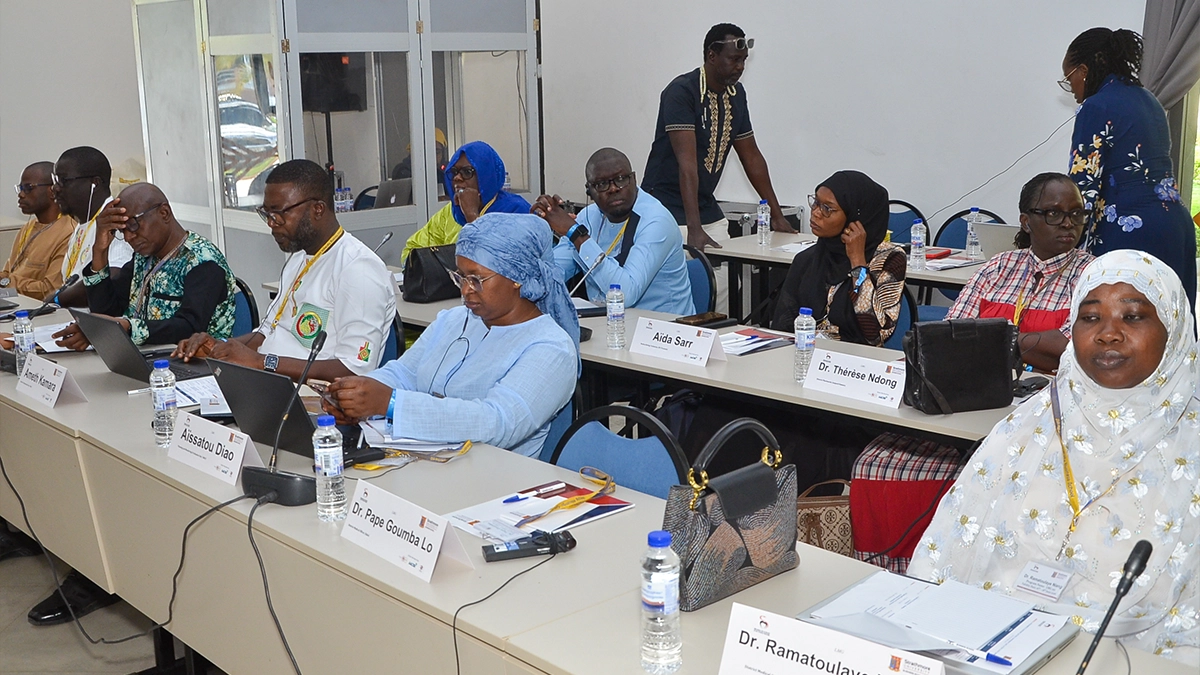
The leaders in that room were writing Senegal’s malaria story anew. The week opened with experience-sharing sessions, as Kenyan and Cameroonian alumni shared their experiences, while another session unpacked Mali’s vaccine trials. The one-week training closed by listening to the cohort’s own material: on the final day, just before graduation, participants presented their Institutional Improvement Projects, the real homework of LMG, and the recurring themes were telling. Their works trickled down to three recurring themes: managing domestic resources as donor funding tightens, carrying the malaria message to where it matters most at the community level, and getting the logistics and procurement of commodities right so that nets and medicines arrive. None of it glamorous, all of it the quiet machinery on which every elimination target depends.
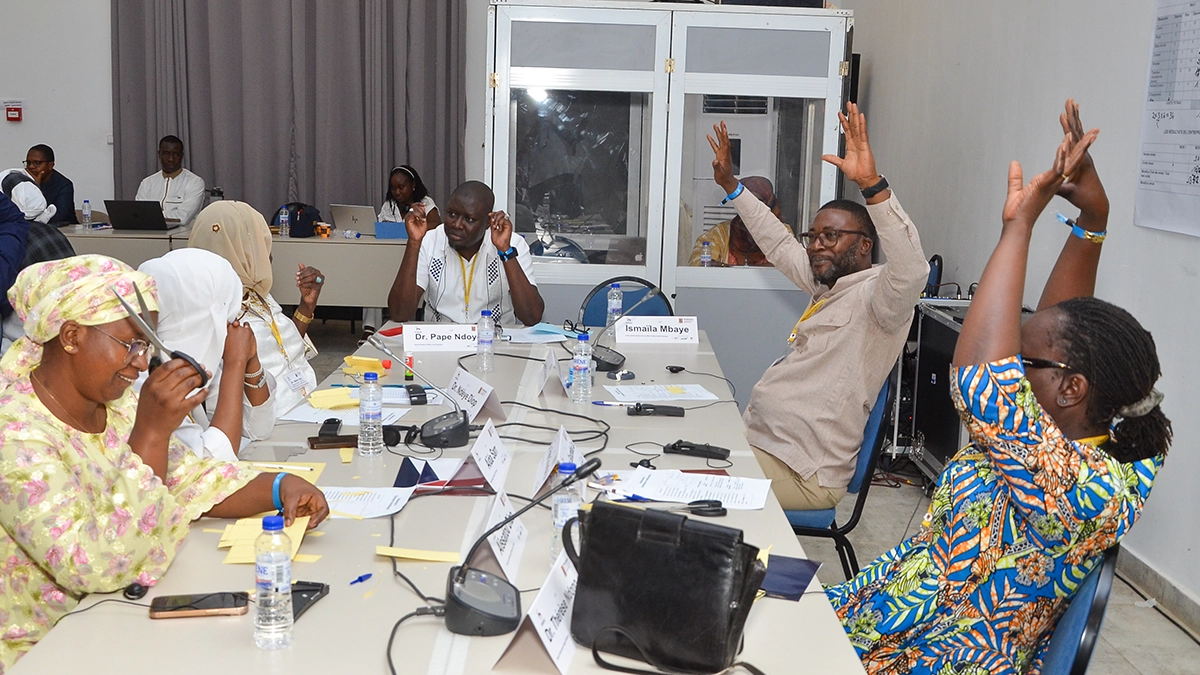
There was play in the week, too, of the most instructive kind. In the operational simulation, the room became a health system in miniature, where resources ran short and a decision made at one moment during the session returned, unhelpfully, the next. You learn more about a leader in twenty pressured minutes than in twenty polished slides. And somewhere between sessions, the conversation turned to colour, as each leader could read their own mix of energies during the session: the fiery reds who move a stalled programme, the warm yellows who win a room, the steady greens who hold a team together, the cool blues who make sure the plan actually holds. No leader is a single colour, and no malaria programme can run on one.
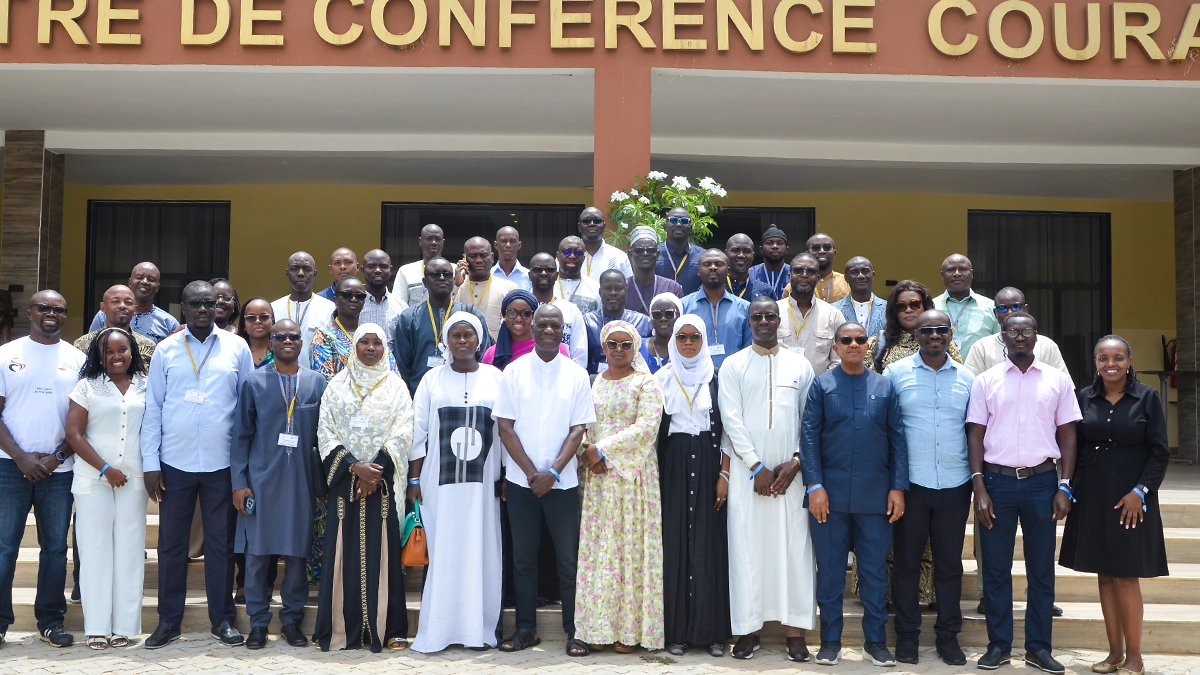
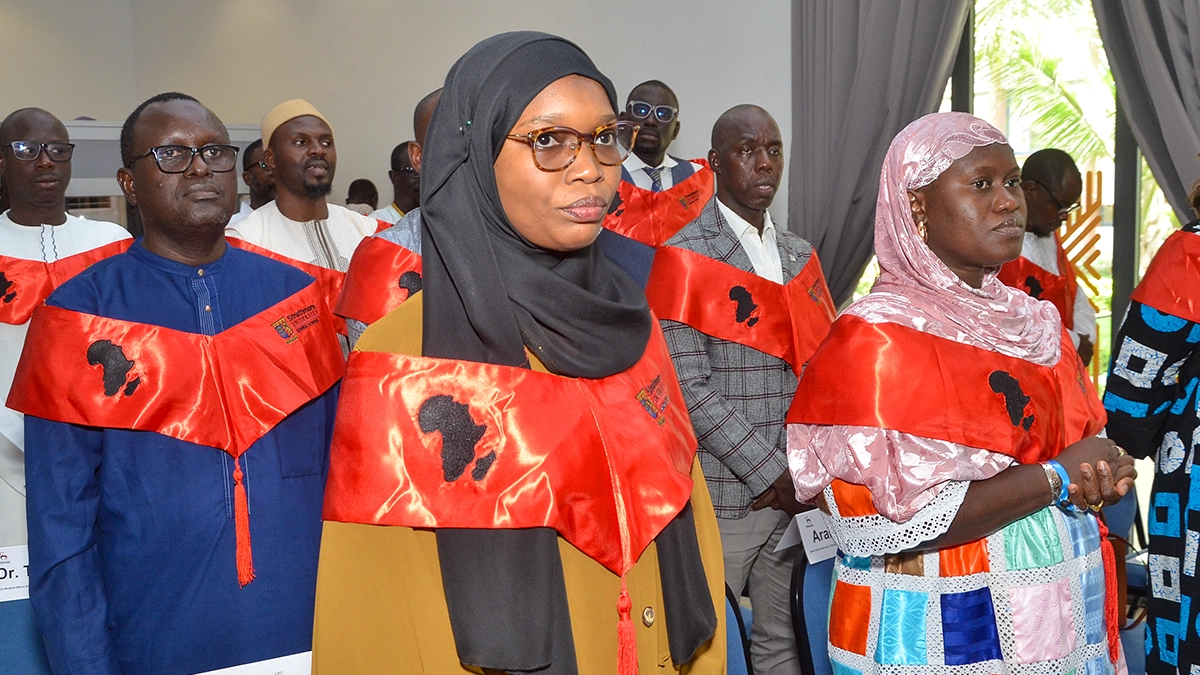
The week culminated in a graduation ceremony, a genuinely beautiful one, full of photographs and speeches and the pride of people who knew they had earned their place. It closed the tenth African footprint for the ELEMMINATE Project on exactly the right note: not just with certificates, but with a room full of leaders who now belong to something that stretches across ten countries. The click of cameras carried the unmistakable feeling of a group that had become a team. Not forty individuals who happened to share a timetable, but a group that had argued, laughed, and problem-solved its way into something like a team.
What the cohort carried home is, in many ways, the whole point. Each leader left Saly with an improvement to design and implement inside their own institution, rather than a certificate destined for a drawer, and several will be walked through the messy realities of putting it into practice by mentors who have done it before. They also left as part of something larger: a growing community of ELEMMINATE alumni that now spans ten countries, comparing notes on what works and discovering that the obstacle stalling a programme in one capital is rarely unique to it. A week in a room quietly becomes a standing network, and that may be the most durable thing the programme builds.
As for the Lions of Teranga, the match took a different turn from the one the country had hoped for. France won. But football in Senegal carries a longer memory than any single result. Everyone still spoke of 2002, when these same two sides met to open a World Cup and Senegal won one-nil, the upset an entire continent has never quite let go of. That is the thing about underdogs: they play the long game, and they keep believing in it well after the scoreline says they should not. It is not a bad creed for a malaria programme, where the opponent is older and more stubborn than any defending champion, and the only victories that count in the end are the patient ones.
Much ado about football? Perhaps. There is something in that underdog story worth holding onto, because the work itself is an underdog’s work. Malaria is an adaptable, patient adversary, and the people fighting it do so against a tide that rarely runs in their favour: budgets that tighten as donors look elsewhere, a parasite that is learning to resist the very drugs meant to defeat it, and a changing climate that is widening the map of where mosquitoes can thrive. What carries a programme through all of that is not optimism so much as a refusal to quit; the same stubborn belief that keeps a smaller side running at a defending champion long after the odds have spoken. Resilience, it turns out, is not a soft virtue in a malaria programme; it is the core competency, the thing that decides whether hard-won gains survive a difficult year or quietly slip away. Adversity is the condition these leaders work in, not the exception to it, and the willingness to keep going anyway may be the most underrated skill in the whole endeavour.
What it takes is not another tool. The diagnostics, the nets, the medicines, and the data systems already exist, and they are remarkable and only improving. What decides whether any of it reaches the last child in the last village is rarely technical. It is whether someone can hold a plan together when the funding shifts, move a stalled programme through a reluctant system, and get the unglamorous details right under pressure. Malaria elimination needs more than a technical, scientific approach. It needs human capacities, the deliberate building of the leadership, management, and governance that make every other intervention work. That is what LMG has been cultivating, country by country, and Saly was the tenth place to prove it.
For Senegal, the stakes of getting it right are concrete. The country has already pushed its northern regions to the edge of elimination; the harder, slower fight is now in the south-east, where transmission persists, and every gain is expensive. Closing that gap will depend less on new science than on the things this cohort spent the week wrestling with: mobilising domestic resources so the response no longer rises and falls with outside funding, reaching the communities where the burden is heaviest with prevention they trust, and tightening the logistics that put nets and medicines in place before the season turns. Stronger leadership does not eliminate malaria on its own, but it is what lets a country hold its nerve through the final stretch, and, in the holding, protect the lives a faltering programme would quietly lose. Multiply that across ten countries, and the tenth footprint begins to look less like a milestone and more like a method.
The ELEMMINATE team flew home with the sound of the Atlantic still in our ears and a map with one more light on it. Ten countries, five hundred and seventy-nine leaders, and one conviction that has only hardened with each footprint: better health in Africa will be built by Africans, together, and it will be built by its people first.
On to the eleventh.
Article par : Judith Adhiambo Amolo
Partagez cette histoire, choisissez votre plateforme !
Votre voyage vers l'excellence commerciale commence ici. Abonnez-vous dès aujourd'hui et soyez à la pointe de l'innovation et du leadership.





 English (United States)
  English (UK)
  French