

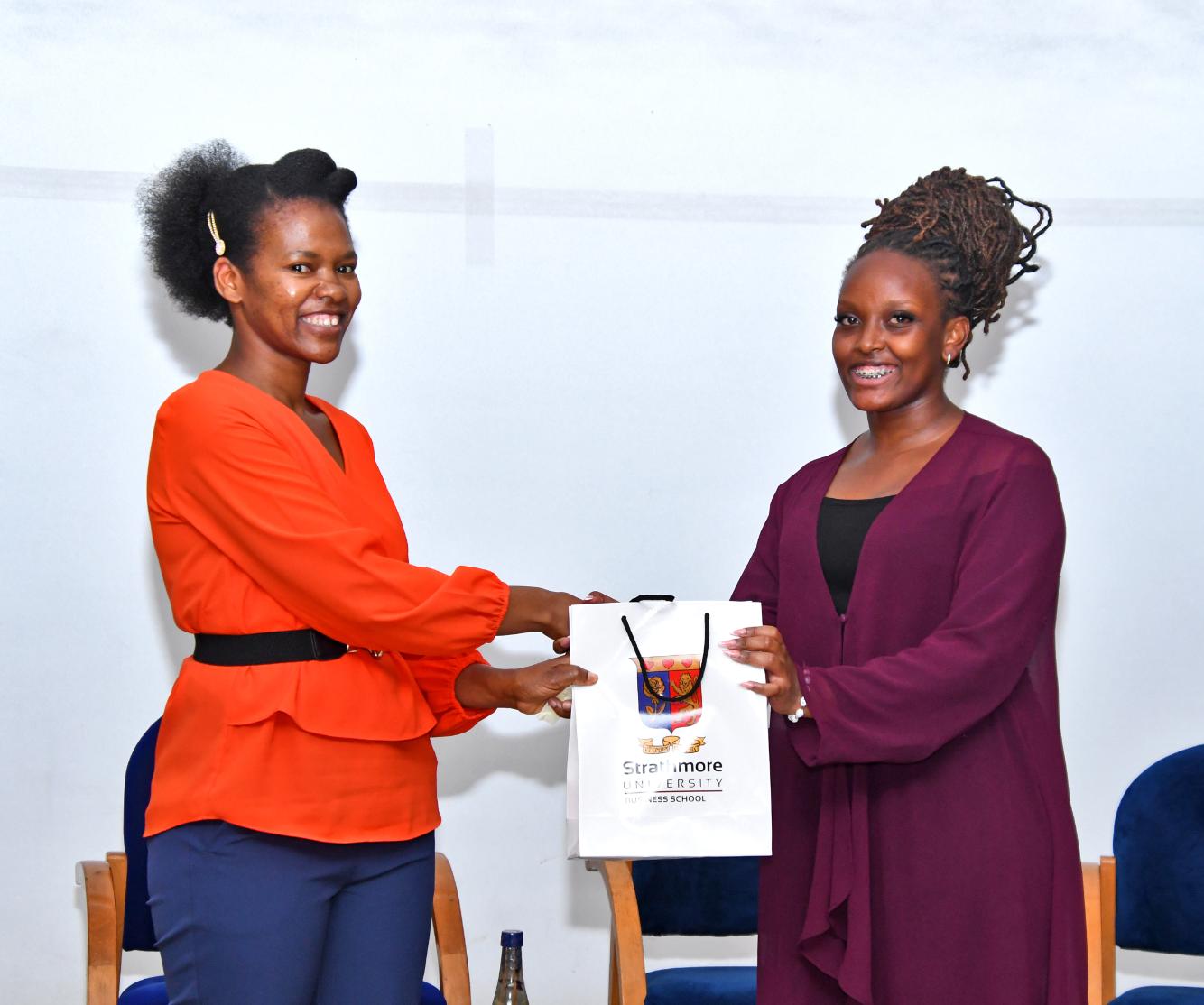

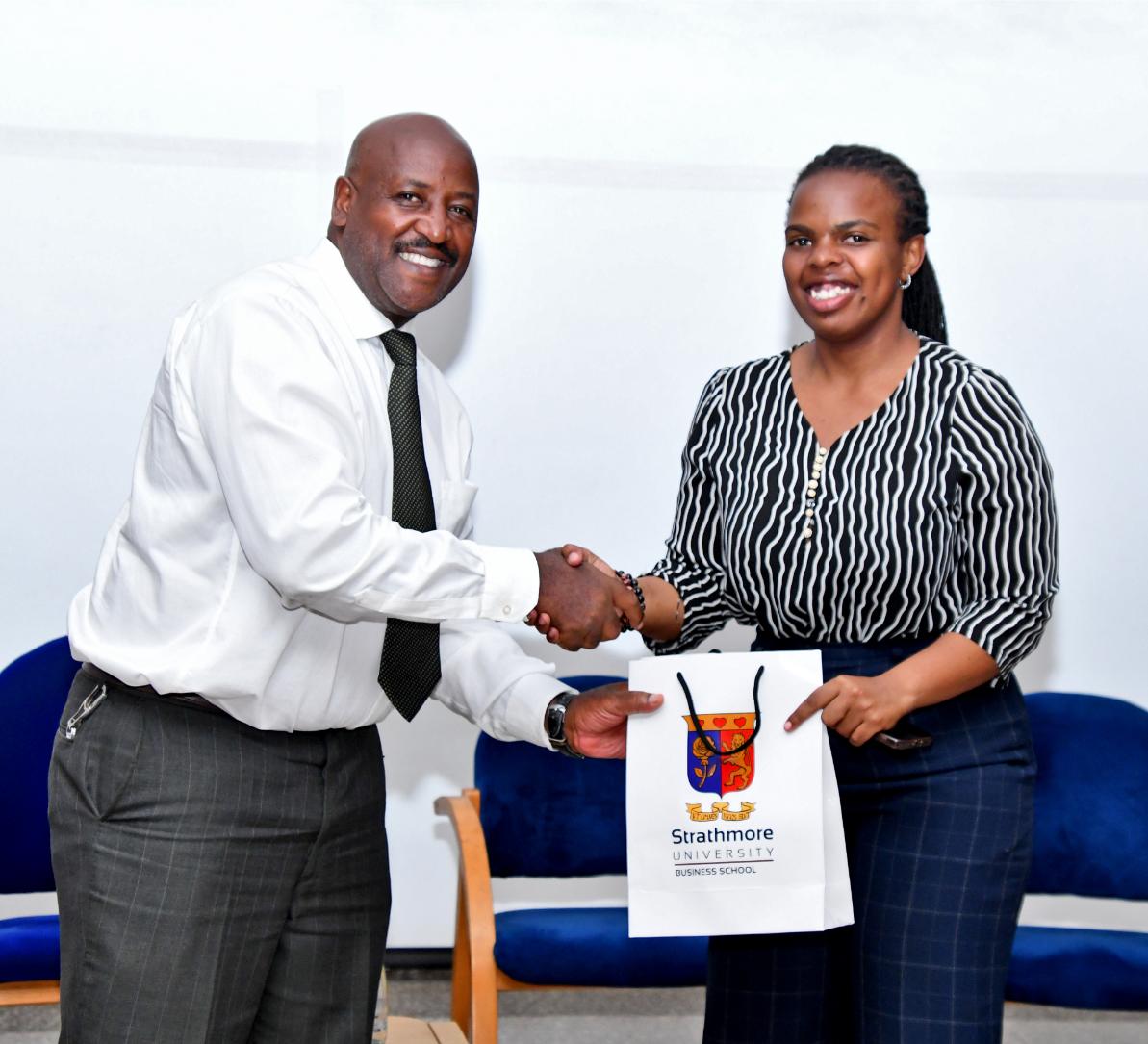





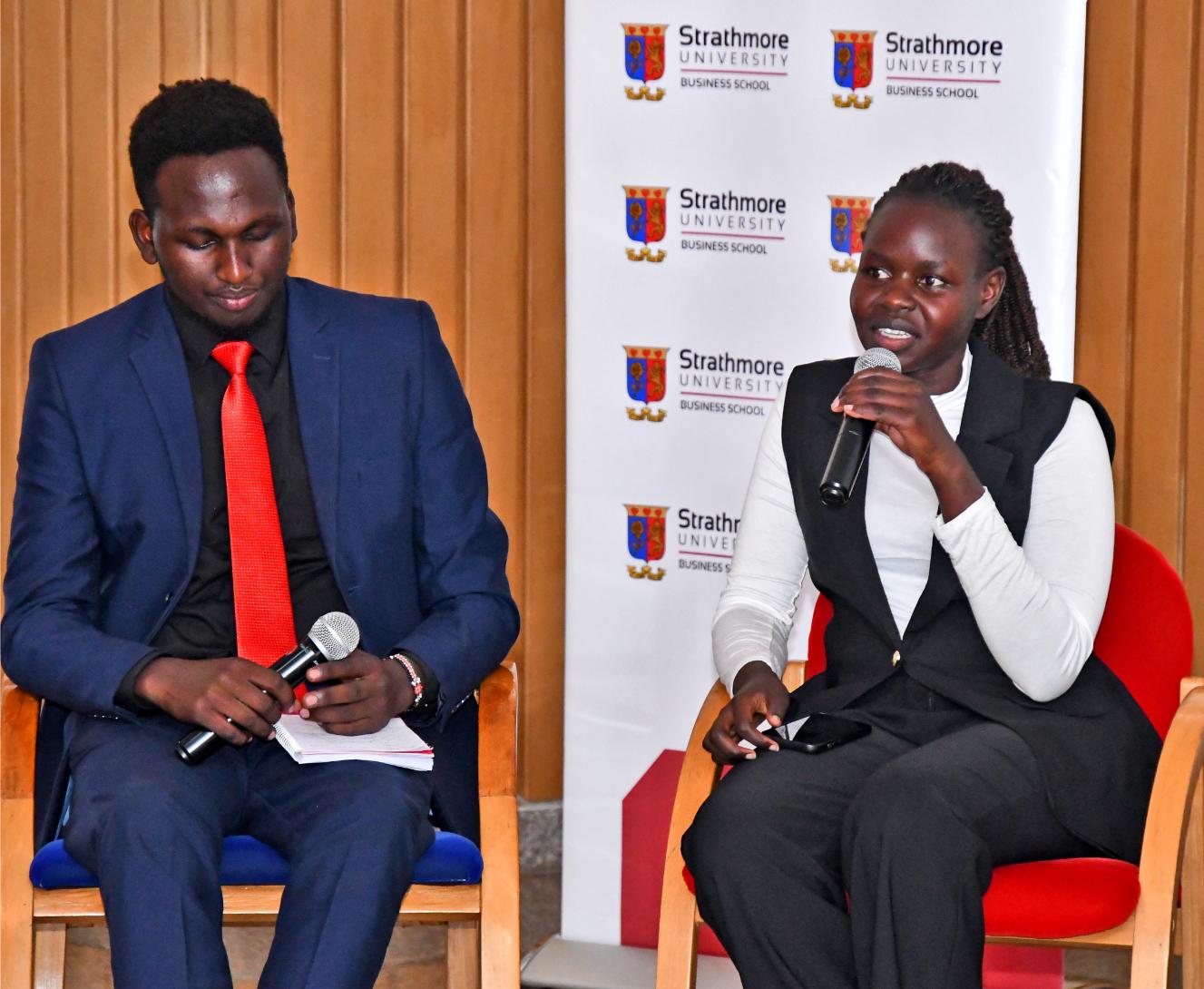

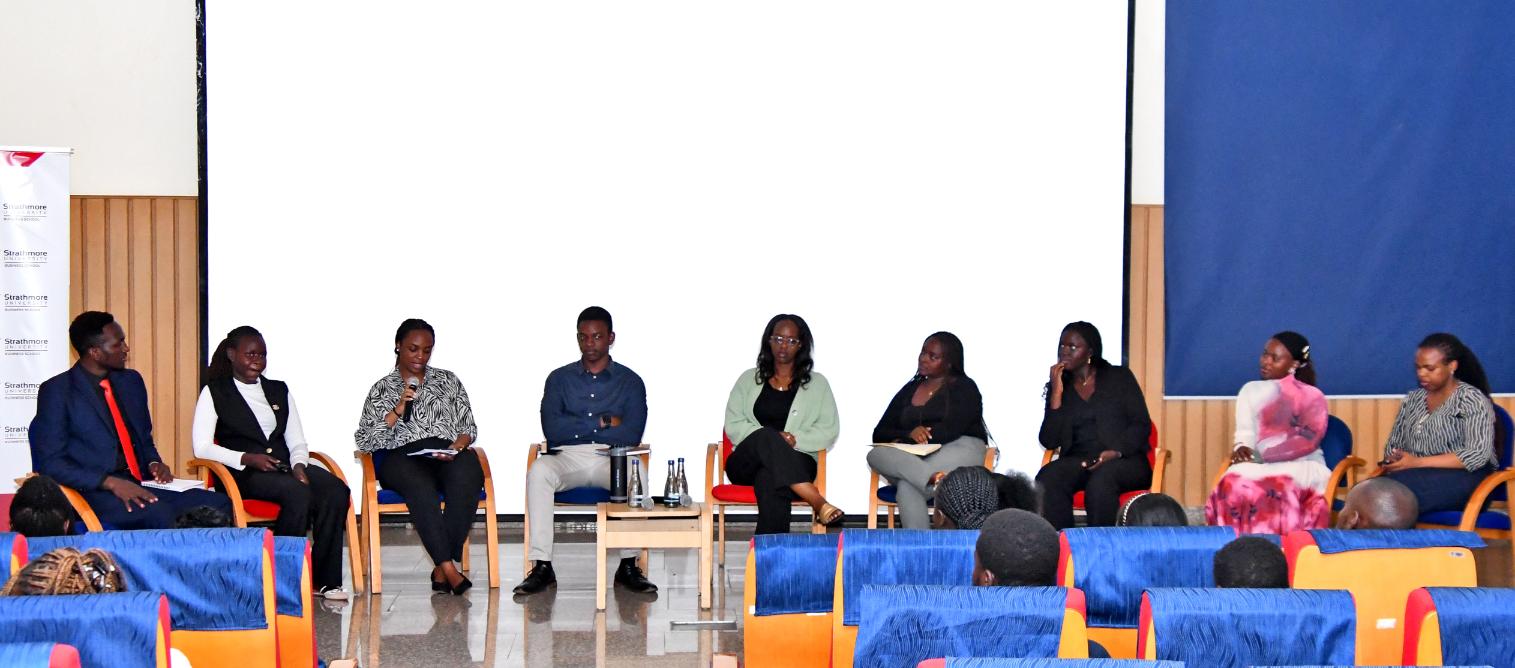
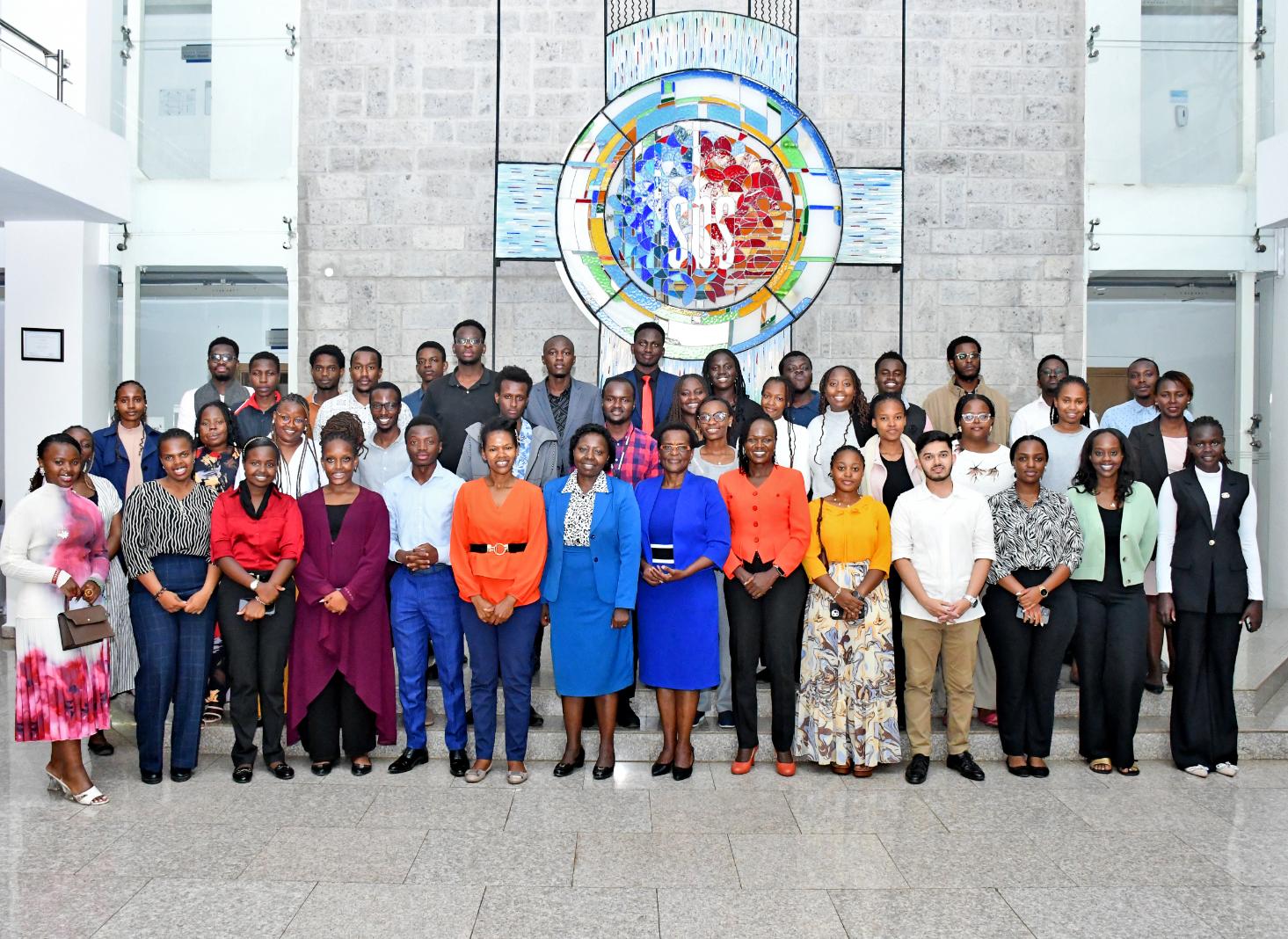

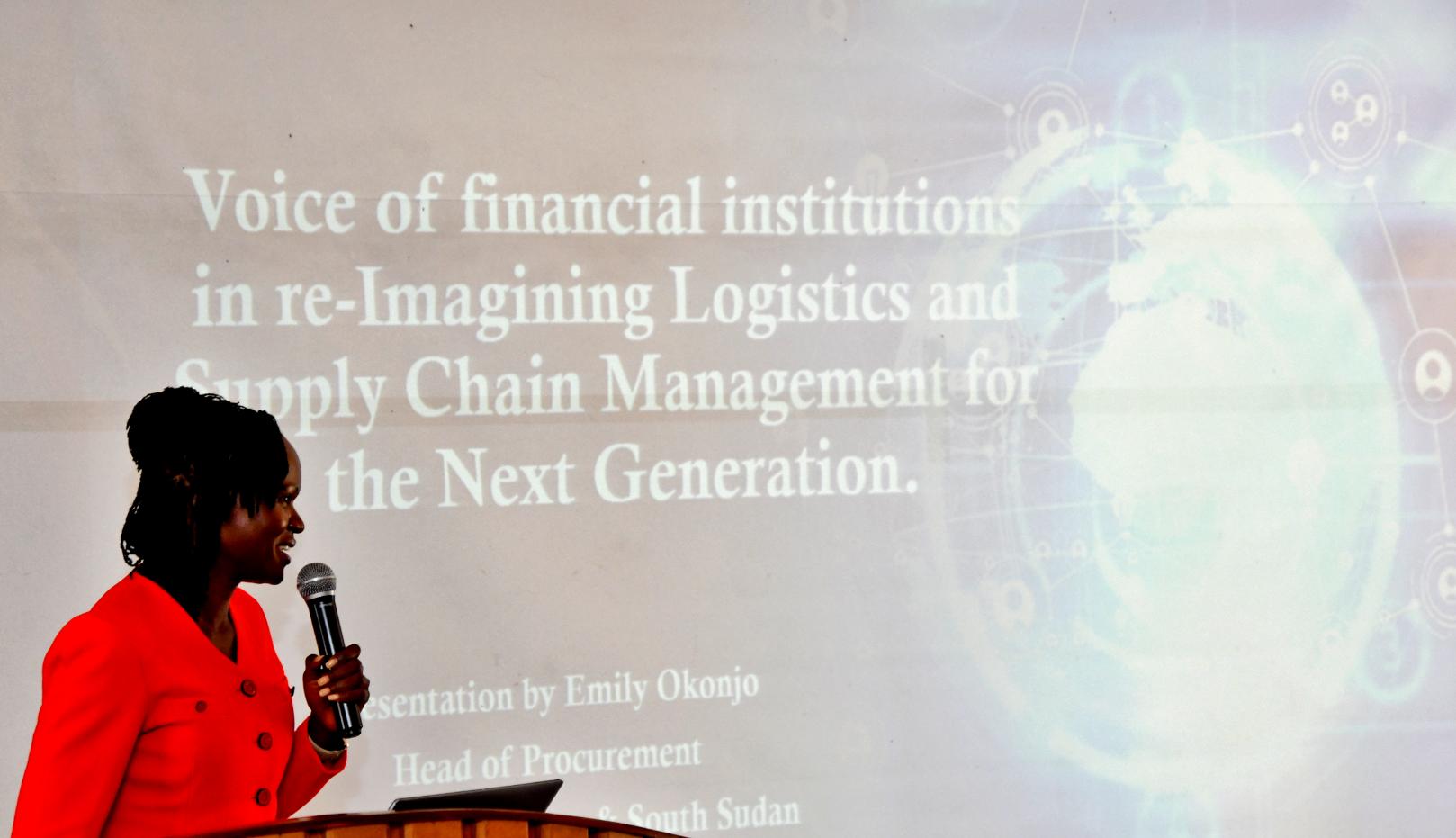

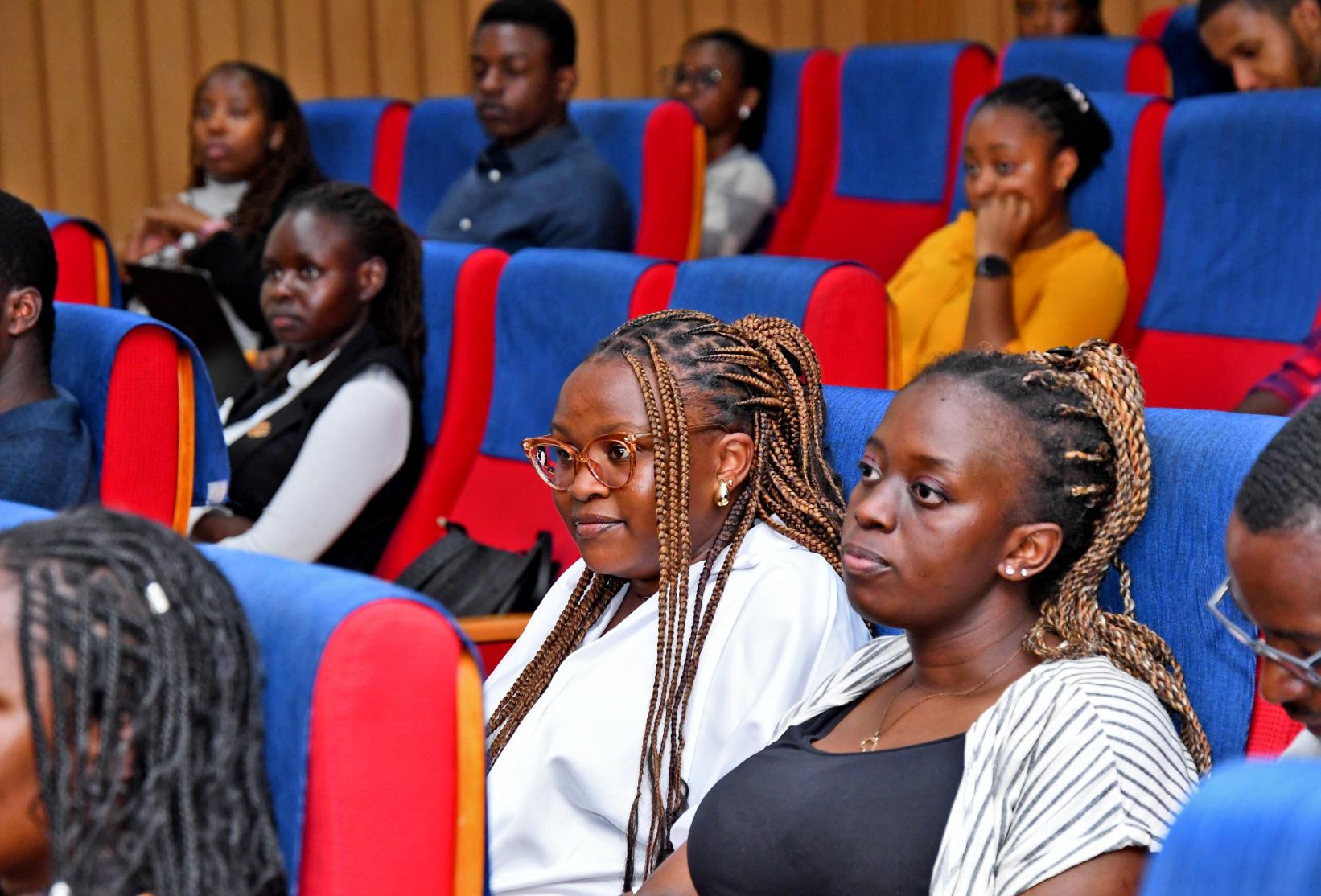

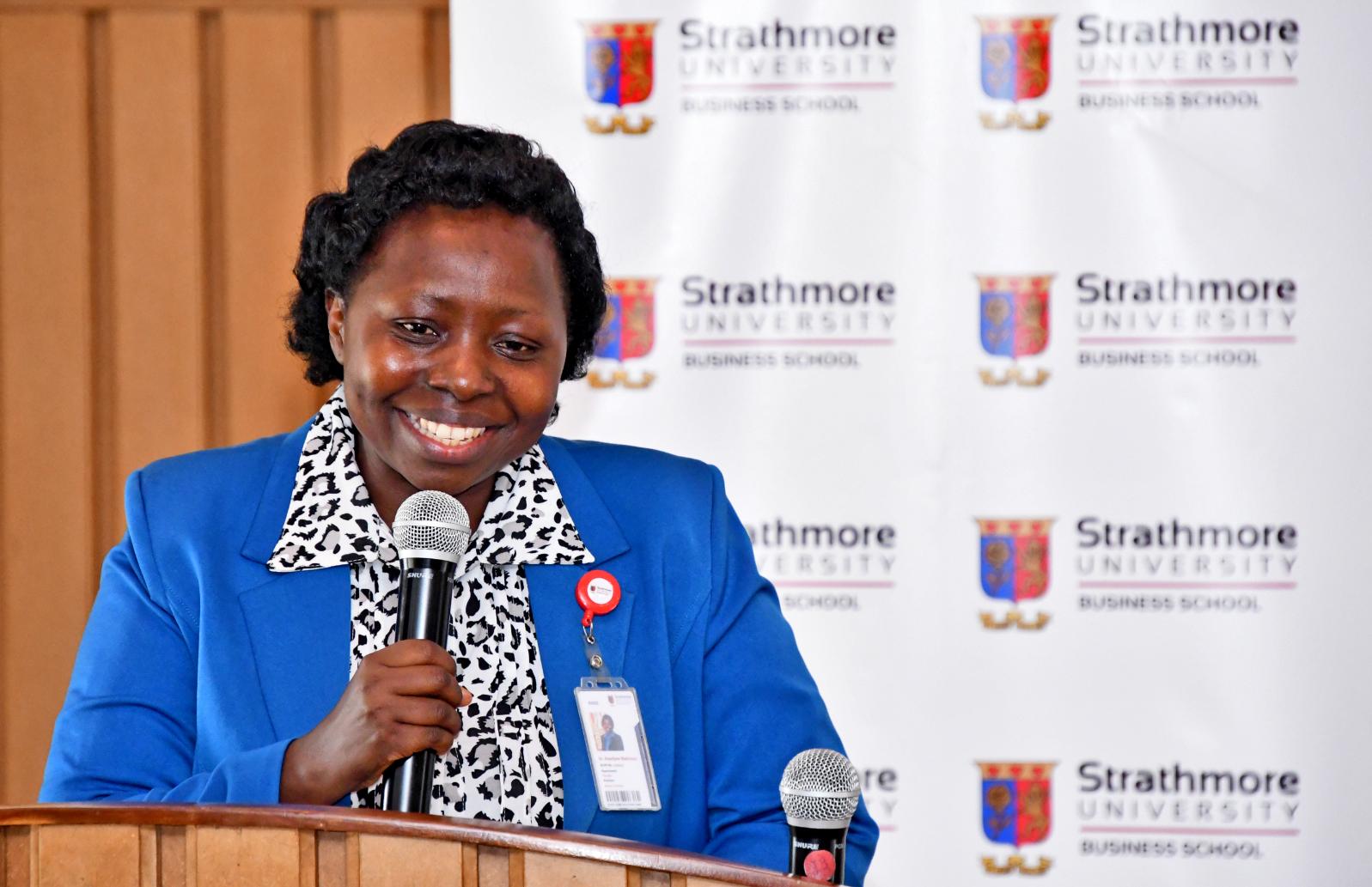

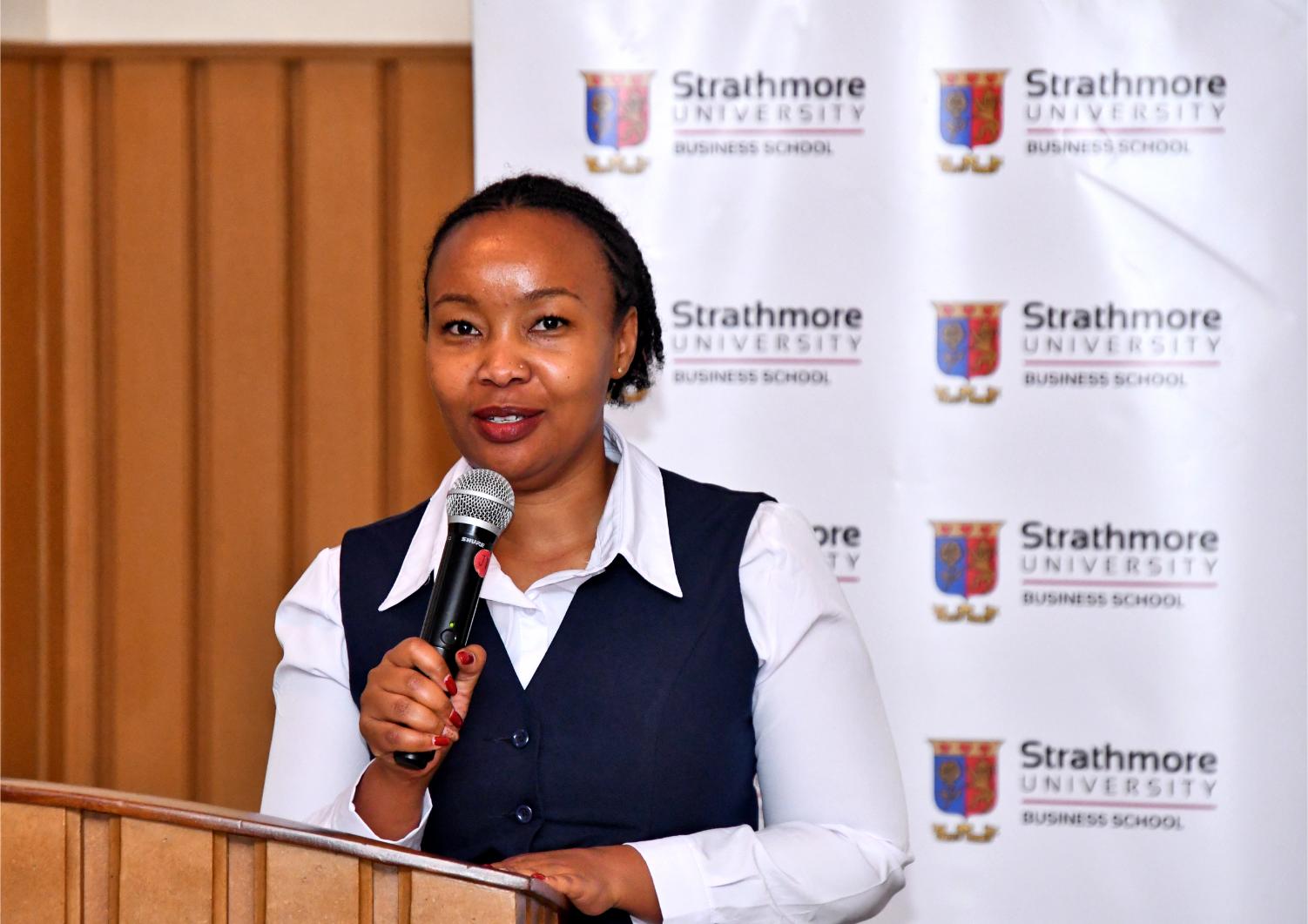







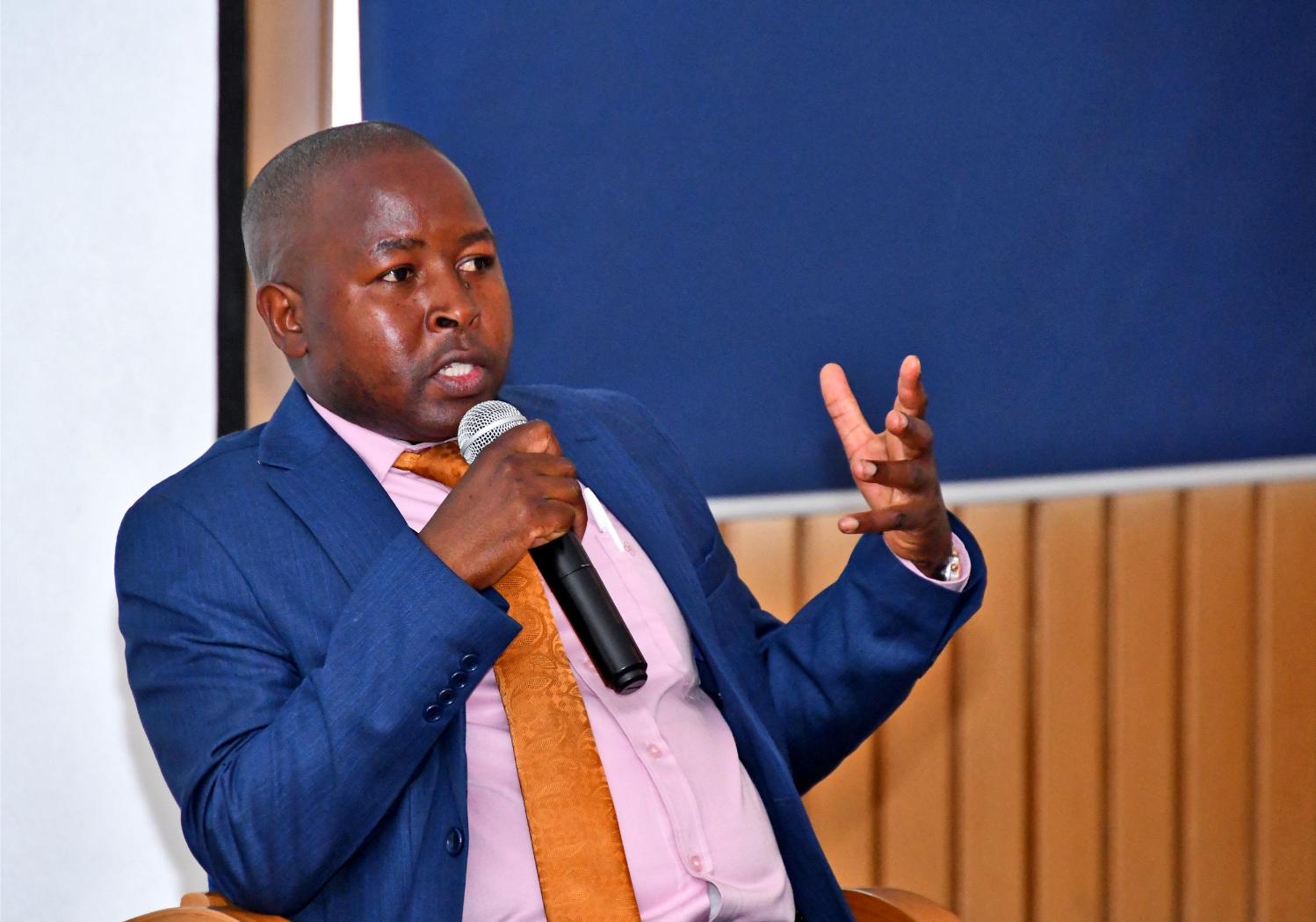

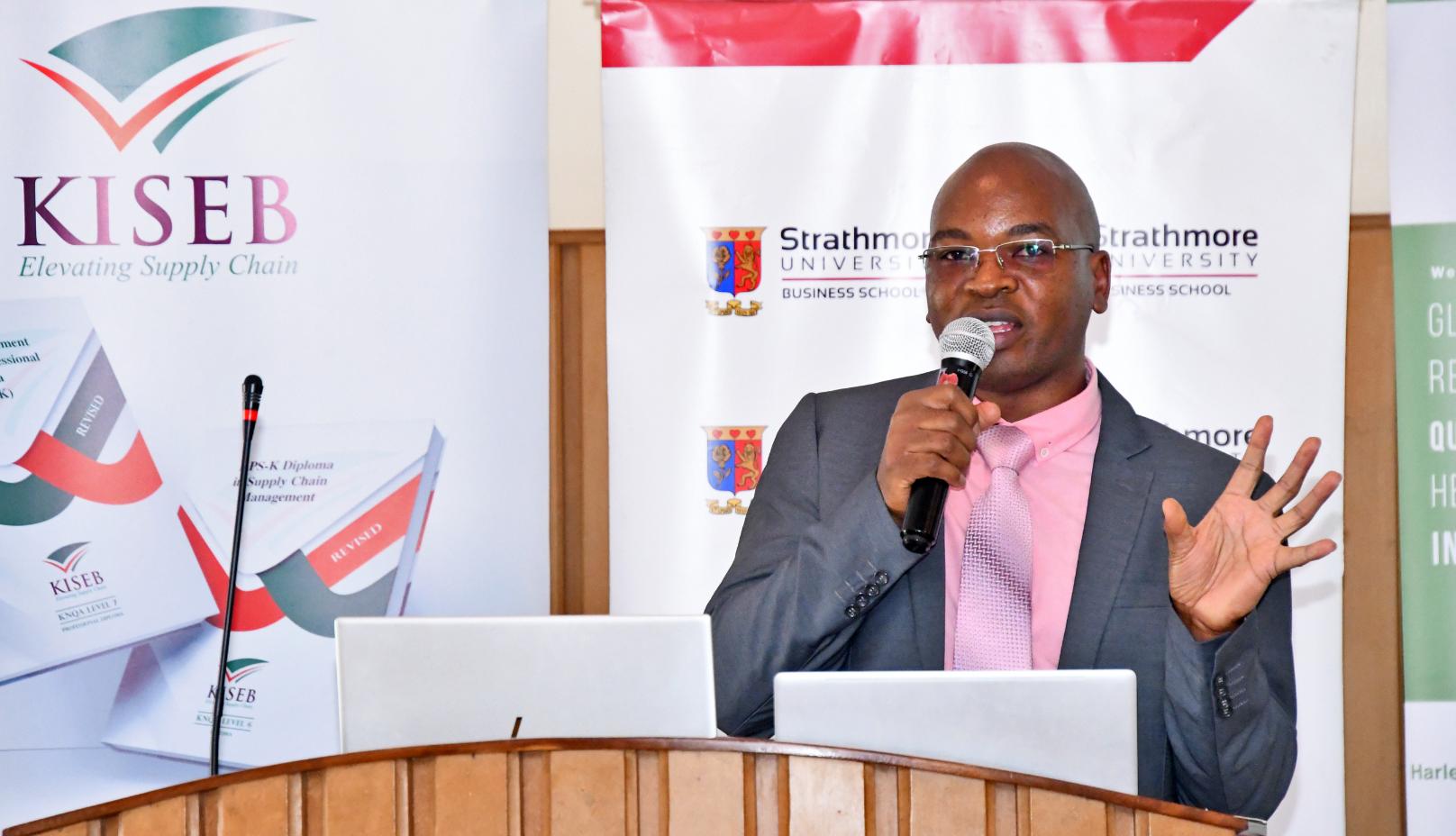
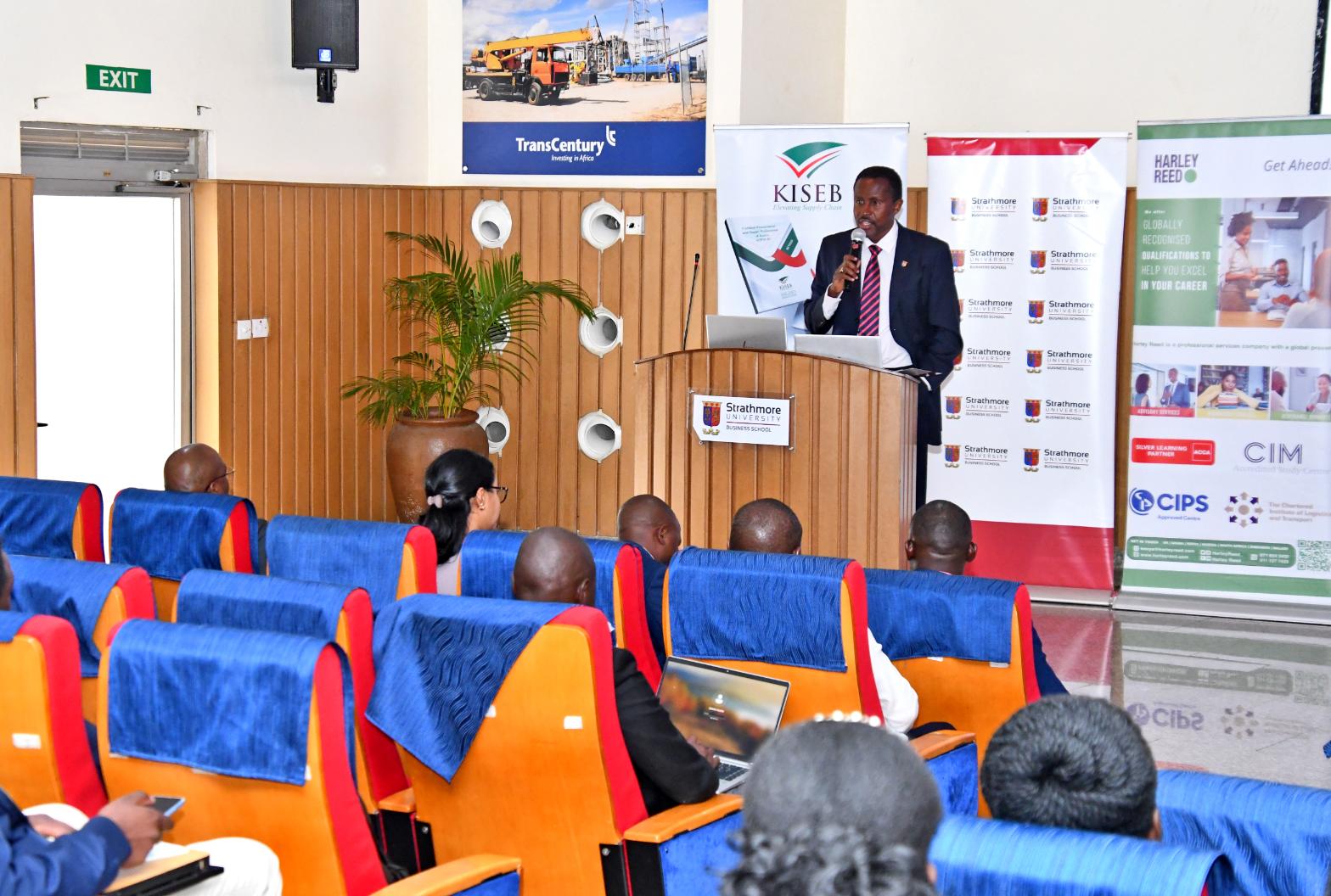




Strathmore University Business School hosted the 2024 Supply Chain Disruption Week on November 13th and 14th, a two-day event that brought together professionals, experts, and students to explore the future of supply chains and logistics. This year’s theme, Re-imagining Supply Chains and Logistics for the Next Generation offered an in-depth exploration of the challenges and opportunities shaping the industry.
The event kicked off with a session from the Kenya Institute of Supplies Examination Board (KISEB), where the team unpacked the institution’s role in reimagining the future of supply chains. The session focused on how KISEB can help position logistics and supply chain professionals on the global map. Another key session saw the Public Procurement Regulatory Authority (PPRA) discuss the transformation of the logistics and supply chain industry in Kenya, beyond the traditional focus on procurement. The discussion centered on how PPRA can contribute to the growth of the sector in broader, more strategic ways.
On the second day, Ambassador Nancy Karigithu, Advisor on Blue Economy at the Executive Office of the President of Kenya, delivered a compelling presentation on the role of maritime logistics in shaping the future of global trade. She highlighted how maritime logistics, and the blue economy are vital drivers for the evolution of global supply chains, influencing sustainability and the future of trade.
Throughout the event, several key themes emerged:
Digital Transformation. Experts highlighted the integration of AI, IoT, and blockchain to enhance operational visibility, improve decision-making, and reduce costs. The power of real-time data analytics was emphasized as a critical tool for optimizing routes and increasing efficiency across supply chain operations.
Sustainable Supply Chains. Most of the speakers called for the adoption of eco-friendly practices, reduction of carbon footprints, and utilization of renewable resources. The implementation of circular economy principles was also discussed as a key strategy for minimizing waste and maximizing resource efficiency—positioning sustainability as a core focus for the next generation of supply chains.
Agility and Resilience. In an era of uncertainty, experts stressed the need for agility and resilience in supply chains. The ability to adapt quickly to disruptions—whether from global events, natural disasters, or market fluctuations—was identified as essential. Resilient supply chains will become key differentiators for businesses, allowing them to not only survive but thrive in dynamic environments.
Collaboration and Transparency. The importance of collaboration and transparency within the supply chain ecosystem also took center stage. Engaging stakeholders across the entire supply chain, from suppliers to customers, enhances trust and communication, leading to more effective partnerships. Transparent relationships are critical for driving innovation and achieving collective goals within the industry.
A standout takeaway was the seamless integration of technology and sustainability. Experts emphasized the importance of leveraging technology-driven approaches while prioritizing sustainable practices. This integration is vital for aligning companies’ strategic goals and meeting the demands of environmentally conscious consumers. The evolving landscape is one where technology and humanity coexist, with a shared focus on creating value, improving lives, and building sustainable systems.
The Supply Chain Disruption Week serves as a valuable platform for students in the BSc. Supply Chain and Operations Management program to engage with industry professionals and experts. The program integrates core supply chain, logistics, operations, and digitalization principles, with a particular emphasis on Production, Logistics, Big Data, Blockchain, Automation, and Artificial Intelligence. These topics are explored in depth, preparing students for the evolving challenges of the industry and equipping them with the skills needed to navigate the future of supply chain management. Learn more about the BSc. Supply Chain and Operations Management Programme here
Article by Juliet Hinga
Share This Story, Choose Your Platform!
Your journey to business excellence starts here. Subscribe today and be at the forefront of innovation and leadership.






 English (United States)
  English (UK)
  French