




What does it take to move from evidence to action in transforming Kenya’s food systems?
For the TEEBAgriFood Kenya Project, the answer lies in bringing together the right people to interrogate evidence, validate findings, and co-create practical solutions.
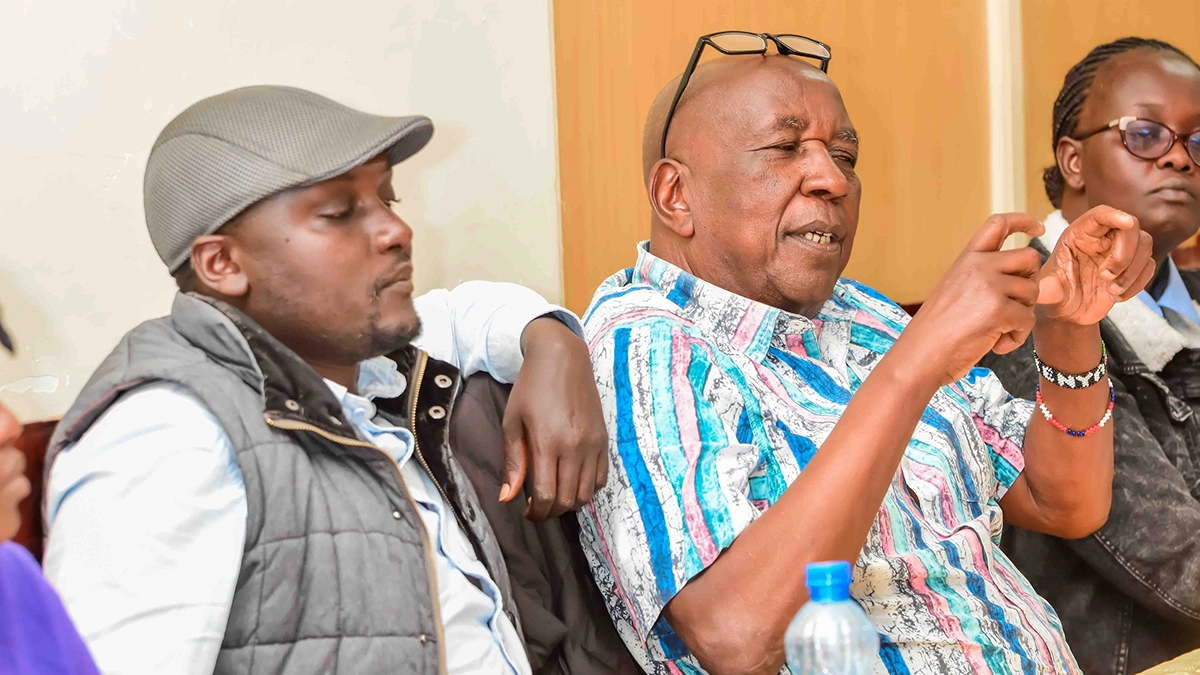
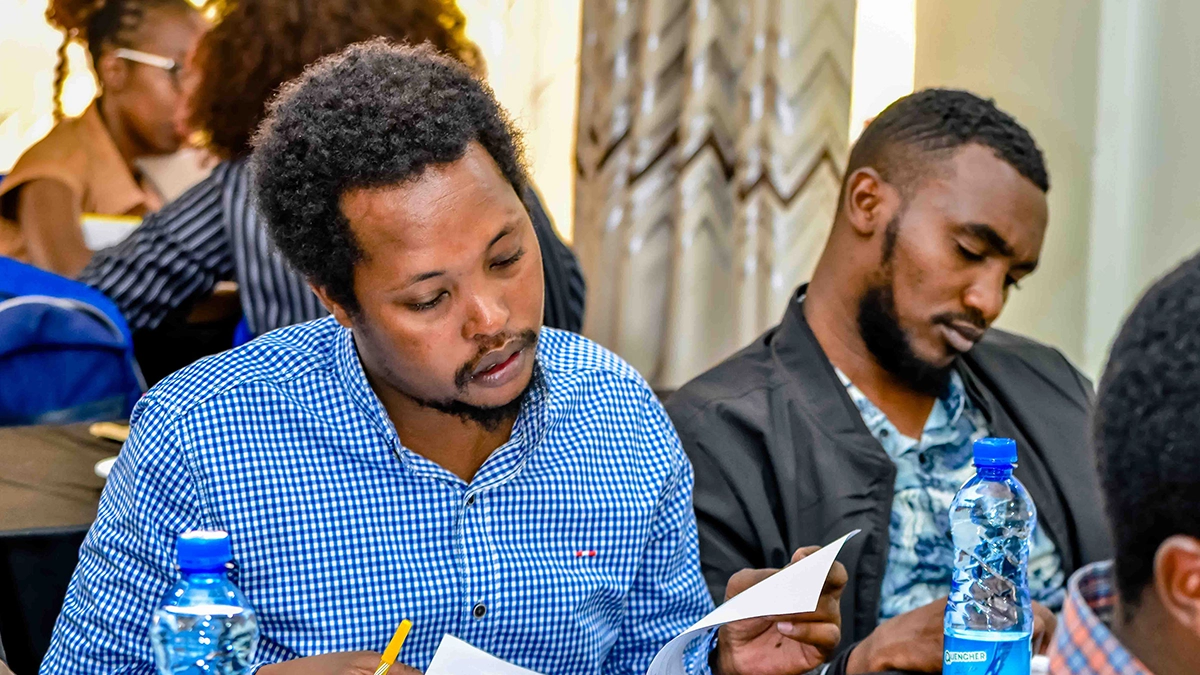
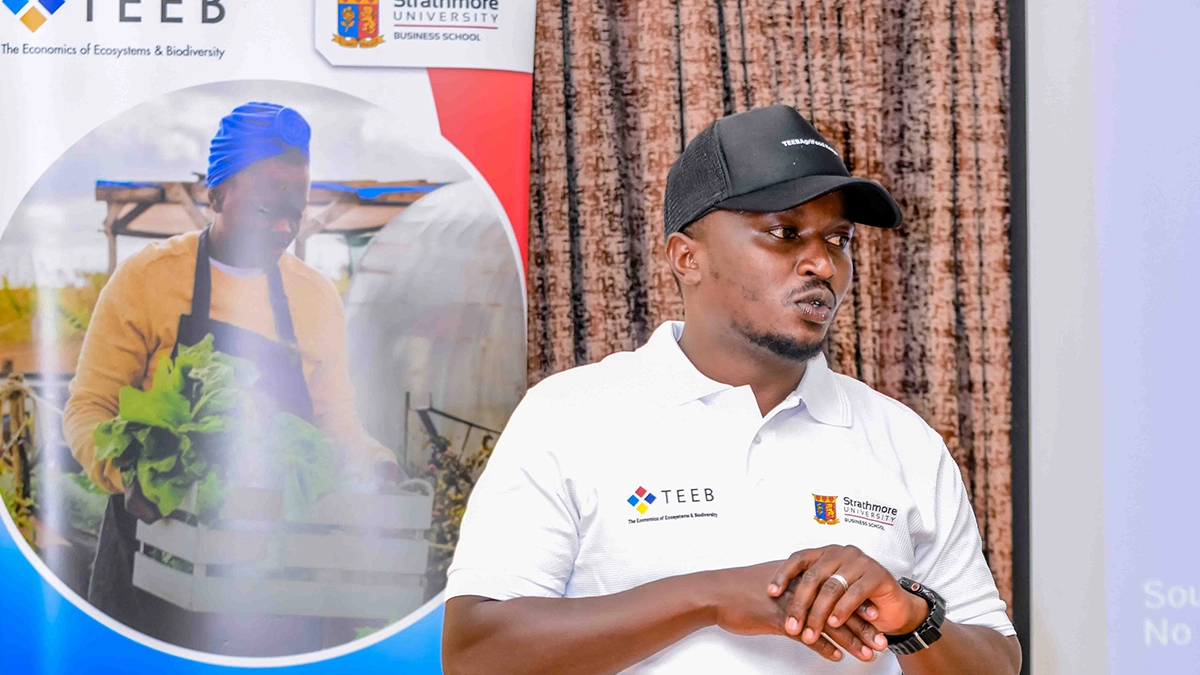
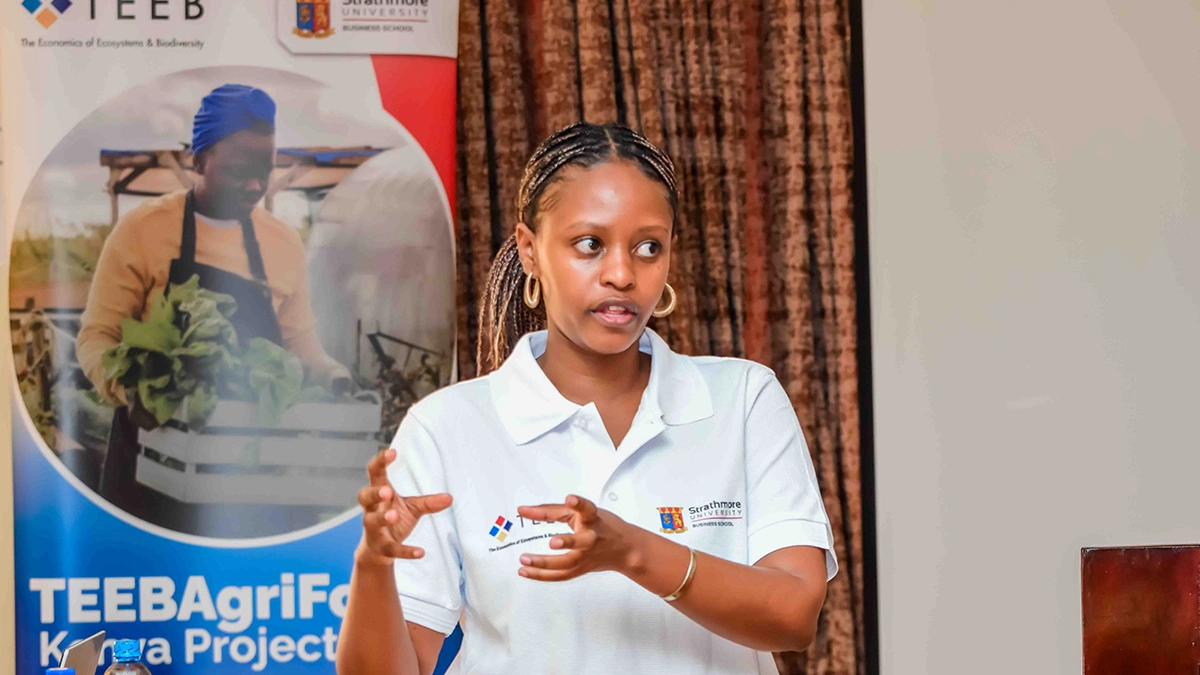
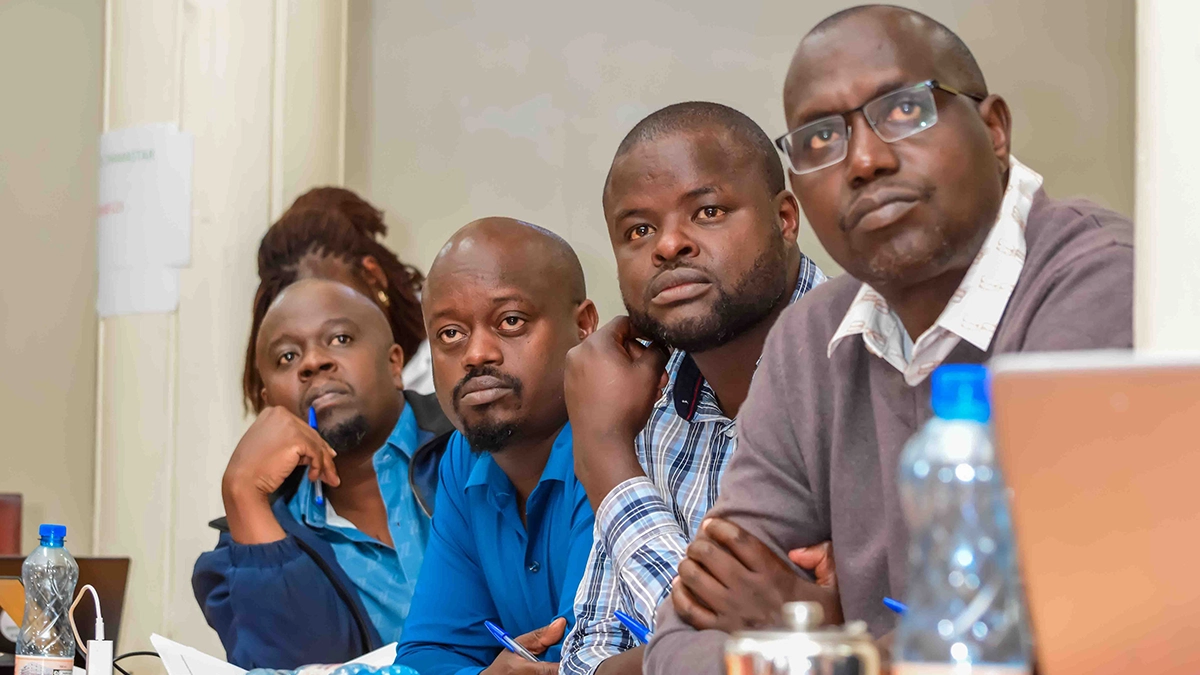
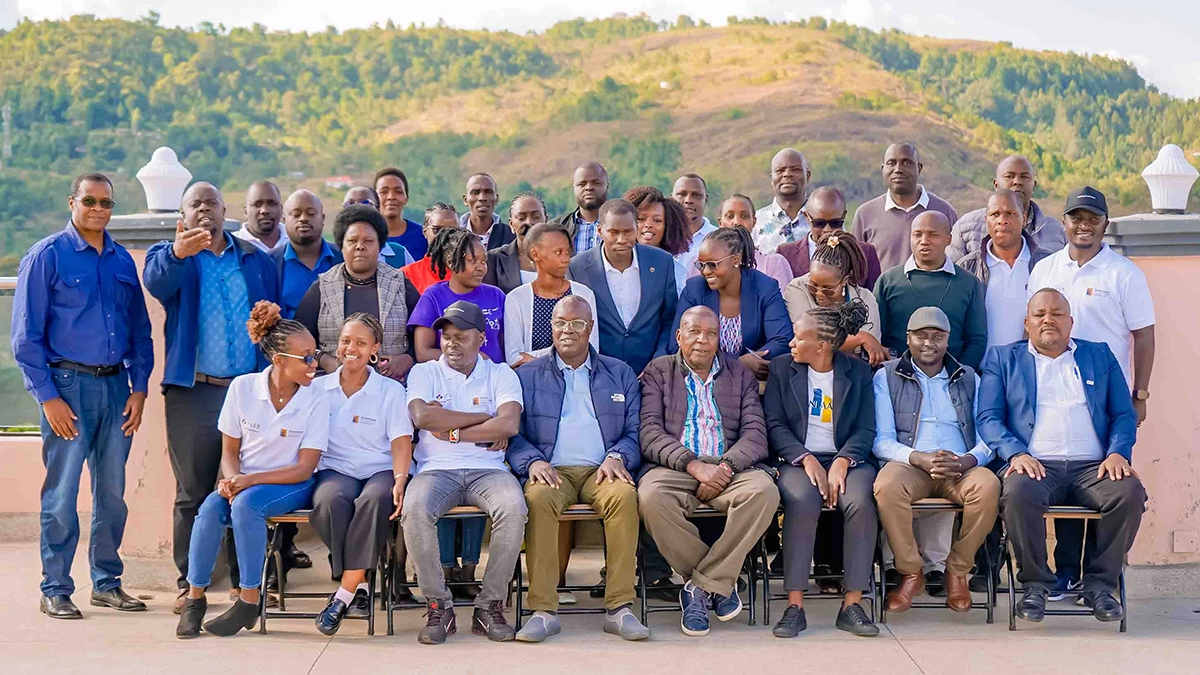
It is against this backdrop that the Project convened the Second Regional Community of Practice (CoP) Meetings across three of Kenya’s most critical water tower ecosystems: the Loita Hills Ecosystem, the Cherang’any Hills, and the Mau Forest Complex. The meetings brought together government officials, researchers, farmers, county representatives, civil society organisations and private sector actors to review and validate findings from the project’s scenario modelling work, which has been underway since 2024.
The meetings marked another significant milestone in the project’s mission to make the true value of nature visible and support evidence-based decision-making for sustainable and regenerative agriculture.
Since 2024, the TEEBAgriFood Kenya Project has been developing future scenarios to assess how different agricultural practices, policies, and investment pathways could affect ecosystems, livelihoods, and food systems across Kenya’s priority landscapes.
The recently concluded Regional Community of Practice meetings provided an important platform for local stakeholders to validate these findings, enrich them with contextual knowledge, and identify practical actions that can accelerate the transition to nature-positive agriculture. By combining scientific evidence with local experience, the discussions ensured that the recommendations emerging from the project are both technically robust and grounded in the realities communities face.
Some of the key insights from the discussions were:
Policy implementation remains the greatest challenge. Across discussions in Cherang’any Hills and the Mau Forest Complex, participants agreed that Kenya already possesses a comprehensive policy framework to support sustainable agriculture and natural resource management. Rather than creating new policies, stakeholders emphasised the need to strengthen implementation, improve coordination among institutions, and consistently enforce existing laws.
In the Mau Forest Complex meeting, the Policy Working Group described the County Integrated Development Plan (CIDP) cycle as “your period of action”, an existing channel through which evidence can flow into county budgets without waiting for new policy instruments.
Cherang’any stakeholders went further, naming with unusual precision the specific decision-makers whose absence from the room itself threatens adoption: Members of the County Assembly, Trust Land Administration representatives, and Ward Administrators. Closing this implementation gap, participants agreed, would unlock significant progress towards restoring ecosystems and promoting sustainable agricultural practices.
Secure land tenure is critical for restoration. In both the Loita Hills and Cherang’any Hills regions, land tenure insecurity emerged as one of the most significant barriers to long-term ecosystem restoration. The logic, as participants explained it, is straightforward: farmers cultivating leased rather than owned land are reluctant to invest in organic fertiliser or soil restoration measures whose benefits take several growing seasons to materialise, when they may not be farming that same land by the time those benefits arrive.
Compounding this, farmers in both regions described being pushed into distress sales, selling to brokers for immediate cash rather than through cooperative marketing systems, due to a lack of accessible financing alternatives. Strengthening land tenure systems, alongside farmer financing options, was identified as an essential enabler for protecting landscapes while improving livelihoods.
Not every barrier requires new investment; some just require better coordination. In Cherang’any, what initially looked like a data shortage turned out, on closer inspection, to be a fragmentation problem. County offices already hold avocado yield figures, post-harvest loss reports, and an active KOBO Toolbox data collection system. The evidence exists, disaggregated among individual collectors, rather than consolidated into a system project modelling can draw on directly. Participants were explicit that this is a materially easier problem to solve than building new data infrastructure from scratch.
Beyond identifying challenges, stakeholders also explored opportunities for sustainable economic growth. In Cherang’any Hills, participants identified carbon credit markets and the avocado value chain as two promising near-term investment opportunities that can generate income while supporting landscape restoration and climate resilience. The case for urgency here was made vivid by a single example: West Pokot’s Aloe Vera is currently exported raw to the Middle East and bought back as a finished product, a value-capture failure stakeholders want addressed through local certification bodies and farmer-led cooperatives, modelled on Nandi County’s own milling initiative.
Cherang’any’s Private Sector Working Group also flagged a forward-looking opportunity: tracking land-use change as formal Natural Capital Accounting could position the region’s producers to meet emerging supply-chain disclosure requirements under frameworks like TNFD, IFRS S2, and EU due diligence rules, creating new commercial demand for exactly the kind of evidence this project already generates.
In the Loita Hills region, crops like chia and avocado emerged as alternatives to supplement farmers’ incomes while restoring the landscape, with chia in particular offering income, soil restoration, carbon sequestration, and improved nutrition simultaneously, though market access and demonstration sites remain limiting factors.
Not all progress is prospective. In Kitale, an organic fertiliser production initiative built on the KENACC model has already created employment for roughly 3,000 people, with upscaling underway; concrete evidence that nature-positive economics can work at real scale today, not only in projection.
These opportunities demonstrate how nature-positive approaches can simultaneously deliver environmental, social, and economic benefits.
A recurring message across all three regional meetings was that scientific evidence alone is not enough to transform food systems. The Mau Region discussions offered the clearest articulation of why: the project’s four implementation pillars; Data, Policy, Communications, and Community of Practice, are designed to function as one connected system rather than four independent workstreams. Better data does little if it never reaches a communications strategy that can make it legible to farmers; a strong communications push does little without a policy channel ready to receive the resulting support. Effective change requires sustained collaboration among national and county governments, farmers, researchers, the private sector, civil society organisations, and development partners, operating in that order rather than in isolation.
There was also a quieter, longer-term thread running beneath the technical findings. Cherang’any stakeholders noted that colonial-era disruption of indigenous food systems has made it genuinely difficult for communities to revert to indigenous, healthier farming and dietary practices, even where the agronomic case for doing so is well understood. It’s a reminder that behaviour change in agriculture isn’t always a short-term information gap; sometimes it’s a longer cultural one.
Through the Community of Practice model, the TEEBAgriFood Kenya Project continues to create spaces where diverse stakeholders can jointly analyse evidence, challenge assumptions, and develop practical solutions that respond to local realities. The next test of that model is already scheduled: stakeholder engagement plans with named owners and timelines, data consolidation work, and Memoranda of Understanding pending signature with county governments across all three landscapes, the mechanism that stakeholders themselves identified as necessary to convert current institutional goodwill into commitments that outlast any single project cycle.
Article by Juliet Hinga
Share This Story, Choose Your Platform!
Your journey to business excellence starts here. Subscribe today and be at the forefront of innovation and leadership.







 English (United States)
  English (UK)
  French