



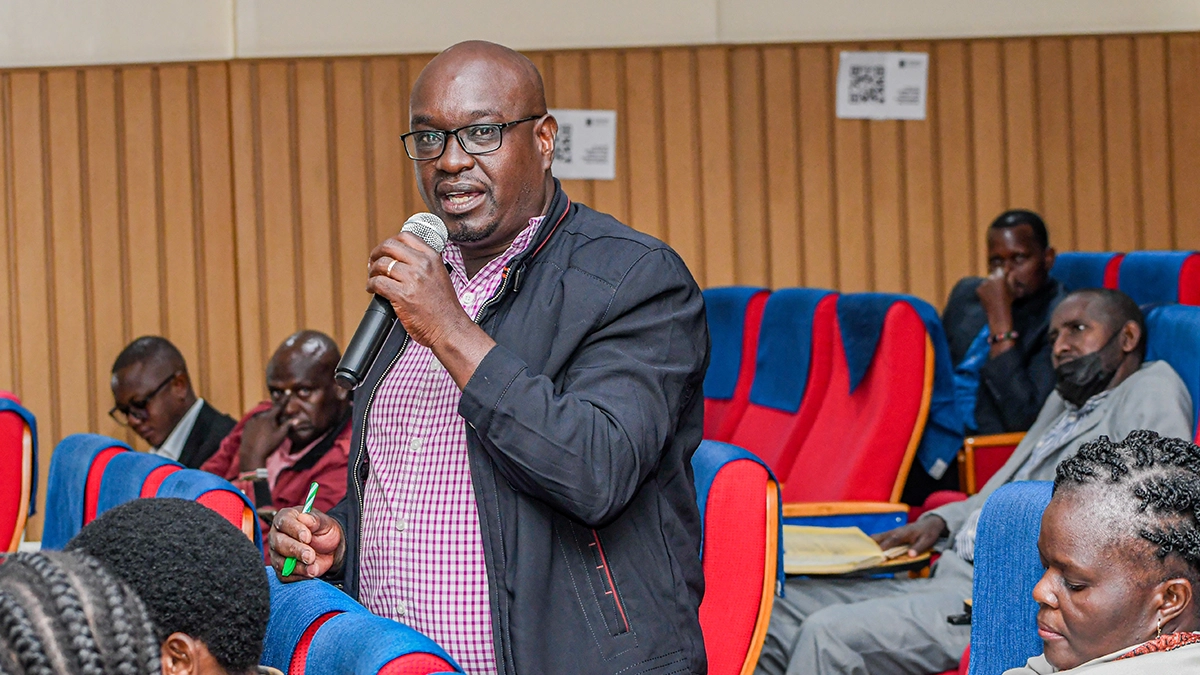
Last week, Kenya demonstrated concrete steps towards making families central in national decision-making.
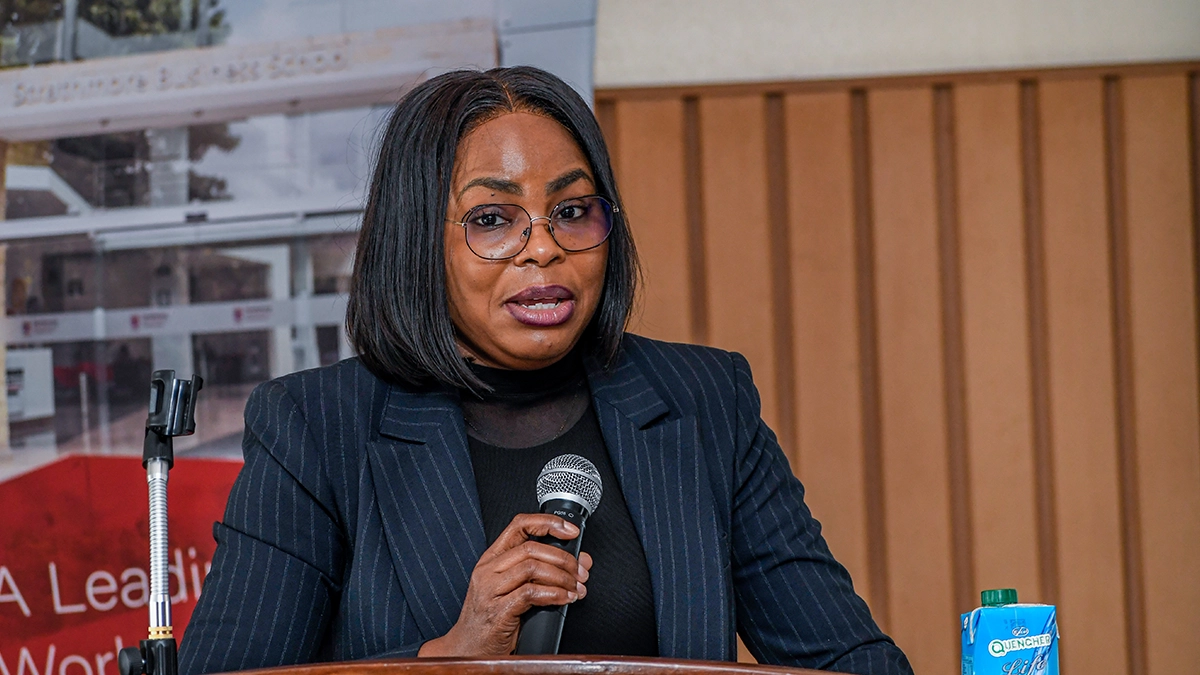
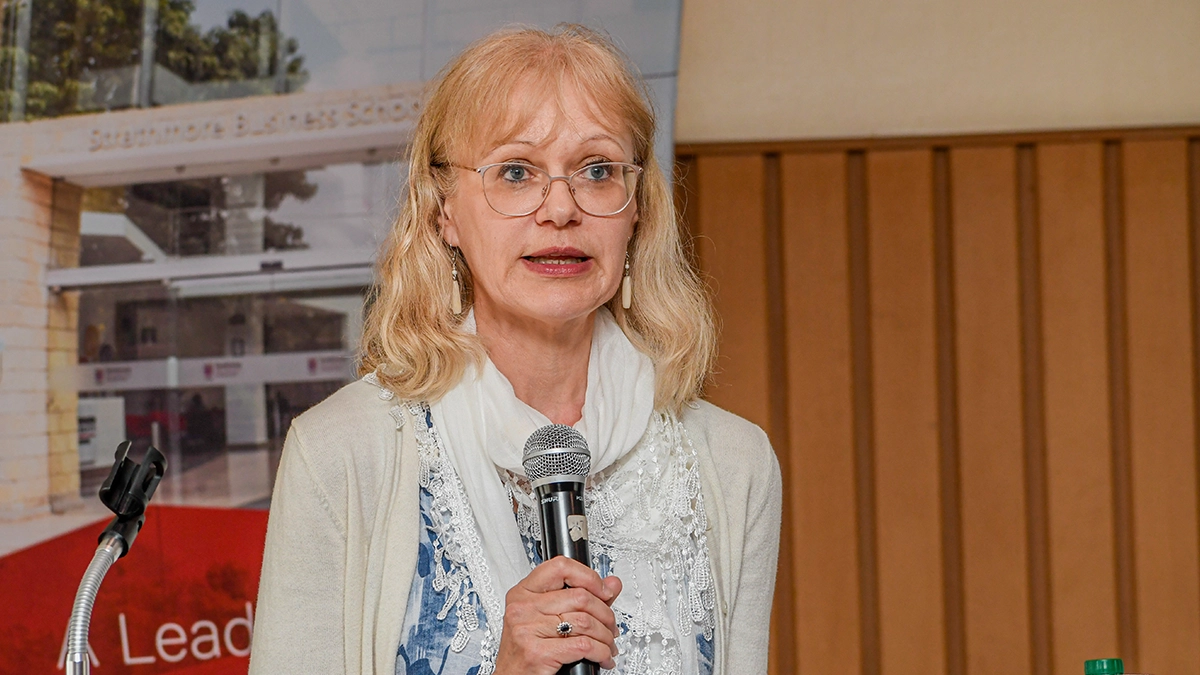
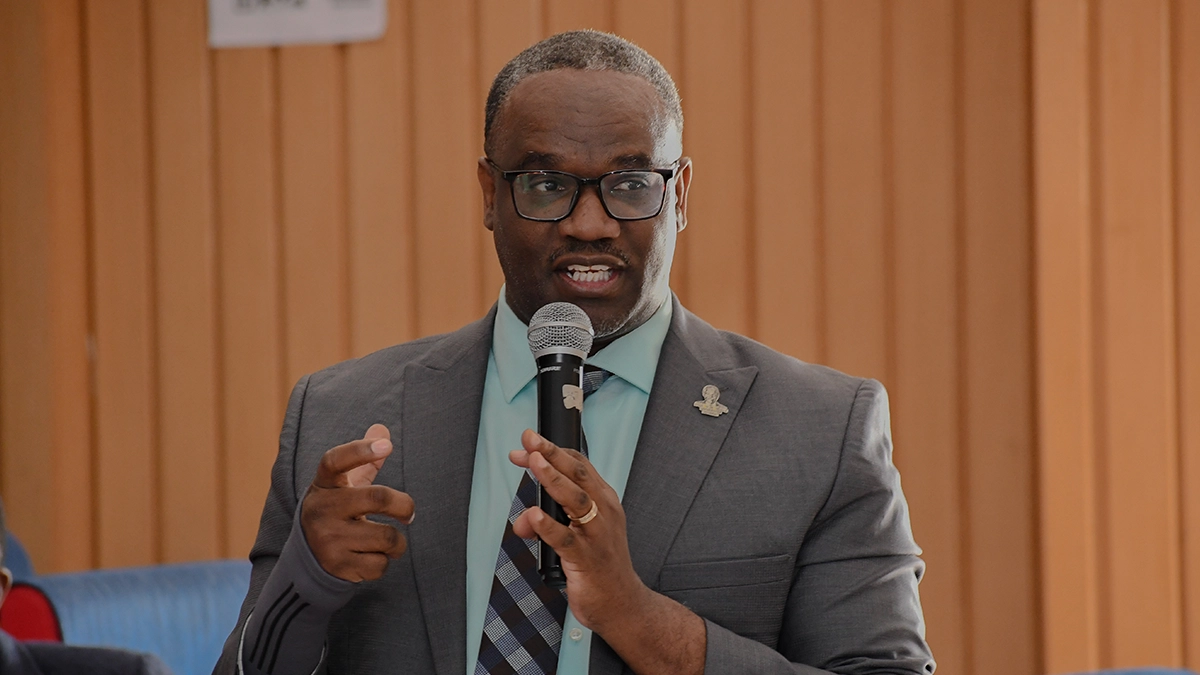
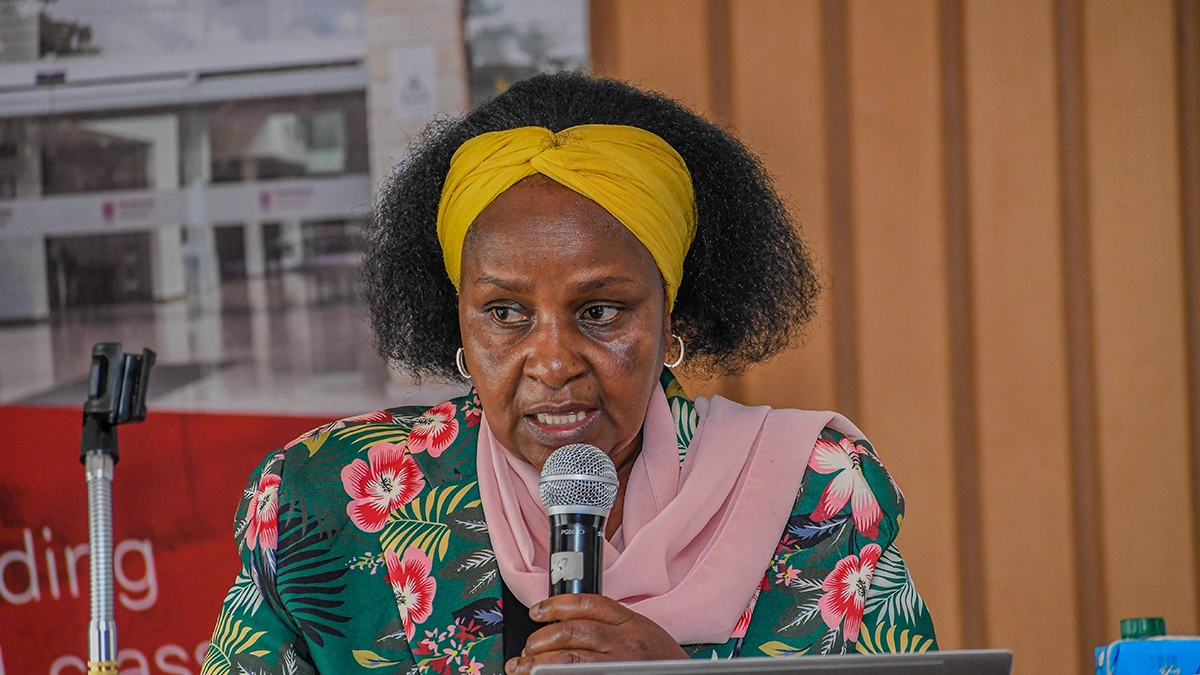
From 24th to 26th March 2026, Strathmore University Business School (SBS) hosted a three-day national workshop in Nairobi. The event brought together government officials, civil society representatives, researchers, and international experts. All participants shared a goal: transforming Kenya’s National Policy for Family Promotion and Protection into an actionable, results-driven plan.
The workshop was convened by the Ministry of Gender, Culture, and Children Services, in partnership with the United Nations Department of Economic and Social Affairs (UN DESA) and Strathmore University’s Center for Research on Organizations, Work and Family (CROWF).
At the heart of the discussions was a simple but powerful principle enshrined in Kenya’s Constitution: “The family is the natural and fundamental unit of society” (Article 45).
While Kenya’s National Policy for Family Promotion and Protection, launched in 2024, provides a strong foundation, the real test lies in implementation: defining practical action, ensuring institutional coordination, and mobilizing resources to support families. This workshop was a key step in that journey.
From Policy to Practice
Over three days, participants worked collaboratively to develop a National Action Plan—an essential roadmap for supporting, protecting, and empowering families nationwide. Each day built upon the last, moving from foundational frameworks to practical considerations.
On the first day, the focus was on strengthening the legal and institutional frameworks that underpin family wellbeing. Notably, there was a shift toward adopting a more holistic, family-centered approach, moving beyond treating individuals in isolation.
The concept of positive parenting was central. Stable, nurturing families drive long-term societal wellbeing. Discussions stressed stronger coordination across government and policies that address families’ real challenges, such as financial pressure, caregiving, and gender-based violence.
Families in a Changing World
The second day focused on two defining forces shaping family life today: technology and climate change. This transition underscored how rapidly evolving contexts impact families.
Participants noted that digital technologies offer immense opportunities. These range from expanding access to education and economic participation to strengthening family connections. Yet these benefits come with risks like cyberbullying, screen dependency, and online safety concerns, especially for children. The workshop highlighted the urgent need for digital literacy programs. Parents and caregivers must be equipped to guide children safely in a connected world.
Climate change was seen as an urgent issue. Food insecurity, economic shocks, and mental health strains all add pressure on households. However, families are not just victims; they can be agents of change. With proper support, families adopt sustainable practices, strengthen resilience, and spark community action.
Key recommendations included: improve reliable access to food and clean water through expanded infrastructure and support programs; enhance social protection systems such as cash transfers and safety nets; and establish more effective systems.
On the final day, attention shifted decisively toward implementation. Drawing on global and regional best practices, including the African Union Plan of Action on the Family and experiences from the Democratic Republic of Cong, participants began drafting the National Action Plan. The African Union Plan of Action on the Family and experiences from the Democratic Republic of Congo, participants began drafting the National Action Plan.
Three priorities stood out:
- Cross-sector coordination. Delivering meaningful outcomes for families requires alignment across health, education, labor, and social protection systems.
- Father involvement. Engaging fathers and male caregivers is essential for stronger family cohesion and improved child development outcomes.
- Evidence-based decision-making. Policies and resource allocation must be grounded in data, research, and lived realities.
The workshop closed with a strong sense of shared purpose. Kenya already has a robust constitutional and policy framework to support families. What has been missing is a coordinated, actionable framework to translate policy into impact at the community level. The National Action Plan aims to bridge this gap. It will serve as a practical guide for government, civil society, and communities working together to ensure that every Kenyan family has the support it needs to thrive. Because in strengthening families, Kenya is doing more than protecting its citizens; it is investing in the very foundation of its social and economic future.
Article by Sharon Osembo
Share This Story, Choose Your Platform!
Your journey to business excellence starts here. Subscribe today and be at the forefront of innovation and leadership.







 English (United States)
  English (UK)
  French