




Across Africa, the momentum for the continent’s transformation is building, centered on a clear message: Africa’s future lies in the hands of Africans. Demographic shifts, economic challenges, and governance gaps create urgency that demands bold leadership and collective purpose. The Transform Africa Network (TAN) arose from this exact need—to motivate Africans to claim responsibility for their destiny and shape a brighter future.
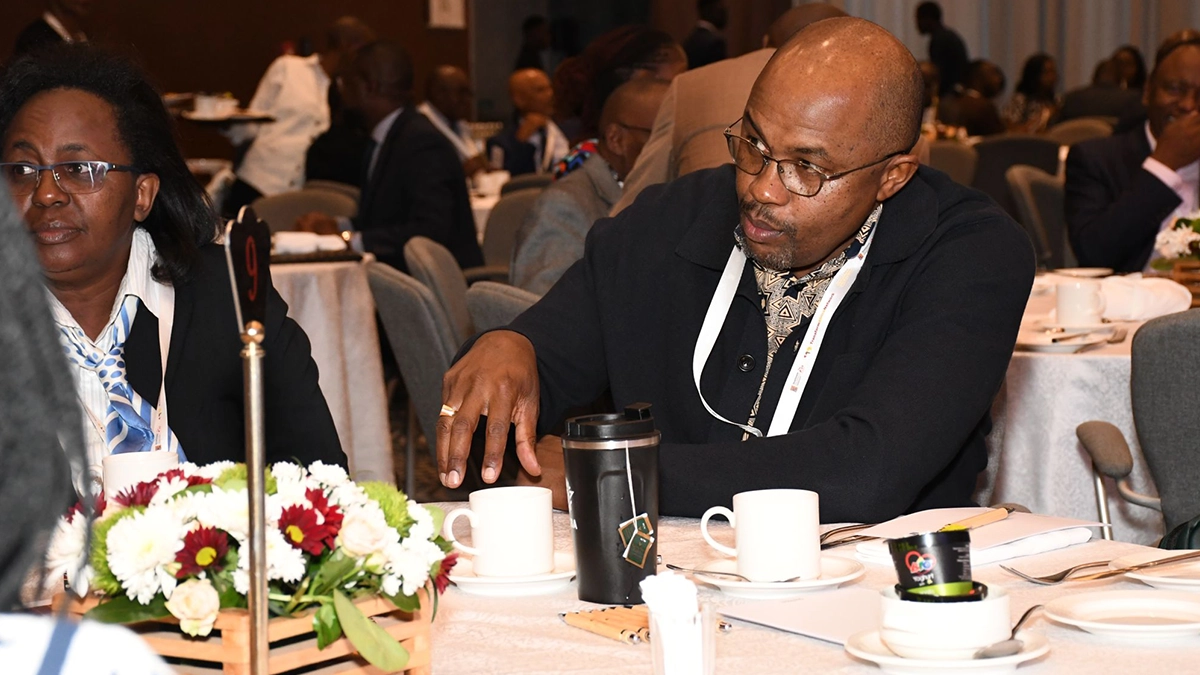
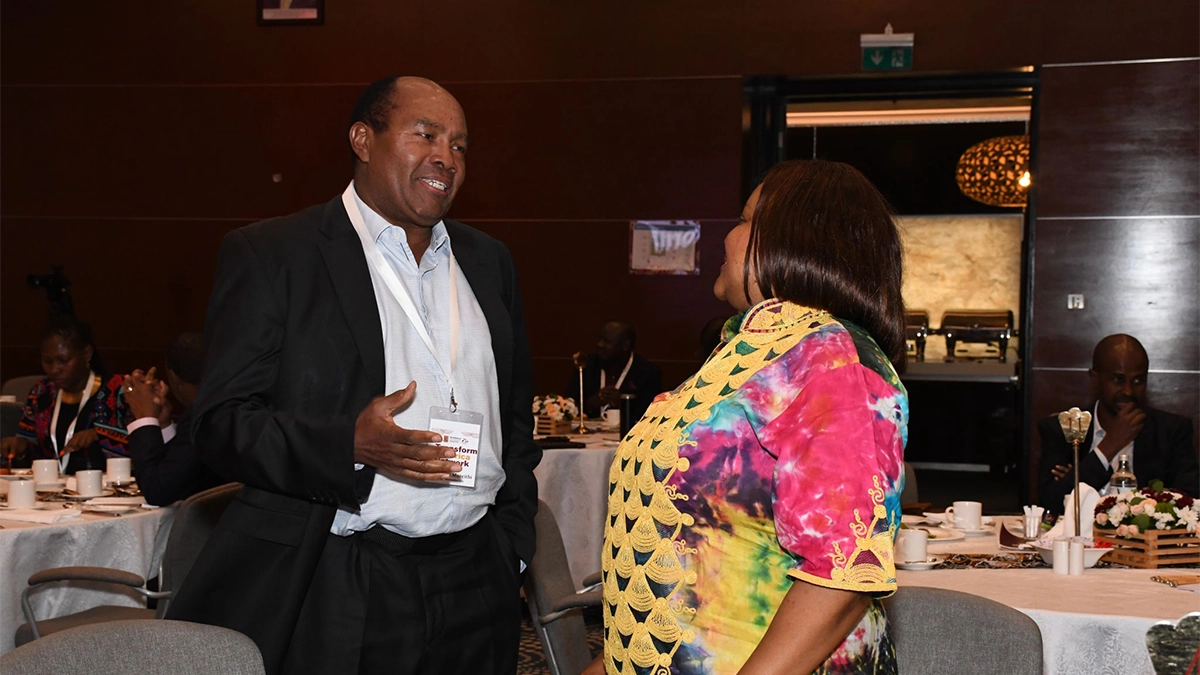
Launched under the inspiring theme “For Hearts and Minds That Call Africa Home, and Are Willing to Do More, the Transform Africa Network (TAN) launch event brought together leaders, policy experts, innovators, and youth voices from across the continent, united by a shared belief in Africa’s potential and a renewed commitment to shaping its future from within. More than a single gathering, the launch marked the beginning of a bold, purpose-driven movement aimed at mobilizing Africans to take responsibility for the continent’s transformation.
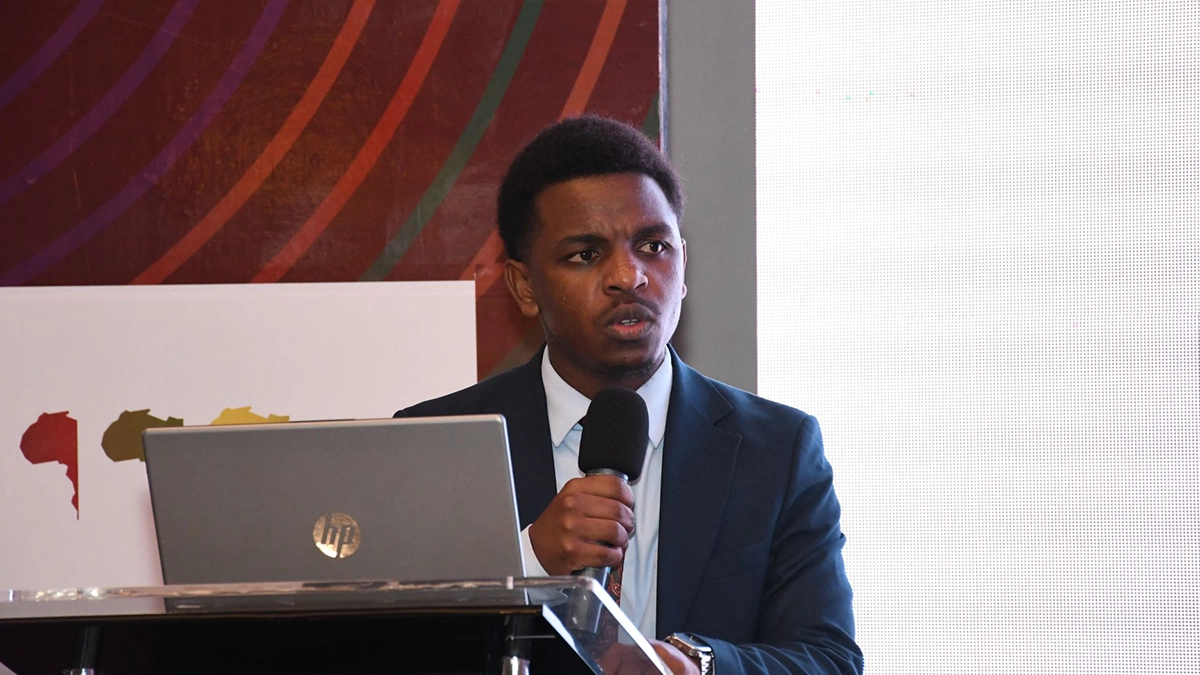
The event opened with reflections on the state of Africa’s youth by Joshua Gitenge, a first-year student at Strathmore University, who highlighted the realities many young people face from unemployment, exposure to drugs, involvement in crime, and other forces that erode their potential. He noted how political actors often use small incentives, known as “za macho,” to distract youth from meaningful engagement. A continent with such a young population, he argued, cannot thrive if its youth remain marginalized. “Africa must rise,” he declared, urging young people to refuse manipulation and instead become champions of accountability and transformation.
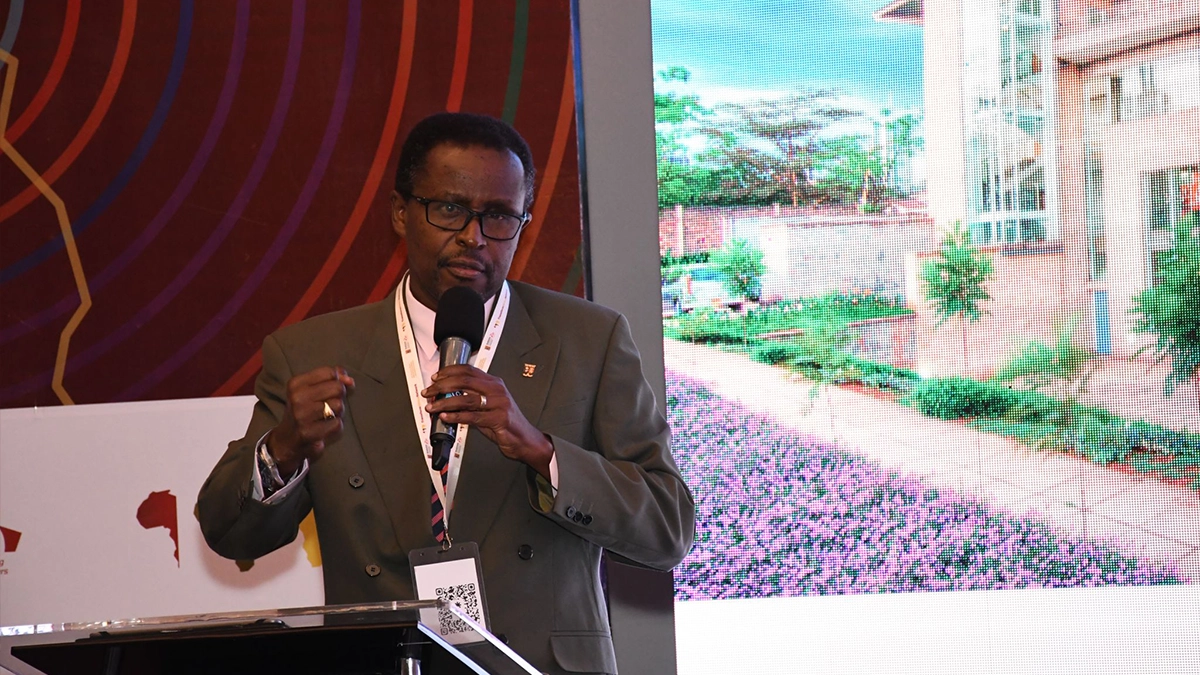
Building on this call to responsibility, Dr. Caesar Mwangi, Executive Dean, Strathmore University Business School (SBS), grounded the audience in the deeper purpose behind TAN. He emphasized that genuine transformation must begin with a mindset shift and a collective belief that Africa’s future rests in the hands of its people. He spoke of Strathmore University’s long-standing commitment to developing ethical and visionary leaders and underscored that Africa stands at a window of opportunity that must not be wasted. “We have to look ahead and focus on what we can build,” he said. “The transformation of Africa will happen, and we must take charge and thrive.”
The audience was further inspired by Dr. Githinji Gitahi, Group CEO, AMREF Health Africa, who reminded participants that leadership is an attitude, not a position. He emphasized the principle of collective responsibility, noting that TAN represents a movement defined not by titles but by intention, courage, and action. “Transforming Africa must start from the steps we take,” he remarked. “TAN is a call to responsible leadership at every level.”
A distinguished panel expanded on these themes, unpacking Africa’s promise, the mindset shifts required, and the power of inclusive leadership. Mr. Kariuki Ngari, MD & CEO for Kenya and Africa at Standard Chartered, highlighted the importance of broadening access to Africa’s banking ecosystem and making bold, sometimes unpopular decisions for long-term impact. He called for the building of digital rails to expand financial inclusion, bringing more Africans onto formal financial platforms, and embracing courageous, forward-thinking leadership, reminding participants that transformational leaders like Kwame Nkrumah guided people into new territories of possibility.
Mercy Wanjau, a policy and regulatory expert, spoke about the central role of policy in shaping national aspirations. Using the metaphor of a “magic spark” within every heart, she underscored that Africa’s achievements and setbacks are the cumulative result of decisions made over time. She called for public participation, effective governance, and multisectoral collaboration, reminding the audience that “nothing crops up overnight,” and that nation-building requires patience, consistency, and intentionality.
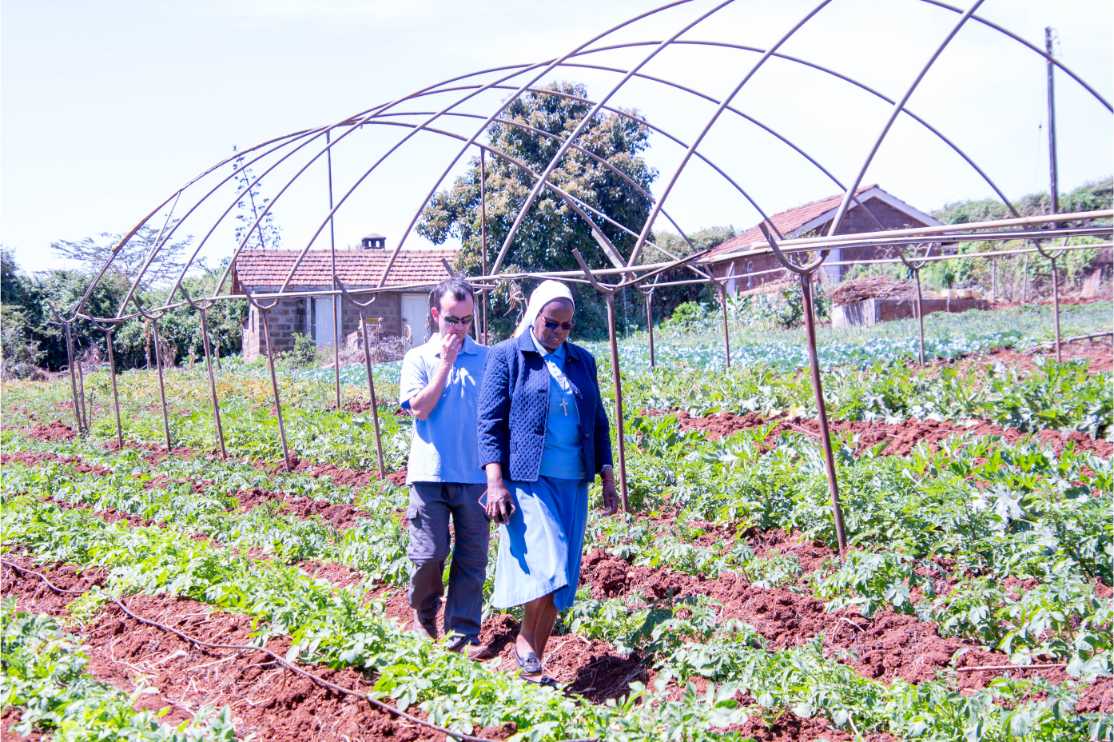
Ms. Agnes Konde, Vice President for Program Development & Innovation at AGRA, urged participants to reflect on the true meaning of transformation and who it ultimately serves. Drawing from her experience across 17 African countries, she noted the striking similarities in challenges and opportunities across the continent. She pointed to Africa’s vast untapped agricultural potential, highlighting that while a smallholder farmer in Africa produces about 1.2 metric tons from three acres, a similar farmer in China yields 12 metric tons on the same land size. This comparison highlighted the need to rethink how Africa uses its most basic resource—land—and to empower farmers, strengthen institutions, and develop policies that unlock sustainable productivity.
The panelists agreed that sustainable transformation must uphold dignity, strengthen institutions, and foster collaboration among the government, the private sector, and the community. They emphasized that Africa should not aim to compete with the world but rather strive to reach a level where the world competes with Africa.
Participants then moved into leadership roundtable sessions, moderated by Roy Were, to explore what must change in how Africa thinks, leads, and acts; the priority areas requiring transformation from within; and how individuals and institutions can contribute meaningfully to shaping the continent’s future. These sessions reaffirmed the belief that transformation begins with a renewed sense of identity and personal responsibility.
With a unified vision and renewed purpose, the Transform Africa Network calls on Africans everywhere to lead intentional change for a prosperous Africa. TAN provides a collaborative platform focused on dignity, innovation, and self-driven growth, reinforcing that the power to transform Africa truly resides with its people.
Article by Juliet Hinga
Share This Story, Choose Your Platform!
Your journey to business excellence starts here. Subscribe today and be at the forefront of innovation and leadership.







 English (United States)
  English (UK)
  French