



Kalulushi, located in the Copperbelt Province of Zambia near Kitwe, is a town rich in mineral resources, primarily copper, which has historically driven its economy. Despite this abundance of natural wealth, the area faces significant challenges. Many of its youth are unable to attend school due to widespread poverty, leading to a lack of education opportunities hence contributing to a cycle of poverty and hardship. Large tracts of land remain virgin and unattended, highlighting the underutilization of available resources. The contrast between the area’s mineral wealth and the everyday struggles of its residents underscores the socioeconomic disparities prevalent in Kalulushi.
In a remarkable fusion of faith and entrepreneurship, the Sisters of St. John the Baptist have embarked on an ambitious initiative to fill the gap by empowering the youth through sustainable agricultural practice in the area. When asked why they chose to invest in the vulnerable youth, Sister Rose Ngoshe, the congregation’s provincial superior, passionately states that their charism is to live a spousal relationship with Jesus and serve the young, the poor, and the vulnerable. “Inspired by Saint John the Baptist, our mission is to proclaim the coming of the Kingdom of God and to prepare the way of the Lord. In whatever we do, we look out for the marginalized and strive to empower them.” The Sisters’ commitment to this mission has led them to address the pressing issue of youth unemployment and poverty. “When we were invited to take the course in entrepreneurship, we saw an opportunity to further our mission,” Sister Rose recalls. “Thank God for Strathmore´s Sisters´ Blended Value Project training, which gave us the skills we needed to start the Baptistine Eco-Organic Agriculture and Training Centre.”
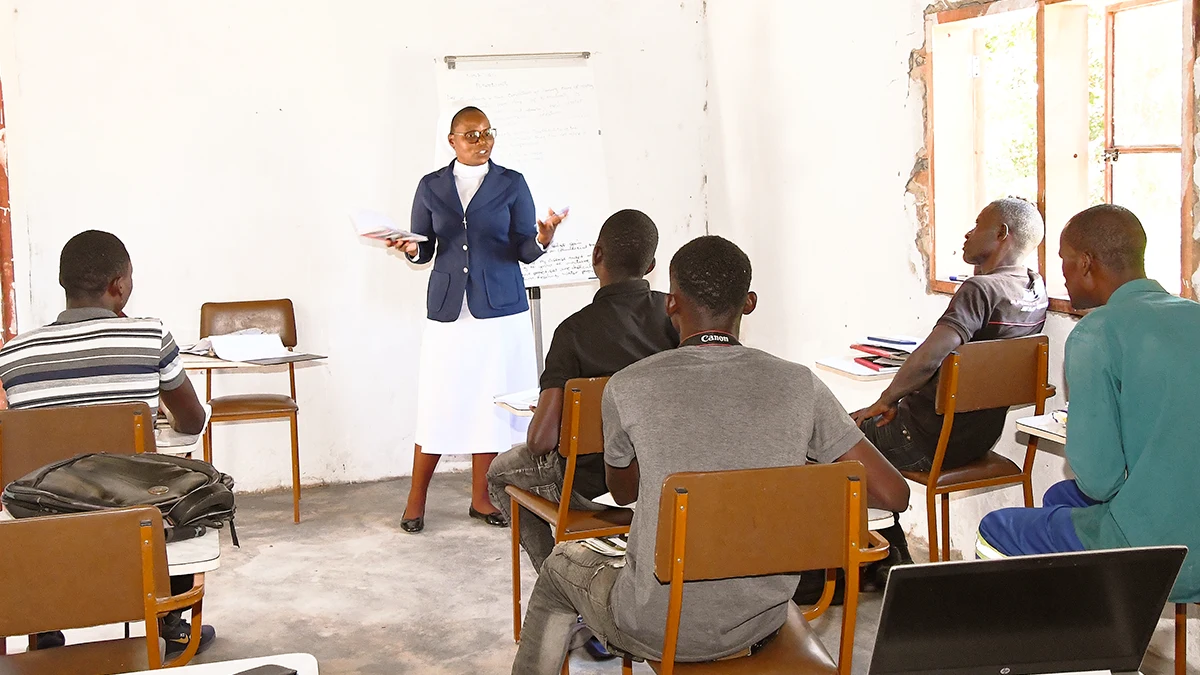
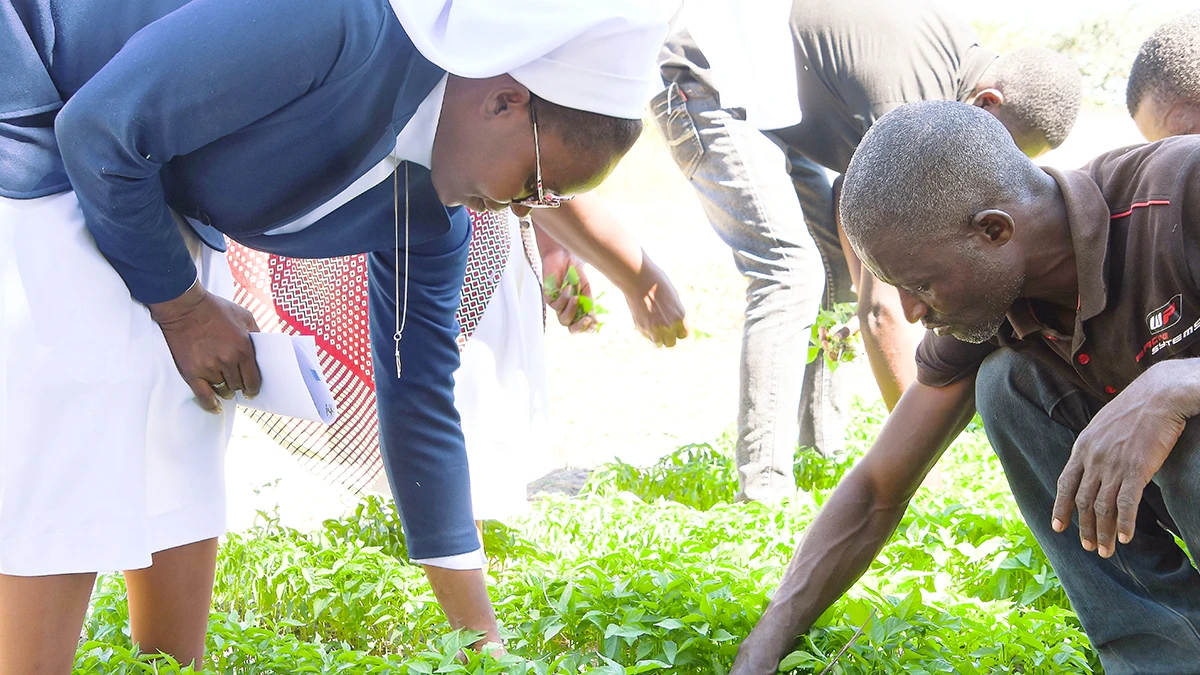
The training provided by Strathmore University was comprehensive, covering essential aspects of entrepreneurship, including business planning, budgeting, and marketing. This knowledge laid the foundation for the Baptistine Eco-Organic Agriculture and Training Centre. The Centre offers a comprehensive curriculum that covers various aspects of organic farming. “We train the youth in general agriculture, helping them understand the types of soil, the best crops to plant in different seasons, and the benefits of organic farming,” Explains Sr. Rose.
A vital component of the training is environmental stewardship. “We emphasize the importance of caring for the environment,” Sr. Rose notes. “Our Holy Father, Pope Francis, through Laudato Si, has called on us to care for our common home. We teach the youth the dangers of deforestation, improper waste disposal, and the benefits of planting trees.” The curriculum includes practical lessons on conservation techniques such as mulching and composting. “Organic farming is about more than just growing crops,” Sister Faustina explains. “It’s about improving the soil, conserving water, and creating a sustainable ecosystem. By using organic methods, we avoid the harmful effects of chemical fertilizers and pesticides, which can degrade the soil and pollute water sources.”
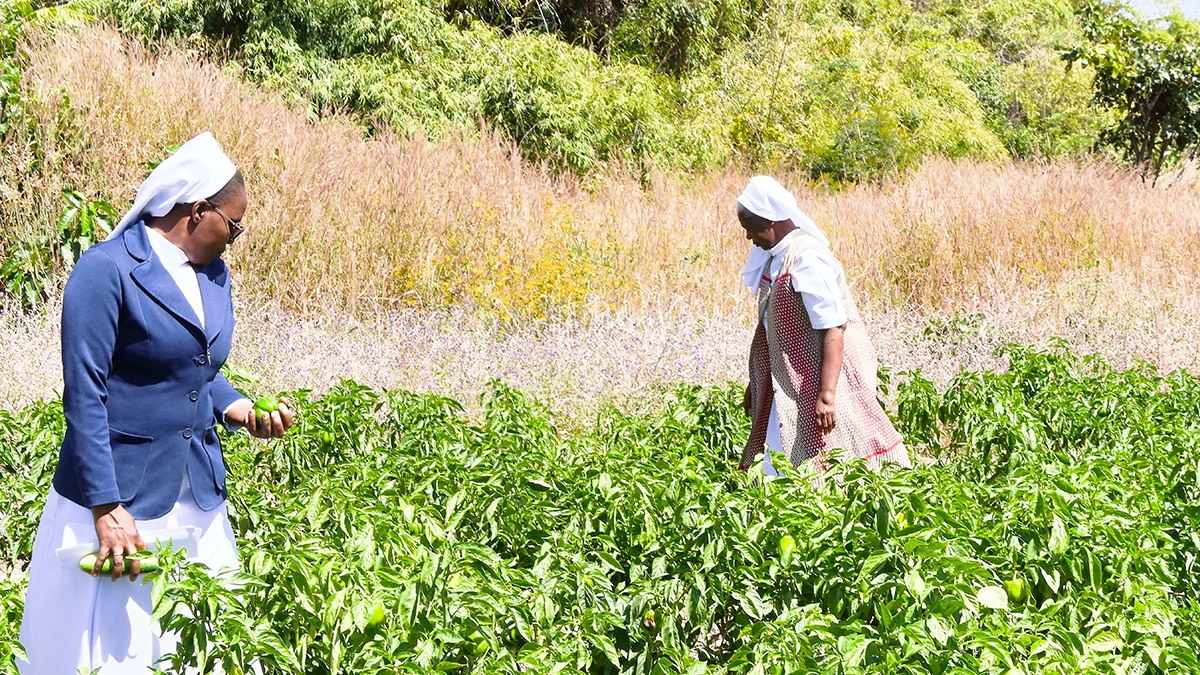
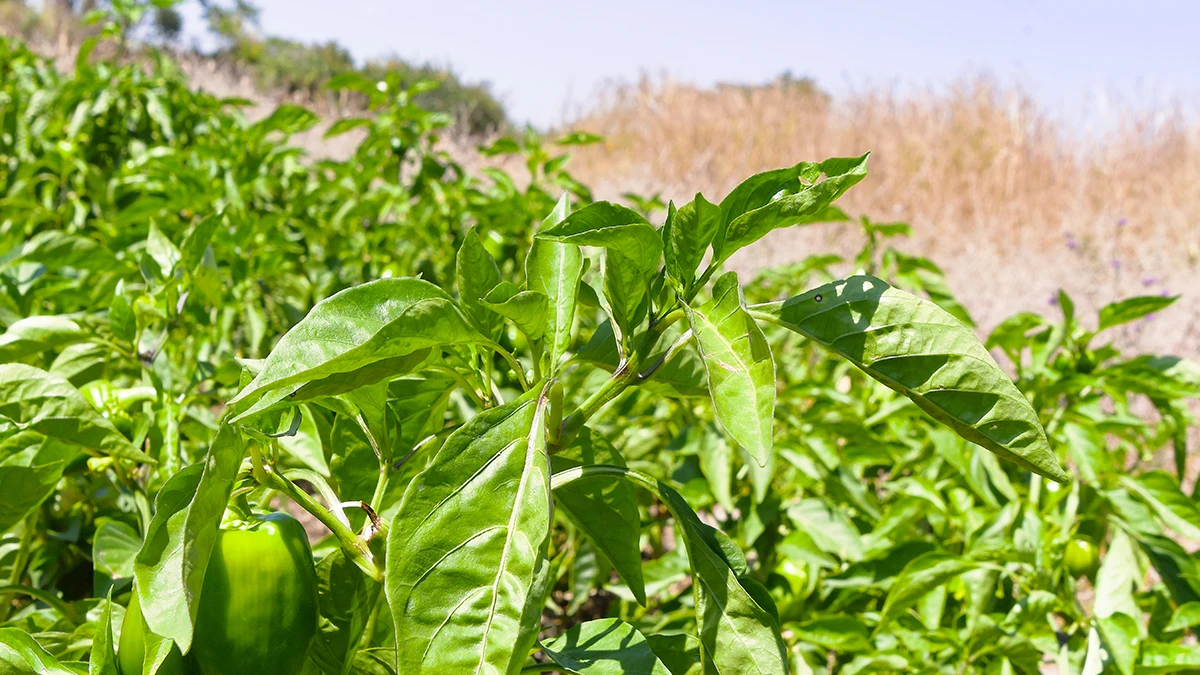
To ensure the center’s sustainability, something that SBVP is keen on, the Sisters have established diverse revenue streams. They have a piggery, which started with ten pigs and had grown to fifty. The sisters have also incorporated layer chickens, producing nine trays of eggs daily, and a tray retailsat 65 Kwacha (approx. USD 3). Additionally, they grow a variety of vegetables, including green peppers, eggplants, cabbage, and carrots. The center’s success in generating revenue has been a testament to the effectiveness of the SBVP training. “Despite challenges such as drought, we have managed to sustain ourselves and support the local community,” Sister Faustina notes.
Recognizing young mothers’ unique challenges, the center has expanded its programs to include literacy and basic education for young mothers who could not participate in the sisters programs because they did not know how to read or write. “We decided to address this by offering literacy classes alongside agricultural training,” added Sr. Rose. The literacy program helps young mothers learn to read and write, as well as basic English communication skills. They are taught to introduce themselves, and communicate effectively. This empowers them to participate more fully in the programs and improve their prospects.”
The sisters of John the Baptist are very optimistic about the future of the Baptistine Centre Eco-Organic Agriculture and Training Centre. They are constantly seeking ways to improve and expand their programs. They plan to register the school with the Technical Education, Vocational, and Entrepreneurship Training Authority (TEVETA) so that the graduates can earn recognized certificates. The center also aims to increase its outreach to more young people and communities. “We want to share the knowledge and skills we have gained with as many people as possible,” Sister Rose says. “By doing so, we can create a ripple effect, where empowered individuals go on to empower others and, in the end, ensure sustainability as we were trained when we participated in the SBVP.”
The Sisters Blended Value Project, a visionary initiative by Strathmore Business School in partnership with the Association of Consecrated Women of Eastern and Central Africa (ACWECA) and generously supported by the Conrad N. Hilton Foundation, is a transformative force for social good. By transforming social ministries into sustainable social enterprises, it empowers congregations, fosters economic independence, and promotes financial freedom. The Baptistine Eco-Organic Agriculture and Training Centre exemplifies this mission, showcasing the profound impact of blending faith, education, and entrepreneurship. The Centre sustains its mission by generating surplus from the farm produce and collecting school fees. The unwavering dedication of the sisters of St. John the Baptist is creating lasting positive change and inspiring hope for a sustainable future.
By Alex Okoth
Share This Story, Choose Your Platform!
Your journey to business excellence starts here. Subscribe today and be at the forefront of innovation and leadership.


Conrad N. Hilton Foundation
The Conrad N. Hilton Foundation foresees a world in which improving the human condition is a shared and sustainable goal. “Love one another, for that is the whole law,” Conrad Hilton wrote in his will. The peoples of the world “deserve to be loved and encouraged—never to be abandoned to wander alone in poverty and darkness.” That is our resolve.






 English (United States)
  English (UK)
  French