

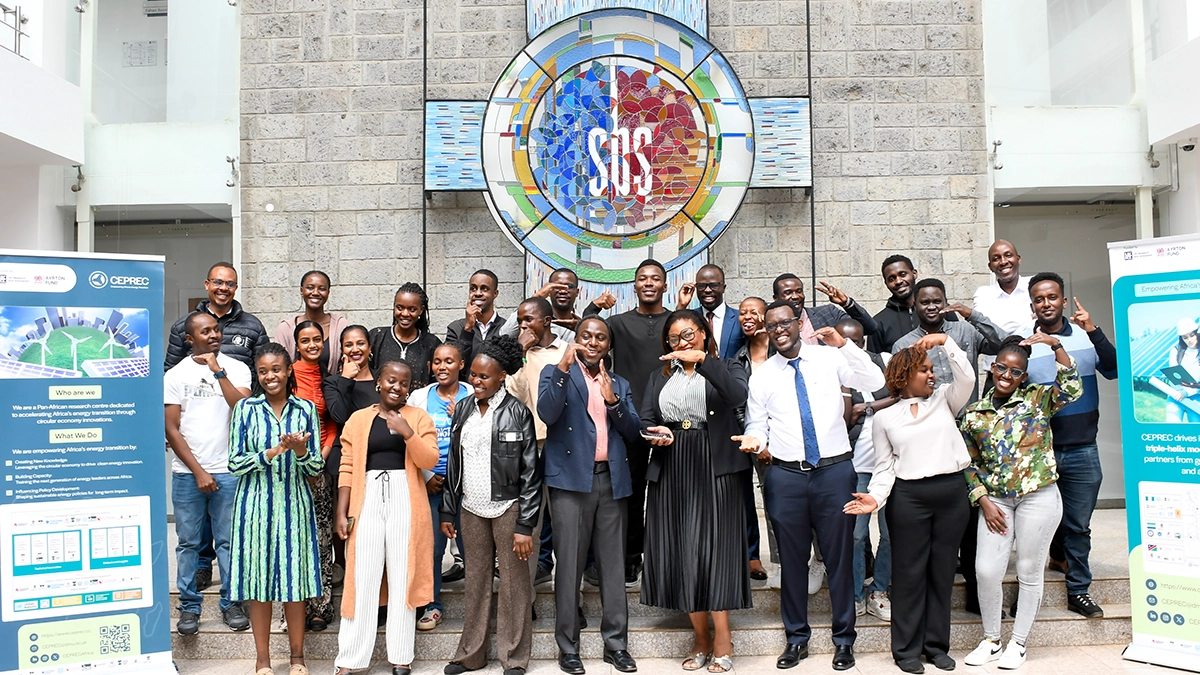
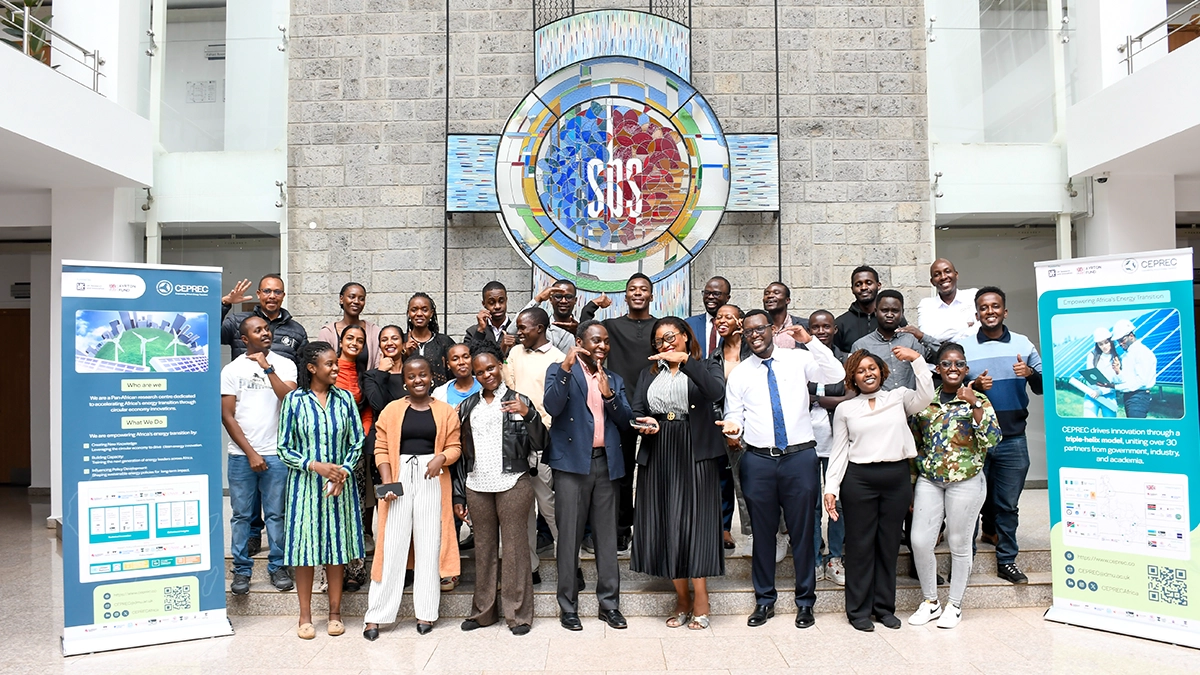
Nairobi, Kenya – 26 June 2026
What happens to an electric vehicle (EV) battery and its components once it’s no longer fit for the road? For most of the world, that question still leads to a landfill. But at Strathmore Business School on Friday, 26th June 2026, a room full of academics, industry players, policymakers, and development practitioners gathered to argue for a different answer.
The occasion was the CEPREC Kenya Stakeholder and Industry Capacity Building Workshop, hosted by the Circular Economy Powered Renewable Energy Centre (CEPREC). At its core was one guiding question:
How can Africa accelerate clean and sustainable energy access while ensuring electric vehicle batteries continue creating value long after their first life?
Rethinking E -Waste
As electric mobility and renewable energy adoption accelerate across Africa, so does a quieter challenge: what to do with batteries and clean tech components once they reach the end of their first and even second life. The workshop’s answer was clear – don’t dispose, repurpose.
EV batteries that have outlived their automotive usefulness often still hold substantial energy capacity. Given a second life in stationary storage, they can strengthen microgrids, extend energy access, and deliver more reliable, affordable power to communities that need it most. That vision is the foundation of CEPREC’s work, and the reason building local capacity in circular renewable energy systems has become so urgent.
Throughout the day, discussions pushed back against the traditional linear model – take, make, dispose – in favour of a circularity, building around repair, reuse, refurbishment, remanufacturing, and recycling. The shift in framing was deliberate: instead of asking “how do we dispose of batteries?”, participants asked, “how do we extract maximum value from batteries and energy technologies before they become waste?”
From Theory to Practice
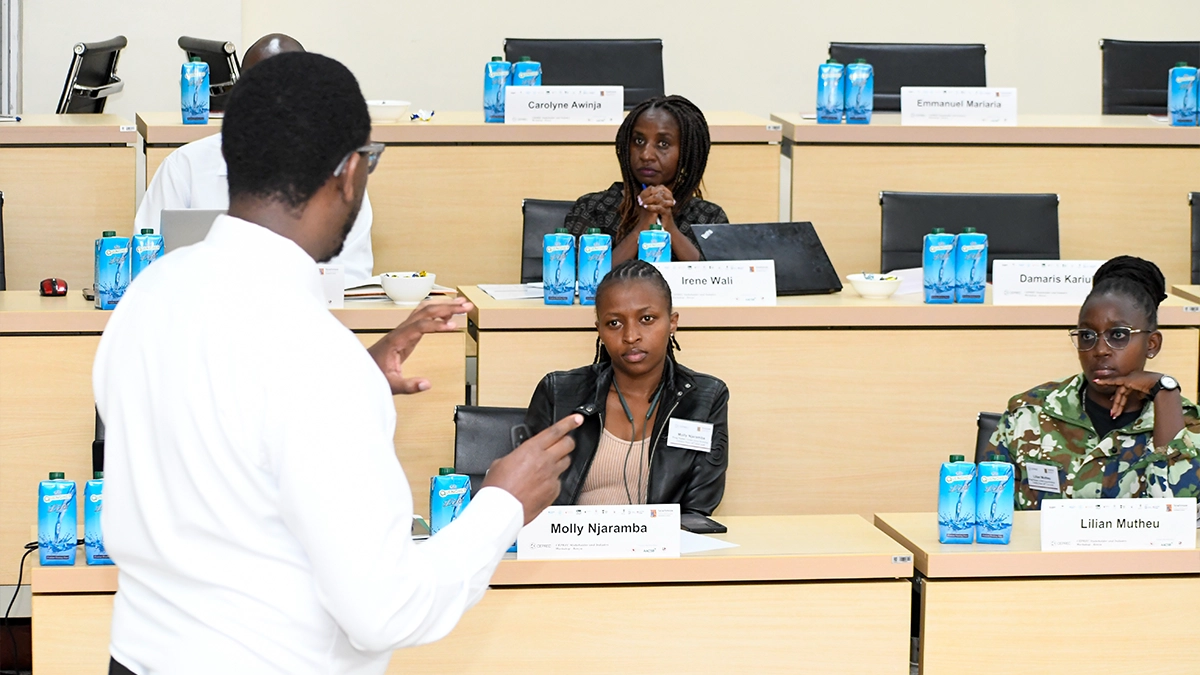
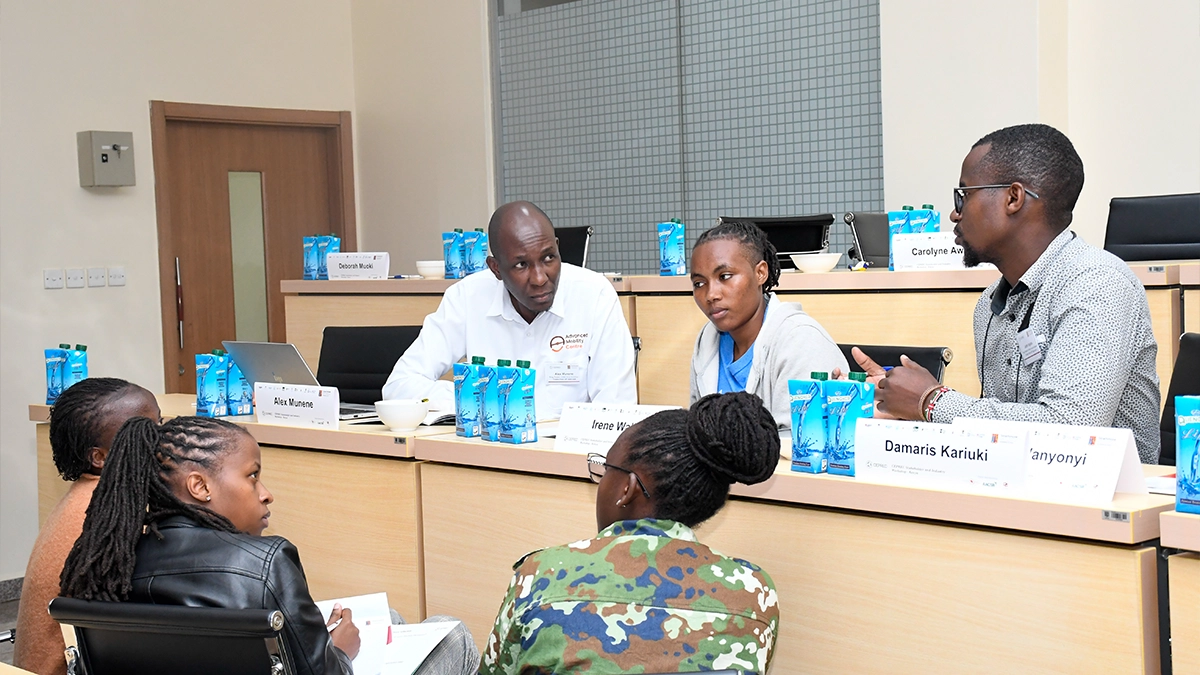
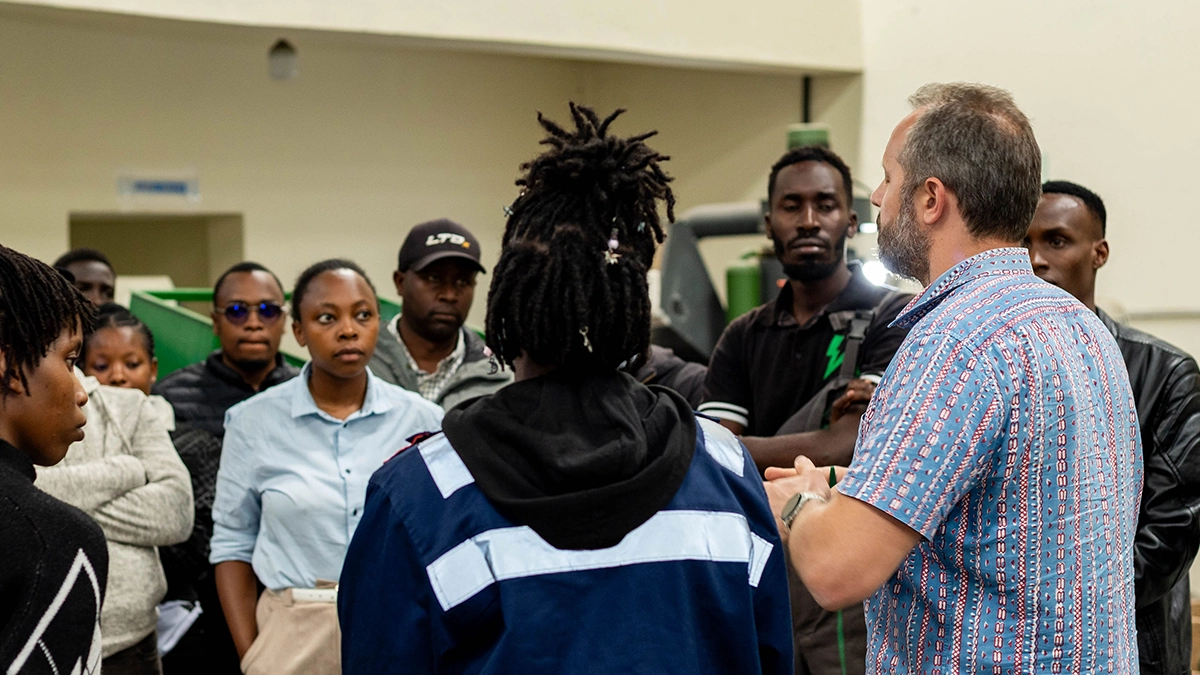
The workshop blended expert presentations with interactive discussions and hands-on group activities, giving participants space to connect circular economy theory to real-world constraints. A major thread ran through the day: circularity isn’t just about recycling. Participants mapped the lifecycle of batteries and renewable energy technologies, pinpointing exactly where value leaks out of the system and what it would take to plug those gaps through smarter product design, supportive policy, innovative business models, and stronger collaboration across the value chain.
The Digital Edge
Digital technology emerged as a recurring theme. Participants explored how tools for asset monitoring, predictive maintenance, and lifecycle management can make circular energy systems more efficient and data-driven. But the consensus was clear: technology alone isn’t enough. Real progress depends on partnerships, cross-sector collaboration, and the discipline to turn insight into action.
Building Bridges Across Sectors
Perhaps the workshop’s greatest value was the room itself, where researchers, policymakers, industry leaders, and practitioners shared experiences, surfaced opportunities, and sketched out partnerships that could accelerate circular renewable energy solutions across the continent. These conversations reinforced a simple truth: the technical, policy, and market barriers to a clean energy transition are rarely solved by one sector working alone.
Looking Ahead
As the day closed, participants turned their attention to the application. How the ideas, connections, and frameworks discussed could be carried back into their own organisations and communities. By deepening technical capacity, encouraging innovation, and fostering collaboration across sectors, the workshop marked another step forward in building the partnerships, evidence base, and expertise Africa needs for a resilient, sustainable, circular energy future.
CEPREC extends its sincere thanks to every facilitator, speaker, partner, and participant who made the day a success. The questions raised, connections formed, and ideas exchanged made one thing clear: building a circular energy future isn’t any single organisation’s task; it’s a shared responsibility.
As CEPREC continues to drive research, innovation, and capacity building, it remains committed to working alongside its partners to unlock the full potential of second-life EV batteries and other circular renewable energy solutions powering Africa’s sustainable future, one battery, one microgrid, one partnership at a time.
Written by Sheila Chepkorir, CEPEC Project Assistant
Share This Story, Choose Your Platform!
Your journey to business excellence starts here. Subscribe today and be at the forefront of innovation and leadership.







 English (United States)
  English (UK)
  French