

Over the past decade, governments have made significant strides in enhancing management practices. However, successful policymaking and implementation continue to pose substantial challenges, particularly in Kenya. The country has encountered many obstacles that impede the effective development and execution of public policies.
In Kenya, the public policy landscape is often marred by several persistent issues. One of the primary challenges is the tendency to rush into policy solutions without comprehensive analysis. This haste usually results in policies not fully informed by the underlying data or the realities on the ground. Consequently, these policies, though well-intentioned, fail to address the root causes of the issues they aim to solve.
Another significant challenge is the disconnection between policy formulation and implementation. In Kenya, it is not uncommon to find elegantly written policy documents that lack practical implementation arrangements. This gap between policy design and execution is further exacerbated by the lack of integration of policymaking into annual and medium-term budgeting processes, leading to insufficient funding for new policies.
Additionally, there is often a lack of creativity and imagination in the selection of policy instruments and implementation methods. This rigidity can limit the effectiveness of policies, making them less adaptable to the dynamic socio-economic environment in Kenya. Formal evaluation processes, although present, frequently have little to no impact on actual policy outcomes, leading to a cycle of repeated mistakes and unfulfilled promises.
To address these challenges, among others, Strathmore University Business School (SBS) has developed the Public Policy Executive Programme (PPEP). A Programme designed to equip middle and senior-level officers in the public, private, and development sectors with the skills and knowledge necessary to participate effectively in the development and implementation of policies that deliver tangible results.
PPEP aims to enhance participants’ understanding of how public policy is made, from designing policy instruments to creating effective implementation schemes. It also covers monitoring and evaluation strategies, as well as effective communication approaches for policy decisions.
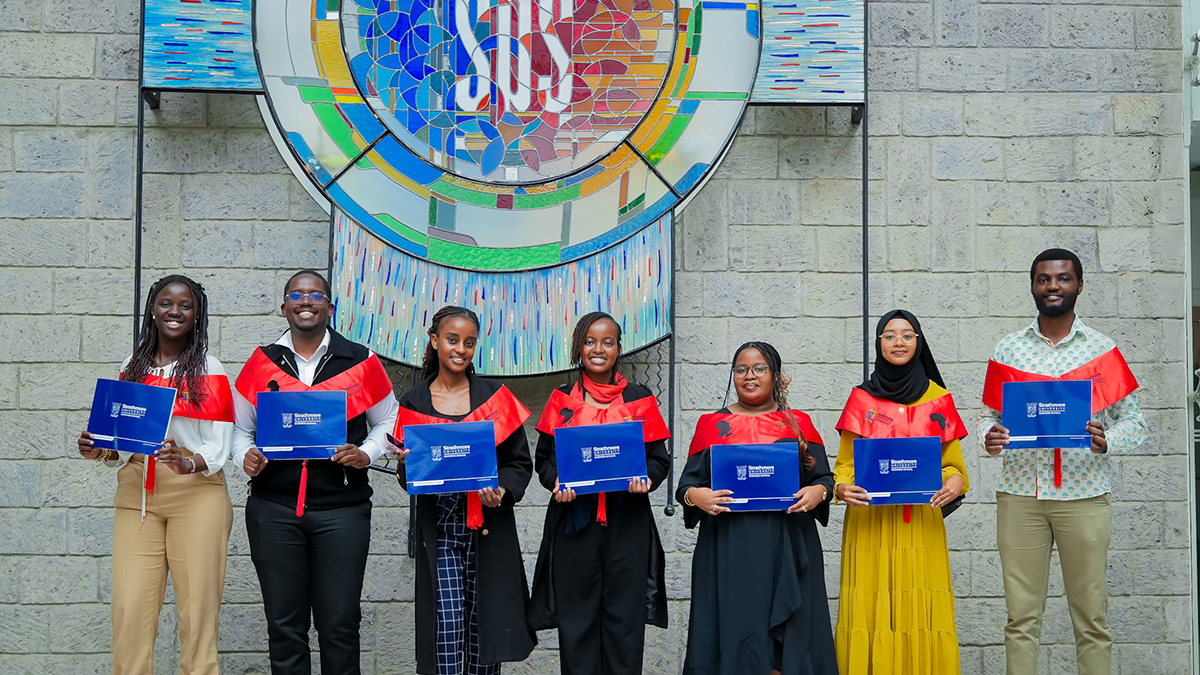
Towards the end of July 2024, SBS brought together delegates from various sectors—private, public, and development—for the 2024 cohort of the Public Policy Executive Programme. The 5-day Programme saw the participants delve into topics such as public policy analysis, stakeholder analysis, policy implementation, monitoring and evaluation, negotiation skills and fighting corruption among others.
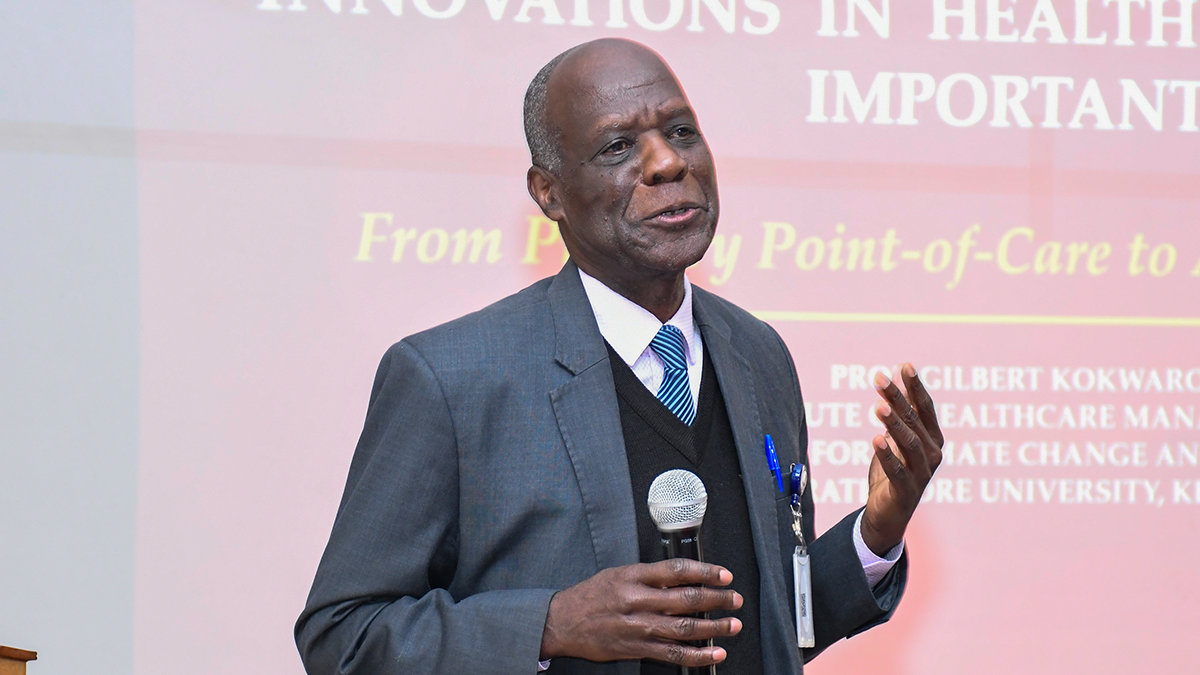
The Programme culminated with a thought-provoking discussion led by former Makueni County Governor, Prof. Kivutha Kibwana, on combating corruption to achieve sustainable growth. This session, coordinated by Dr. Thomas Kibua, provided valuable perspectives on the critical role of transparency and accountability in public policy.
Learn more about the Public Policy Executive Programme here
Article by Juliet Hinga
Share This Story, Choose Your Platform!
Your journey to business excellence starts here. Subscribe today and be at the forefront of innovation and leadership.






 English (United States)
  English (UK)
  French