

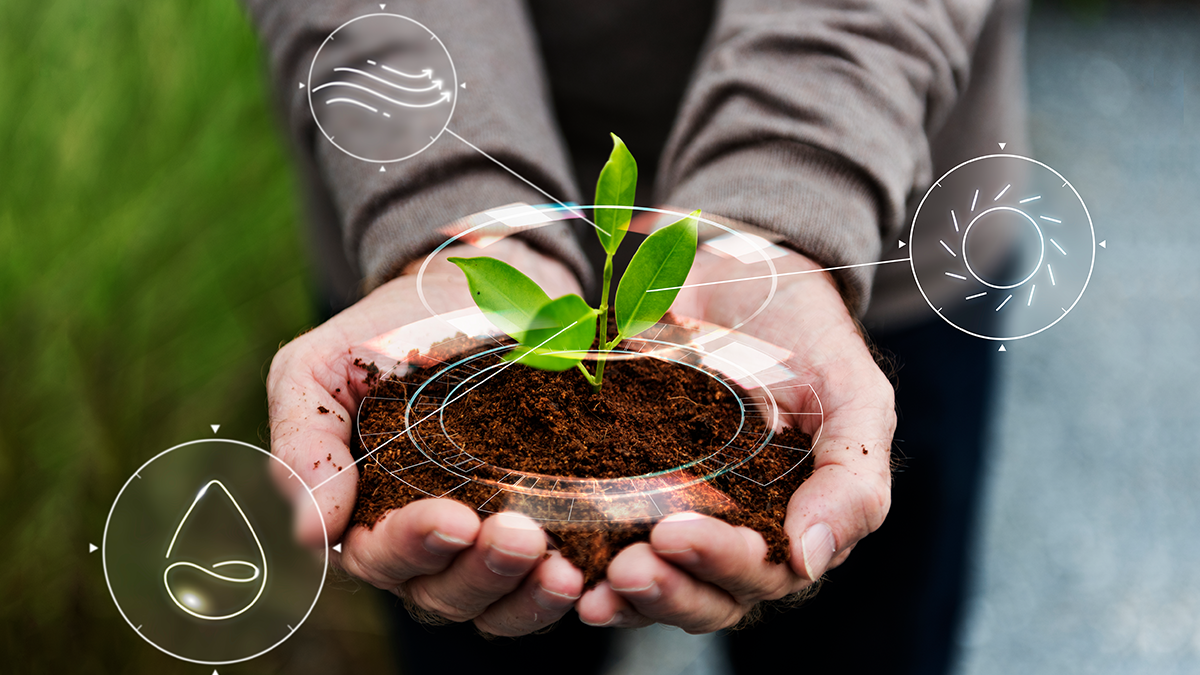
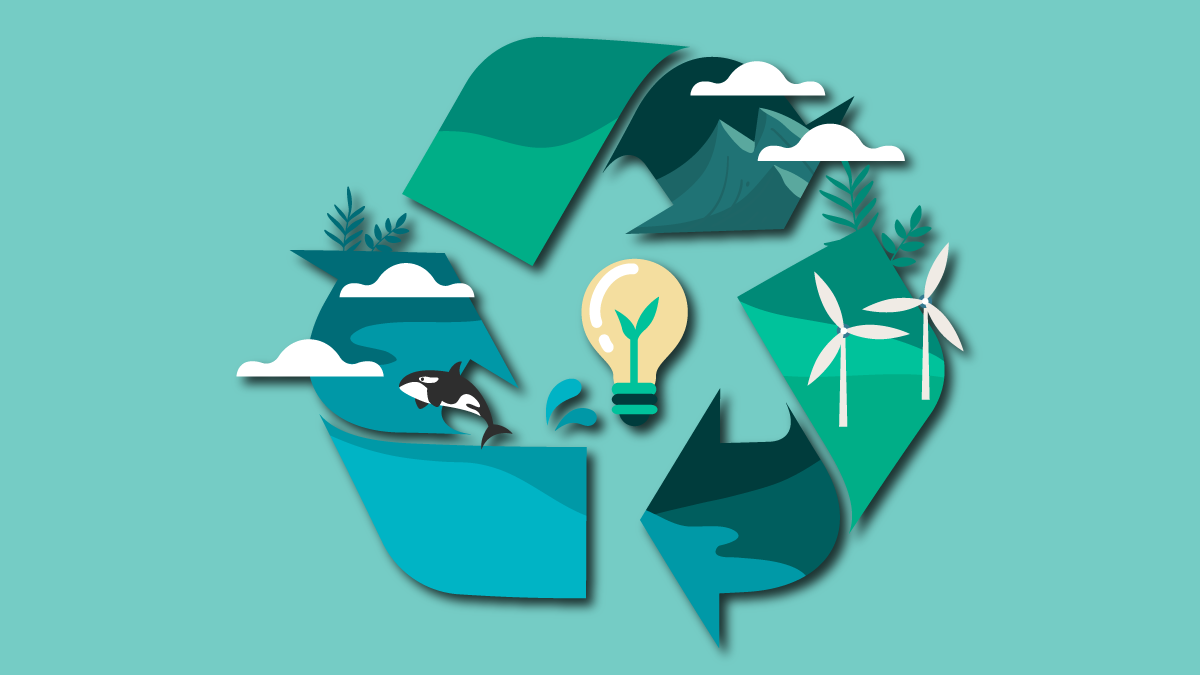
The triple planetary crisis on climate change, air pollution and loss of biodiversity has been identified as the most significant health threat of the 21st century, according to the United Nations Framework Convention on Climate Change (UNFCCC). It endangers billions of lives and livelihoods across every continent and threatens the systems upon which we all depend. With the circular economy so closely intertwined with sustainable development, it is only logical that circularity is integrated into the core business models. The circular economy has never been a more important concept for the world to put into practice than it is today.
A circular economy by definition, refers to an economic model that aims to maximize the use of resources by keeping them in a continuous cycle of use, reuse and recycling thereby minimizing waste and reducing the consumption of raw materials. In a circular economy, products, materials and resources are designed, produced, used and then recovered and regenerated rather than being discarded after a single use.
The circular economy concept aims to create a more sustainable and regenerative economic system that reduces environmental degradation, minimizes resource depletion, and fosters economic, social, and environmental benefits for society as a whole. Practices such as reduce, redesign, recycle, and remanufacturing are directly aligned with achieving the United Nations’ Sustainable Development Goals (SDGs) 12 by employing new technologies and business models and reducing the number of unsustainable products.
How then can businesses transform their models to a circular economy?
There are several circular business models that organizations can adopt to implement circular economy principles:
| Product-as-a-Service (PaaS) | In this model, instead of selling products, organizations lease or rent them to customers, who use the products for a defined period. After the lease or rental period, the products are returned to the organization for refurbishment, remanufacturing, or recycling, creating a closed-loop system. |
| Take-Back and Reverse Logistics | Organizations take back their products at the end of their useful life for repair, refurbishment, or recycling. This helps to ensure that products are properly managed at the end of their life cycle, and valuable materials can be recovered for reuse or recycling. |
| Remanufacturing | Here organizations collect used products or components, refurbish them, and then use them to create new products. Remanufacturing can extend the life of products and reduce the need for virgin materials. |
| Sharing Economy and Collaborative Consumption | Organizations facilitate sharing or renting of products among users, enabling more efficient utilization of products and reducing the need for ownership. Examples include car-sharing, tool libraries, and coworking spaces. |
| Upcycling and Repurposing | This refers to the transformation of waste or byproducts into new products with higher value or new functionalities. This helps to reduce waste, create value from discarded materials, and promote resource efficiency. |
| Extended Producer Responsibility (EPR) | With this model, organizations take responsibility for the end-of-life management of their products, including collection, recycling, and proper disposal. EPR encourages organizations to design products with recyclability and resource recovery in mind. |
| Material Substitution and Biomimicry | Organizations can explore the use of alternative materials or nature-inspired design principles to create products that are more sustainable, biodegradable, or recyclable. |
| Digital Platforms and Technologies | Organizations leverage digital technologies such as the Internet of Things (IoT), blockchain, and data analytics to optimize resource use, enable product traceability, and facilitate circular transactions. |
These are just a few examples of circular business models that organizations can adopt to transition towards a circular economy. Organizations can also combine multiple circular business models or innovate new ones to suit their specific industry, products, and market needs.
At the end of the day, organizations are looking for ways to increase profits, cut their costs and overall remain sustainable beyond today.
Article by Juliet Hinga
Share This Story, Choose Your Platform!
Your journey to business excellence starts here. Subscribe today and be at the forefront of innovation and leadership.





 English (United States)
  English (UK)
  French