

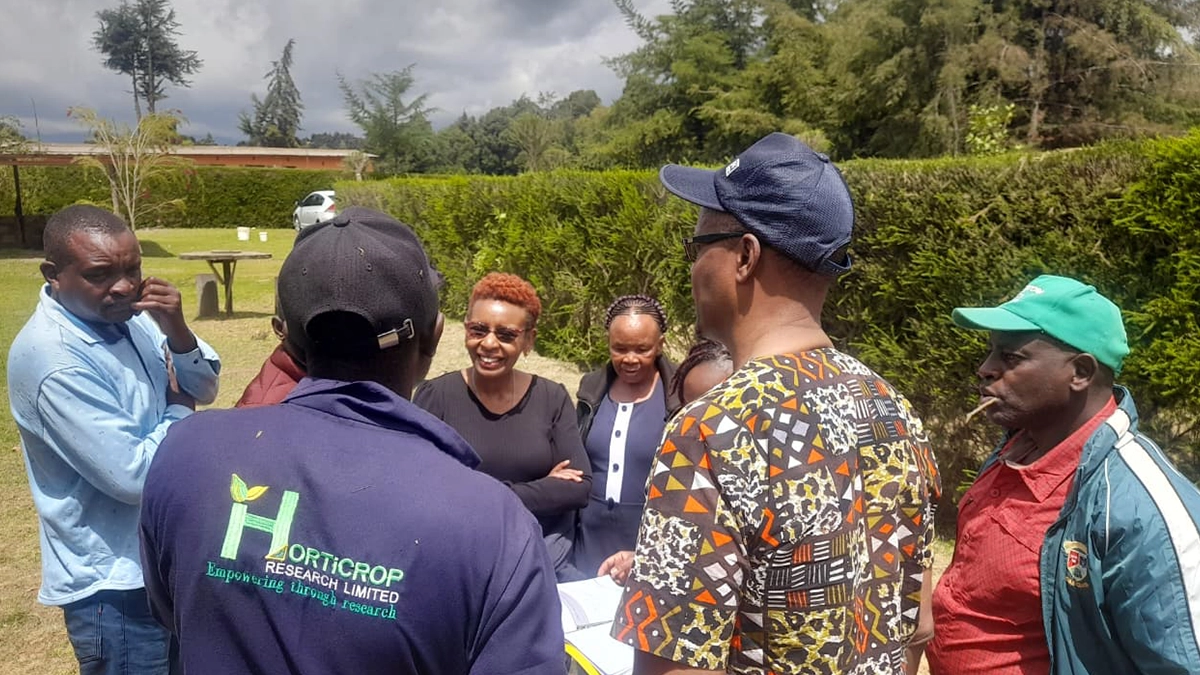
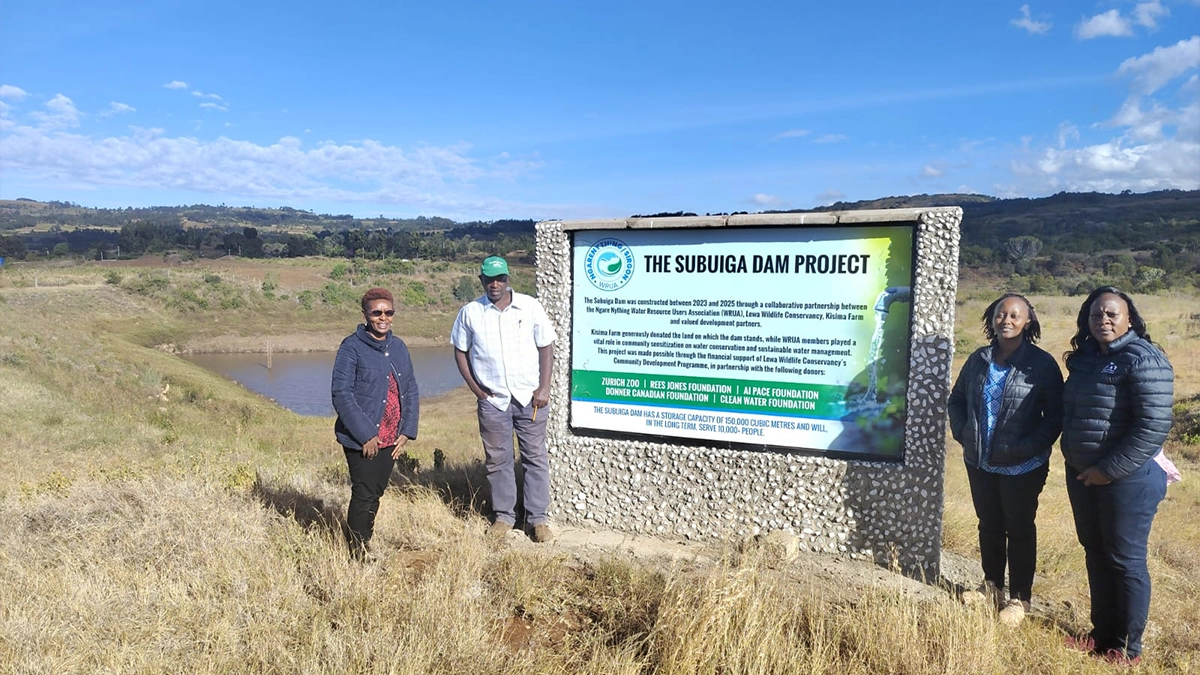
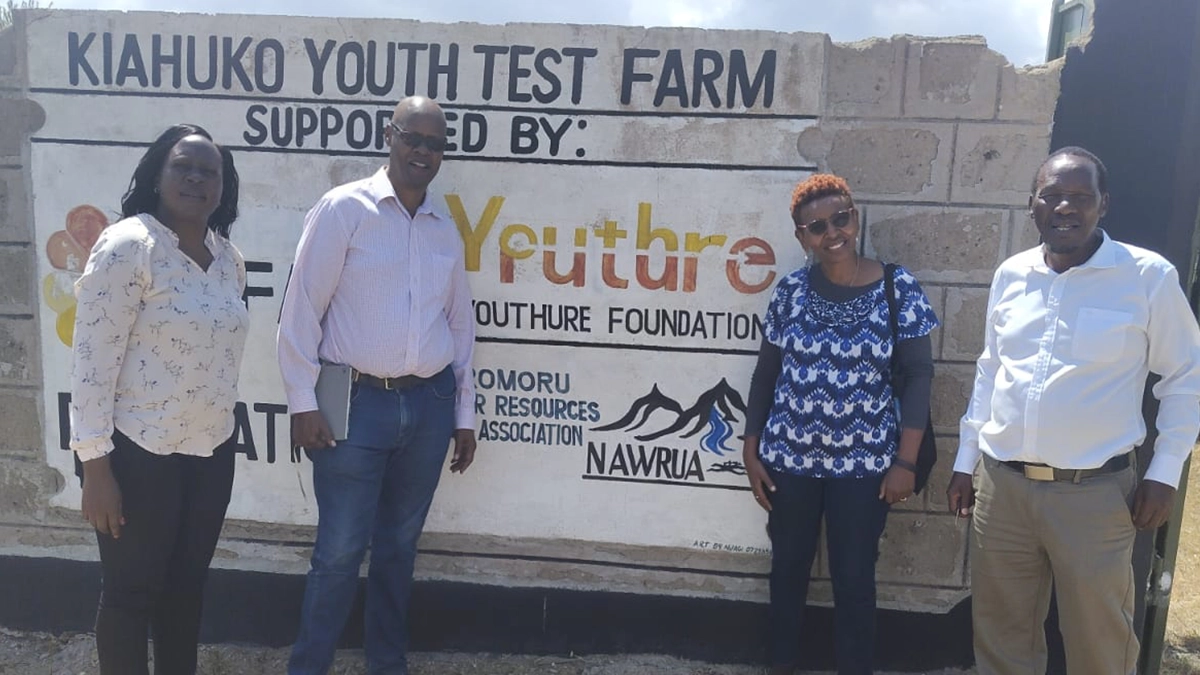
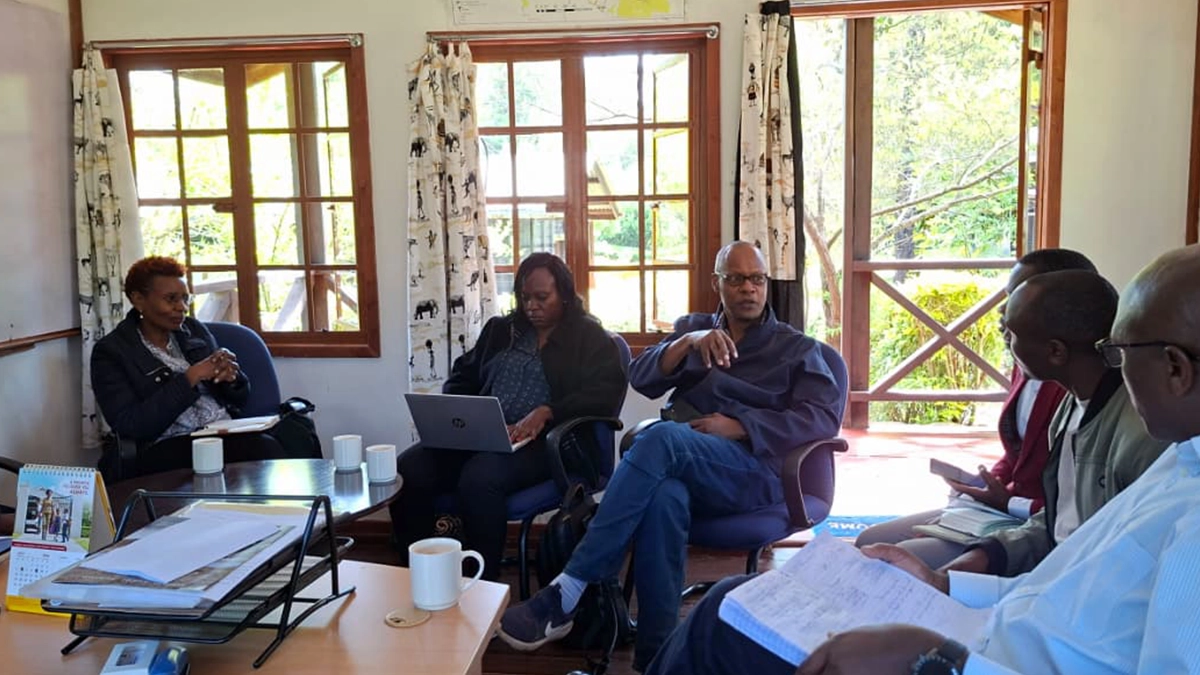
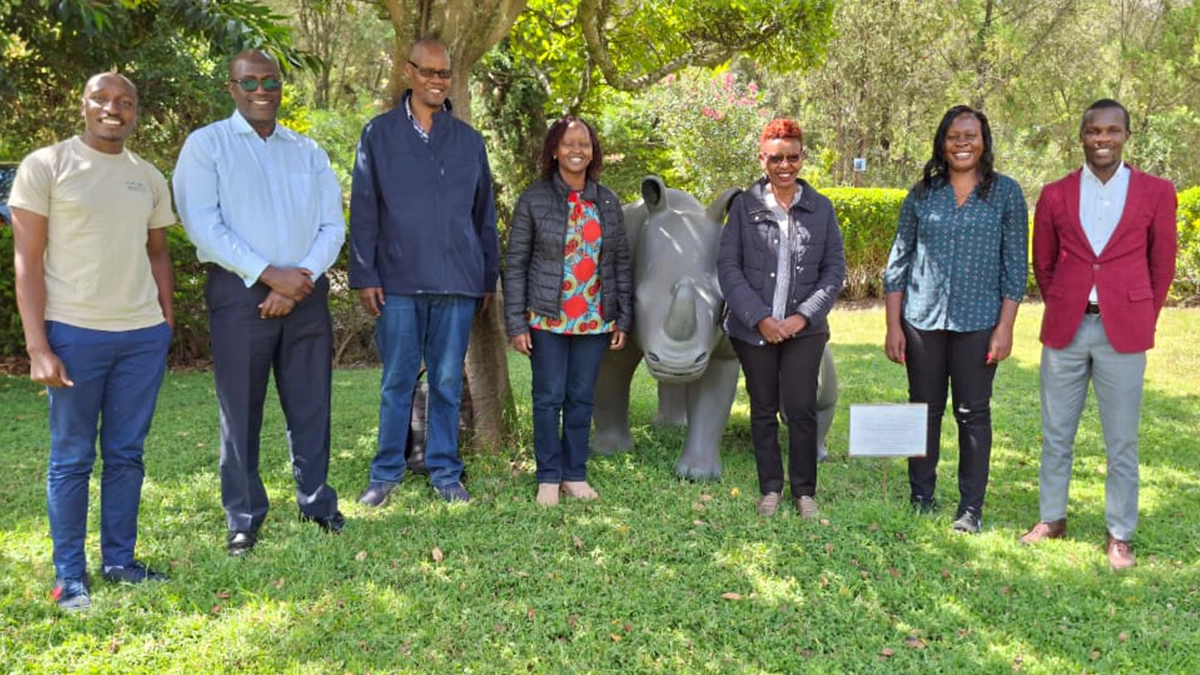
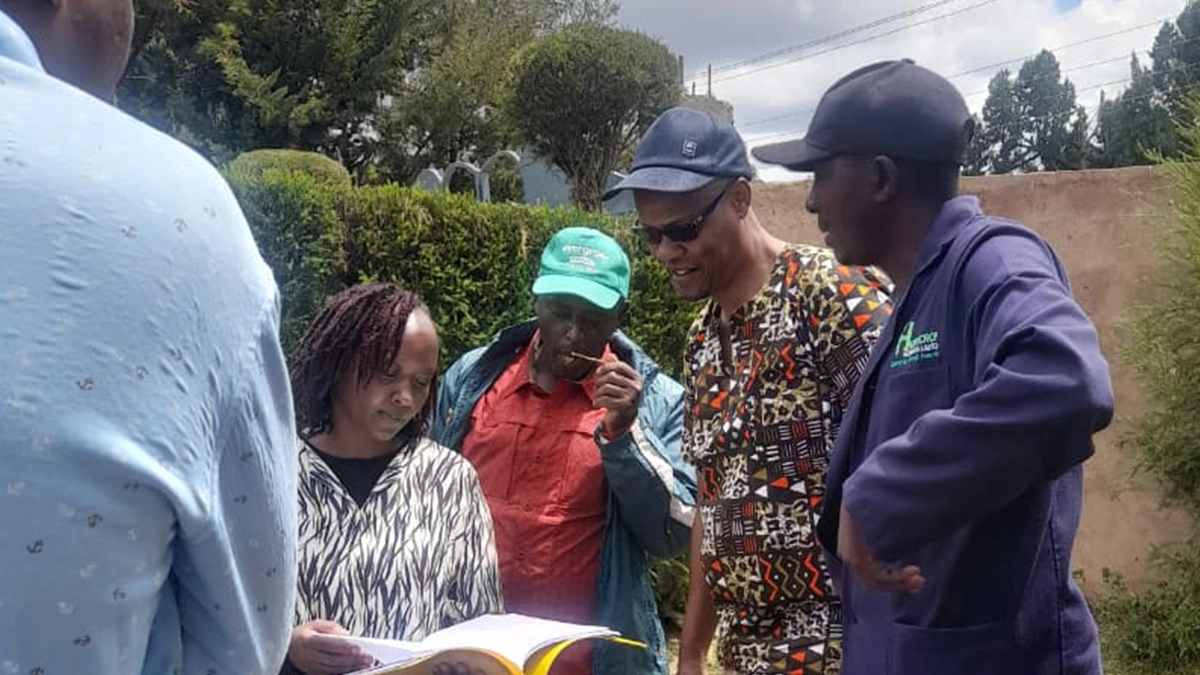
There is something profoundly different about learning in the field. No lecture, journal article, or policy document can fully capture the realities of managing water in communities where every river, spring, and stream supports livelihoods, ecosystems, and entire local economies.
Over three weeks ago, the Water Governance & Innovation Hub team from Strathmore University Business School travelled through Laikipia and Isiolo Counties, engaging with the people and institutions working every day to safeguard Kenya’s water resources. The journey took the team to Ngusishi Water Resource Users Association (WRUA), Isiolo WRUA, Chumvi WRUA, and Nanyuki Water and Sewerage Company (NAWASCO). While each institution serves a different purpose, together they revealed a common truth: sustainable water management is built on collaboration, trust, and a shared commitment to protecting one of our most precious resources.
The experience was an opportunity to listen, learn, and understand how theory translates into practice.
Where Water Governance Begins
For many people, water begins at the tap. But the field visits reminded us that the journey of every drop starts much earlier.
It begins in protected catchments, healthy forests, rivers, wetlands, and communities that have chosen to work together to conserve these shared resources. It continues through institutions that regulate water use, mediate competing demands, and promote responsible stewardship before finally reaching water service providers that treat and distribute clean water to homes, schools, hospitals, and businesses.
Seeing this entire system in action reinforced just how interconnected water governance truly is.
Ngusishi WRUA: Building Partnerships Around a Shared Resource
The visit to Ngusishi WRUA highlighted what can be achieved when communities take ownership of their natural resources.
Situated within the Upper Ewaso Ng’iro Basin, the WRUA brings together farmers, pastoralists, conservation groups, government agencies, and other stakeholders to manage water in a landscape where competing needs are part of everyday life.
What stood out most was not simply the structures or policies in place, but the willingness of people to work together. Conversations were open, decisions were participatory, and there was a clear understanding that protecting water requires collective action rather than individual effort.
The team also learned how partnerships with conservation organizations and research institutions have strengthened local capacity to restore degraded catchments, monitor environmental changes, and prepare communities for the growing impacts of climate change.
It was a powerful reminder that sustainable water governance begins with relationships.
Isiolo WRUA: Finding Common Ground in a Changing Climate
The realities facing Isiolo WRUA are shaped by a changing climate and increasing pressure on limited water resources.
Recurring droughts, expanding settlements, livestock movements, agriculture, and wildlife conservation all place demands on the same water sources.
Yet rather than allowing these competing interests to divide communities, the WRUA has created spaces where dialogue comes first.
The research team observed how community leaders, pastoralists, farmers, and government representatives work together to negotiate water use, resolve conflicts, and plan for periods of scarcity.
One particularly inspiring lesson was the respect given to indigenous knowledge. Community members shared how generations of experience continue to guide decisions about seasonal water availability and environmental stewardship, complementing scientific data and formal water management plans.
It was clear that sustainable solutions emerge when local knowledge and technical expertise are valued equally.
Chumvi WRUA: When Communities Become Stewards
If there was one message that echoed throughout the visit to Chumvi WRUA, it was that conservation is everyone’s responsibility.
Community members spoke passionately about protecting rivers, restoring riparian areas, planting trees, and preventing activities that threaten water sources.
Rather than waiting for external organizations to drive conservation efforts, local residents have embraced stewardship as part of everyday life.
The discussions also highlighted the importance of transparency. People are more willing to participate when they understand how decisions are made, how resources are used, and how their contributions make a difference.
This openness has helped build trust between the WRUA and the communities it serves, strengthening long-term commitment to protecting shared water resources.
NAWASCO: Turning Protected Water into Reliable Service
The final stop brought the team to Nanyuki Water and Sewerage Company (NAWASCO), where the focus shifted from conserving water resources to delivering safe water to consumers.
Walking through the treatment facilities offered a new appreciation for everything that happens before water reaches our homes. From abstraction and treatment to quality testing, storage, distribution, and customer service, each stage requires precision, technical expertise, and careful planning.
The discussions with the management team also shed light on the realities facing modern water utilities. Population growth, ageing infrastructure, climate variability, rising operational costs, and non-revenue water continue to challenge service providers across the country.
Yet amid these challenges, NAWASCO continues to invest in innovation, operational efficiency, customer engagement, and improved service delivery.
The visit reinforced an important lesson: delivering clean water is about much more than pipes and treatment plants. It requires strong leadership, sound management, financial sustainability, and continuous collaboration with the communities being served.
One Journey, One Shared Responsibility
Although each organization operates at a different point within the water value chain, the field visits revealed how closely their work is connected.
The health of rivers and catchments directly affects the quality and quantity of water available for treatment. Likewise, efficient water service providers depend on communities that are committed to protecting the very sources from which water is drawn.
No single institution can achieve water security alone. Success depends on communities, WRUAs, water utilities, regulators, county governments, researchers, conservation organizations, and development partners working towards a common goal.
That spirit of collaboration was evident throughout the field study.
Learning Beyond the Classroom
For the Strathmore University Business School research team, field engagement was far more than a data collection exercise. It was an opportunity to witness resilience, innovation, and leadership in action.
It demonstrated that communities are not simply beneficiaries of water projects they are active partners whose knowledge, commitment, and lived experiences are essential to sustainable solutions.
The journey also reinforced the value of experiential learning. Engaging directly with practitioners allowed research to move beyond theory, providing richer insights into the complex realities of water governance in Kenya.
These lessons will continue to inform research, teaching, and policy discussions on sustainable water management while contributing to broader conversations on achieving Sustainable Development Goal 6: ensuring the availability and sustainable management of water and sanitation for all.
Sometimes, the most meaningful lessons are not found in textbooks, they are found beside rivers, around community meeting tables, and in the people who dedicate themselves every day to ensuring that water continues to flow for all.
Article By Winnie Omamo
Share This Story, Choose Your Platform!
Your journey to business excellence starts here. Subscribe today and be at the forefront of innovation and leadership.







 English (United States)
  English (UK)
  French