

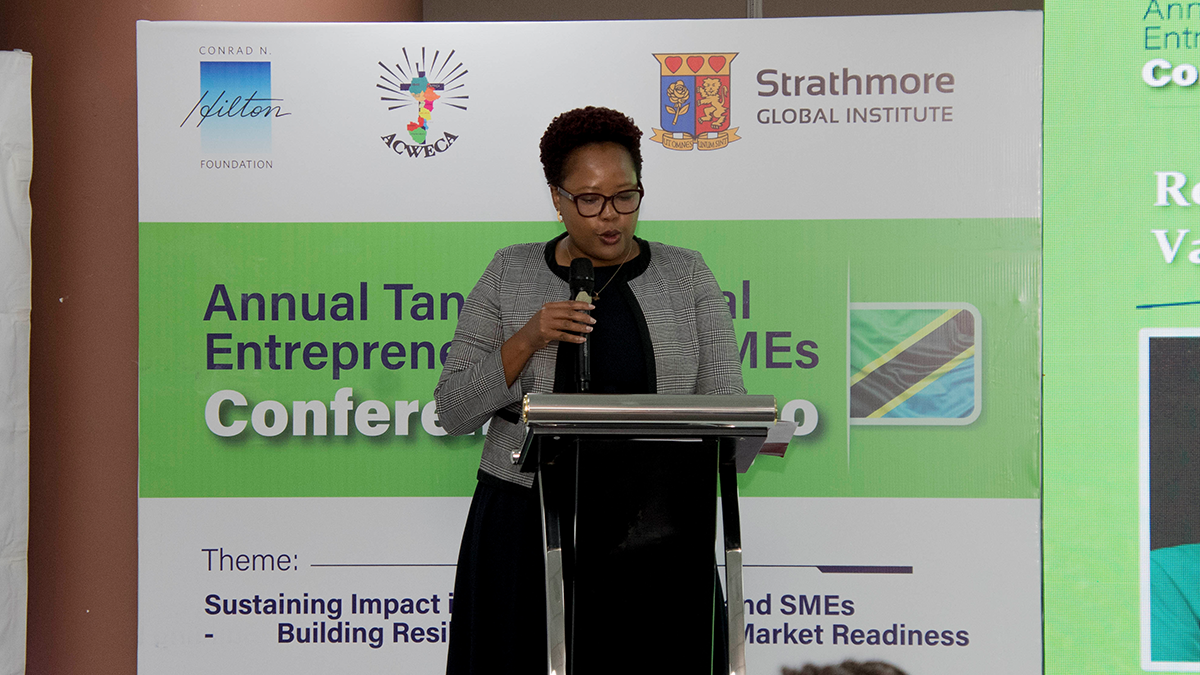
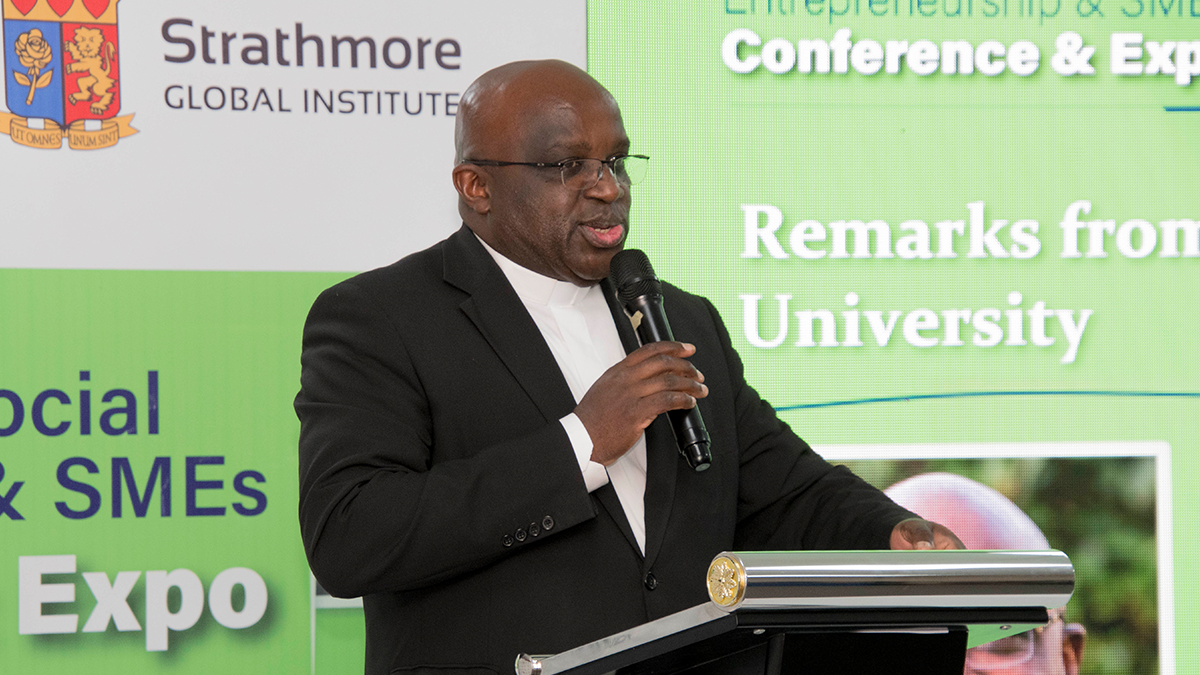
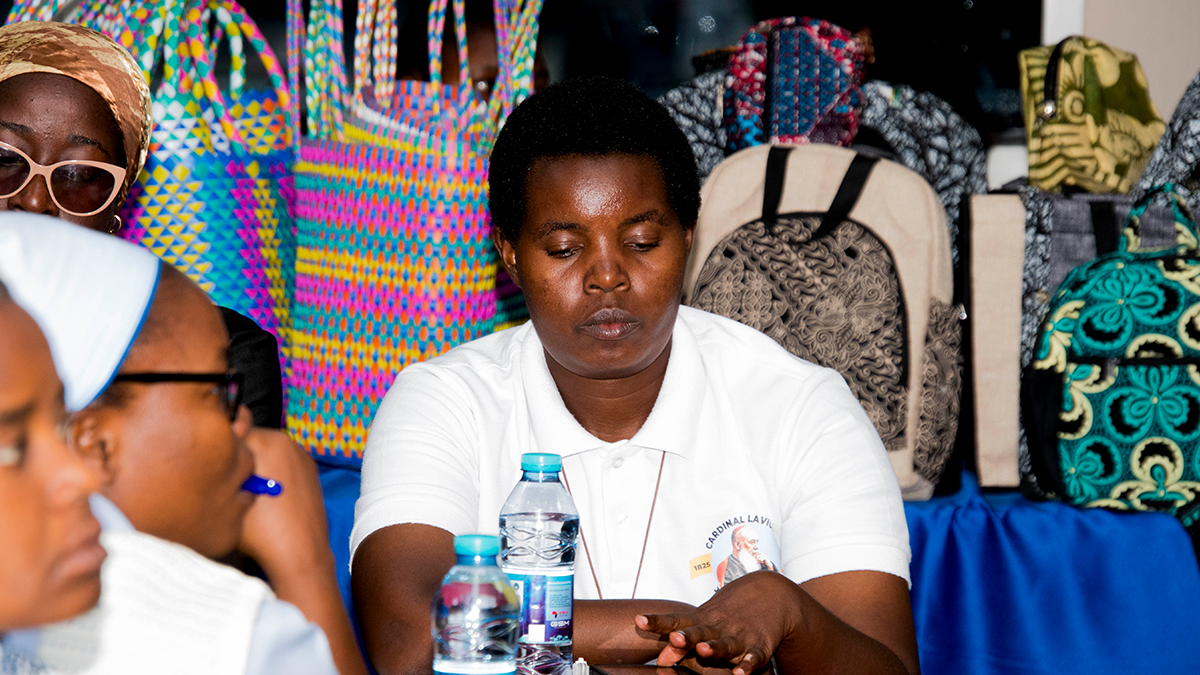
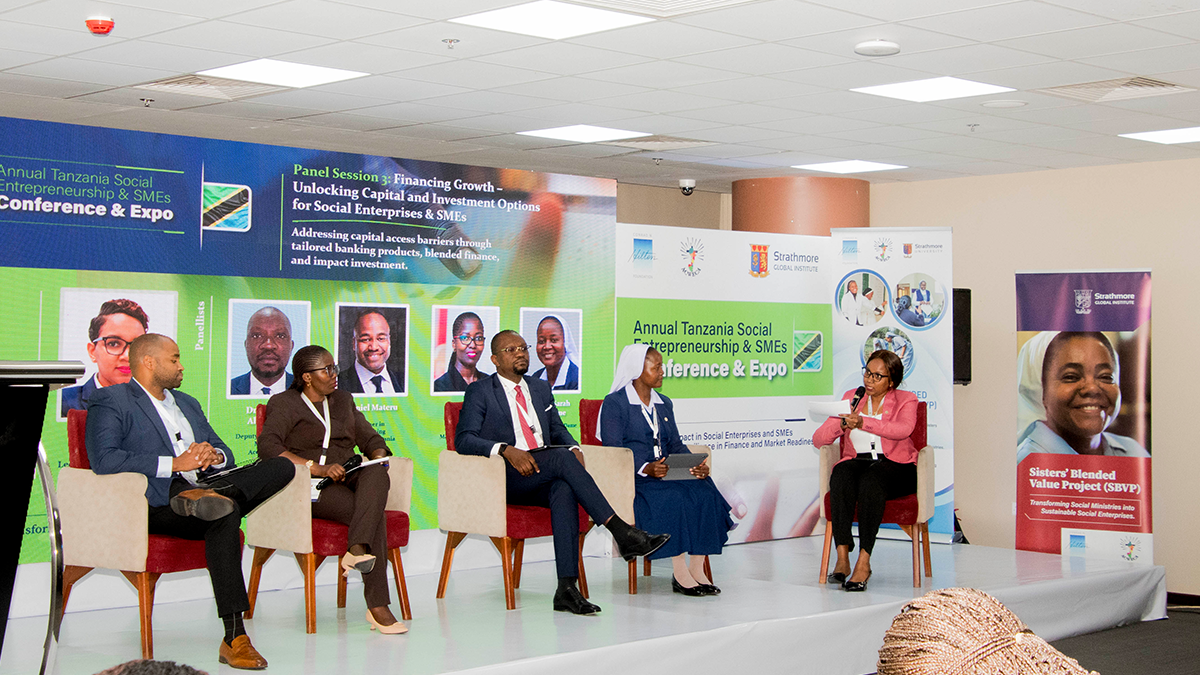
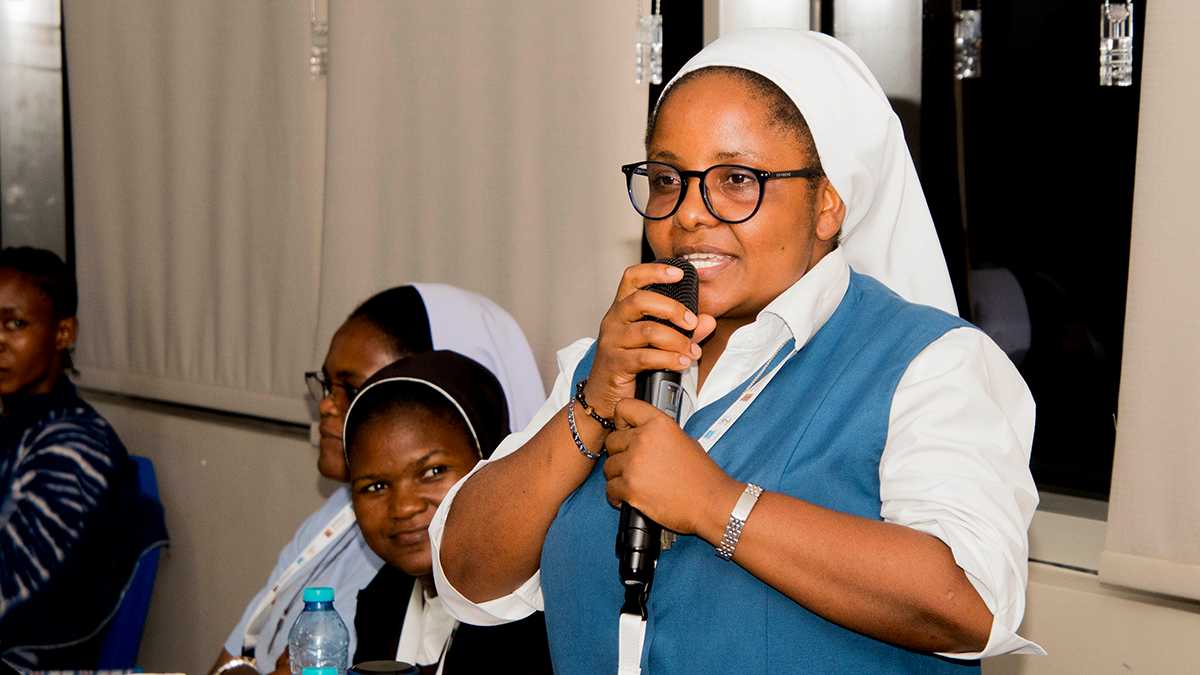
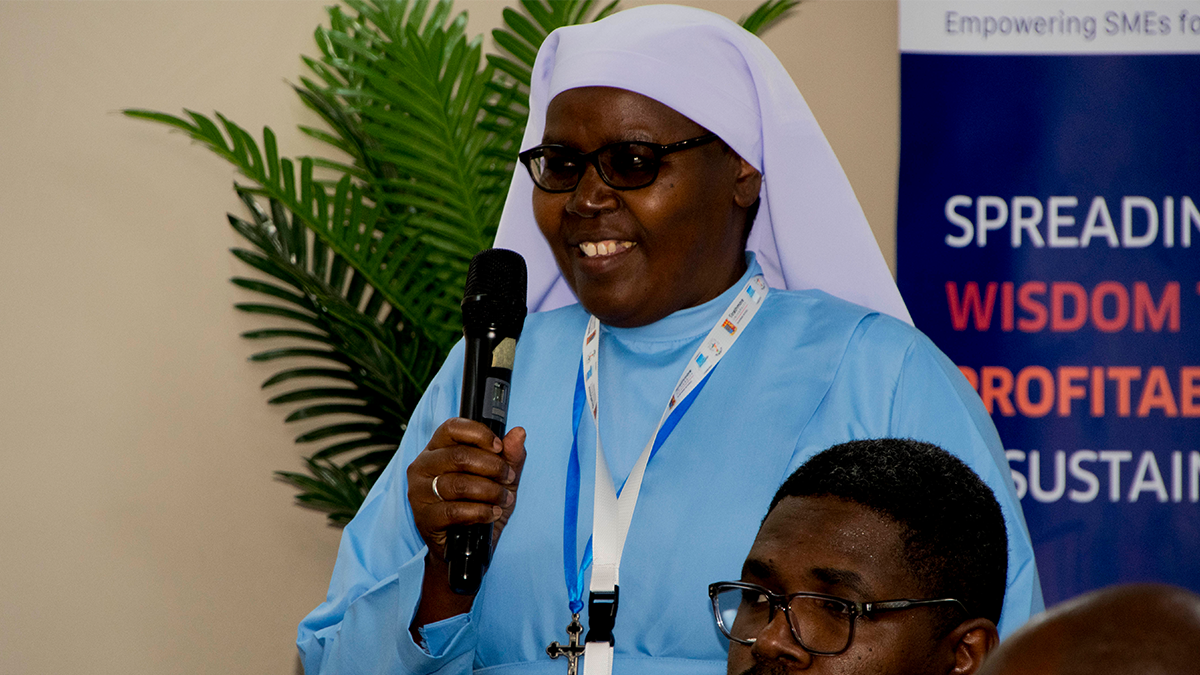
The Annual Tanzania Social Entrepreneurship and SME Conference and Expo, held on 27 August 2026, brought together Catholic Sisters, entrepreneurs, financial institutions, government representatives, academics, and development partners around one central question: How can social enterprises and SMEs build the resilience needed to sustain their impact in a changing world?
Held under the theme, “Sustaining Impact in Social Enterprise and SMEs: Building Resilience in Finance and Market Readiness,” the conference offered important lessons on what it takes to build enterprises that do more than survive. From financial management and market readiness to innovation, leadership and collaboration, the discussions highlighted that lasting impact requires deliberate preparation and continuous adaptation.
One of the strongest lessons from the conference was that sustainability cannot be measured simply by the success achieved while external funding is available. Mr. William Chamla, Country Manager at Strathmore Global Institute, Tanzania, challenged participants to build systems that allow their enterprises to continue creating value beyond donor support. He cautioned that an initiative whose impact ends with its funding becomes “an episode” rather than a sustainable intervention. This means enterprises need sound governance, reliable financial records, effective cash flow management, and diversified sources of income.
The discussions demonstrated that financial resilience is about understanding and strategically managing finances. Enterprises need to maintain transparent records, forecast their cash flows, build reserves and make informed financial decisions. Financial discipline enables enterprises to withstand unexpected disruptions while continuing to serve their customers and communities.
Another key lesson was that social purpose alone does not guarantee an enterprise’s survival. Enterprises must understand their customers, identify changing needs, price their products appropriately and consistently deliver value. Market readiness, therefore, requires entrepreneurs to remain curious, listen to their customers and continuously adapt their products and services to changing market conditions.
Rev. Dr. Silvano Ochuodho, Pro Chancellor of Strathmore University, emphasised that resilience requires enterprises to understand and respond to changing circumstances. Drawing from the experience of Swahili dhow traders, he explained that traders had to understand seasonal winds and adjust their journeys accordingly. Similarly, he noted that social enterprises and SMEs must be able to recognise changes in their operating environment and adapt to them. He identified innovation, ethical leadership, financial inclusion, market readiness and strategic partnerships as important foundations for building enterprises capable of navigating uncertainty and sustaining their impact.
Dr. Angela Nduge, Principal Investigator of SBVP, reminded participants that enterprises cannot grow in isolation. Governments, financial institutions, universities, faith-based organisations and the private sector each have a role to play in improving access to capital, technology, markets, knowledge and mentorship. The spirit of ujamaa, or collective action, offers an important lesson: sustainable enterprise development is strengthened when different actors contribute their resources and expertise.
For Catholic Sisters and their ministries, sustainability is ultimately about ensuring that institutions built over generations can continue serving communities. As Sr. Celestine Nasiali, Project Coordinator of SBVP and representative of ACWECA, highlighted, the Sisters’ work spans critical areas including justice, peace, integrity of creation, family ministry and youth support. Strengthening the sustainability of their enterprises is therefore also about protecting their capacity to serve future generations.
Finally, Mr. Peter Nalitolela, a finance expert and senior leader in Tanzania’s capital markets, who was also the guest speaker at the conference, challenged enterprises to move beyond survival towards scale. In an era shaped by digital transformation and climate change, enterprises must diversify revenue streams, strengthen market linkages, embrace appropriate digital tools and incorporate climate-smart practices into their operations.
The Tanzania Conference ultimately left participants with a practical message: sustainability is not something enterprises achieve once; it is a discipline they must continuously practise. Building lasting impact requires financial discipline, market awareness, adaptability, ethical leadership and collaboration. Most importantly, enterprises must remain grounded in the communities they exist to serve while developing the capacity to navigate whatever changes the next season brings.
Share This Story, Choose Your Platform!
Your journey to business excellence starts here. Subscribe today and be at the forefront of innovation and leadership.


Conrad N. Hilton Foundation
The Conrad N. Hilton Foundation foresees a world in which improving the human condition is a shared and sustainable goal. “Love one another, for that is the whole law,” Conrad Hilton wrote in his will. The peoples of the world “deserve to be loved and encouraged—never to be abandoned to wander alone in poverty and darkness.” That is our resolve.







 English (United States)
  English (UK)
  French