

The sewing machine was probably the last place anyone expected to find a lesson about Africa’s social enterprise economy.
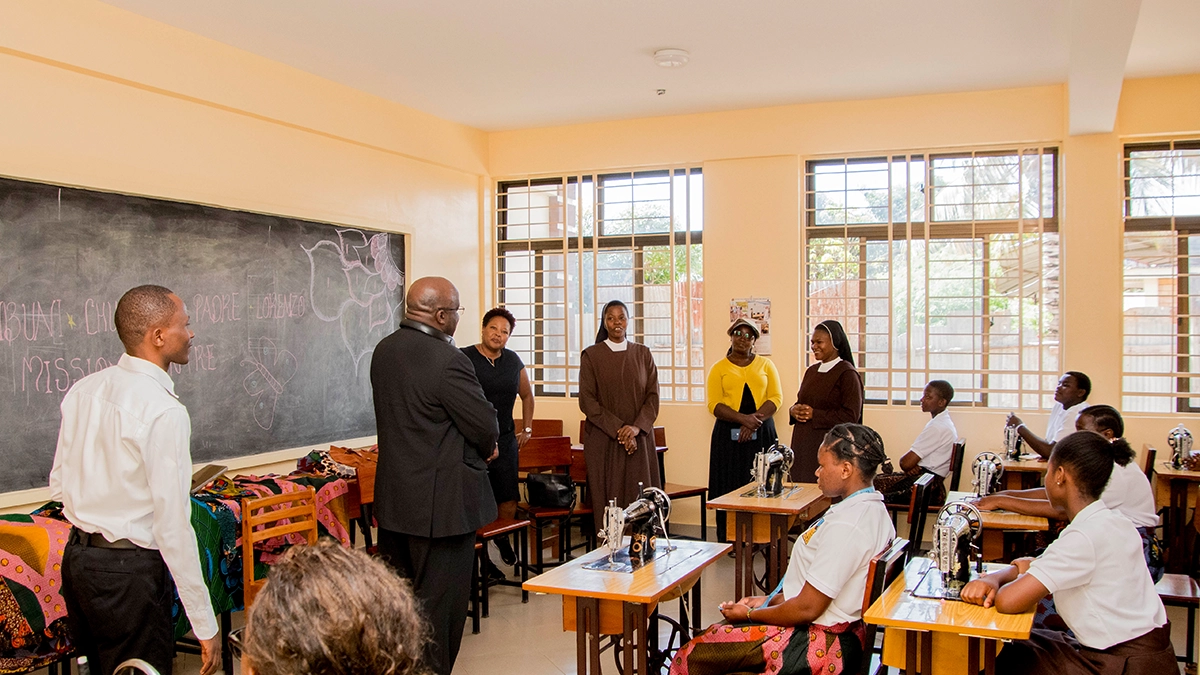
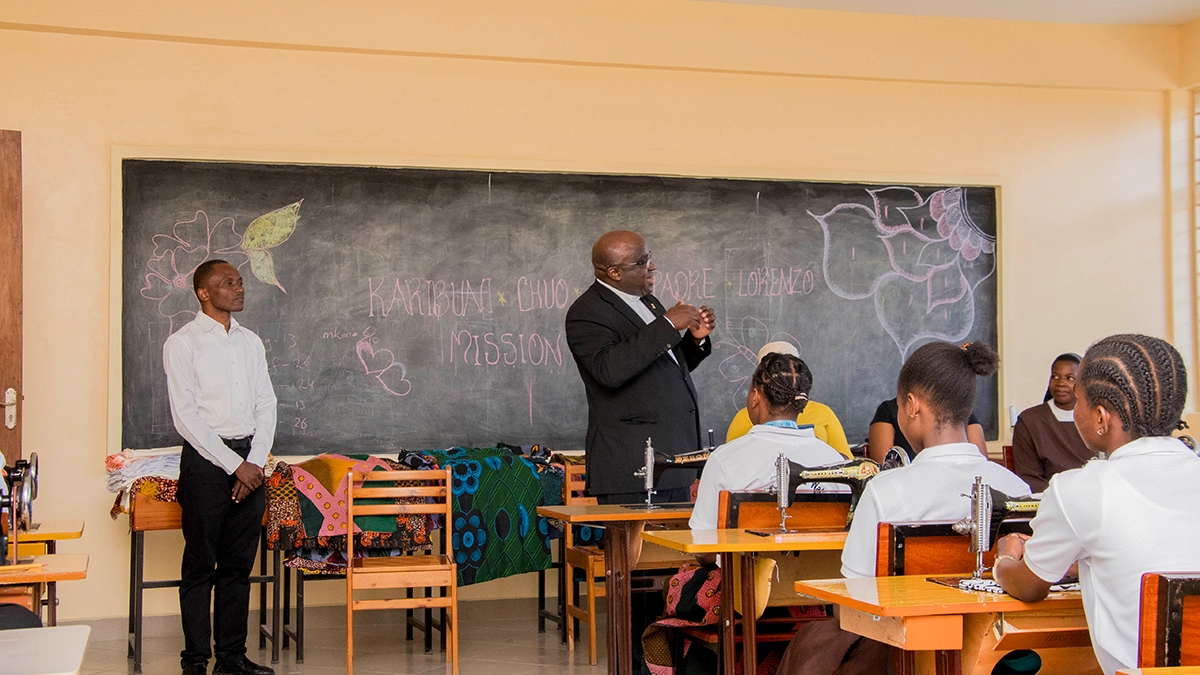
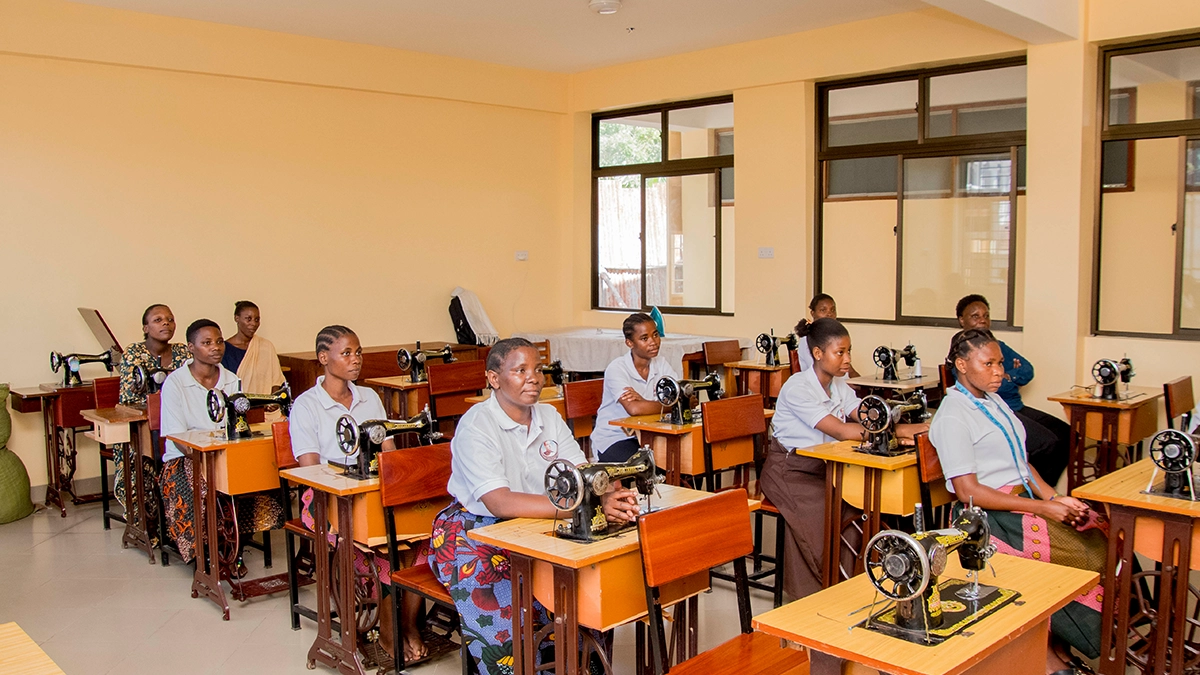
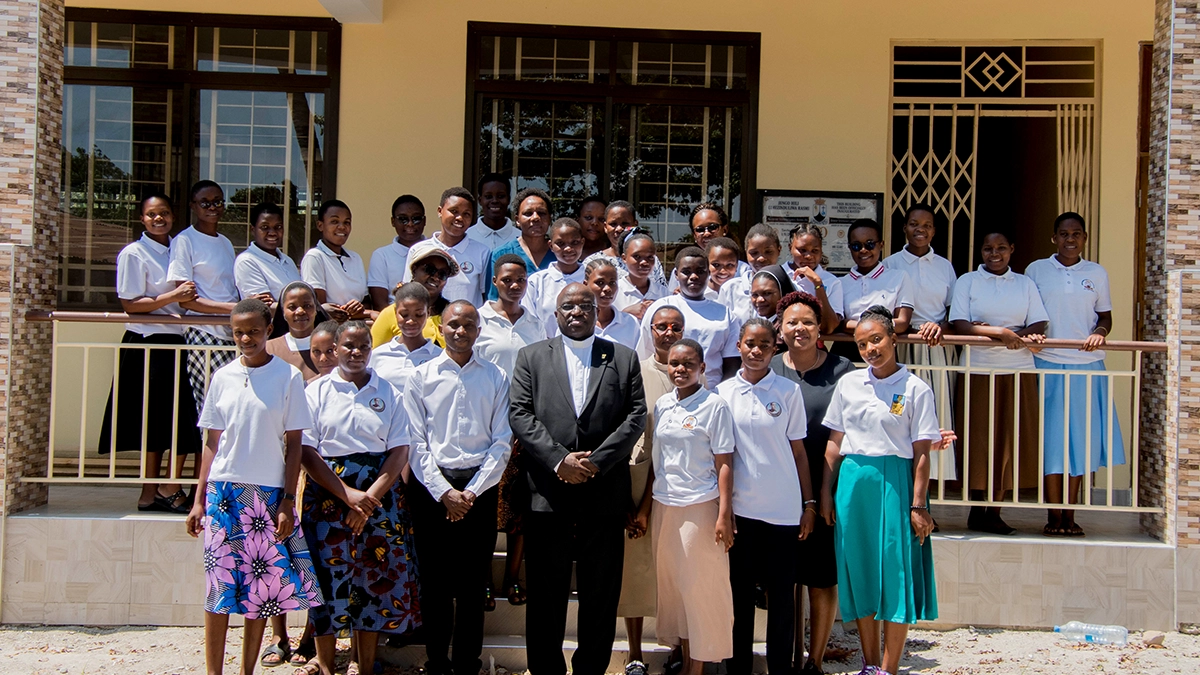
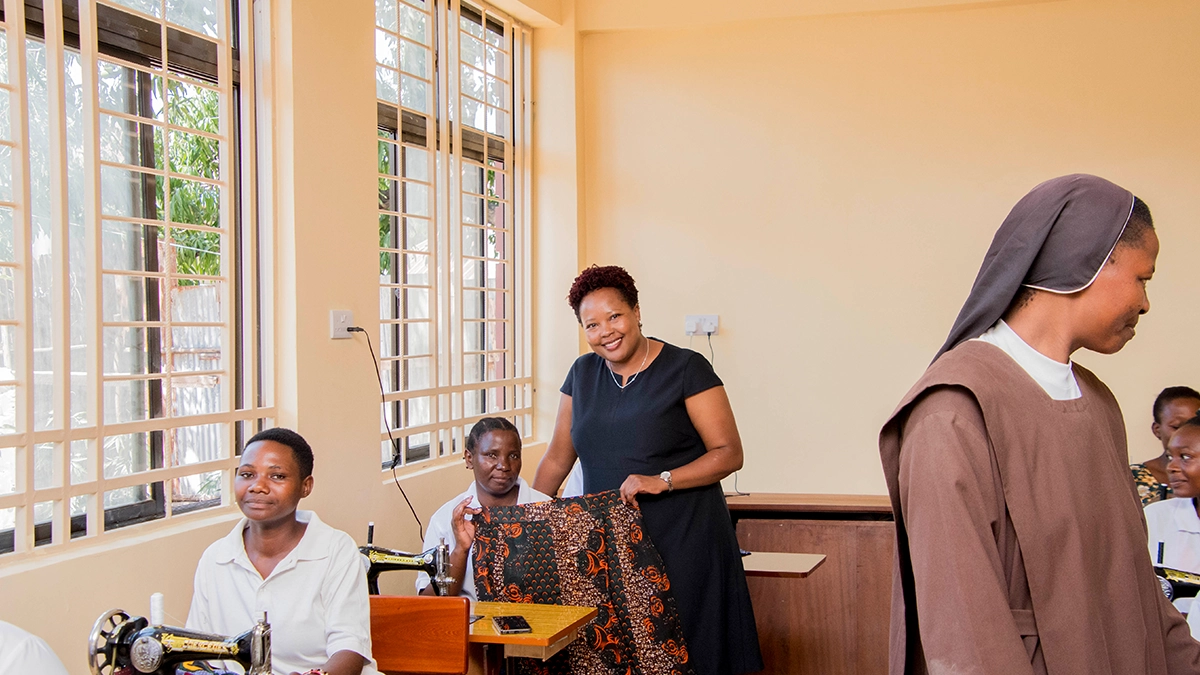
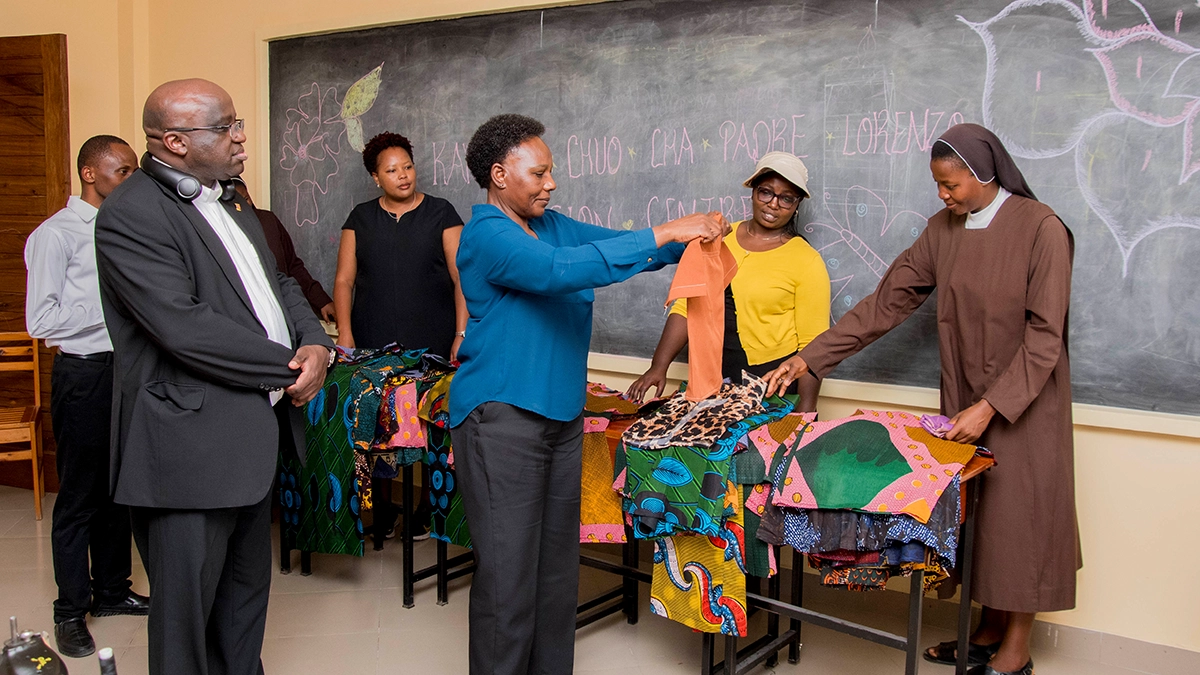
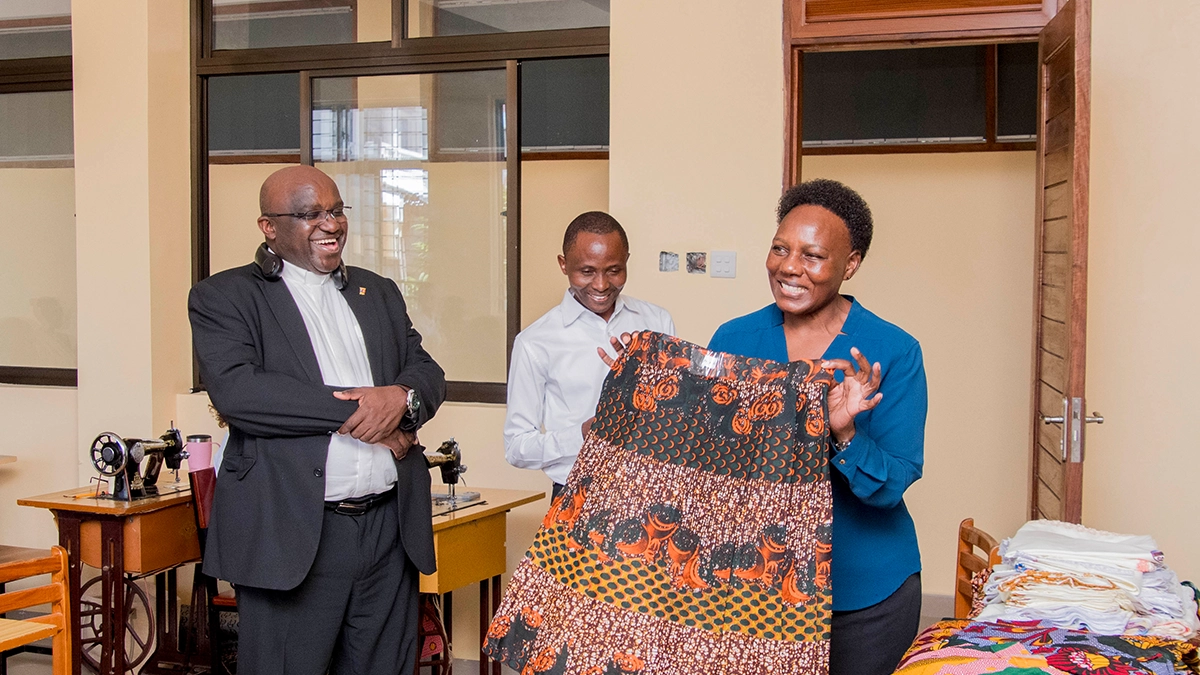
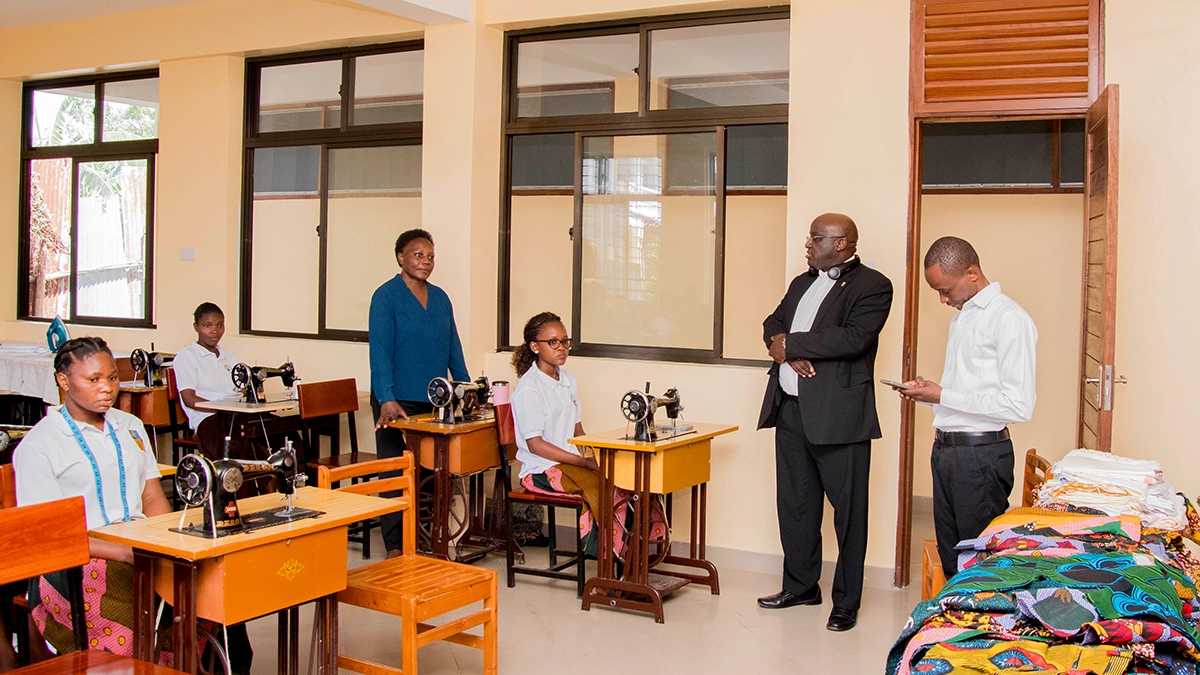
Inside an ordinary classroom in Boko, Tanzania, sewing machines sat on desks as young women learned the practical business of turning cloth into a livelihood. Then there was another student: an older woman, old enough to be the grandmother of some of those around her.
She was not standing at the front of the room. She was not there to supervise the younger women. She was sitting at a sewing machine, learning.
There was something quietly radical about the scene.
At an age when many people might regard their working lives as largely complete, she had chosen to acquire a new skill. She had accepted, perhaps more clearly than many entrepreneurs do, a simple truth: the world changes, and sometimes survival depends on being willing to change with it.
For Rev. Dr. Fr. Silvano Ochuodho, Pro-Chancellor of Strathmore University, the encounter offered a different way of understanding resilience: not merely the ability to withstand hardship, but the willingness to recognise when circumstances have changed and begin again.
That distinction matters enormously in Africa and for Consecrated Women.
Across the continent, millions of livelihoods are built around small enterprises, informal businesses, community initiatives, and organisations that attempt to solve social problems with limited resources. These enterprises operate in economies where access to capital can be difficult, infrastructure is uneven, markets are fragmented, and technology changes rapidly.
At the same time, African entrepreneurs are confronting changing consumer behaviour, climate pressures and increasingly competitive markets.
In such an environment, resilience is often celebrated as the ability to keep going. But keep going towards what?
That is the question.
A business can survive for years and still be moving in the wrong direction. An enterprise can be deeply committed to a community and still run out of money. An organisation can continue delivering a service while the needs of its customers change around it.
Resilience, therefore, cannot simply mean refusing to give up.
Sometimes it means changing course.
Africa’s Entrepreneurs Cannot Control the Wind
There is an old lesson from the East African coast that offers a useful metaphor.
For centuries, dhow traders crossing the Indian Ocean learned to navigate according to seasonal winds. They could not control the wind. Their skill lay in reading it, adjusting their sails and preparing their cargo for the journey.
That metaphor feels particularly relevant to African enterprise today.
An entrepreneur in Dar es Salaam, Nairobi, Kampala or elsewhere cannot determine interest rates. A small agricultural enterprise cannot control the weather. A social enterprise cannot dictate what customers will want next year. A local manufacturer cannot stop technology from changing the competitive landscape.
But it can pay attention.
It can understand its customers, manage its resources, acquire new skills and develop partnerships that make adaptation possible.
For African enterprises, this is not an abstract management principle. It is a condition of survival.
The mission may remain constant. The method may have to change.
The Social Mission cannot Pay Every Bill
The dilemma becomes sharper when we talk about social enterprises.
Across Africa, social enterprises and mission-driven organisations, such as those of Consecrated Women, are working in education, healthcare, agriculture, skills development, financial services and community development. Faith-based organisations are particularly significant actors in this landscape, running schools, health facilities, farms, vocational centres and other social ministries.
But social purpose does not exempt an organisation from economic reality.
A vocational centre still needs equipment. A health facility needs qualified personnel and supplies. A school needs resources. A farm needs inputs and customers.
Good intentions are not a business model.
That does not mean that every African social enterprise should become a conventional profit-making company. It means that social impact requires a foundation capable of sustaining it.
This is particularly important in an environment where many development initiatives have historically depended heavily on grants, philanthropy or external support. The long-term question is not simply how to obtain the next round of funding, but how to build enterprises and institutions capable of creating and retaining value.
What Problem are we Solving Better than Before?
In Boko, tailoring can mean skills, dignity and a pathway towards livelihoods. In agriculture, innovation may mean adapting production to climate pressures. In financial technology, it may mean making financial services more accessible.
The most useful innovation is therefore not necessarily the most sophisticated.
It is the one that responds to a real need.
That matters in Africa because development challenges are often deeply local. A solution imported from elsewhere may be technologically impressive and still fail because it does not fit the community, the market or the realities of everyday life.
Know the Customer, not only the Cause
There is another uncomfortable lesson for social entrepreneurs.
An enterprise can be addressing a genuine social problem and still fail because it has not understood its market.
Who needs the product? Who will pay for it? What alternatives already exist? How is demand changing?
These are commercial questions, but they are also social-impact questions. If the enterprise disappears, the service may disappear with it.
The same applies to finance.
For African SMEs, the problem is not simply the absence of capital. The financing has to fit the enterprise. Entrepreneurs need to know what the money will achieve and whether the business can sustainably meet its obligations. Financial institutions, meanwhile, need to understand the realities of the enterprises they finance.
Finance should therefore become a conversation about risk, opportunity and sustainability rather than simply a transaction.
Africa cannot Build Alone
No enterprise can navigate these pressures entirely on its own.
A farmer may have a product but lack access to buyers. A vocational centre may have willing students but need better equipment. A young entrepreneur may have an idea but lack finance, technical knowledge or market connections.
Partnerships can bridge those gaps.
Universities, governments, financial institutions, private companies, development organisations and communities all occupy different parts of the ecosystem. The real value of networking is not the business card exchanged at a conference. It is what happens afterwards: a market opens, a mentor appears, financing becomes possible, technology is shared or an idea becomes a viable enterprise.
The Courage to Begin Again
But the most powerful image remains the woman at the sewing machine.
She did not command the circumstances around her. She simply recognised that there was something new to learn.
That may be the deeper lesson for Africa’s social enterprise economy.
The continent’s entrepreneurs will continue to encounter changing markets, technological disruption, climate pressures and financing constraints. They cannot control all of these forces.
But they can become better at reading them.
Resilience should mean the ability to adapt without abandoning purpose; to innovate without chasing fashion; to seek finance without surrendering sustainability; and to build partnerships without losing independence.
The dhow sailor does not command the wind.
The sailor reads it.
And when the wind changes, the sail must change too.
That is not abandoning the journey.
It is how the journey continues.
Article by Alex Okoth
Share This Story, Choose Your Platform!
Your journey to business excellence starts here. Subscribe today and be at the forefront of innovation and leadership.

Conrad N. Hilton Foundation
The Conrad N. Hilton Foundation foresees a world in which improving the human condition is a shared and sustainable goal. “Love one another, for that is the whole law,” Conrad Hilton wrote in his will. The peoples of the world “deserve to be loved and encouraged—never to be abandoned to wander alone in poverty and darkness.” That is our resolve.







 English (United States)
  English (UK)
  French