





As Africa’s family businesses enter a critical era of succession and wealth transfer, governance, leadership and long-term stewardship will largely determine which enterprises become enduring institutions, and which fail to make the transition.
For many years, these businesses have grown thanks to the vision, relationships, and determination of their founders. Starting a successful business is one thing, but making sure it continues to succeed after the founder leaves is a different challenge.
The numbers highlight the urgency. The PwC Africa Family Business Survey 2025 shows that 66 per cent of African family businesses saw sales growth. However, governance remains a challenge: only 77 per cent have formal structures, and just 21 per cent have mechanisms to resolve disputes. The Family Business Institute’s research shows that only 30 to 40 per cent of family businesses make it to the second generation, 12 to 13 per cent reach the third, and just 3 per cent survive past the fourth. This shows that a business can be successful but still not ready for succession.
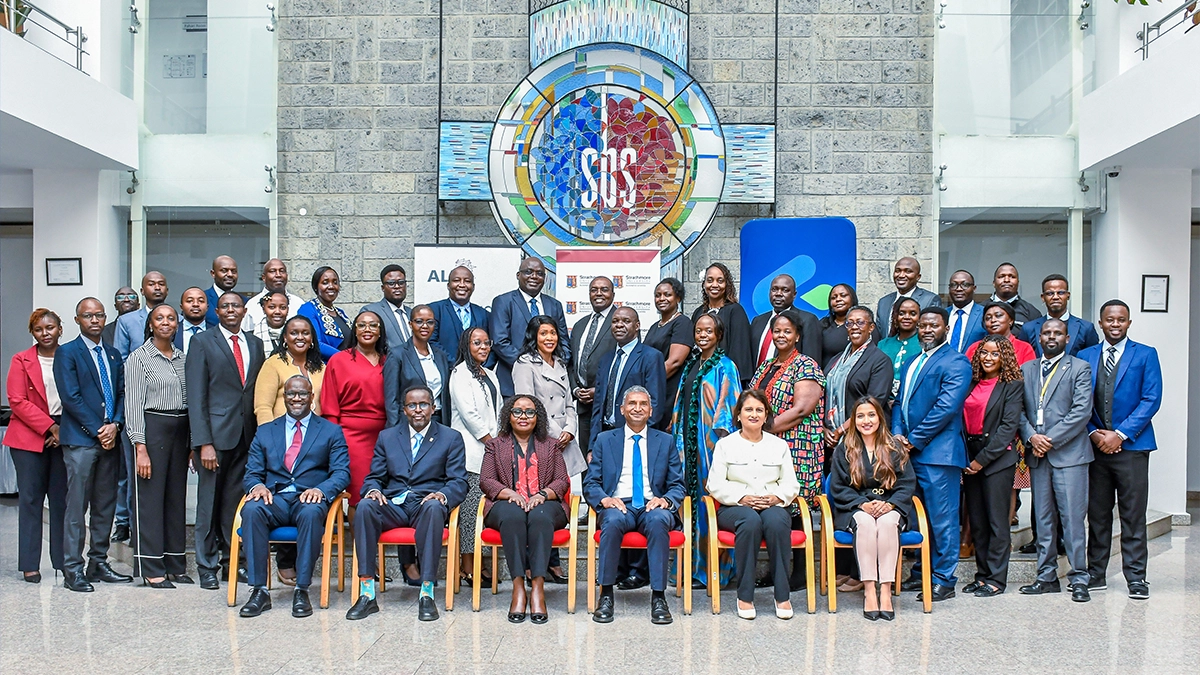
It is against this backdrop that Strathmore University Business School (SBS), Standard Chartered, Anjarwalla and Khanna and the Association of Family Business Enterprises (AFBE) partnered to launch the Governance & Wealth Management for Large Corporate Family Businesses Programme.
Many family enterprises begin with a strong founder whose vision, relationships and decision-making drive the business forward. In the early stages, informal structures work well. Decisions are made quickly, trust is high, and roles are clear. As the business grows, what once provided agility can become a vulnerability. Informal decision-making, limited board independence, undocumented succession arrangements and inadequate preparation of the next generation create significant risks when ownership and leadership change. These challenges intensify as family businesses expand across sectors, jurisdictions and generations.
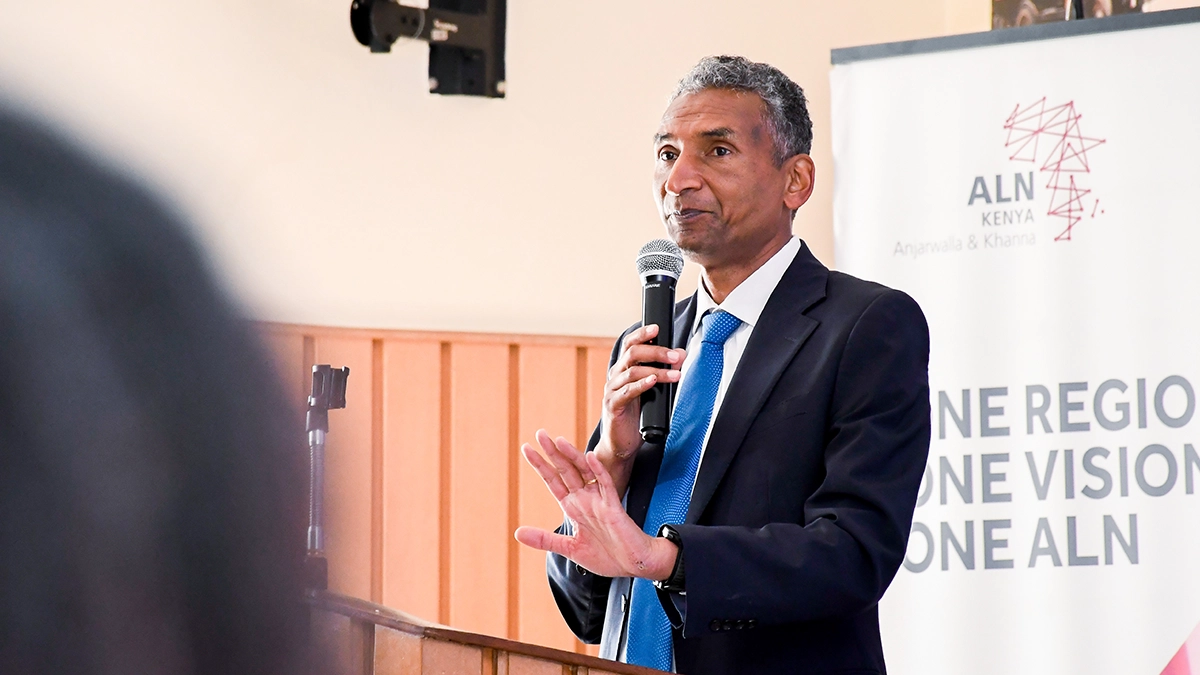
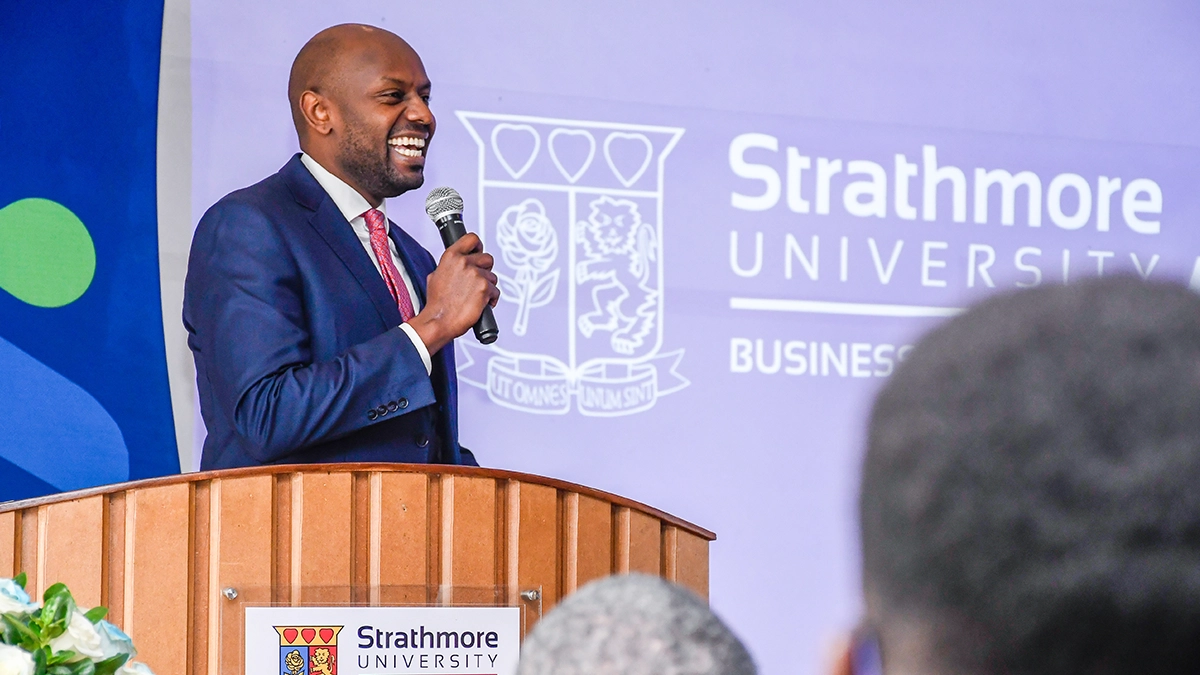
Speaking during the launch event, Dr. Vincent Ogutu, Vice Chancellor, Strathmore University, noted the importance of stronger family governance for family businesses. “Their continued success depends not only on entrepreneurial vision but also on strong governance, responsible leadership and effective succession planning. Succession cannot be treated as an event upon a founder’s retirement or death. It must be approached as a strategic process that begins long before the transition,” Dr. Ogutu noted.
Africa’s wealth transfer makes the conversation urgent. The stakes extend far beyond individual businesses. Africa currently holds an estimated US$2.5 trillion in investable wealth and more than 122,000 dollar millionaires, with the number of millionaires projected to grow by 65 per cent over the next decade. In Kenya alone, an estimated 6,800–7,200 dollar millionaires control approximately US$90 billion in assets.
Globally, more than US$80 trillion is expected to pass between generations. This represents both an extraordinary opportunity and a significant governance challenge. How will this wealth be transferred? Who will make the decisions? How will families balance ownership with management? What happens when different generations hold different visions for the business? And, most critically, how can families ensure that wealth transfer strengthens rather than fragments the enterprise? These are not merely financial questions. They are questions of leadership, governance, family relationships, values and long-term stewardship. The next generation needs more than a seat at the table.
Successful succession is not simply about identifying who will take over. It is about preparing the next generation to lead, developing the skills to make strategic decisions, understanding governance structures, managing both family and business interests, navigating conflict and stewarding wealth responsibly. It also requires creating structures that enable the next generation to contribute meaningfully while respecting the experience and legacy of those who came before.
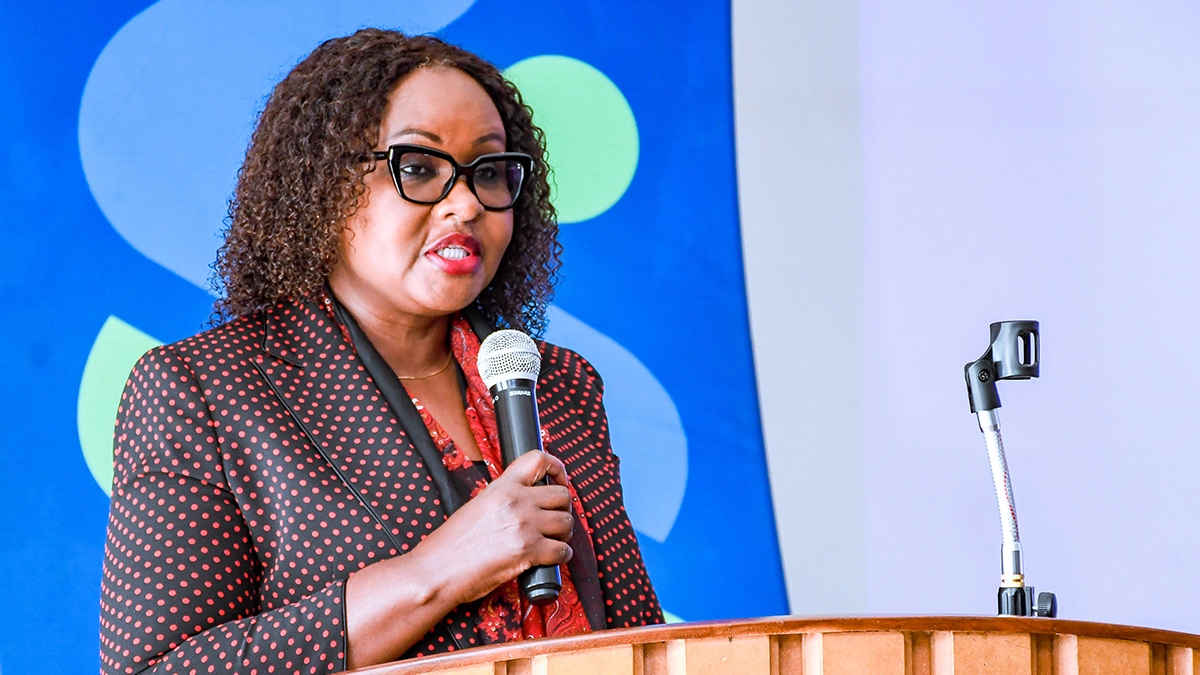
For Standard Chartered, these issues are increasingly central to the future of family businesses. As Edith Chumba, Head of Wealth & Retail Banking, Kenya and East Africa at Standard Chartered Kenya, puts it: “As more founders prepare for generational transition, strong governance, succession planning and wealth continuity are becoming business-critical.” Governance is not bureaucracy; it is business continuity. A common misconception is that formal governance structures slow entrepreneurial decision-making. For family businesses, effective governance provides something equally valuable: clarity. Clarity about who owns the business. Clarity about who makes decisions. Clarity about how conflicts are resolved. Clarity about how leaders are selected and how wealth and responsibility are transferred. When these structures are established early, families can focus on growing the business rather than resolving fundamental questions during transitions.
The Governance & Wealth Management for Large Corporate Family Businesses Programme will run from September to November 2026. It comprises three intensive modules covering governance, succession, wealth preservation, legal and tax considerations, conflict resolution and business continuity. Participants will also receive three post-programme mentoring sessions to support implementation. The programme combines Strathmore Business School’s executive education expertise, Standard Chartered’s wealth management and financial stewardship capabilities, ALN’s legal expertise in governance, succession and estate planning, and AFBE’s practical experience supporting family businesses across the region.
The goal is not simply to equip family business leaders with more knowledge. It is to help them translate that knowledge into practical roadmaps for governance, succession and wealth management, while building a peer network of family business leaders across Africa. Africa’s family businesses have already demonstrated their ability to create wealth, employment and economic opportunity. The next challenge is bigger : Can they build institutions that are greater than any one generation? The answer will depend on whether today’s family business leaders are willing to plan not only for the next financial year, but for the next generation and the generations that follow. Ultimately, a lasting family business is defined not only by what one generation builds but also by what it enables the next generation to inherit, improve, and pass forward.
Article by Juliet Hinga
Share This Story, Choose Your Platform!
Your journey to business excellence starts here. Subscribe today and be at the forefront of innovation and leadership.






 English (United States)
  English (UK)
  French