

Africa’s clean energy transition is gathering pace. Solar panels are spreading across the continent, electric mobility is gaining ground, battery technologies are evolving, and decentralised energy systems are reaching communities beyond the traditional grid.
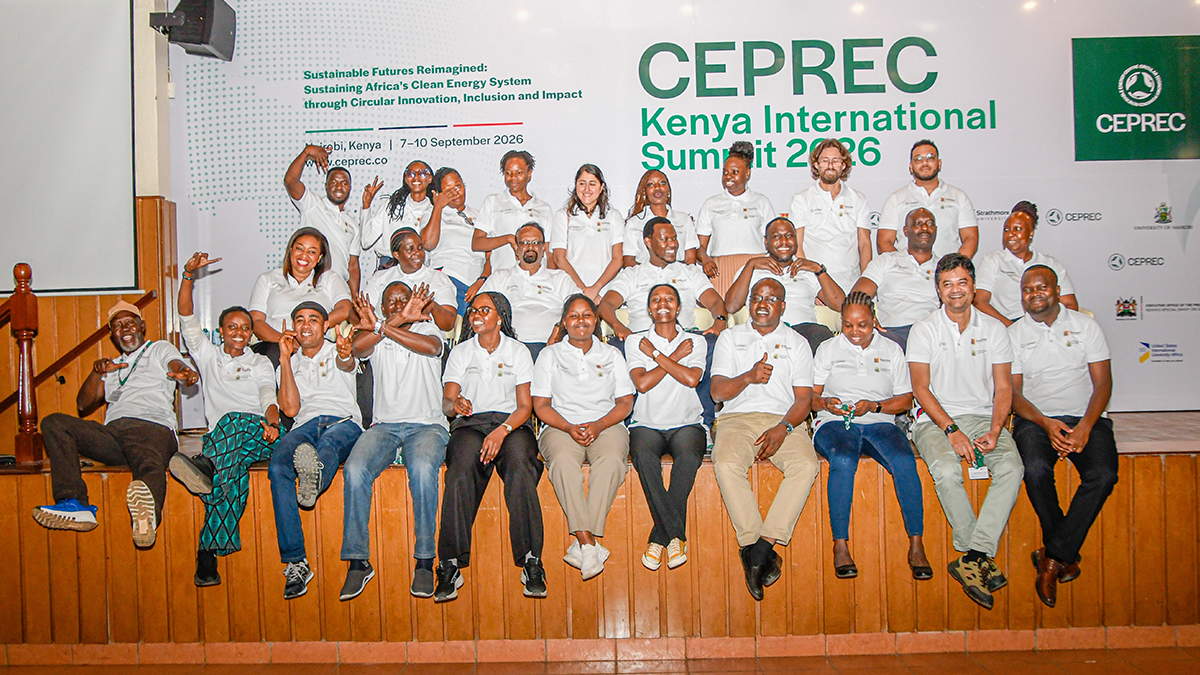
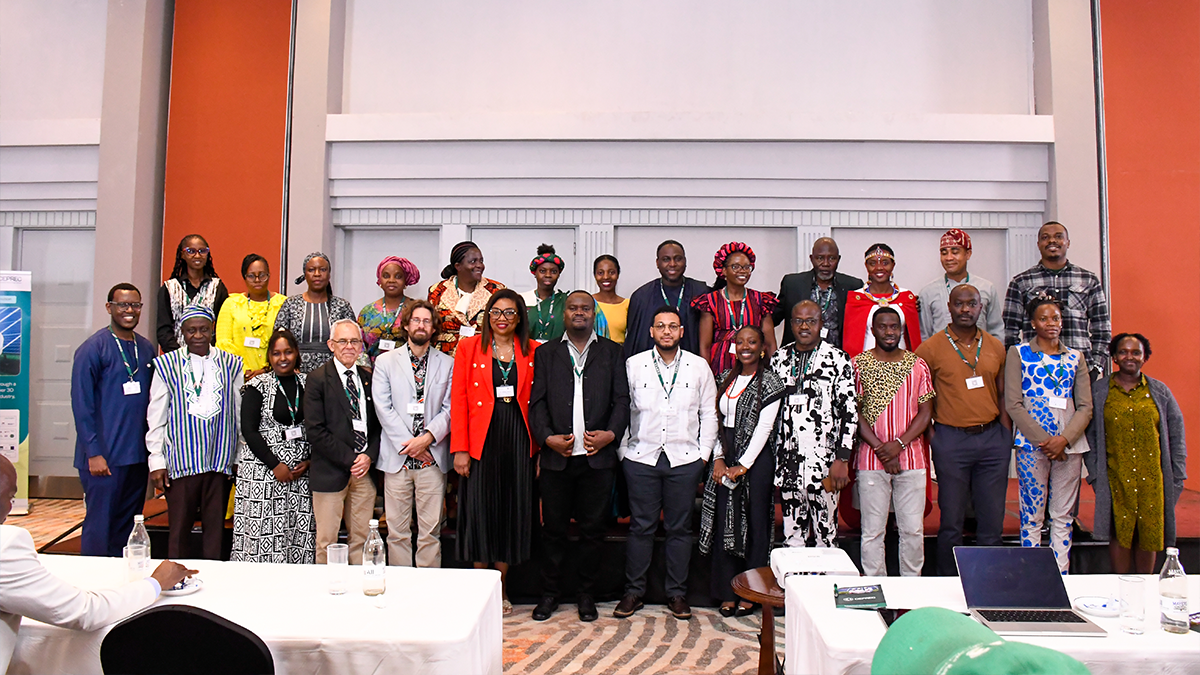
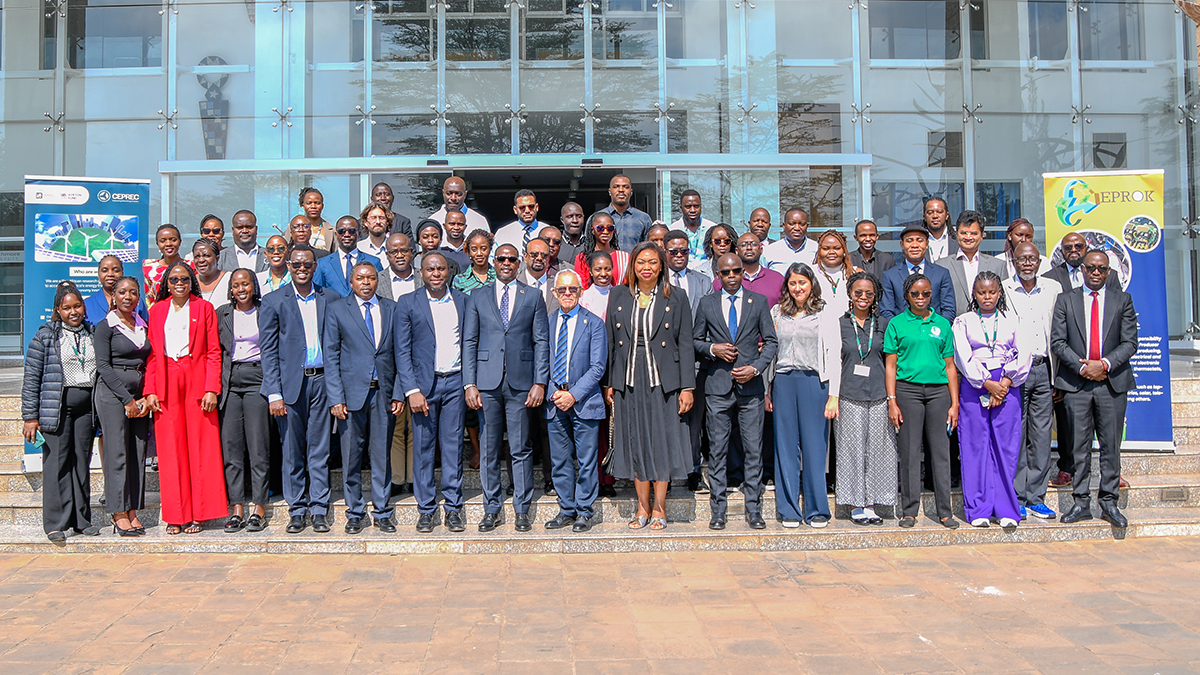
The CEPREC Kenya International Summit 2026, hosted between 7th and 10th September 2026 by the Circular Economy Powered Renewable Energy Centre (CEPREC), convened researchers, policymakers, industry leaders, innovators, development partners, entrepreneurs, and academics from Kenya, Rwanda, Nigeria, Namibia, South Africa, and Sierra Leone.
Under the theme ‘Sustainable Futures Reimagined: Sustaining Africa’s Clean Energy System through Circular Economy Innovation, Inclusion and Impact,’ the summit focused on how Africa can achieve a clean, circular, inclusive, and economically sustainable energy transition.
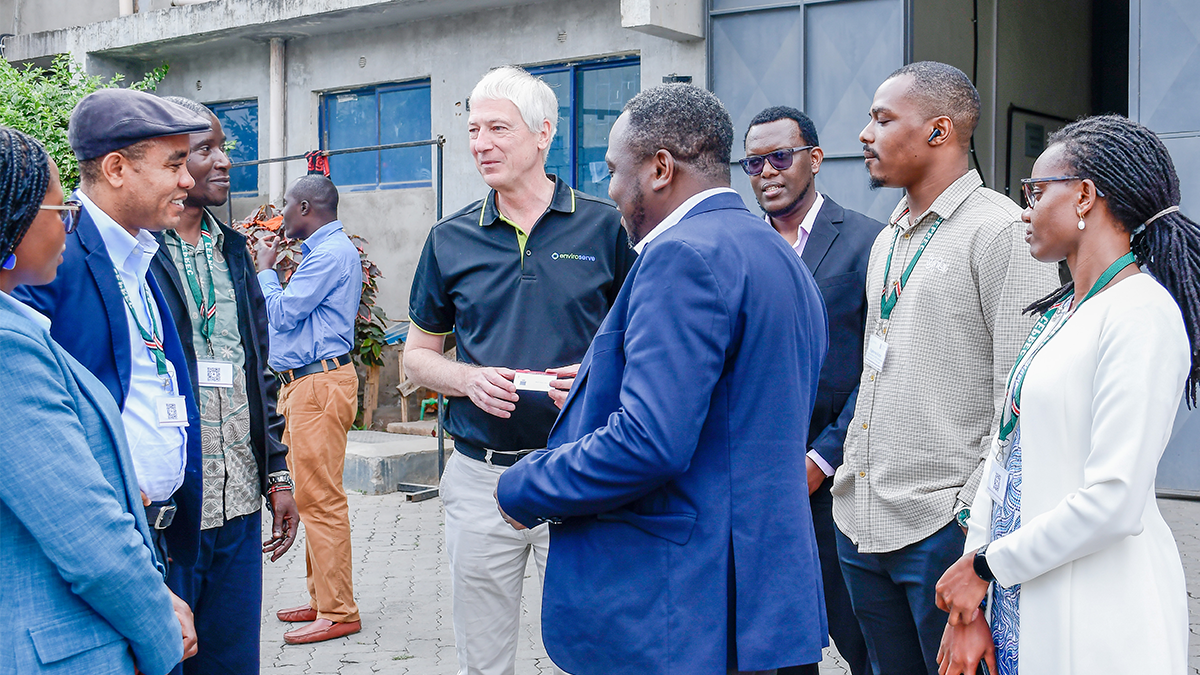
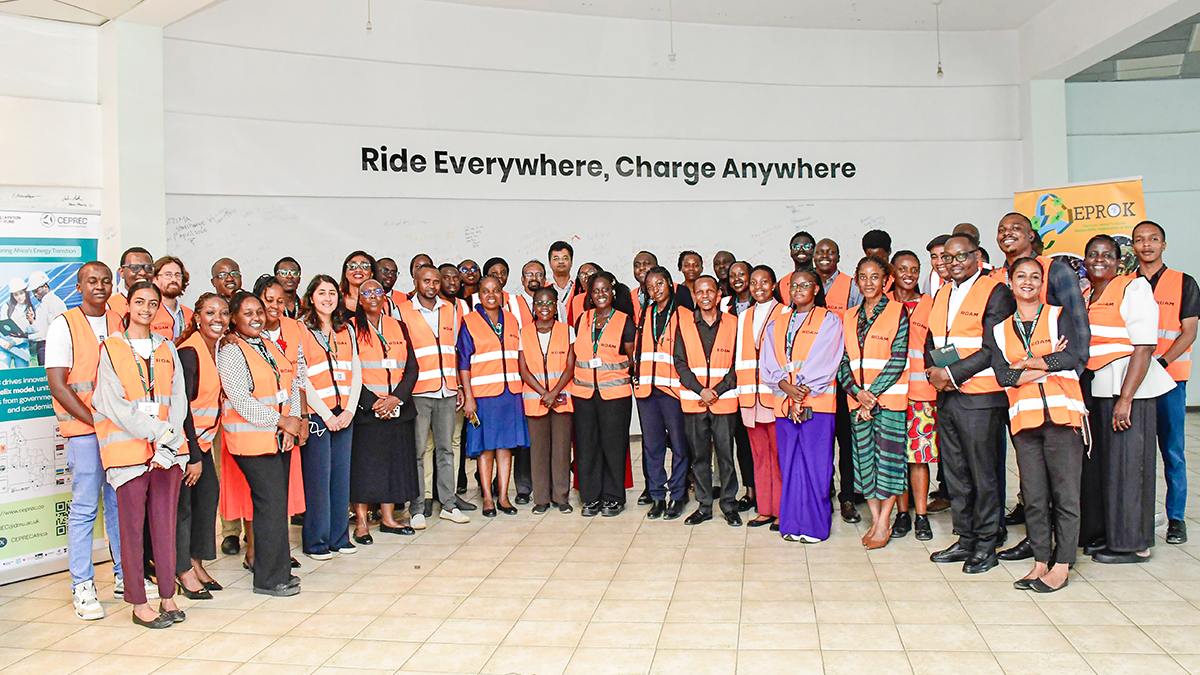
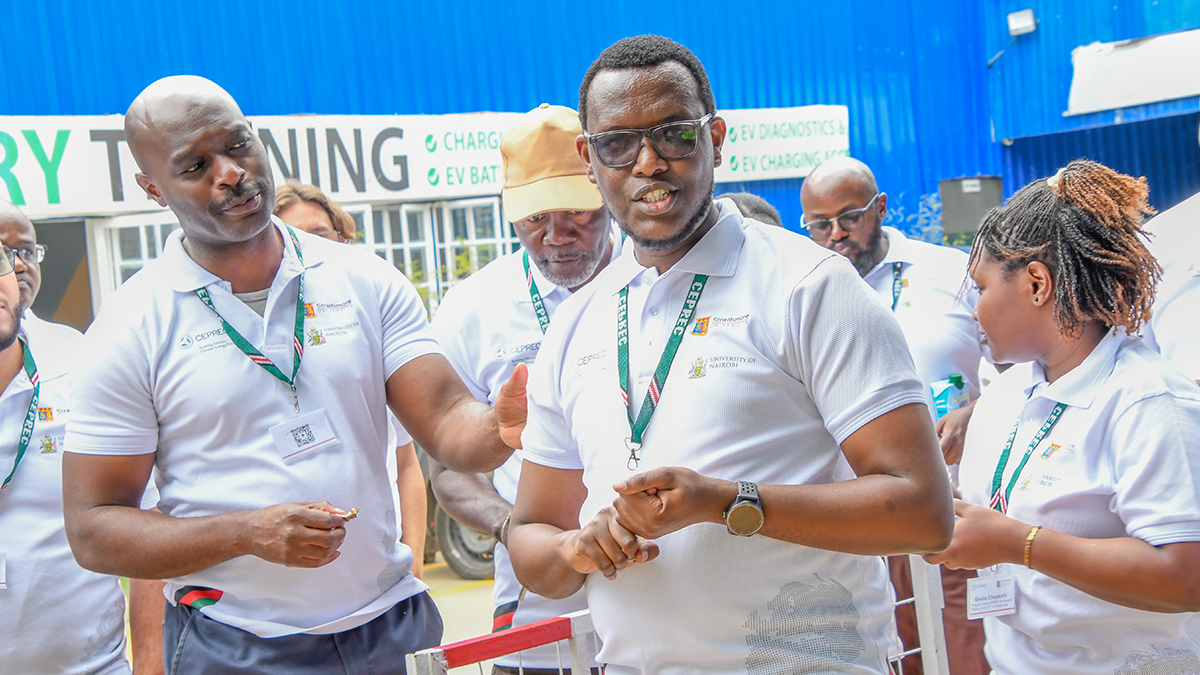
The programme extended beyond discussion. In addition to keynote addresses and panels, delegates visited organisations at the forefront of Africa’s energy transition, including Roam and BasiGo (electric mobility), Enviroserve Kenya (e-waste processing), Knights Energy (solar energy), and Megatank (mini-grid operations).
The summit began by addressing a key challenge: the global energy economy has traditionally followed a linear model of extraction, production, consumption, and disposal. Africa’s clean energy transition offers a chance to change this pattern. While solar panels, batteries, electric vehicles, and other clean technologies are essential for decarbonisation, they also raise important questions about resource use, repair, reuse, recycling, and end-of-life management.
Speakers emphasized that Africa should not replicate models from other regions. Instead, the continent requires circular energy systems tailored to its markets, infrastructure, skills, and socioeconomic context. Achieving this will require stronger collaboration among government, academia, and industry, especially to translate research and innovation into scalable solutions.
Inclusion was also a key focus. Women, youth, communities, and informal-sector workers already contribute to Africa’s circular economy through activities such as collecting, repairing, dismantling, and recycling electronic equipment. The challenge is to integrate these groups into formal, safe, and economically productive value chains.
The summit also highlighted the need for robust technical foundations for a sustainable battery economy, including enhanced performance and safety standards and regulatory frameworks suited to African markets.
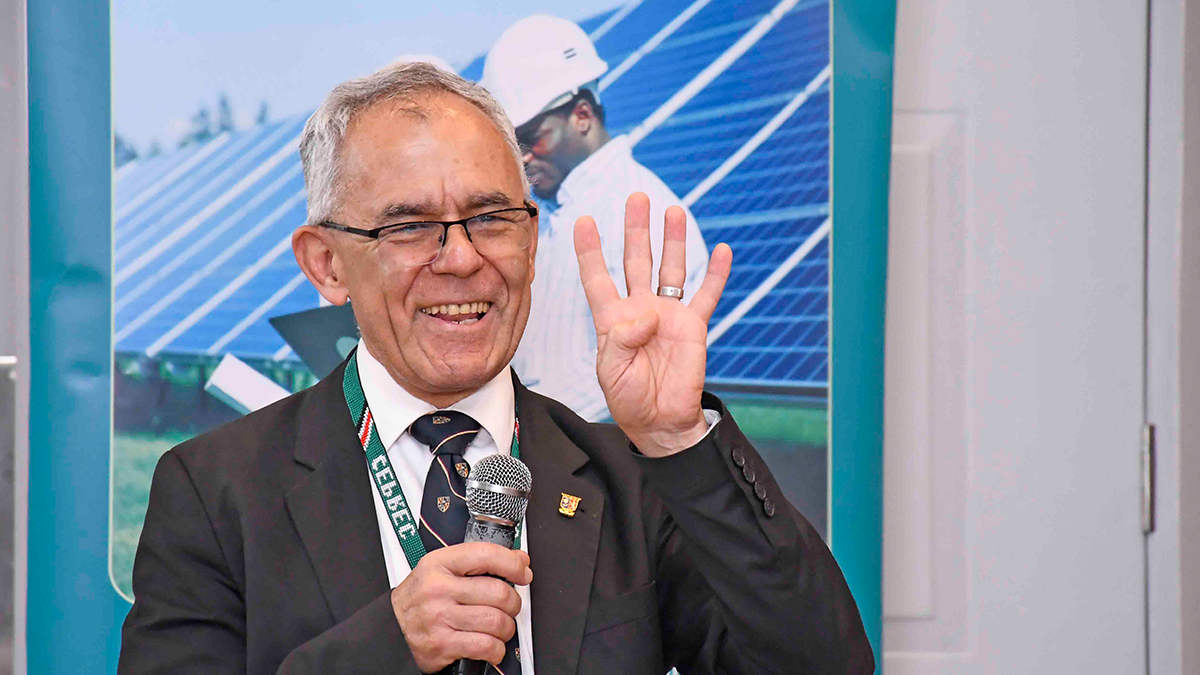
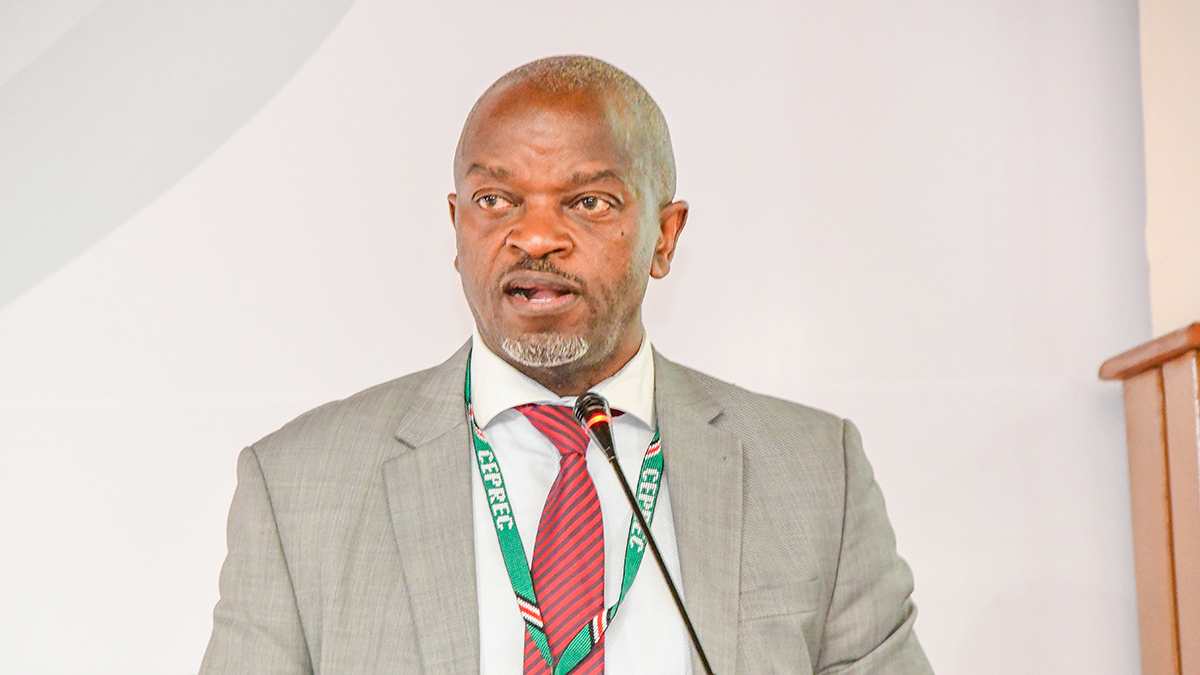
If the opening conversations established why circularity matters, the second day focused on perhaps the most important question for its future: Can circularity become a viable business opportunity? Under the theme “Circular Economy in Society: Value Chains, Livelihoods & Business Models,” delegates examined how circular approaches can create jobs, strengthen value chains and unlock new markets while delivering environmental benefits. Opening the day’s discussions, Dr William Murithi called for a fundamental redesign of circular-economy value chains and business models to accelerate the clean-energy transition.
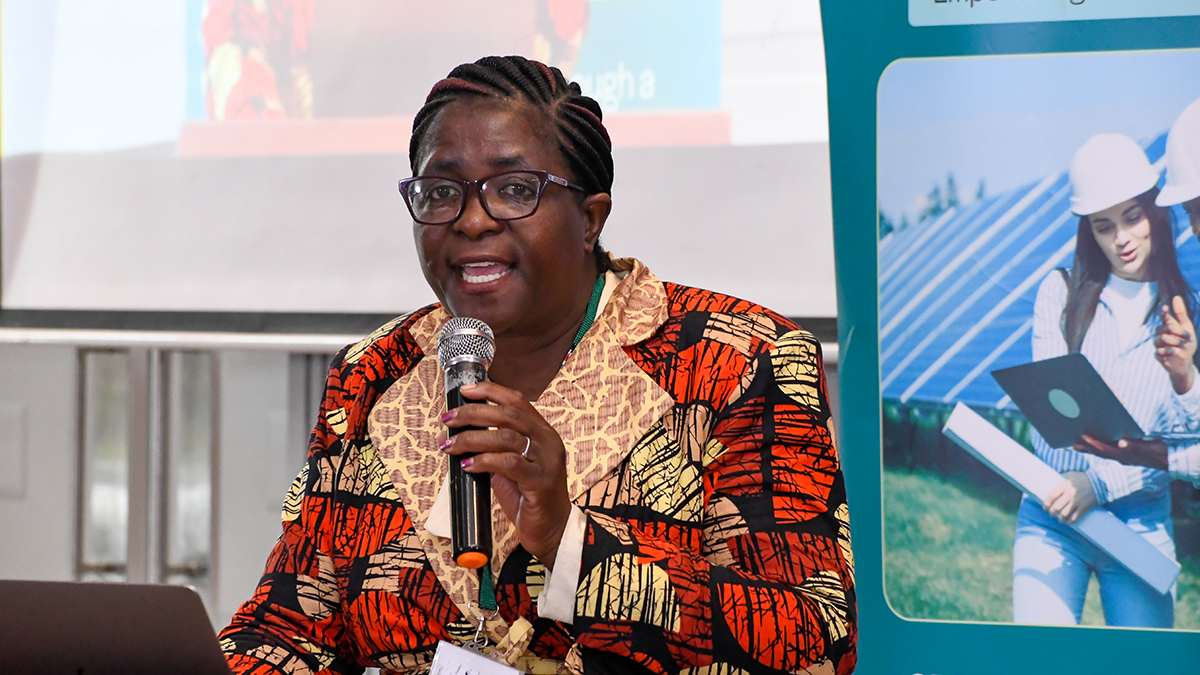
Dr. David Ong’are of the National Environment Management Authority (NEMA) presented Extended Producer Responsibility (EPR) as more than a regulatory requirement, highlighting its potential as a business opportunity. He noted that gaps in waste segregation, collection, and recycling infrastructure could serve as areas for innovation and investment.
A subsequent panel brought together government, industry, and development partners to discuss practical, inclusive, and commercially viable EPR systems.
Technology was identified as a key enabler. Digital tools can enhance traceability and visibility across e-waste value chains, tracking materials from producers and importers through collection, recycling, and final disposal.
Delegates also reviewed international experiences, such as digital battery passports and recycled-content targets from the Asia-Pacific region, and considered how these approaches could inform Africa’s developing policy and incentive frameworks.
Technology may provide many of the tools for the energy transition. But people will determine whether those tools deliver impact. Day Three, themed “Building the Future: Capacity, Partnerships & Community,” therefore shifted attention to the human capital required to build and sustain Africa’s circular energy economy.
Dr. Churchill Saoke of the Strathmore Energy Research Centre opened the day’s discussions with a call for stronger capacity building in renewable energy. From the industry, Drivelectric Ltd offered perspectives on preparing workers for an increasingly dynamic energy sector, while Dr. Victor Rop of Strathmore University emphasised the role of universities in connecting research and innovation with real industry needs.
A key message from the discussions was that reskilling must go beyond training. Workers entering or transitioning into the green economy require mentoring, practical experience, industry exposure, and clear pathways to employment and entrepreneurship. This is especially important for groups that have historically faced barriers, including women, youth, and persons with disabilities.
By the final day, the focus shifted from identifying necessary changes to enabling those changes, highlighting the role of policy. Day Four featured a high-level roundtable with academia, government, industry, and development partners to discuss practical next steps for Africa’s circular energy transition.
The discussions addressed a broad, interconnected agenda, including green skills in universities, financing for community-led clean energy projects, Africa’s climate leadership, Kenya’s environmental policy landscape, and UK–Africa partnerships.
Speakers stressed the importance of entrepreneurs strengthening commercialisation strategies, building strategic partnerships, and demonstrating market scalability. Investors and ecosystem actors also require mechanisms to reduce risk and enhance the bankability of circular businesses.
Over four days, one message stood out: Africa’s clean energy transition is not just about replacing fossil fuels with cleaner technologies. It also requires rethinking how these technologies are produced, used, maintained, reused, and recovered.
This involves building circular value chains, developing the necessary skills and jobs, enacting supportive policies, and ensuring that communities, informal-sector workers, entrepreneurs, women, youth, and other groups actively participate in shaping the transition.
Africa’s clean energy future will undoubtedly be technological. But if the continent is to make that future truly sustainable, it will also have to be circular.
Article by Juliet Hinga
Share This Story, Choose Your Platform!
Your journey to business excellence starts here. Subscribe today and be at the forefront of innovation and leadership.






 English (United States)
  English (UK)
  French