

For livestock businesses sourcing from Kenya’s pastoral areas, commercial growth depends on a wider network of value chain actors, including farmers, input suppliers, service providers, regulators, processors and customers. Building those connections can be as important as improving production itself.
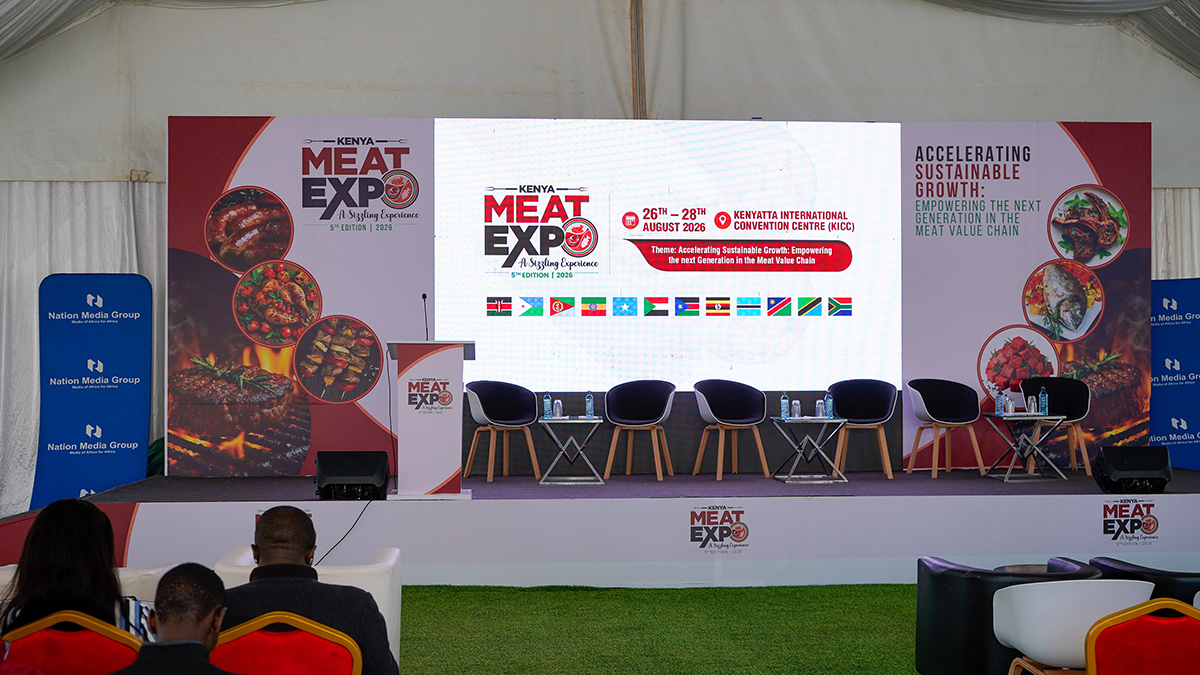
According to figures presented at the Kenya Meat Expo 2026, held at the Kenyatta International Convention Centre (KICC) from 26th to 28th August, the scale of opportunity is significant. The Cabinet Secretary for Agriculture and Livestock Development, Sen. Mutahi Kagwe, noted that Kenya produced approximately 613,627 tonnes of meat in 2024, valued at KSh397 billion. Production increased by 10.2 per cent from the previous year, while the value rose by 30.5 per cent. Yet, as discussions at the Expo highlighted, converting this productive base into stronger businesses, investment, jobs, exports and higher incomes requires a value chain capable of moving livestock efficiently from producers to markets.
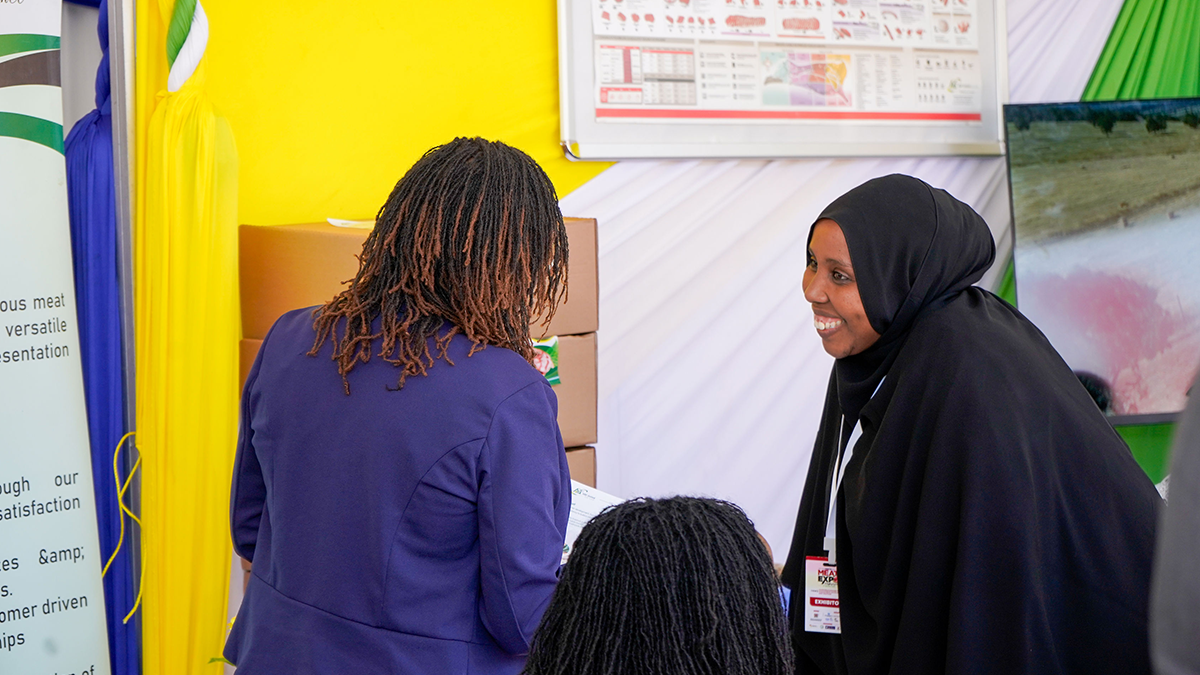
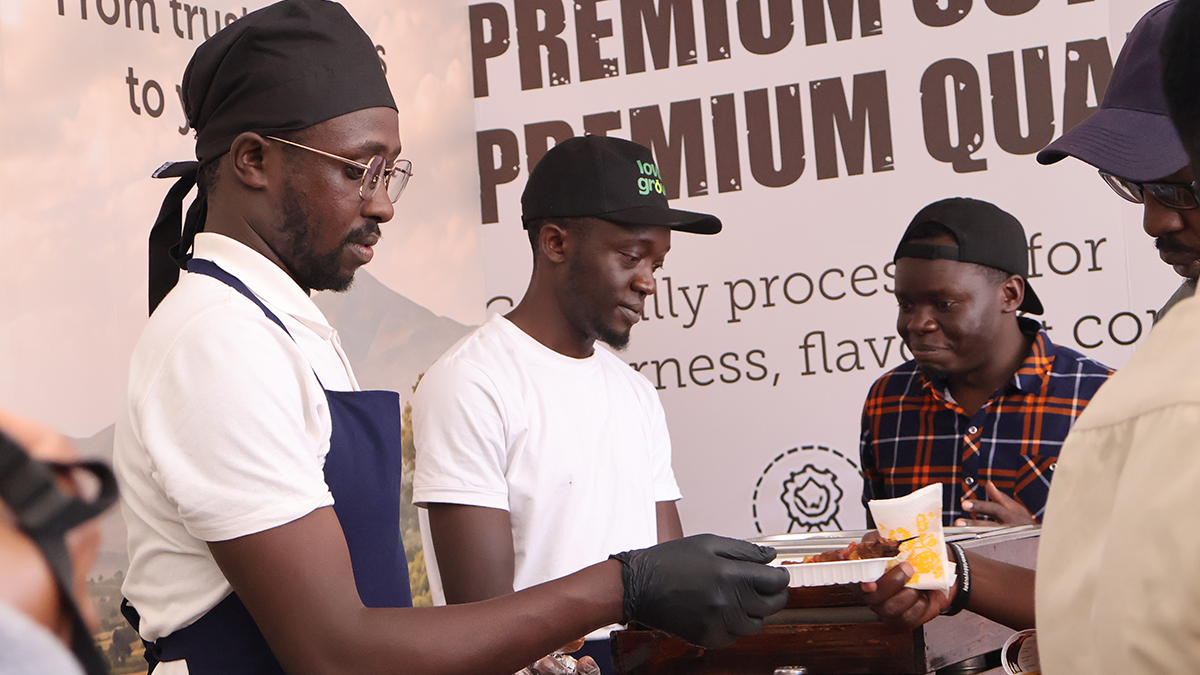
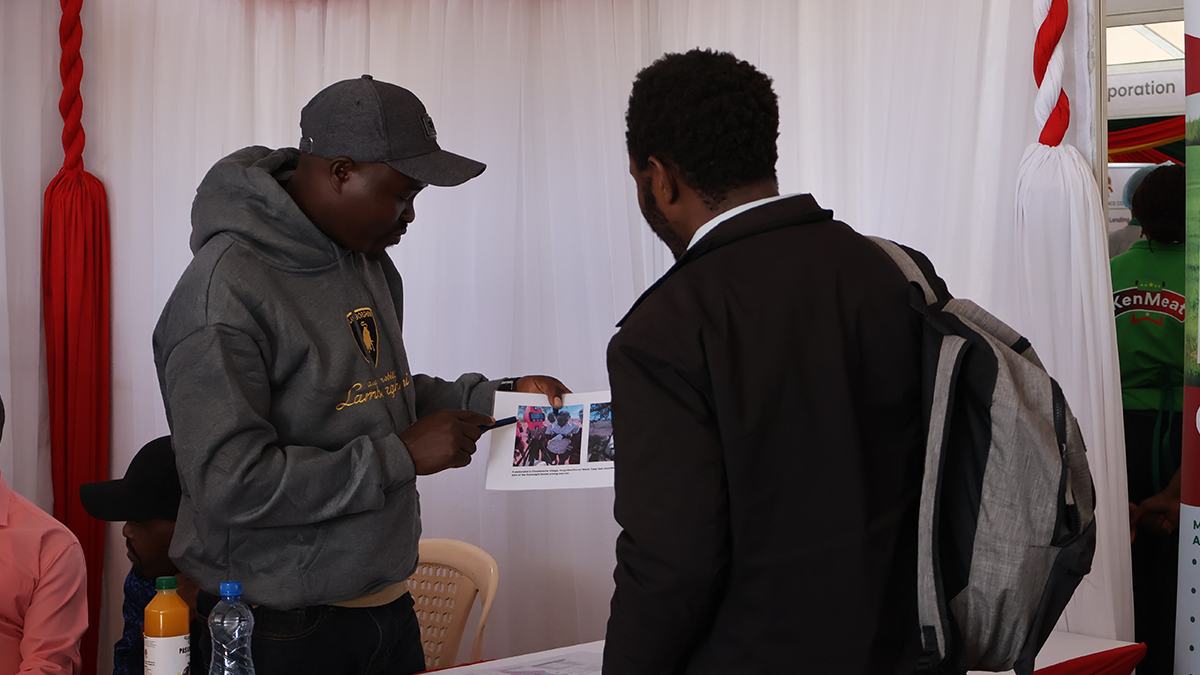
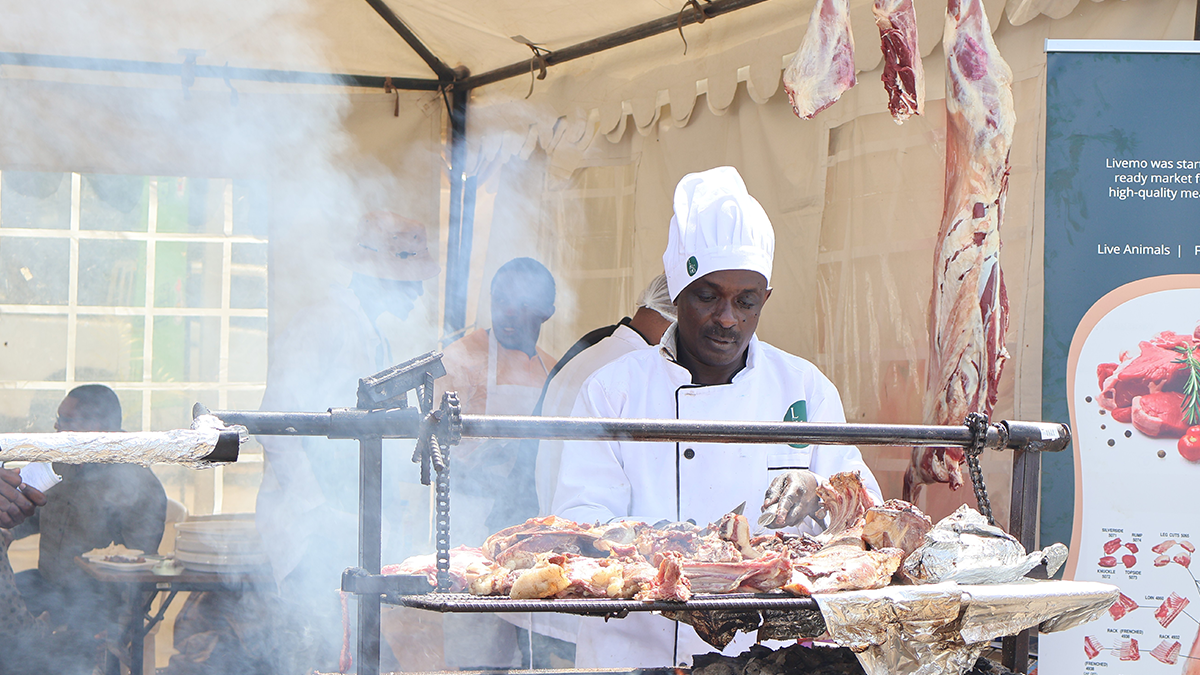
Across the event, exhibitors were not only displaying and selling what they offer, but also meeting potential customers and service providers, reconnecting with existing partners, and testing interest in their products. The diversity of these interactions reflected the range of actors represented across the Expo. Livestock producers shared the space with processors, animal-health specialists, equipment and technology suppliers, exporters, hospitality buyers, government institutions and other service providers.
Among them were five livestock companies partnering with the Kenya Pastoral Market Development (KPMD) Program. As KPMD’s partner offtakers, the companies provide a commercial link between pastoral producers and formal livestock markets. Their role goes beyond purchasing animals. The offtakers also lead interventions designed to strengthen livestock production and supply within the communities from which they source.
Moving beyond the exhibition stand
For the participating KPMD partner offtakers, the Expo created opportunities to engage with other participants and organisations across the livestock value chain.
Some conversations were directly commercial, with prospective customers showing interest in products and services. Others brought the businesses into contact with suppliers and logistics providers whose services could support their operations as they continue to grow. The Expo also created an opportunity for existing partners to reconnect with the businesses.
These interactions demonstrate how livestock markets extend beyond transactions between a producer and a buyer. Such relationships influence how effectively businesses can source livestock, access services, move products and reach customers.
Products as a starting point for new conversations
The Expo also showed how individual products can open up wider conversations about participation in the livestock economy. At one partner’s stand, for instance, silage brought for display attracted considerable interest from visitors. Farmers were also interested in accessing technical advice and understanding how they could participate more actively in different parts of the livestock value chain.
These conversations point to an opportunity that extends beyond livestock offtake. A functioning livestock market also creates demand for the businesses and services that support production.
Reliable access to feed, for example, can improve animal condition and help producers maintain livestock through periods of scarcity, but meeting that need can also create opportunities for farmers and enterprises supplying fodder to the sector.
This is one reason KPMD’s approach looks beyond the transaction between a pastoralist and an offtaker. Feed, animal health, aggregation, water, training and market access are interconnected parts of the same commercial system. Constraints in any one of them can affect whether livestock reach the market in the condition, quantities and consistency that businesses require.
Wider discussions at the Expo reinforced the commercial importance of these production-level systems. Competitiveness was linked not only to what happens at the point of sale, but also to animal health, disease control, identification and traceability, processing standards and cold-chain systems. Stronger livestock markets are built well before an animal reaches a processor or consumer. They depend on the quality of the systems, services and businesses supporting production along the way.
Learning from the market
Beyond generating new contacts, the Expo also gave participating businesses a chance to better understand their position in the market. For one KPMD partner, interactions with visitors highlighted greater potential within Kenya’s domestic market than the company had previously considered. While export markets remain an important part of the livestock sector’s growth prospects, the experience suggested that opportunities to expand may also exist much closer to home.
The company was also encouraged by the level of familiarity visitors already had with its brand. That recognition matters for a growing business because it suggests that previous engagement with producers, customers and other industry actors is beginning to translate into a visible market presence that the company can build on.
The event also provided businesses with useful market intelligence, including where demand may be emerging, how their businesses are perceived and where opportunities may exist to reach new customer segments. Those insights can help inform decisions about where to invest, which opportunities to pursue and how to position for growth.
For KPMD, the experiences of its partner offtakers at the Expo point to the importance of commercially strong businesses to pastoral market development. Their capacity to source consistently from pastoral communities depends partly on whether they can build viable markets, access the services they need and develop the commercial relationships required to grow.
The significance of the connections made at the Expo will become apparent as discussions continue. Over the longer term, stronger and better-connected offtakers are better positioned to generate sustained demand for livestock and provide more reliable routes to market for pastoral producers.
Article by Staicy Chebet
Share This Story, Choose Your Platform!
Your journey to business excellence starts here. Subscribe today and be at the forefront of innovation and leadership.







 English (United States)
  English (UK)
  French