



Nature-positive transformation is not built in boardrooms alone. It takes root in farms, wetlands, cooperatives and communities, where evidence meets lived experience, local knowledge and collective action.
Against this backdrop, the 4th TEEBAgriFood Kenya Project Steering Committee meeting took the journey beyond the boardroom.
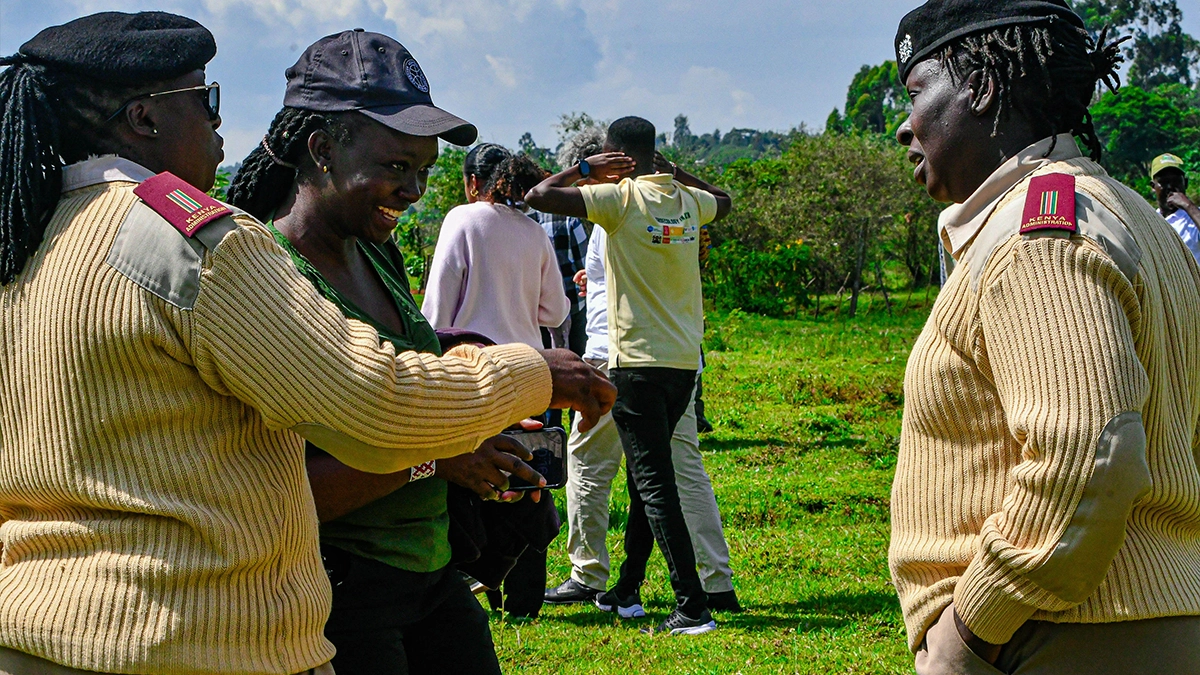
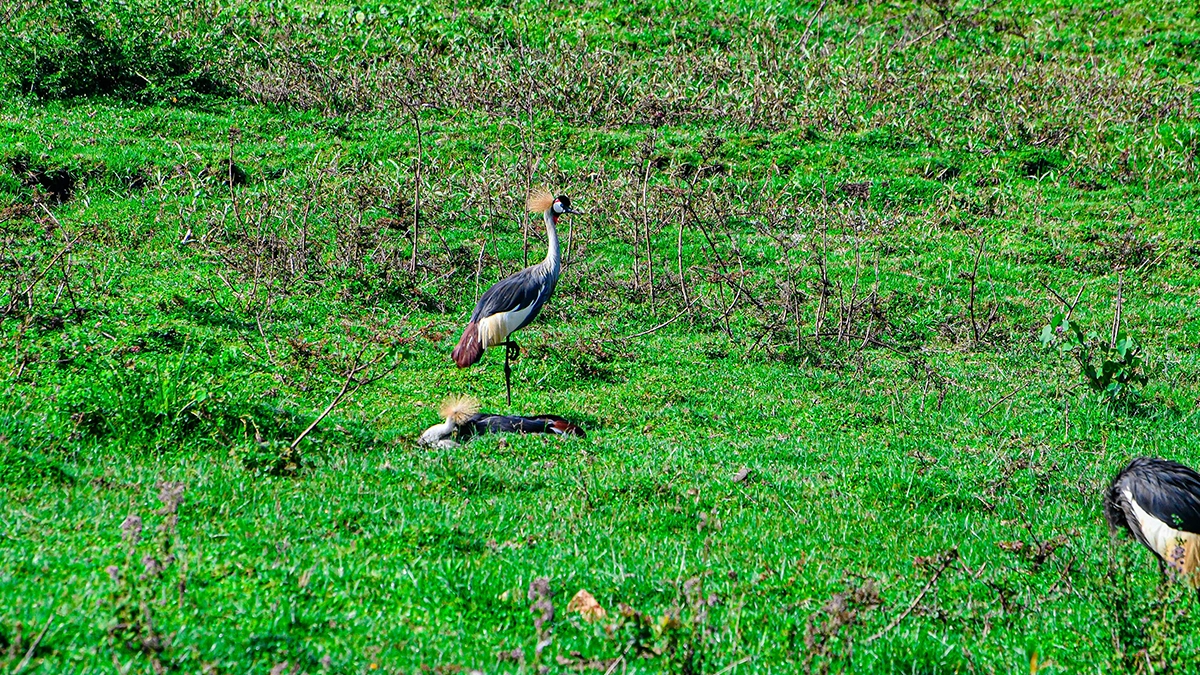
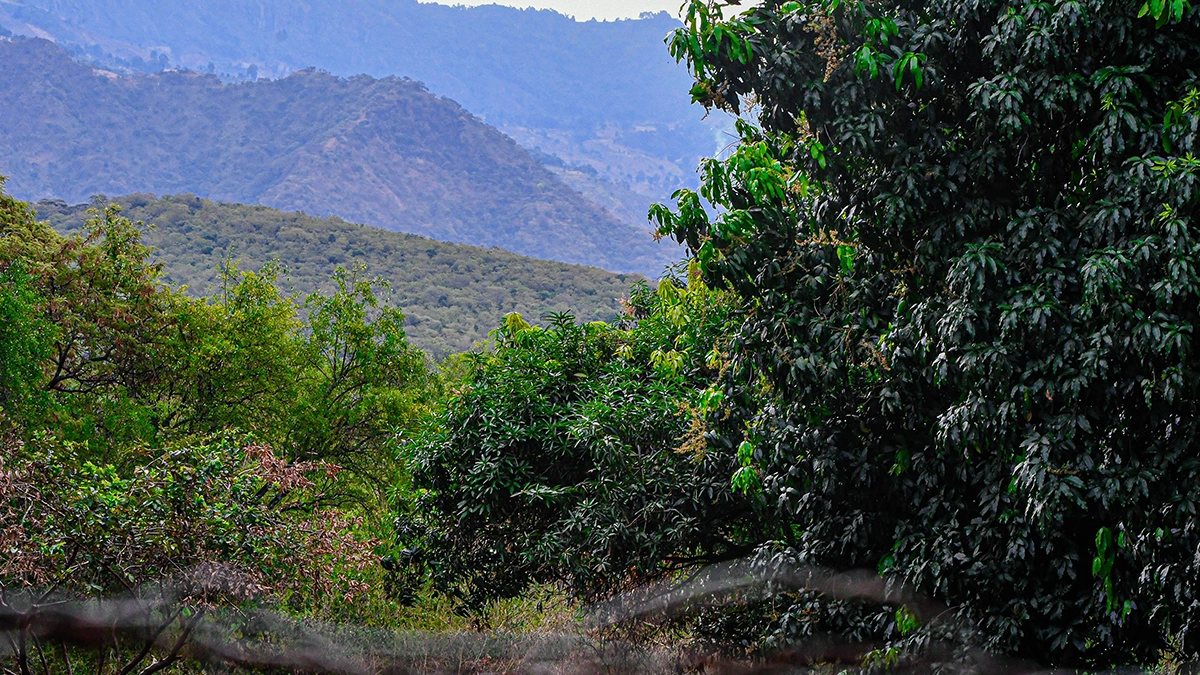
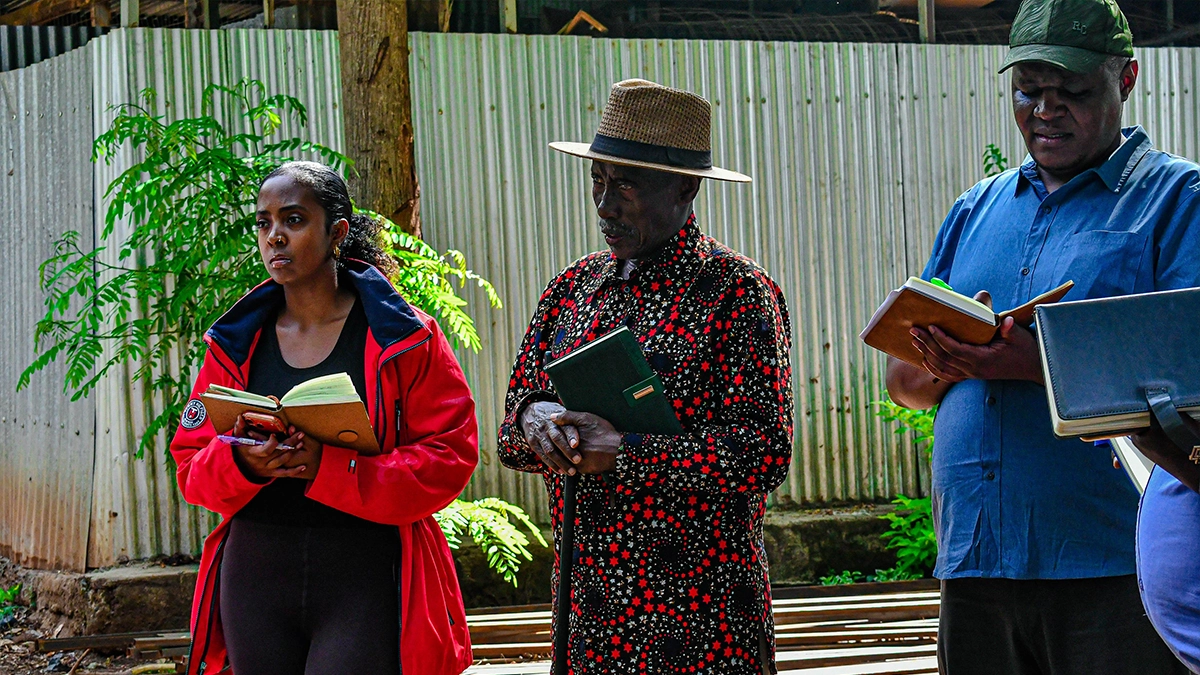
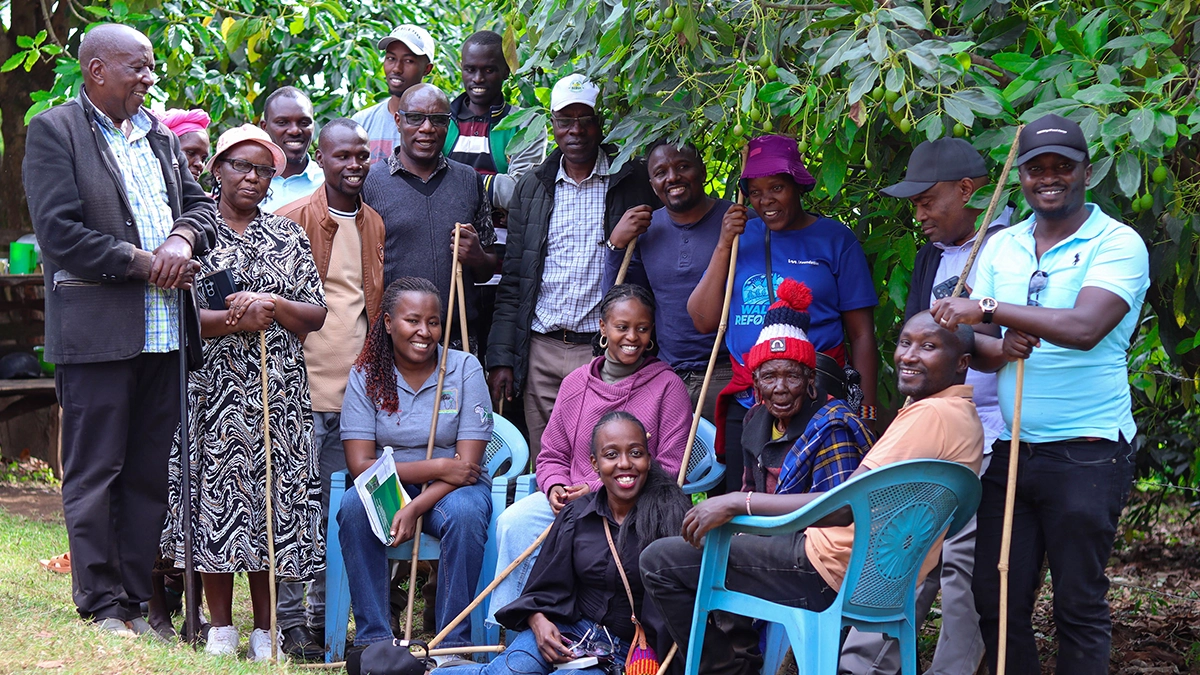
Over two days, members travelled across Elgeyo Marakwet, Bomet, Nandi, Baringo and Nakuru counties. They visited model farms, restored wetlands, cooperatives, and communities to see firsthand what nature-positive transformation looks like in practice and what it takes to turn evidence into policy, investment, and action.
The visits were a chance not only to observe interventions but to listen to the people behind them: farmers restoring degraded land, communities organising around shared resources, cooperatives strengthening livelihoods, and local leaders creating an enabling environment for change. Across these different landscapes, one message emerged clearly: transformation is as much about people and relationships as it is about ecosystems and technologies.
At Mr Kipng’etich Kones’ farm in Bomet County, the story began with ecological restoration and agricultural productivity. It soon became a story about something equally important: social capital.
The farm shows how restoring natural resources can generate wider social and economic benefits. Once-degraded land is now a productive landscape with nearly 200 trees, two beehives and approximately 250,000 litres of water-harvesting capacity.
The most significant outcome, however, extends beyond the farm. The experience helped inspire the Berur Cooperative, which has grown into a community of approximately 160 members. It shows how an intervention at household level can become a catalyst for collective action.
This illustrates an important dimension of nature-positive transformation. When communities have the relationships, trust and organisational structures to act together, environmental restoration can become a foundation for broader livelihood and development outcomes. Social capital is not an abstract concept: it can determine whether knowledge is shared, whether communities organise, whether innovations are adopted and whether local solutions can scale.
At Kigwan Wetlands Conservancy in Nandi County, the conversation shifted from agricultural landscapes to wetland conservation and the search for alternative financing mechanisms.
The visit offered insights into how county governments can create conditions that support long-term conservation while recognising the economic and social realities of the communities living alongside these ecosystems.
It also highlighted the importance of local leadership. Chiefs, assistant chiefs and other local leaders play a critical role in turning environmental priorities into community action. Their proximity to communities allows them to raise awareness, facilitate dialogue and support collective responses to environmental challenges.
The broader lesson is that conservation cannot be sustained through policy alone. It needs local institutions, trusted leadership and communities that see value in protecting the resources on which their livelihoods depend.
At Mumberes Farmers’ Cooperative in Baringo County, the link between environmental stewardship and livelihoods came into sharper focus. Here, sustainability is not only about protecting ecosystems. It is about soil health, fodder systems, animal welfare, milk quality, market access and the resilience of farming households.
Investments in improved practices and responsible land management are helping farmers raise productivity while responding to growing climate pressures. The cooperative also shows the value of collective action in reaching markets: farmers producing higher-quality milk can access premium markets and potentially secure better returns.
This connects environmental practice to economic incentive. When nature-positive practices improve livelihoods, sustainability becomes part of the business model rather than an added cost. For communities facing climate variability and market uncertainty, such systems offer a pathway towards resilience.
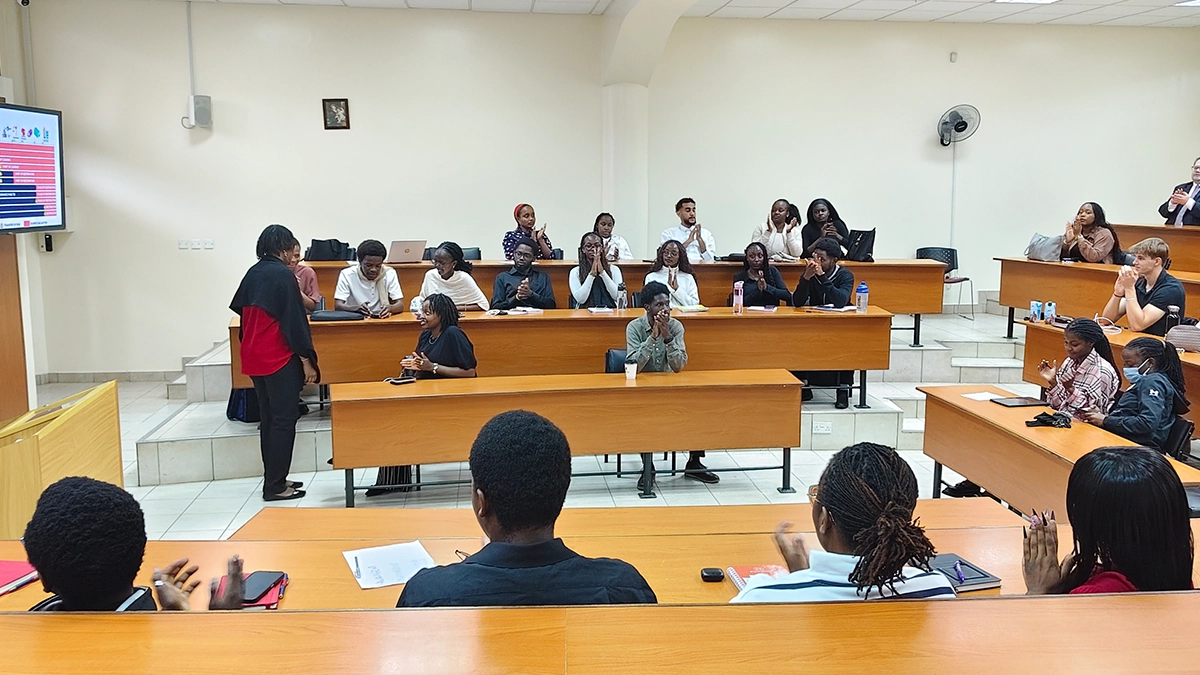
The field journey culminated in Nakuru County, where the Steering Committee convened to reflect on the field visit. The discussion connected the on-the-ground observations to the wider work of the TEEBAgriFood Kenya Project: generating evidence to support better decisions across food systems and making the often-overlooked contributions of nature and communities more visible.
In his keynote address, Mr Leonard Bor, County Executive Committee Member for Agriculture in Nakuru County, acknowledged the partnership and support provided by the TEEBAgriFood team in developing the Nakuru County Agroecology Policy. This affirmation shows one of the pathways through which evidence can influence transformation: research informs policy, policy creates an enabling environment, and communities and other actors put that policy into practice.
The visits showed that Kenya does not have to begin its nature-positive transformation from scratch. Many of the building blocks already exist: communities restoring degraded landscapes, farmers adopting practices that strengthen resilience, cooperatives creating pathways to better markets, local leaders enabling collective action, county governments developing policy responses, and researchers generating evidence that makes the value of nature, livelihoods and social systems visible.
The challenge is increasingly one of connection. How can successful community practices inform county and national policy? How can evidence translate into investment decisions? How can financing mechanisms support the communities and businesses already showing what is possible? And how can local knowledge and social capital be recognised alongside economic and ecological indicators when decisions about food systems are made?
These are central questions for the TEEBAgriFood Kenya Project as it moves into the next phase of its work.
The field visits were a reminder that nature-positive transformation is ultimately about more than nature. It is about people, relationships, institutions, livelihoods and the choices communities make about how to use and protect the resources around them.
A restored wetland is an ecological asset.
A productive farm is an economic asset.
A cooperative is a social asset.
A county policy is an institutional asset.
The real opportunity lies in understanding how these assets interact and using that knowledge to make better decisions.
As the project continues to generate evidence, models, and scenarios for Kenya’s food systems, the field experience provides important grounding: the evidence must work for people, inform decisions, and support solutions that communities can own and sustain.
The journey from evidence to action does not end with a report or a policy document. It begins when evidence meets people, places and the decisions that shape their futures.
Article by Juliet Hinga
Share This Story, Choose Your Platform!
Your journey to business excellence starts here. Subscribe today and be at the forefront of innovation and leadership.






 English (United States)
  English (UK)
  French