

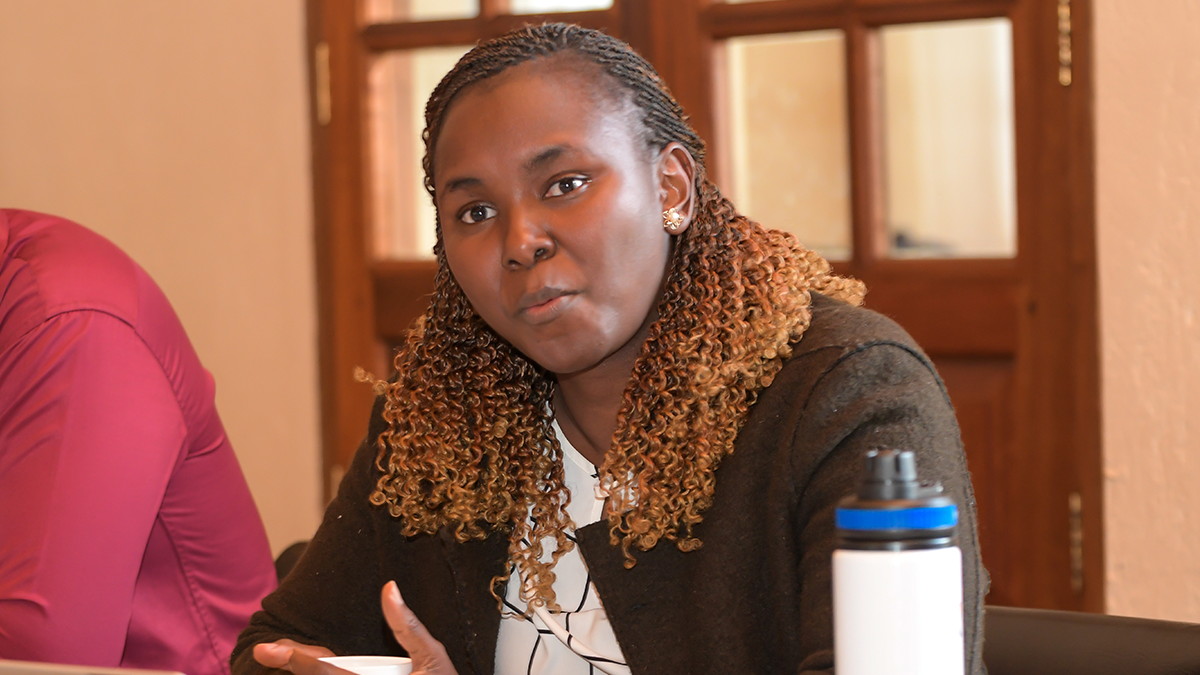
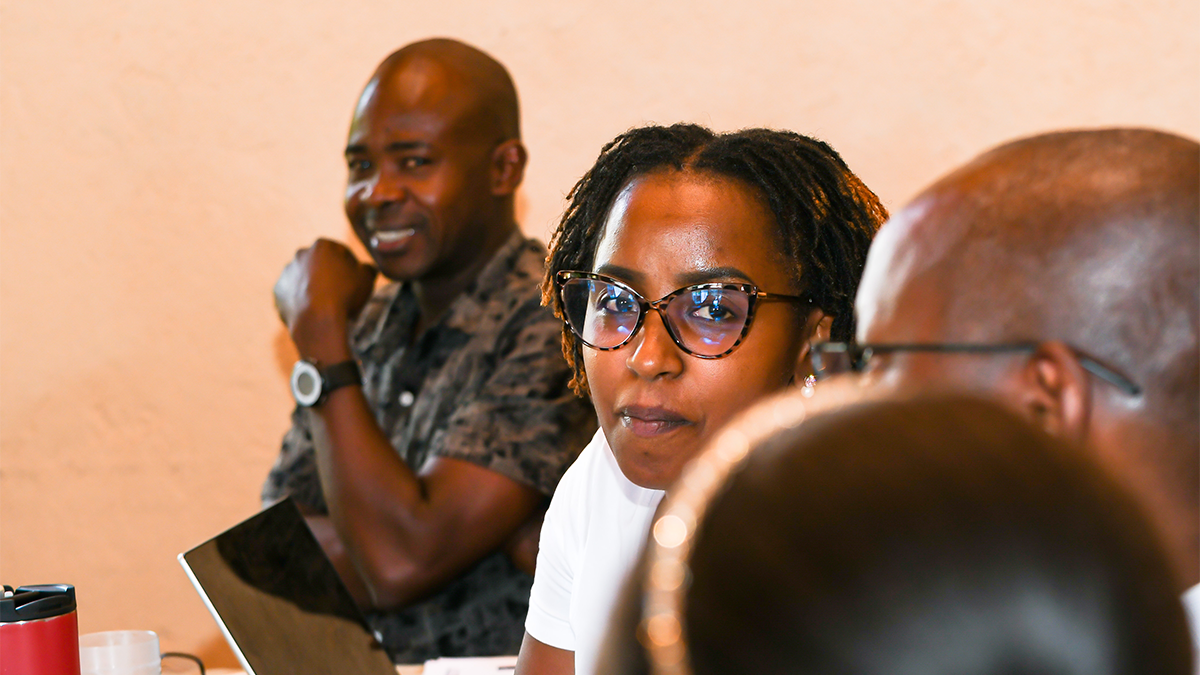
When I first considered attending the PhD Writing Retreat, my first thought was not excitement; it was a quiet calculation of everything I would have to rearrange to be away for three days. Work, family, and a long list of unanswered emails were all competing for the same hours my thesis needed. If you are a doctoral candidate, you probably know that feeling well.
When I arrived at the Brackenhurst Retreat Centre, I felt my shoulders relax. The calm, greenery, and quiet were completely different from my usual busy routine. At home, I write in short bursts: twenty minutes before a meeting, an hour late at night when I’m tired, or early in the morning before the day starts. Here, I could sit with one idea until it made sense. By the end of the first day, I had written more than I had written in the previous month.
One participant from the PhD Healthcare Management Class of 2026 shared that he had accomplished more in those three days than in the entire year. Most of us, as part-time PhD students, could relate to that feeling.
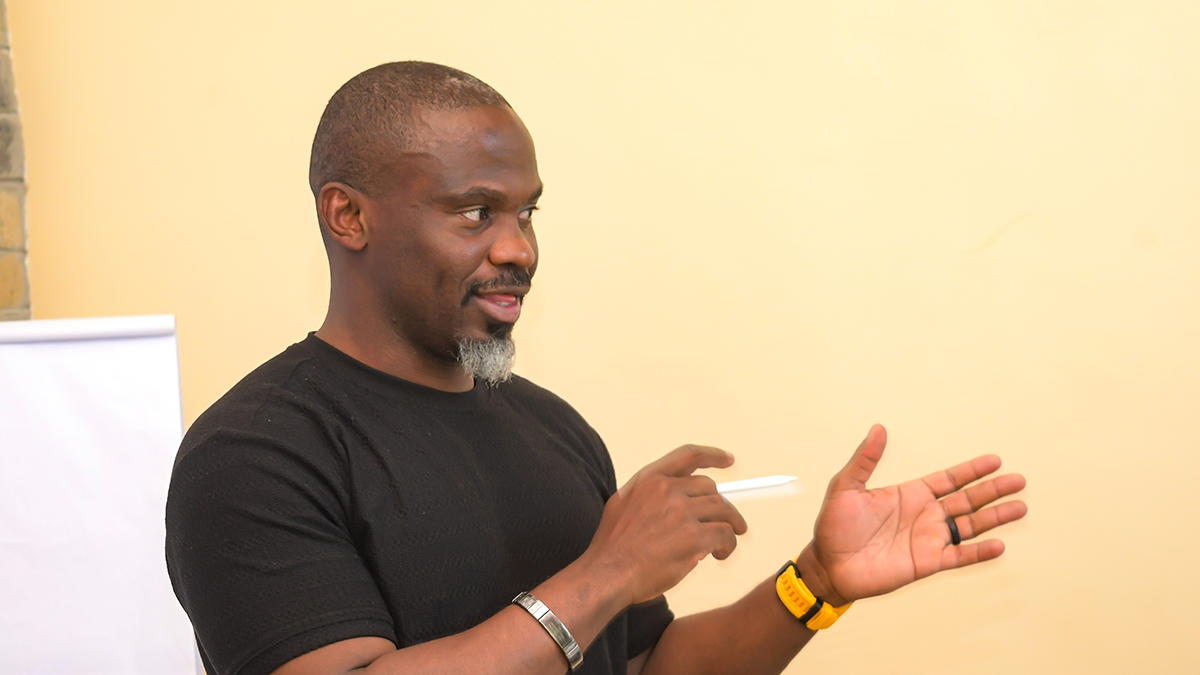
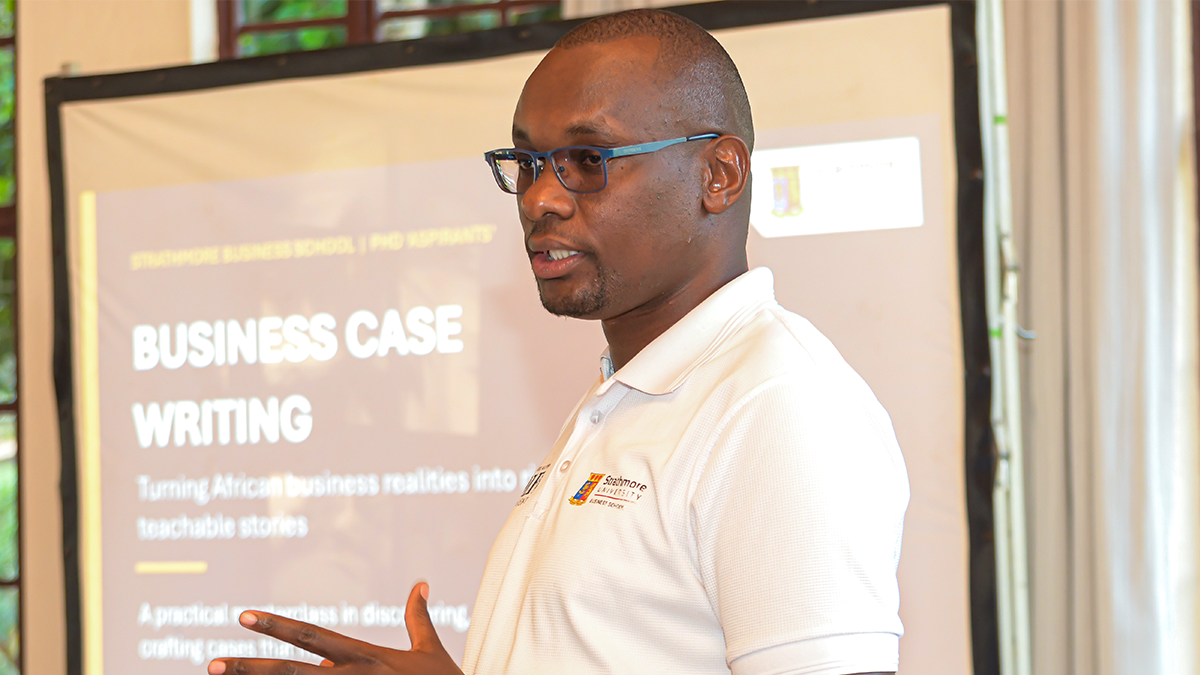
I really valued the time faculty members gave us. As a PhD student, I’ve often been stuck on a problem for days, waiting for my supervisor or wondering if I’m even asking the right question. At the retreat, answers were just a conversation away.
At the retreat, I could bring a half-formed idea to a faculty member, talk it through, and leave with a clearer direction in less than an hour. These weren’t quick notes in the margins of a draft. They were real conversations, generously offered, and they improved my thinking in ways that weeks of working alone hadn’t. I realised how much a doctorate depends on these kinds of discussions, and how rare it is to have them so often.
Being around others doing the same hard work brings a special kind of motivation. The PhD can feel isolating, and I didn’t realise how much until I spent three days with other candidates, all focused and making progress. During breaks, we compared notes, shared frustrations, and celebrated small wins. I left with more than just pages of writing—I left knowing I’m not alone on this journey.
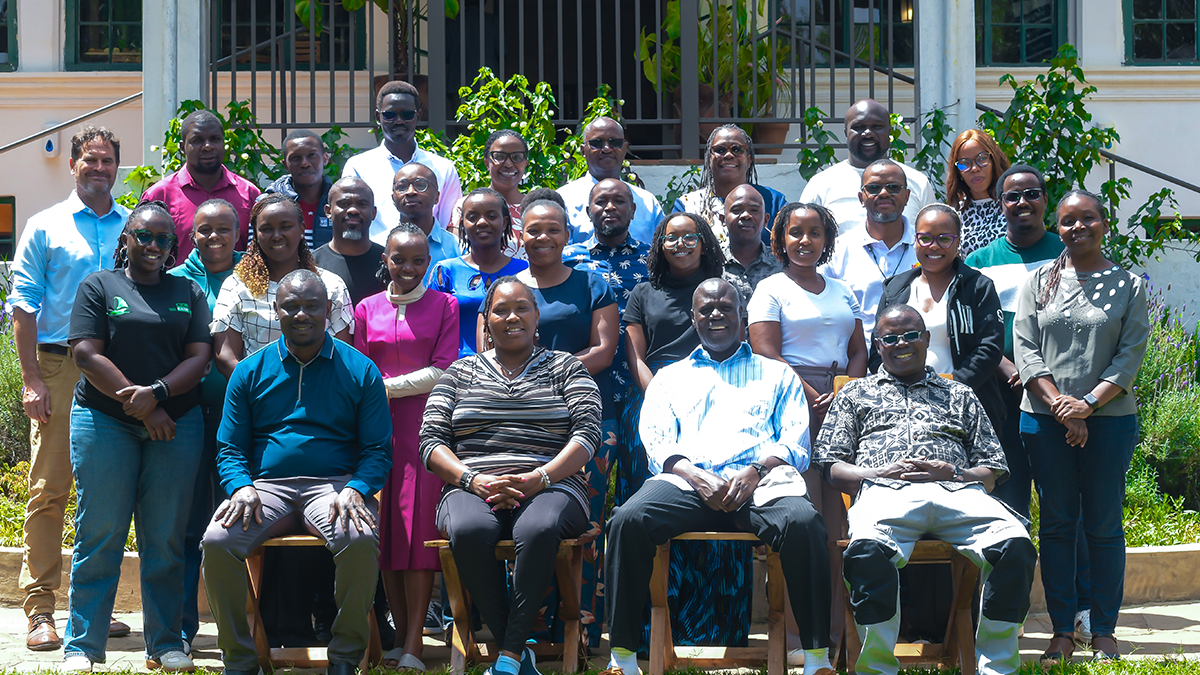
Another highlight was learning alongside doctoral candidates from other universities. The retreat brought together people from five institutions: Strathmore University, Kenyatta University, the University of Nairobi, Jomo Kenyatta University of Agriculture and Technology, and Daystar University.
This made peer learning and academic exchange even better. Besides working on our own research, we could share perspectives, compare experiences, and learn from the different ways we approached our doctoral studies.
Even though our research interests and university backgrounds were different, we all faced the same challenge: keeping up with demanding research while managing everyday life. These conversations reminded me that helpful insights don’t just come from faculty. Fellow researchers can also offer new perspectives, ask questions we might miss, and help us see familiar problems in new ways.
Watching everyone focused on their work showed me how important it is to design doctoral support that fits the real research journey. Each stage brings its own questions, challenges, and chances to grow.
During breaks, we shared notes, talked about our frustrations, and celebrated small victories. This experience reminded me that even though doctoral research takes personal discipline, it doesn’t have to be lonely.
Three days of uninterrupted writing might sound simple, but making that space takes real effort. It needs an institution that protects students’ time, faculty who invest in their progress, and an environment that supports focus, reflection, and working together.
I left Brackenhurst with more than just pages of writing. I came back with new energy, clearer ideas about my research, and more confidence in my project. Most importantly, I was reminded that finishing a PhD isn’t just about discipline. It’s also about having the right environment, guidance, and community to support you.
Sometimes, taking a break from everything else is just what you need to make progress on your thesis.
Article by Juliet Hinga
Share This Story, Choose Your Platform!
Your journey to business excellence starts here. Subscribe today and be at the forefront of innovation and leadership.






 English (United States)
 English (UK)
 French