

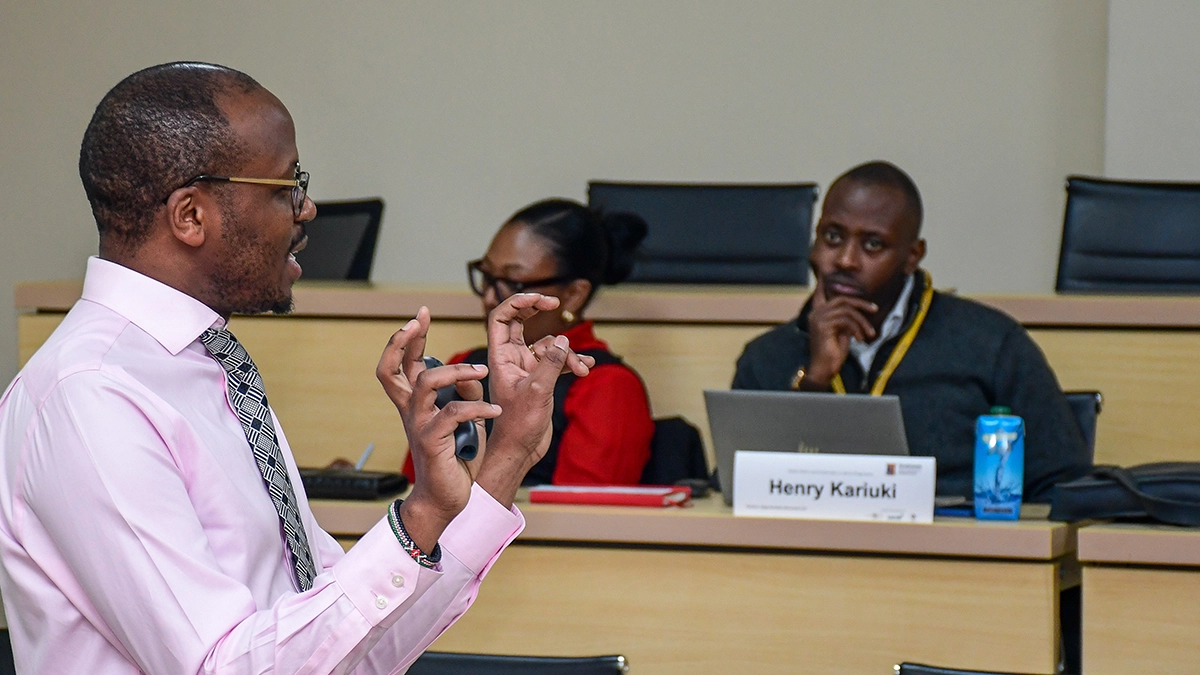
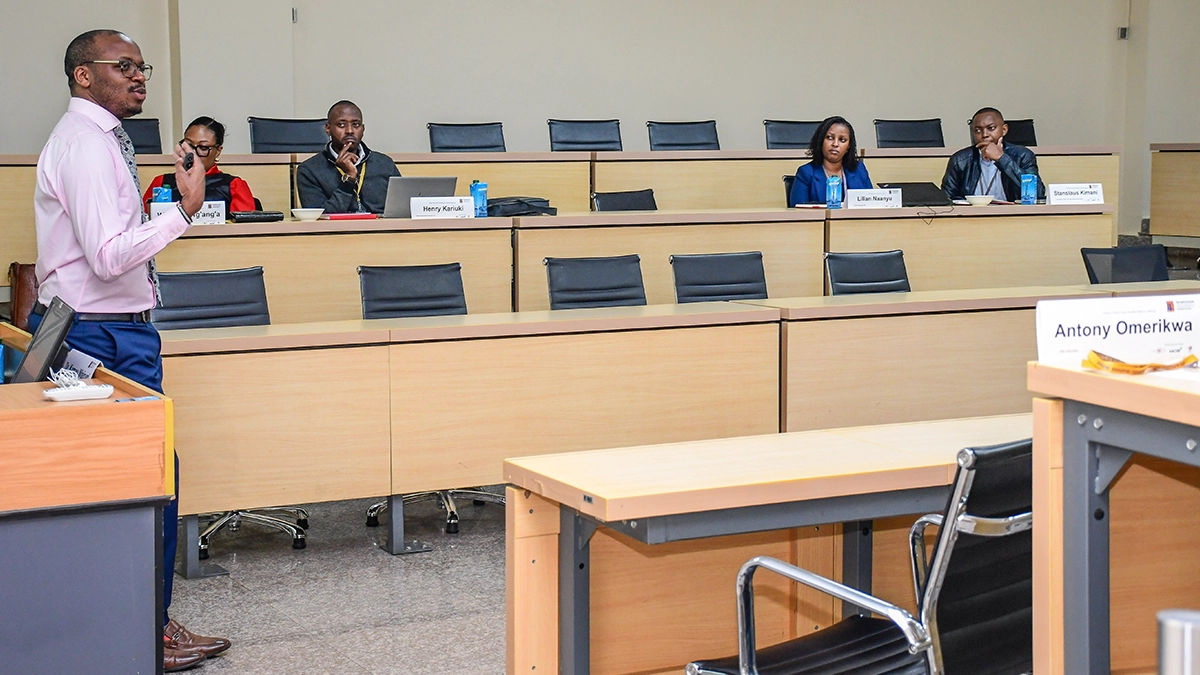
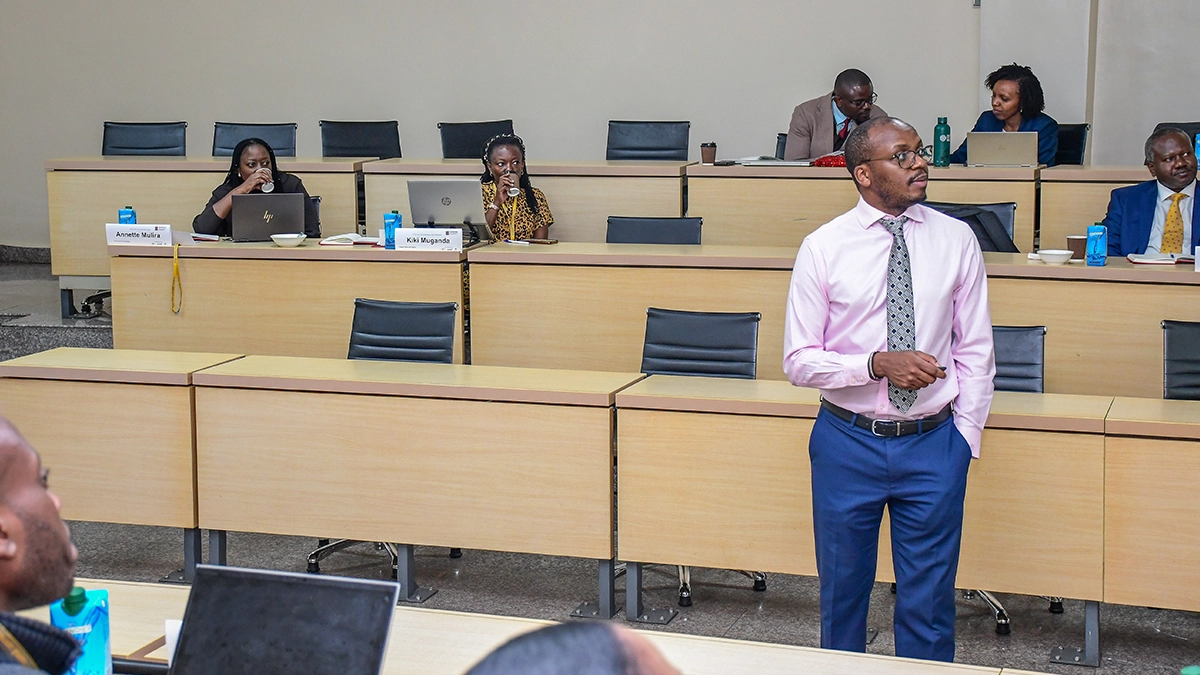

In a rapidly evolving global landscape, Africa’s policymakers are being called upon to navigate increasingly complex challenges, from governance and economic transformation to climate change and social equity. Yet effective policymaking requires more than technical expertise; it demands a deep understanding of political realities, leadership dynamics, and institutional contexts.
It is against this backdrop that Strathmore University Business School designed the Public Policy and Leadership in Africa Programme (PPLA). The programme is closely aligned with the African Union’s Agenda 2063, a long-term development framework that envisions “an integrated, prosperous and peaceful Africa, driven by its own citizens.” Adopted during the 50th Anniversary of the OAU/AU in 2013, Agenda 2063 marked a pivotal shift from the past’s decolonization agenda to a future focused on transformation and integration.
The PPLA is designed to accelerate this vision by equipping leaders with the skills, tools, and perspectives needed to drive effective policy implementation across the continent.
The first module of the programme, held from 25th to 27th February 2026, was themed “The Politics of Public Policy Making in Africa.” It set a strong foundation by challenging participants to critically examine the political, institutional, and personal dimensions that shape policymaking in African contexts. This year’s cohort brought together a dynamic group of leaders committed to transforming governance and policy across the continent.
Through sessions on the African state, governance architecture, and global leadership dynamics, participants explored how policy decisions are shaped by history, institutions, and power structures. The programme also placed strong emphasis on ethics and the common good, underscoring the importance of value-driven leadership in public service.
The module began by grounding participants in the realities of the African state. Through engaging sessions led by Dr. Kamau Wairuri, participants examined the historical and structural factors that continue to influence state capacity, legitimacy, and policy effectiveness across the continent. These discussions provided a critical lens through which to understand the complexities of governance in Africa.
Complementing this was a deep dive into African Governance Architecture, facilitated by Dr. Katindi Sivi, which unpacked the relationships between regional bodies, national governments, and global institutions. Together, these sessions highlighted a key insight: policymaking in Africa is inherently political, shaped by historical legacies, institutional frameworks, and evolving power dynamics.
The module also explored the broader global context within which African policymakers operate. Through sessions led by Prof. Ken Opalo, participants examined the global dynamics of public leadership, including shifting geopolitical influences and emerging governance trends. These insights reinforced the importance of situating African policymaking within a global context while remaining responsive to local realities.
A central theme throughout the module was the role of ethics in public leadership. In sessions facilitated by Dr. George Njenga, participants engaged deeply with questions of integrity, accountability, and value-based decision-making. The discussions emphasized that effective policymaking must ultimately serve the common good, particularly in contexts where competing interests and limited resources require difficult trade-offs.
A distinguishing feature of the programme is its integrated approach to leadership development. Alongside technical policy training, participants engaged in reflective sessions focused on leadership identity, emotional intelligence, and collaboration. This dual focus recognizes that effective policy leaders must not only understand systems, but also themselves.
Importantly, the programme goes beyond theory. Participants were equipped with practical tools such as policy brief writing and scenario analysis, critical skills for translating complex policy challenges into clear, actionable solutions. By strengthening both analytical and communication capabilities, the programme seeks to bridge the gap between knowledge and implementation, a persistent challenge in many policy environments.
This first module laid a strong foundation for the journey ahead. By integrating policy, leadership, ethics, and self-awareness, the PPLA offers a holistic approach to developing Africa’s next generation of public leaders.
As participants progress through the programme, the insights gained will serve as a critical anchor, shaping how they navigate complexity, influence policy, and contribute to Africa’s transformation agenda.
Ultimately, the programme is more than a learning experience; it is a strategic investment in leadership, one that has the potential to drive the vision of Agenda 2063 forward and turn aspiration into action across the continent.
Learn more about the PPLA Programme here
Article by Juliet Hinga
Share This Story, Choose Your Platform!
Your journey to business excellence starts here. Subscribe today and be at the forefront of innovation and leadership.






 English (United States)
  English (UK)
  French