

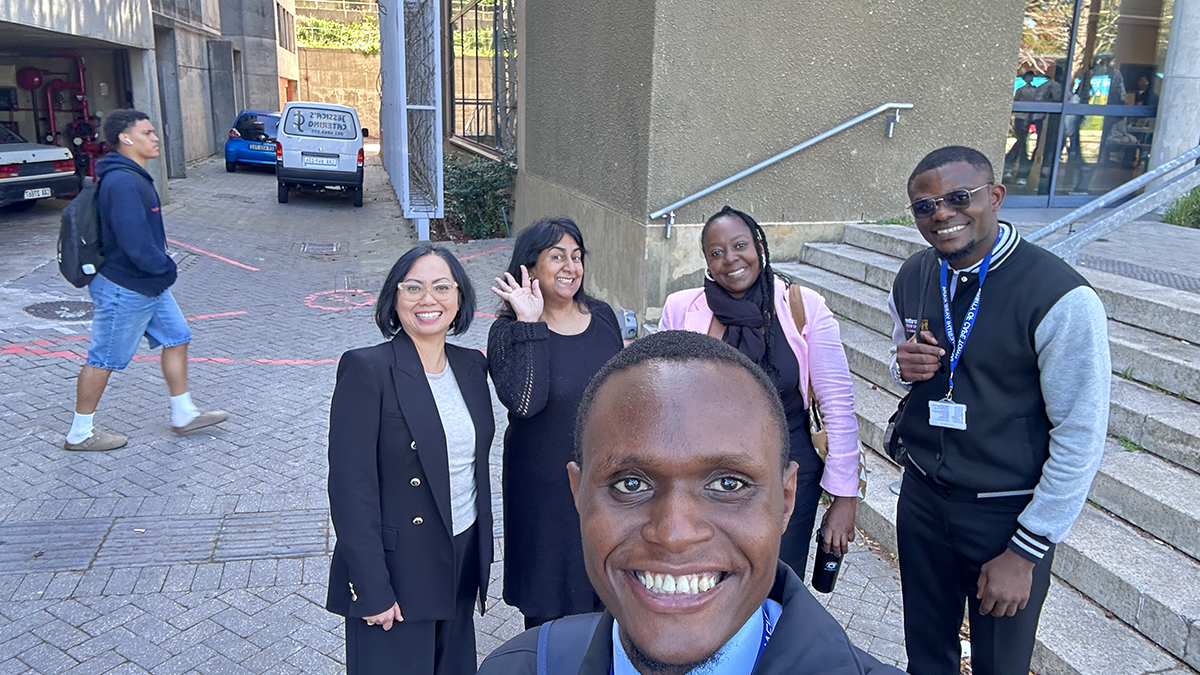
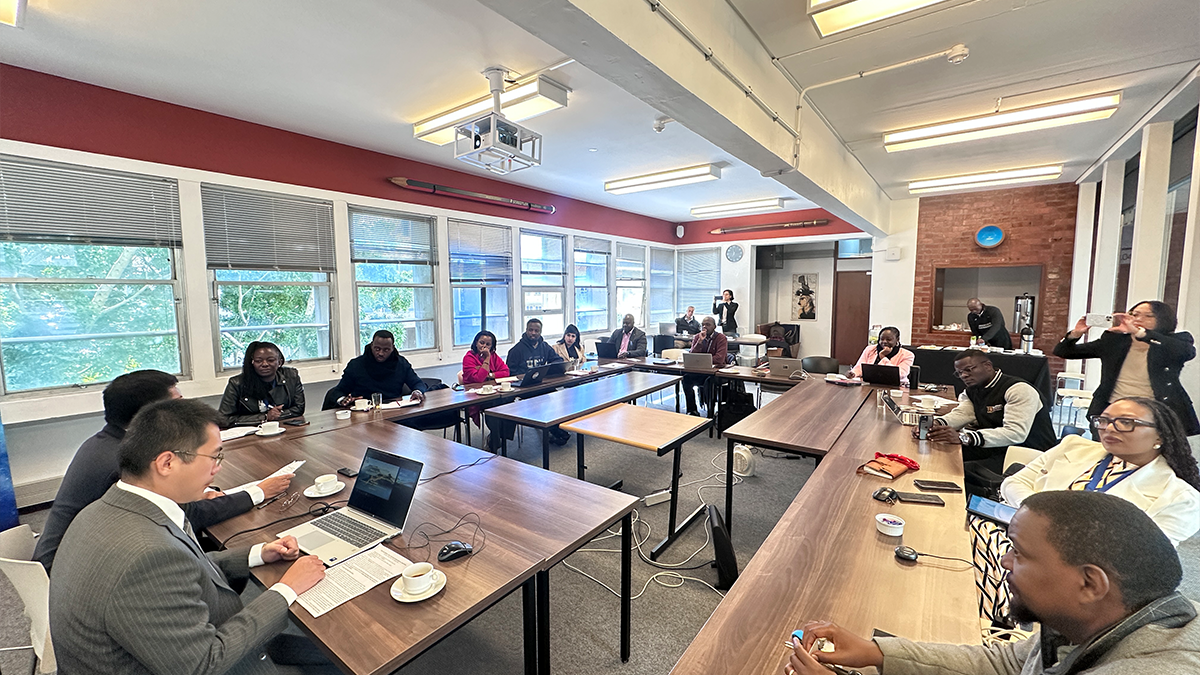
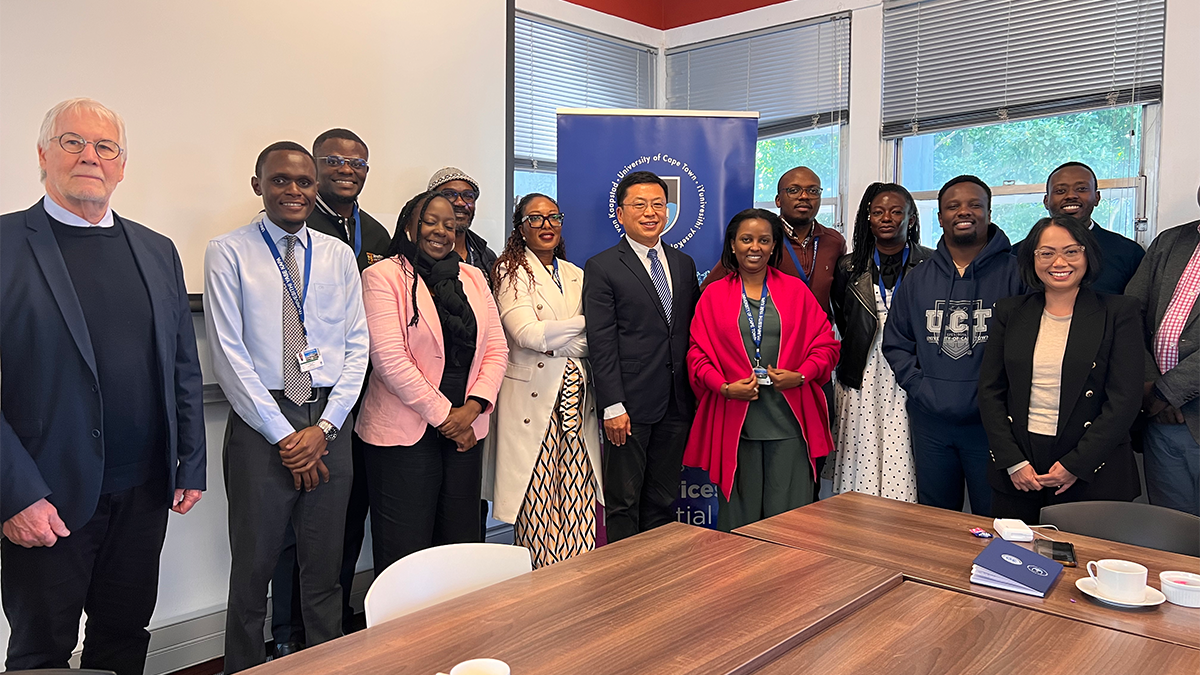
Between 24th and 28th August 2026, participants in the Public Policy and Leadership in Africa (PPLA) Programme visited the University of Cape Town (UCT) in South Africa for their International Module. The week-long sessions spanned a variety of topics ranging from policy, leadership, economics and design, all built around one question: what does effective public leadership in Africa require?
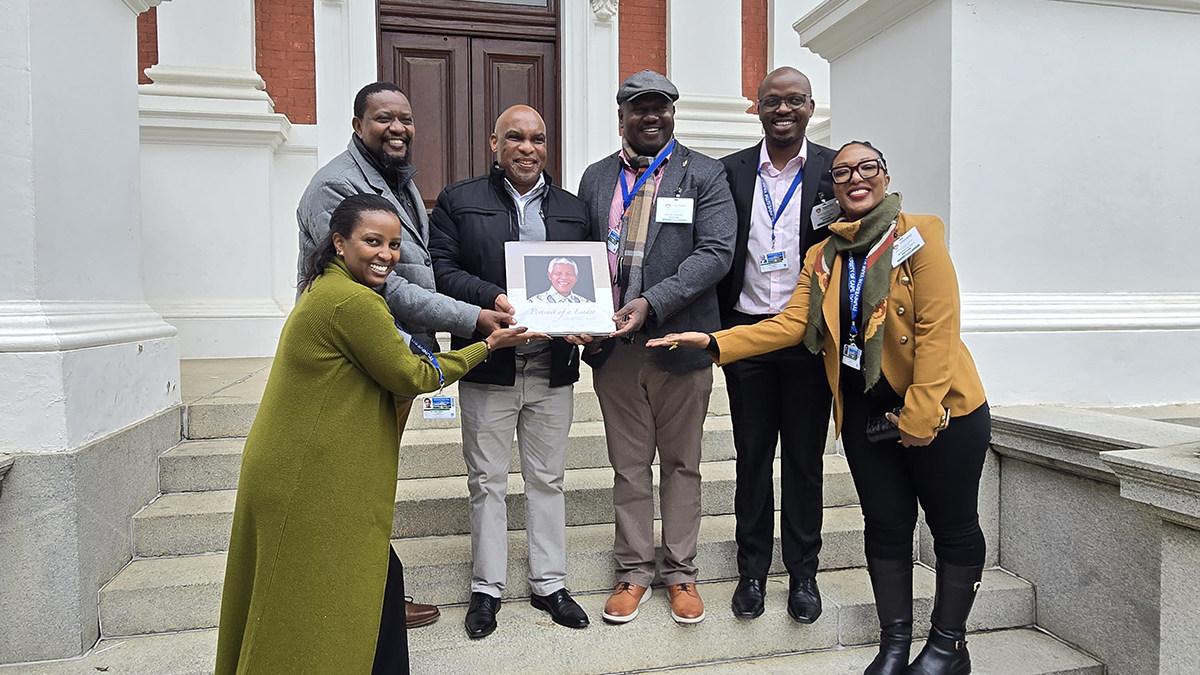
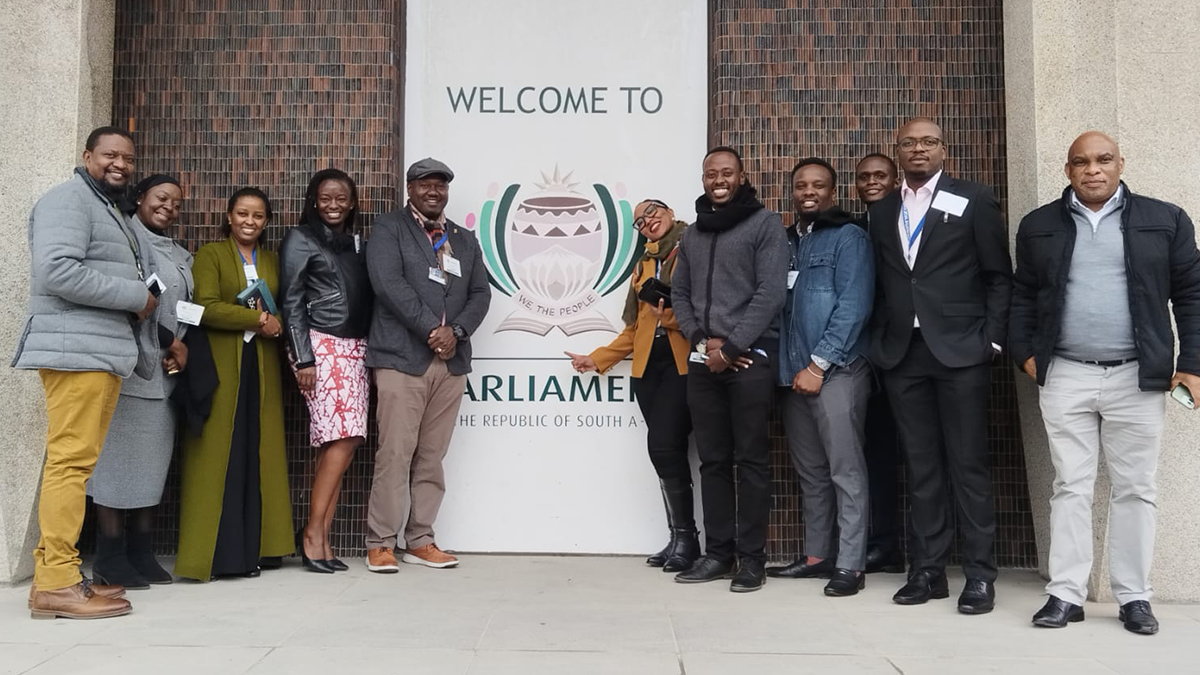
The first day of the module focused on South Africa’s legislative system, policy framework and the historical context shaping public policy. The sessions were led by Prof. Divine Fuh, Daniel Munene and Mandisi Tyumre and explored the relationship between policy, legislation and institutions and followed by a visit to the South African Parliament and National Council of Provinces (NCOP). The most striking moment came almost by accident: a copy of the 1933 Kenya Land Commission (Carter Commission) Report, found in the Parliament Library, providing a direct link between colonial-era land policy and Kenya’s institutional development today.
The activities and sessions from day one emphasized that effective public leadership requires understanding the historical foundations of policy decisions, and recognising their long-term, intergenerational consequences.
The focus then shifted to leadership, organisational change and economic development through the history and evolution of South Africa’s wine industry. Kate Wardle, Change Management and Business Psychologist, introduced the McKinsey 7S Framework, highlighting the importance of people, culture, shared values and context in achieving sustainable organisational change. The cohort then explored the wine value chain with Sommelier Spencer Fondaumiere, examining how value is created from cultivation and production through to distribution and international markets. The day closed with a visit to Villiera Wines, where participants saw People, Planet and Prosperity in action through the estate’s employee development, education and environmental sustainability initiatives.
At the end of the day, transformation requires strong local capabilities, context-sensitive leadership, value addition, and organisations that create shared value for people.
The final sessions explored Africa’s position in the global economy, its economic transformation, trade, and engagement with emerging global powers. The sessions with Dr Daniel Munene, Prof Divine Fuh and Dr Kamau Wairuri drew lessons from China, India, Japan and South Korea, highlighting the role of manufacturing, value addition, technology, domestic markets and human capital in driving transformation. The cohort also engaged Ren Faqiang, Consul General, on China–Africa relations, FOCAC and the Belt and Road Initiative, reflecting on how such partnerships can advance skills transfer, technology, employment, market access and local value addition. The day closed with a visit to the Cape Chamber of Commerce and Industry, exploring private-sector development, public–private engagement, and the opportunities and challenges presented by AfCFTA.
From these sessions, it was clear that Africa’s global influence will increasingly depend on its ability to build productive capacity, add value to its resources, and negotiate partnerships that advance long-term African prosperity.
Across the week, six lessons stood out for leadership in the public sector.
- Solve real problems, not just build more apps or programmes. It’s tempting to treat innovation as an end in itself, another platform, another pilot, another dashboard — but technology and process are only useful in service of a problem citizens experience.
- Read the environment through VUCA (Volatility, Uncertainty, Complexity, Ambiguity) and BANI (Brittle, Anxious, Non-linear, Incomprehensible): today’s public sector leaders are navigating systems that don’t behave predictably and naming that instability honestly is the first step to designing for it, rather than being blindsided by it.
- Centre people, processes and places in policy design, not systems for their own sake, a policy can be technically sound and still fail if it ignores how people actually live, work and make decisions within their communities.
- Use tools like the Double Diamond to properly discover and define a problem before jumping to solutions, resisting the instinct to design an answer before the question has been fully understood.
- Lead with empathy, active listening and curiosity, and be willing to have your assumptions challenged, the people closest to a problem are usually the ones with the clearest view of it, if leaders are willing to listen rather than assume.
- Treat cross-disciplinary and cross-institutional collaboration as a requirement, not a nice-to-have, since Africa’s most pressing public challenges rarely respect the neat boundaries between sectors, ministries or academic disciplines.
The Module closed at Design School Africa, using design thinking to tackle public-sector challenges the “Africa by Africa, for Africa” way.
Learn about the Public Policy and Leadership Programme in Africa here
Article by Juliet Hinga
Share This Story, Choose Your Platform!
Your journey to business excellence starts here. Subscribe today and be at the forefront of innovation and leadership.








 English (United States)
  English (UK)
  French