




The African Continental Free Trade Area (AfCFTA) is one of the most ambitious economic integration initiatives ever undertaken on the continent. Bringing together 54 African countries into a single market of more than 1.4 billion people, the agreement seeks to accelerate intra-African trade, industrialisation, and sustainable economic growth by reducing trade barriers and enabling a smoother flow of goods and services across borders. For countries such as Kenya, AfCFTA presents a significant opportunity to expand exports, strengthen regional value chains, and position local enterprises to compete more effectively within the African market.
Yet while the promise of AfCFTA is considerable, market access cannot be secured solely through tariff reductions. Increasingly, competitiveness depends on whether businesses can meet product quality requirements, comply with sanitary and phytosanitary standards, and navigate certification systems that determine access to regional and international markets. As Africa moves from signing agreements to implementation, the conversation is shifting from policy ambition to practical readiness, ensuring that producers, institutions, and enterprises are equipped to trade successfully.
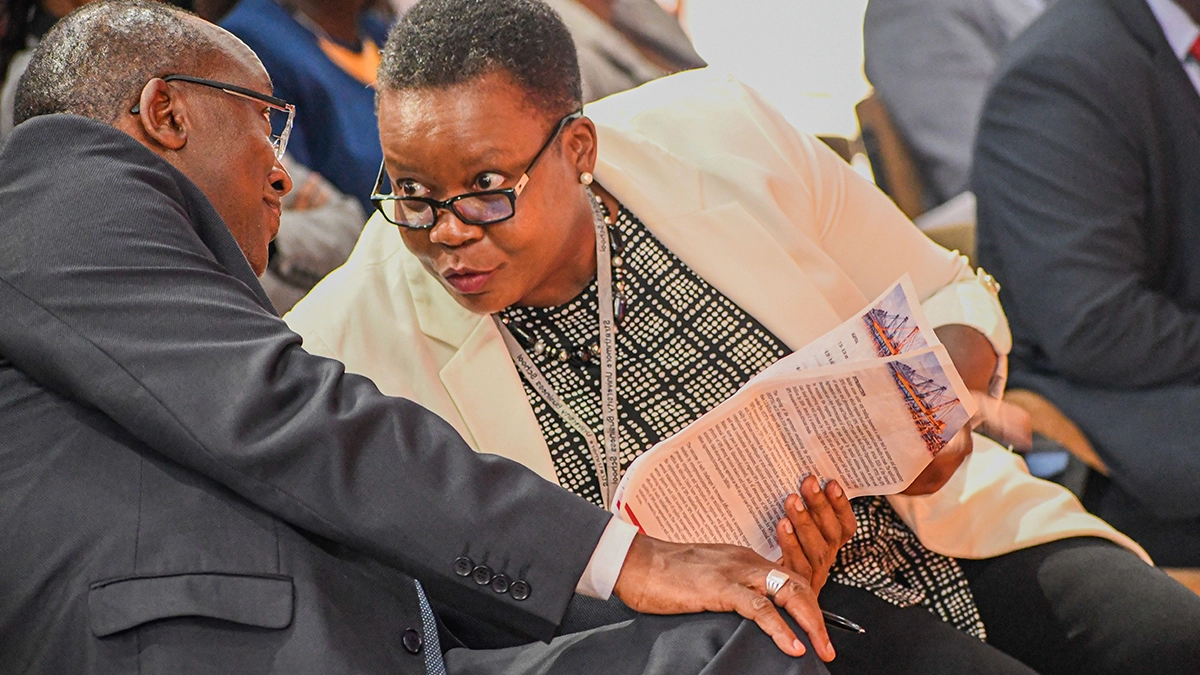
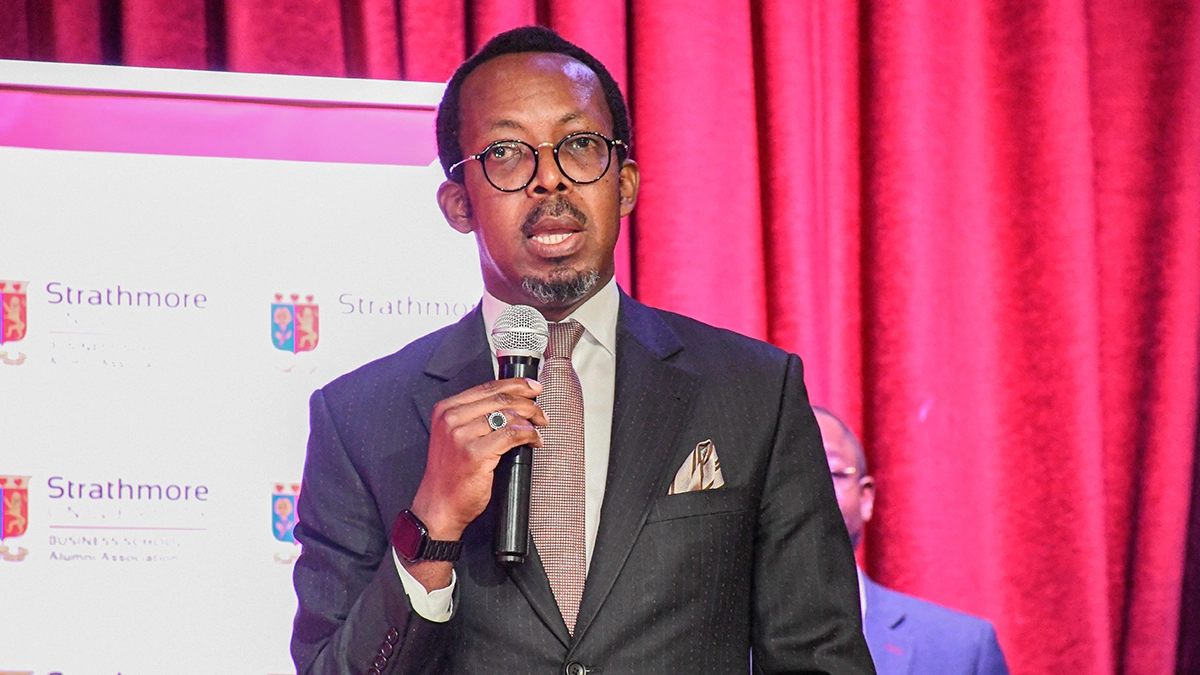
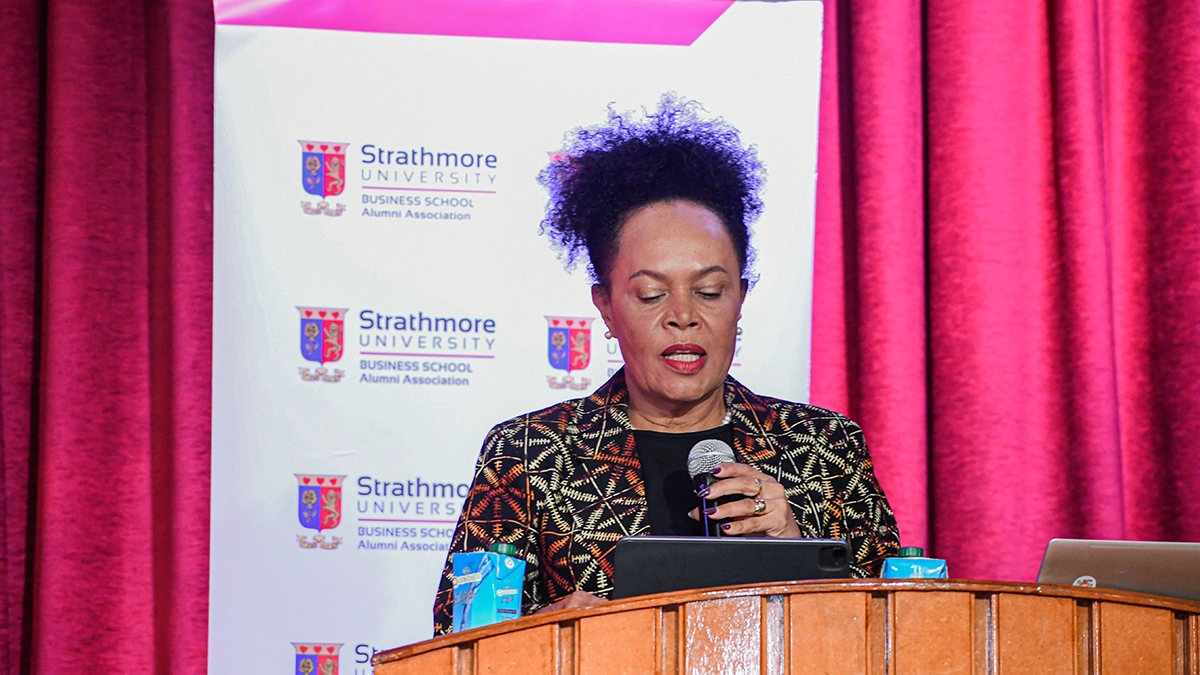
It is against this backdrop that Strathmore University Business School (SBS) convened stakeholders from government, academia, and industry on 18th March to explore how Kenya can leverage the AfCFTA to improve market access by strengthening product standards and quality systems. What emerged from the session was not merely a policy discussion, but a deeper reflection on the links between trade, dignity, and the future of the African continent.
From the outset, speakers emphasised that trade is not simply about transactions, it is about transformation. At its core, AfCFTA is about creating jobs, restoring dignity, and generating opportunities at home so that the aspirations of Africa’s young people can be realised within their own countries rather than abroad. The message was clear: Africa’s prosperity will depend on stronger partnerships between governments and businesses, built on transparency, trust, and shared purpose.
Despite progress in regional integration, intra-African trade remains relatively low compared to other parts of the world. This underscores the urgent need to strengthen systems, build expertise, and align policy frameworks across borders. Initiatives such as the upcoming Trade and Investment Executive Programme reflect an important shift from dialogue to action by equipping practitioners and young professionals with the knowledge and tools required to navigate trade opportunities across Africa.
At the same time, the session highlighted that the true challenge of market access extends far beyond trade agreements and tariffs. In practice, success in trade often depends less on policy instruments and more on standards.
Sanitary and phytosanitary (SPS) measures, though often invisible to the average trader, are critical determinants of whether products can move across borders. Grounded in science, these measures protect human, animal, and plant life. Whether ensuring that exported avocados are free from fruit flies or that seeds are suitable for specific agroecological environments, compliance is both highly technical and absolutely essential.
However, several barriers continue to hinder progress. Limited laboratory capacity, complex certification procedures, and low awareness among small and medium enterprises (SMEs) remain significant obstacles. For many businesses, particularly smaller enterprises, compliance processes can appear costly, inaccessible, or difficult to navigate.
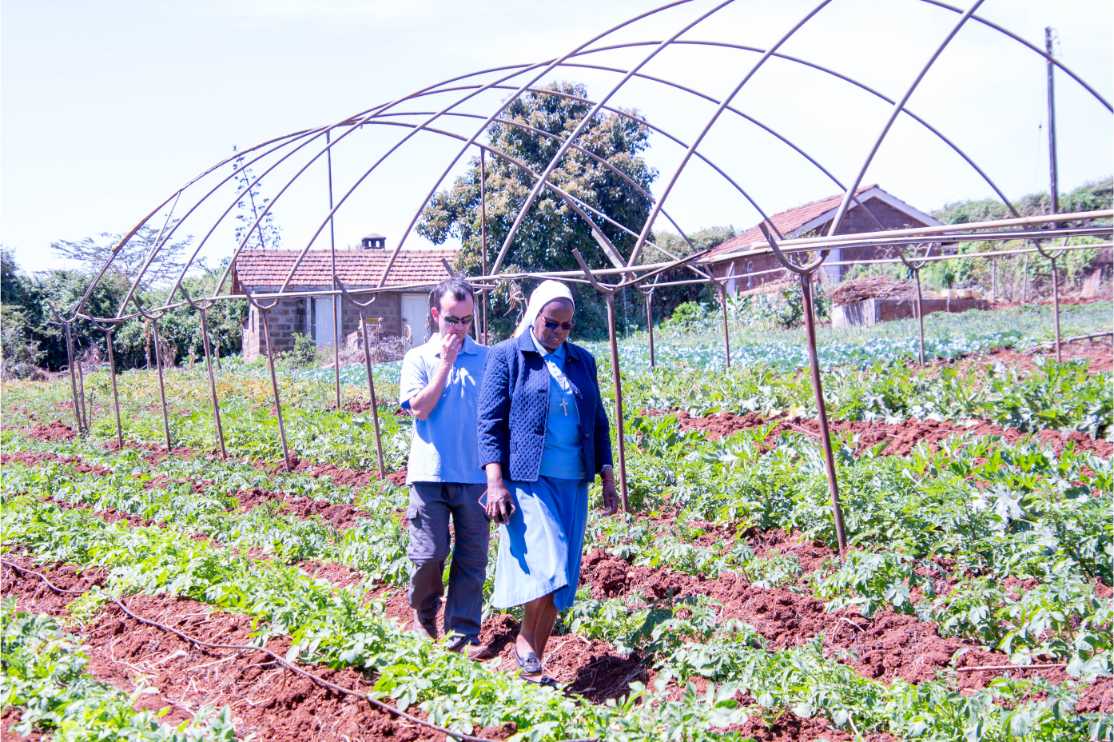
Even so, Kenya is well positioned to benefit from the opportunities AfCFTA presents. With a strong agricultural base spanning tea, coffee, horticulture, and fresh produce, the country has the potential to expand its footprint in regional markets. Realising this potential, however, will require stronger quality systems that can address existing gaps while enabling producers to compete confidently across the continent.
At the continental level, standards harmonisation was identified as a key enabler of trade. The African Organisation for Standardisation (ARSO), headquartered in Nairobi, continues to champion efforts to harmonise standards across Africa. Its vision is both simple and powerful: one standard, one test, one certificate accepted everywhere. If achieved, this would significantly reduce non-tariff barriers and make the movement of goods across the continent faster, easier, and more affordable.
A recurring theme throughout the deliberations was the persistent gap between policy and implementation. While AfCFTA, the African Continental Quality Policy, and other SPS agreements provide a strong foundation, their success will ultimately depend on action at national and local levels. Without robust quality infrastructure, coherent policies, and capable institutions, even the most well-designed agreements may fall short of their promise.
From an industry perspective, competitiveness and compliance costs also featured prominently. For businesses, especially SMEs, regulatory requirements can become a growing burden, acting as barriers rather than enablers of trade. Combined with high production costs, these pressures risk positioning Kenya as a consumer rather than a producer within the continental market.
What became unmistakably clear from the dialogue is that trade under AfCFTA is not automatic; it must be deliberately built. It requires sustained investment in standards, systems, and skills. It demands closer collaboration between governments and businesses. Above all, it calls for a shared commitment to ensuring that African products do not merely enter markets but compete and succeed within them.
In choosing to “go far together,” as one speaker aptly observed, Kenya and Africa as a whole, has an opportunity to transform AfCFTA from a policy framework into a lived reality. The journey may be complex, but with the right foundations in place, it holds the promise of a more integrated, more competitive, and more prosperous future for the continent.
About the Trade & Investment Executive Programme
Designed for public sector leaders, policymakers, trade practitioners, and private sector stakeholders, the Trade & Investment Executive Programme equips participants with the skills to navigate Kenya’s evolving trade and investment landscape under devolution while responding to opportunities presented by regional and global frameworks such as the EAC, COMESA, and AfCFTA.
Through a practical, case-based approach, participants gain insights into governance, value chain competitiveness, investment promotion, and policy implementation, enabling them to unlock county-level opportunities, strengthen institutional coordination, and drive inclusive economic growth. It positions leaders not only to understand trade policy but to translate it into measurable impact for businesses, communities, and the wider economy.
The November 2026 intake for this Programme is ongoing. Learn more here
Article by Juliet Hinga and Miriam Wafula
Share This Story, Choose Your Platform!
Your journey to business excellence starts here. Subscribe today and be at the forefront of innovation and leadership.







 English (United States)
  English (UK)
  French