

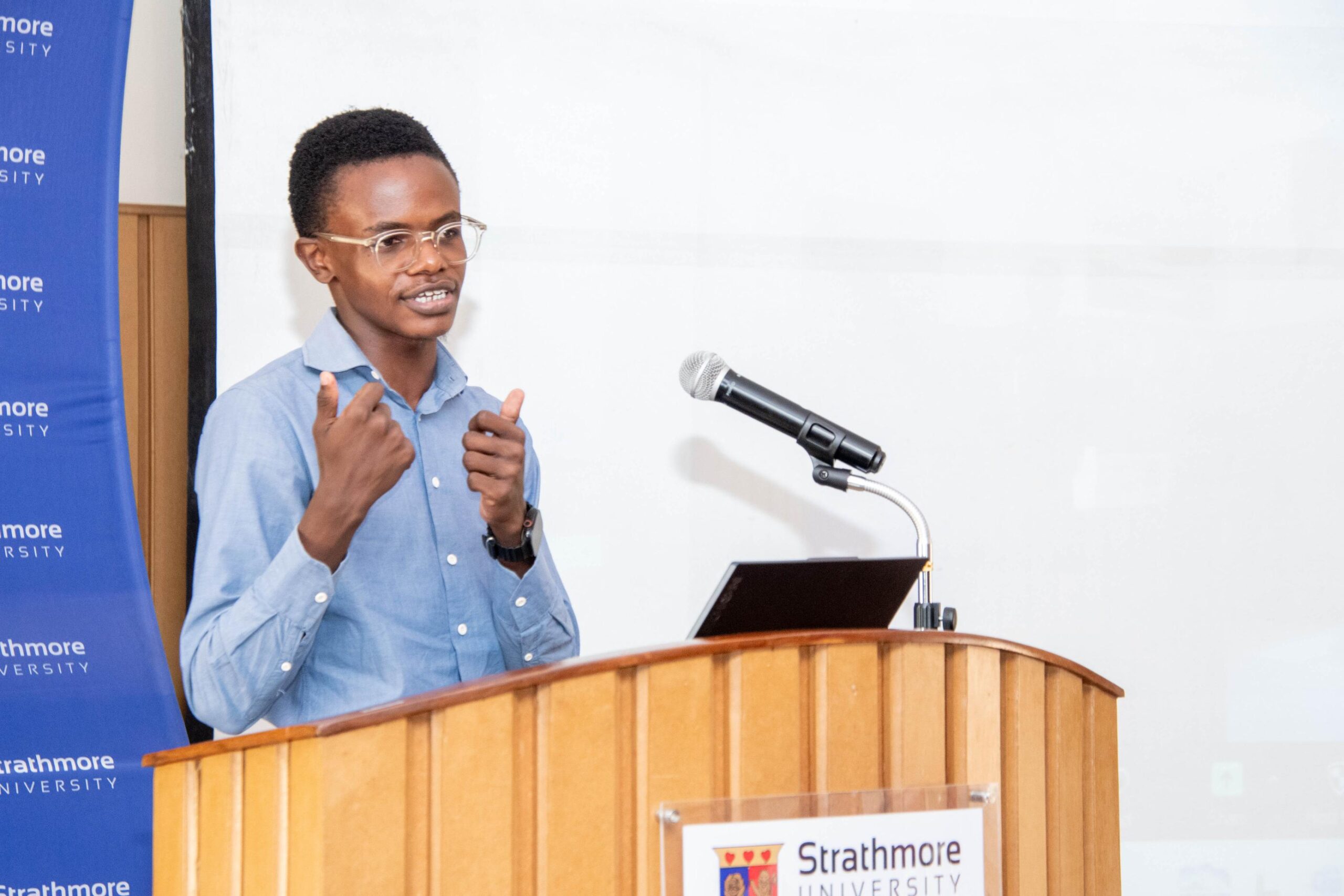
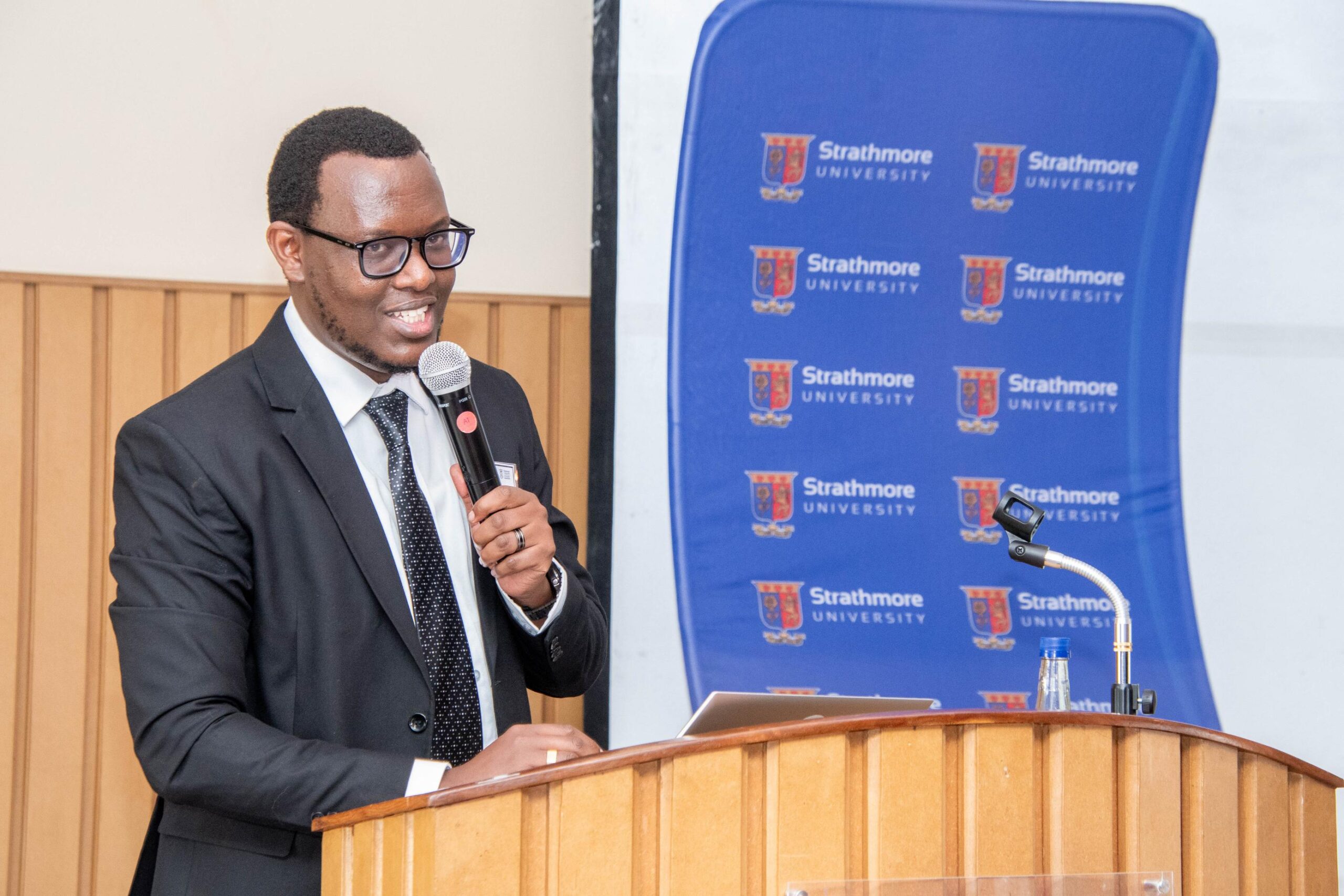
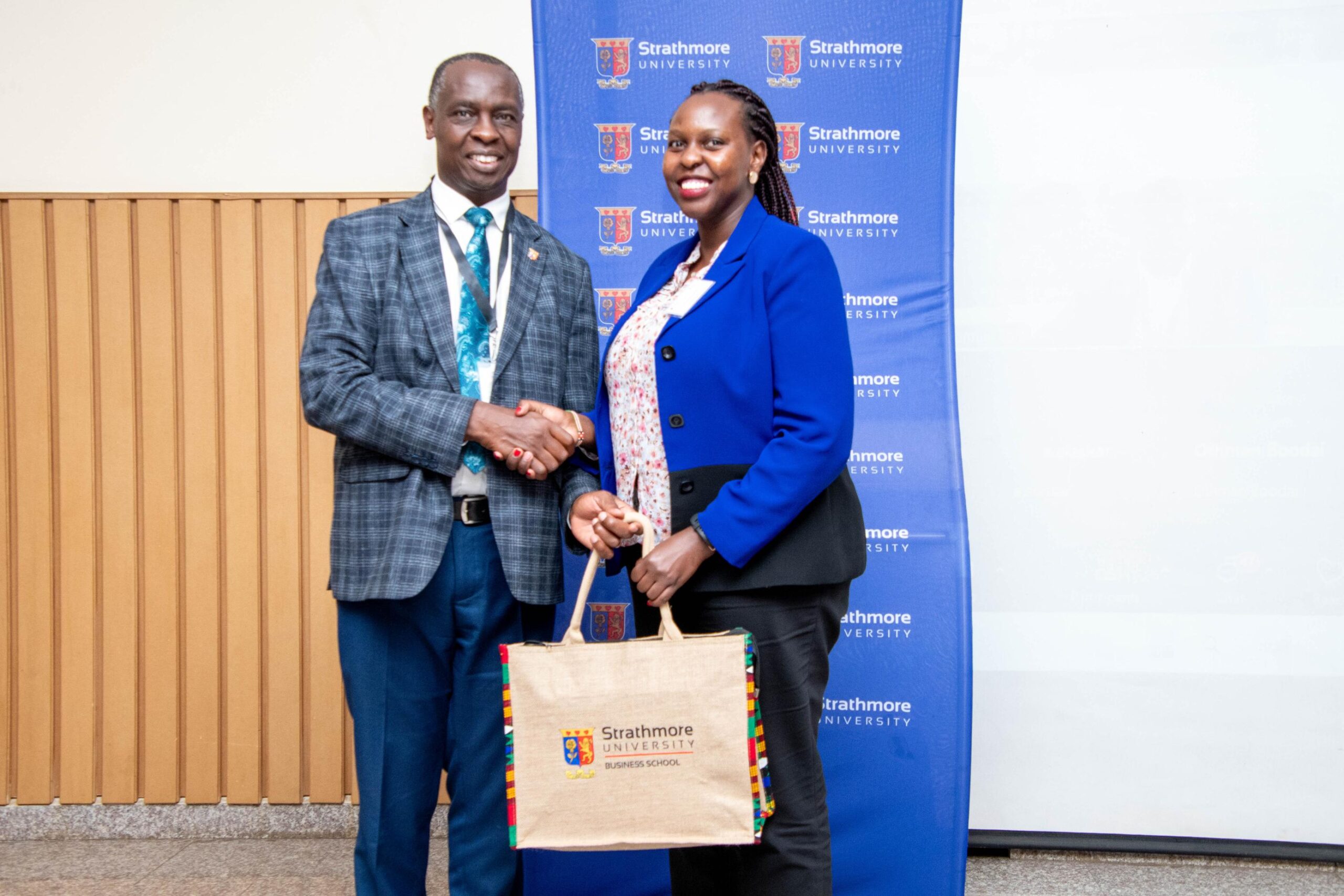
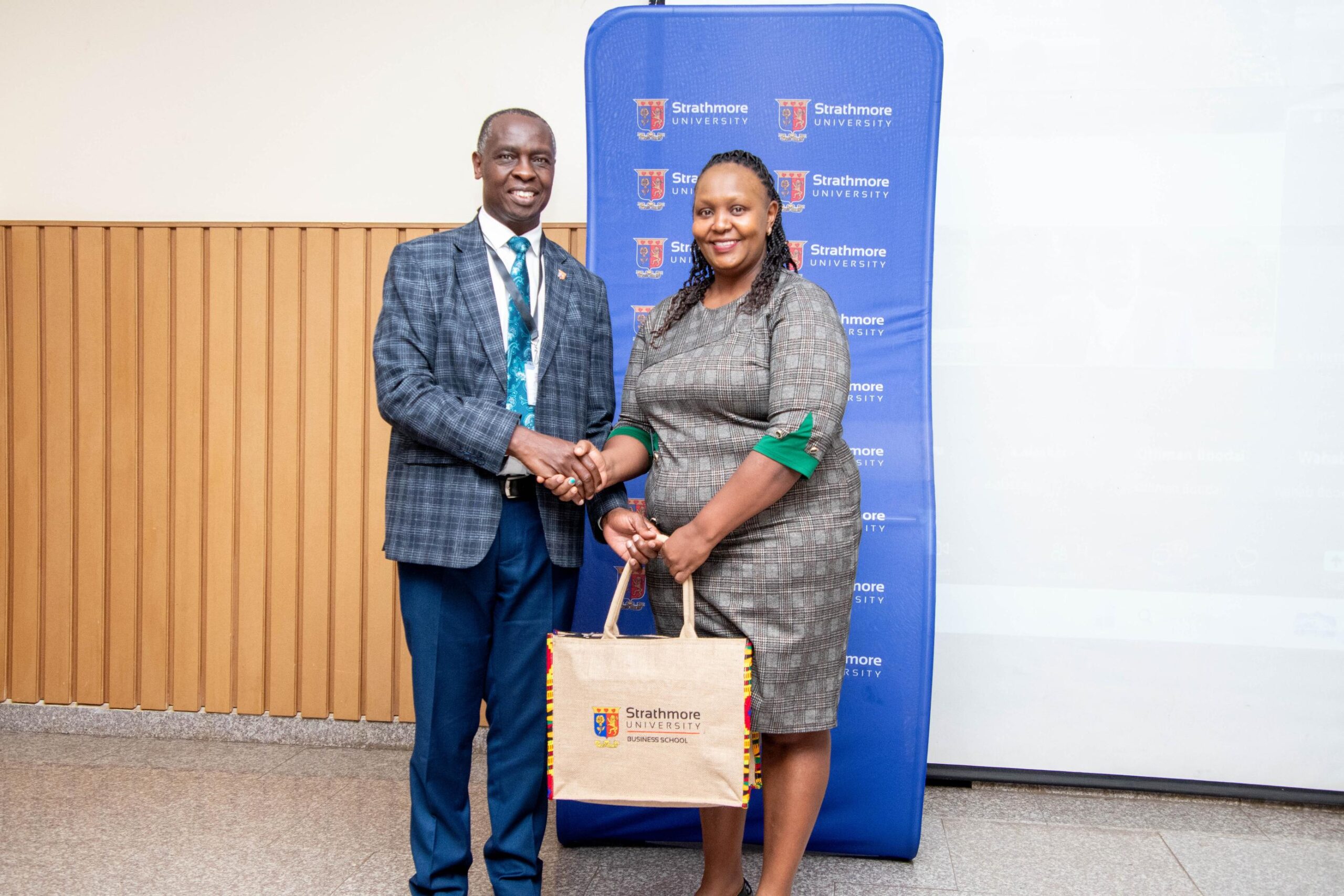

On Monday, March 17, 2025, Strathmore University Business School, in collaboration with Swansea University (Wales), hosted a Hybrid Stakeholder Workshop under the theme “Fostering Sustainable Entrepreneurial Universities for Future Talent Development.” The workshop responded to the pressing need for universities to become engines of innovation, entrepreneurship, and socio-economic transformation. As higher education institutions increasingly face the challenge of bridging academic research with market-ready solutions, this event provided a platform for academia, industry, policymakers and government to come together and chart a collaborative path forward. partnership within these two institutions aimed to support Kenya’s strategic national priorities in innovation, economic development, and entrepreneurship by improving the process and outcomes of commercializing economically viable research and development (R&D) in collaboration with relevant stakeholders.
In attendance was Professor David Pickernell, Professor of Small Business and Enterprise Development Policy at Swansea University, who emphasized the transformative power of global-local collaboration in building entrepreneurial universities. He urged Kenyan universities to adopt sustainability frameworks like successful models seen in the UK, such as student-led solar projects on green campuses. Professor Pickernell further highlighted the importance of increasing university financing dedicated to entrepreneurship initiatives and expanding mentorship programs for students. He also stressed that building strong networks and collaborative ecosystems between academia, industry, and policy is essential for driving innovation and ensuring universities contribute meaningfully to socio-economic growth.
A presentation by Dr. Tonny Omwansa, CEO of Kenya National Innovation Agency (KeNIA), focused on Kenya’s Entrepreneurial Institution Maturity Framework, a tool designed to guide universities in their transformation from traditional teaching institutions into centers of innovation and entrepreneurship. Dr. Omwansa explained that the framework evaluates universities on a five-tier scale across seven key performance areas, including infrastructure, fundraising, leadership, and industry linkages. He noted with concern that only 14 Kenyan universities have attained Level 2 entrepreneurial infrastructure, highlighting the need for systemic reforms to bridge the commercialization gap and strengthen the role of universities in driving national innovation and economic development.
A case study presented by Swansea University showcased the success of its Experts in Residence (EiR) program, a model that has been instrumental in bridging the gap between academia and industry. Through this program, experienced business leaders and professionals collaborate directly with universities to co-design curricula, mentor students, and advise on startup strategies. As highlighted by Professor Pickernell, Swansea currently works with 11 EiRs across various industries, emphasizing that these experts are more than advisors — they serve as vital connectors aligning academic work with practical market needs.
Complementing this was a case study from Jomo Kenyatta University of Agriculture and Technology (JKUAT), presented by Dr. Lawrence Nderu, founder of JHUB Africa. He demonstrated how university-industry partnerships in Kenya are yielding impactful results through projects like Mavuno Market, which directly links farmers to buyers, and GeoPasture, leveraging GIS technology to address challenges faced by pastoralist communities. Dr. Nderu highlighted that for research to have global relevance, it must tackle local challenges, and these initiatives serve as strong examples of applied innovation responding to real community needs.
Strathmore University has positioned entrepreneurship as a key pillar of its research and innovation strategy, consistently fostering a culture of practical, solution-oriented learning. During the workshop, Prof. Ruth Kiraka, Associate Professor of Management (Strategy and Entrepreneurship) at Strathmore University, highlighted the university’s proactive role in building entrepreneurial leadership among students. She shared how Strathmore has developed Practical Entrepreneurship courses, designed to equip students with innovative thinking and problem-solving skills. Additionally, the university organizes student market days, providing a platform for students to showcase their business ideas and engage with potential customers and investors.Further demonstrating this commitment, the university’s @iBizAfrica Incubation Centre plays a critical role in supporting startups through mentorship, training, and coaching.
A standout success story shared at the workshop was that of Mr. Maxwell Opondo, a Strathmore student and founder of Zerobionic, who showcased how his robotics innovation is transforming the lives of people living with disabilities. His journey is a testament to how structured institutional support, combined with mentorship and access to entrepreneurial resources, can enable students to create real-world, impactful solutions.
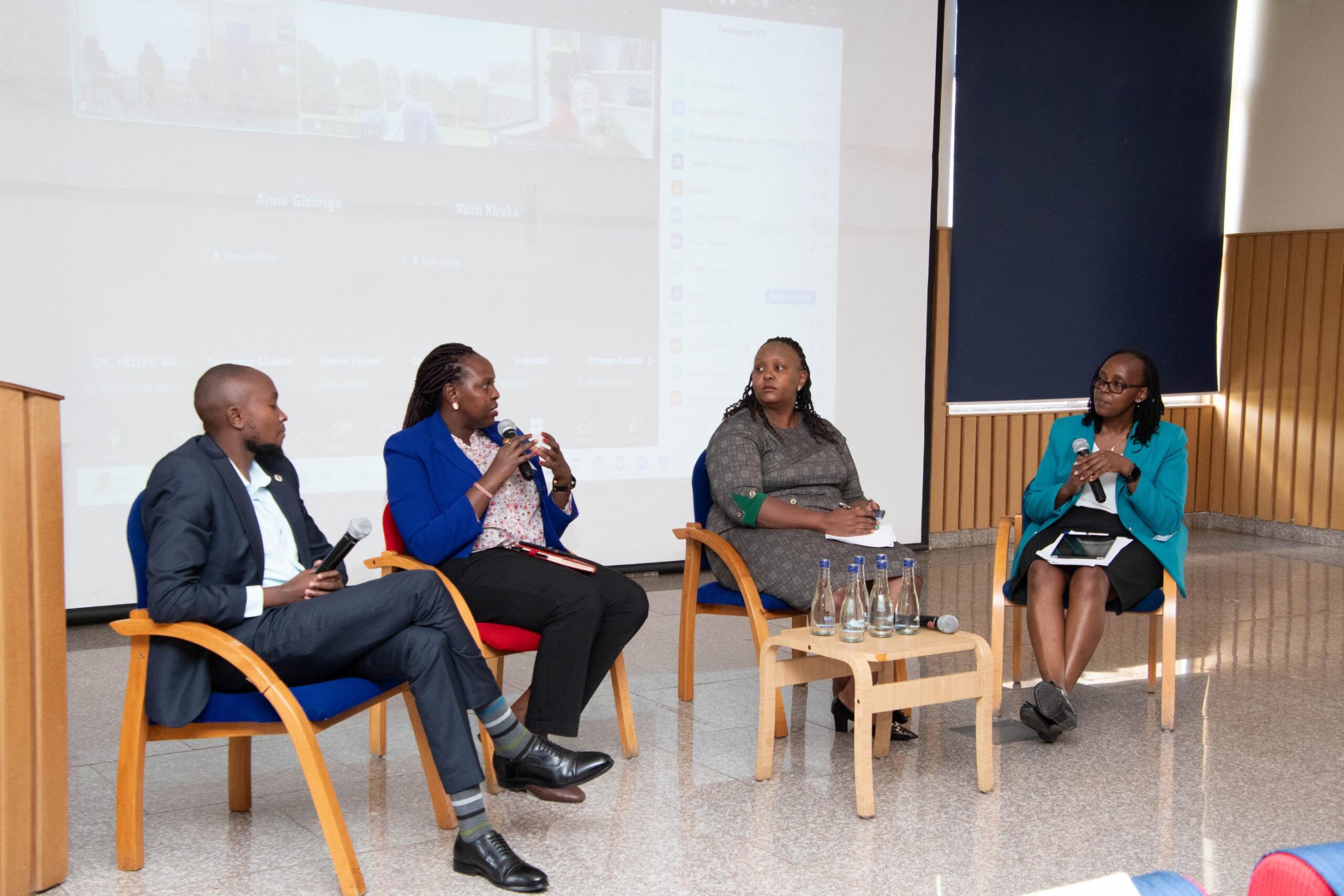
A panel discussion, featuring experts from academia, policy, and industry, provided deep insights into the role of collaboration in fostering entrepreneurship within universities. The panelists unanimously emphasized the importance of strong linkages across these sectors, stressing that better policies must be developed to support entrepreneurship in higher education and ensure students gain practical, industry-relevant skills. A key takeaway from the discussion was the need for universities to position themselves closer to industry spaces, facilitating stronger engagement, knowledge exchange, and real-world application of academic research. The panelists also explored challenges hindering innovation, including unclear policy frameworks and cultural barriers within academic institutions. They highlighted that solutions must be context-specific, acknowledging that different regions and institutions require tailored approaches to fostering entrepreneurship.
This hybrid workshop demonstrated the transformative role universities can play in advancing sustainable entrepreneurial ecosystems. By fostering meaningful collaborations with industry and government, universities can shape future entrepreneurial leaders, drive economic development, and ensure innovation and sustainability remain central to higher education objectives. The discussions and insights from this event mark the beginning of a transformative journey in redefining the role of universities in Kenya and beyond.
Article by Morris Kateti, Phylis Korir and William Murithi
Share This Story, Choose Your Platform!
Your journey to business excellence starts here. Subscribe today and be at the forefront of innovation and leadership.







 English (United States)
  English (UK)
  French