


In the lush green valleys of Ndanda, Tanzania, where morning mists sweep over sunlit hills, the Benedictine Sisters of the Blessed Virgin Mary, Helper of Christ, are cultivating more than just crops and livestock—they are sowing seeds of hope and resilience. Led by Sister Diana Milanzi, the Sisters are redefining social enterprise, bringing faith and opportunity to a community often overlooked.
Sister Diana joined the Sisters Blended Value Project (SBVP) in 2022, which has since reshaped her congregation’s work trajectory. Established in 1946 by the late Bishop Joachim Amani, the Benedictine Sisters have long been dedicated to education and community service. But through SBVP, the sisters who participated have infused their mission with a fresh entrepreneurial spirit, transforming Naroli Farm from a modest, traditionally-run enterprise into a beacon of social impact.
“Our goal is to bring Christ to the people,” Sister Diana says. “We teach religion in schools, educate children and mothers. But beyond that, we are here to help, to empower.”
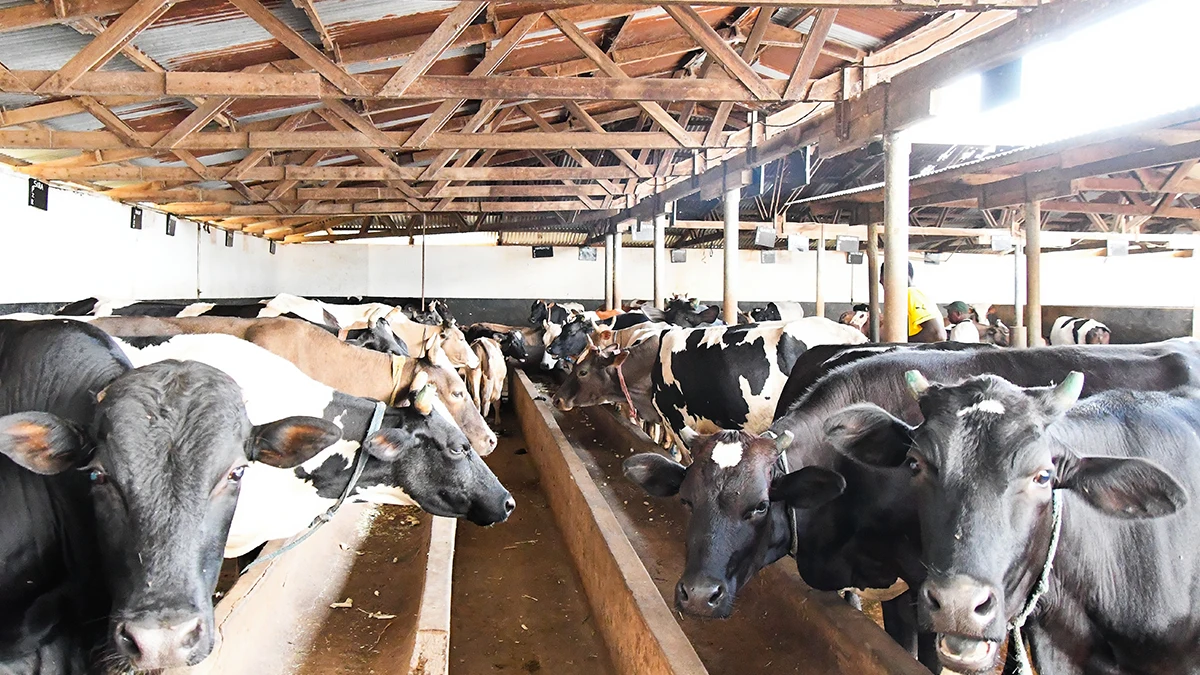
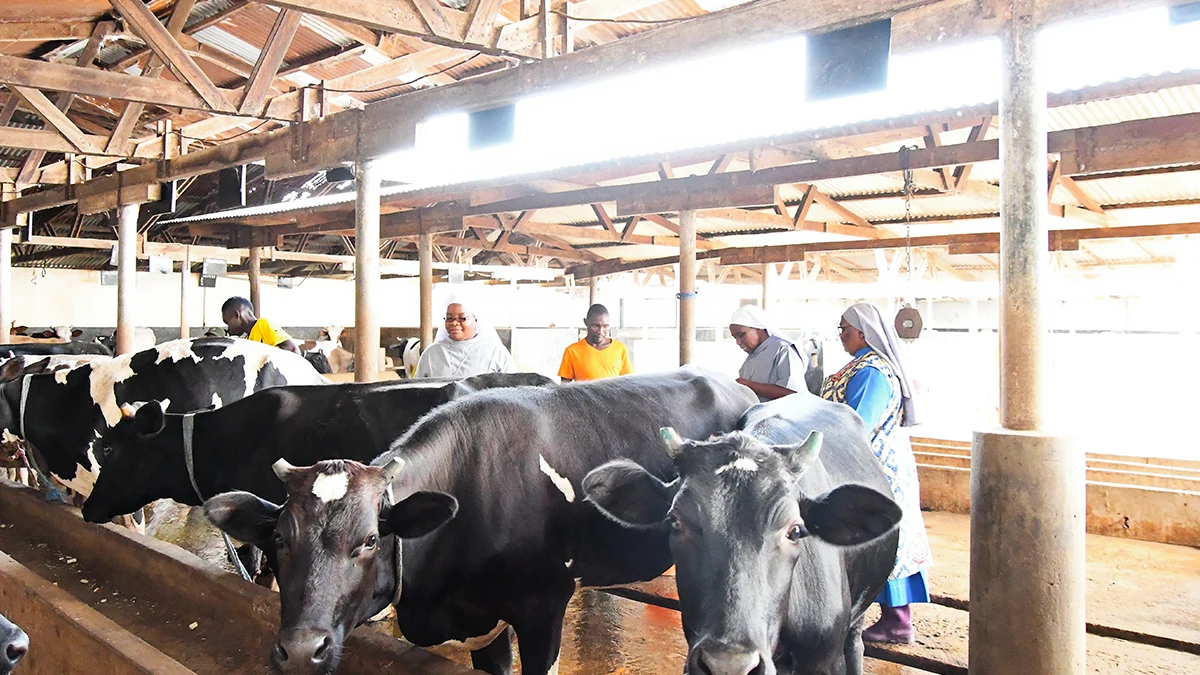
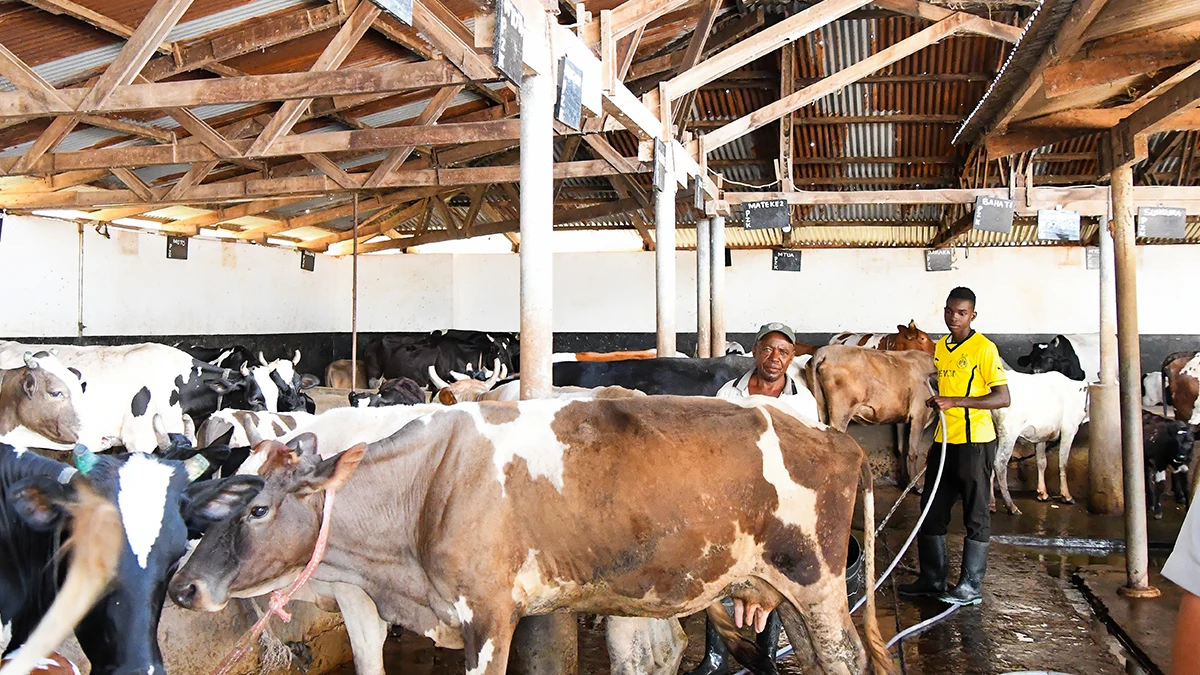
The farm is not only a place where the sisters get daily produce such as milk and meat to sustain themselves but also a hub of community engagement. Uneducated young people are employed to herd cattle, while chosen elderly and disabled members of the community receive free fresh milk. In a region where food security is often uncertain, Naroli Farm offers stability and nourishment.
“Before SBVP, we were producing only 60 liters of milk per day,” Sister Diana recalls. “Now, with improved techniques and tools, we’re producing up to 80 liters daily.” This increase is not merely a statistic—it represents the growth of a community that now depends on Naroli Farm for employment and affordable, nutritious products.
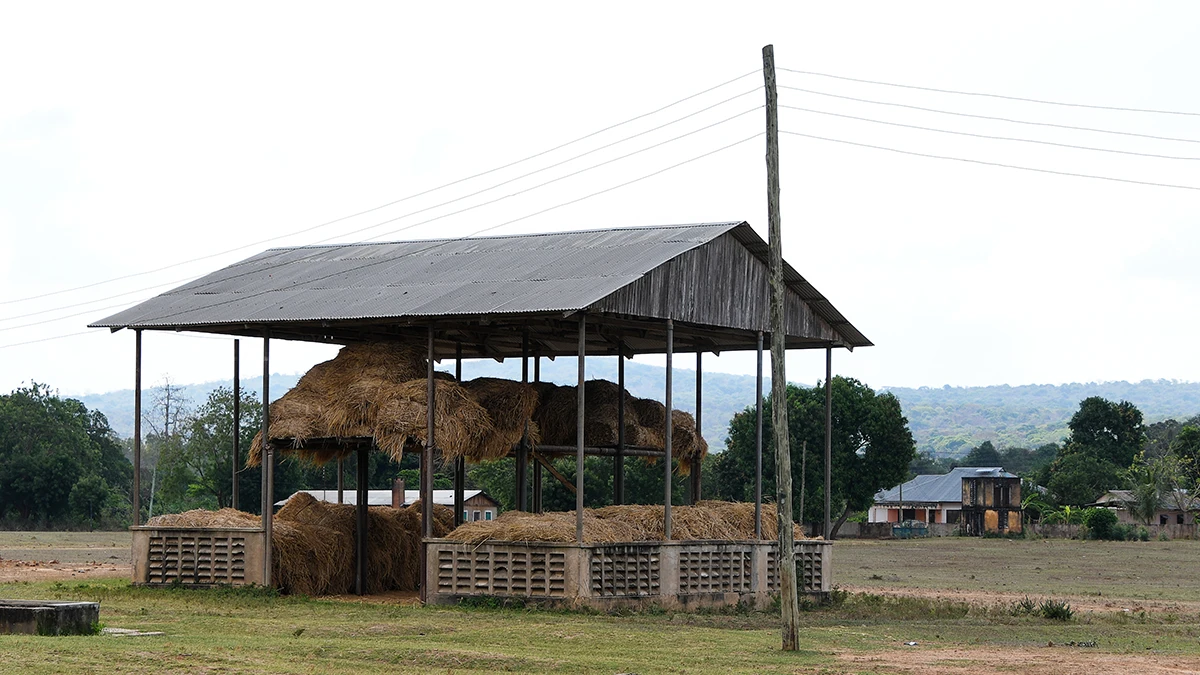
The farm’s transformation began with a modest seed grant from the SBVP, which the congregation used to purchase a motorized tricycle and a grass-cutting machine. The tricycle allows the team to collect and transport grass for the cattle efficiently, reducing travel time and ensuring the animals receive food promptly. These innovations might seem small, but for Sister Diana and the Benedictine Sisters, they represent a leap forward in productivity and professionalism. “We used to cut grass by hand, taking hours each day,” she explains. “Now, with the new equipment, we save time, and our animals are healthier because they eat regularly.”
The changes at Naroli Farm have also opened doors for more workers. Today, they have 16 employees, from the previous 14 workers, each earninga stable income that allows them to support their families, build homes, and even send their children to school. “It is more than just a job,” Sister Diana says with pride. “These young people are building futures.”
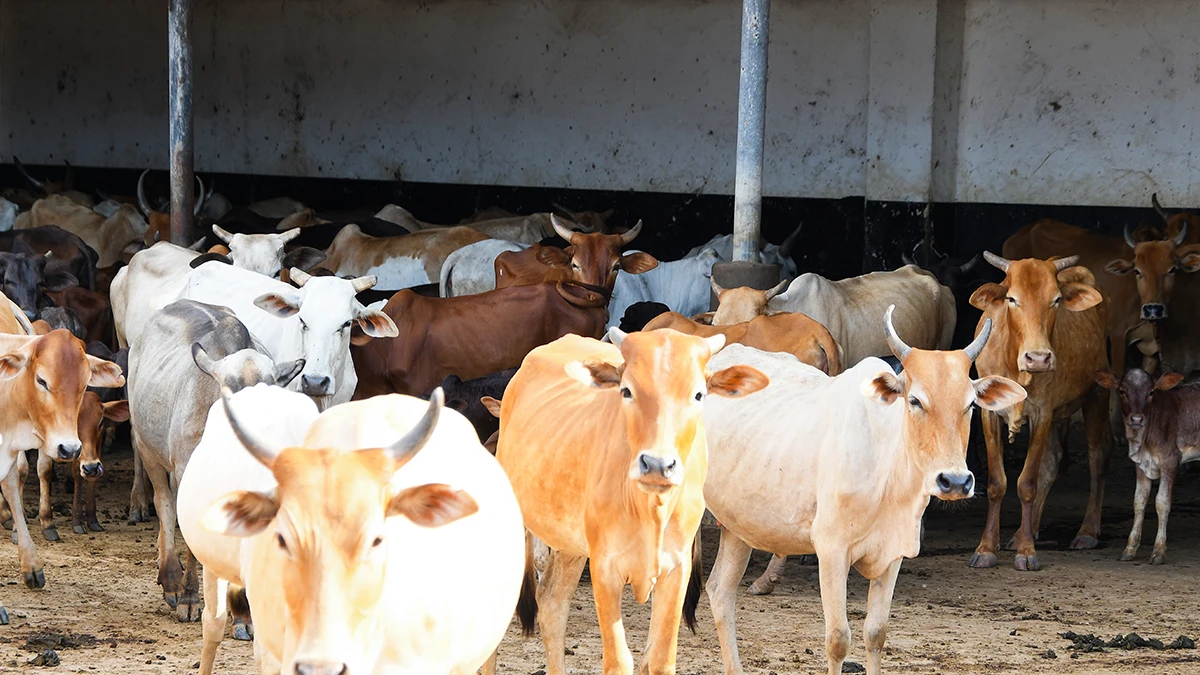
Sister Victoria Mianda, another member of the congregation, shares Sister Diana’s vision for expansion. “Our dream is to double the number of cattle we have,” she says, her eyes bright with ambition. “And we’re not stopping at milk. We aim to enhance our products by adding value to them, e.g. by producing and packaging yogurt, thereby creating a new offering for our community.
But the path to growth is not without its challenges. Many of the young workers have little or no formal education, which sometimes leads to misunderstandings and frustrations. Animal diseases and food scarcity during the dry season pose additional hurdles. But for Sister Diana and Sister Victoria, these obstacles are merely opportunities to learn, adapt, and strengthen their resolve.
The Sisters are also addressing these challenges with new skills and strategies they learned through SBVP. From market research to bookkeeping, they are using their training to operate Naroli Farm with the precision and foresight of a modern business. The results speak for themselves: their monthly income has doubled, enabling them to reinvest in equipment, cover operational costs, and support the surrounding community. “Our congregation no longer needs to buy milk or meat from outside sources,” Sister Diana notes. “We are self-sustaining, and we share what we have with the people around us. The community comes to us for milk, and they even use cow manure from our farm to fertilize their crops.”
Naroli Farm, once a simple agricultural project, has become a vital pillar of the community, supporting not only the sisters but also the people who live in the Ndanda area. The Sisters dream of a future where their farm produces not only milk and meat but also yogurt and other dairy products, creating sustainable income streams for years to come.
As Sister Diana and Sister Victoria reflect on their journey, they are quick to acknowledge the role the Conrad N. Hilton Foundation, Strathmore University Business School (SBS), and the Association of the Consecrated Women of Eastern and Central Africa (ACWECA) have played. “The training, the funding, the guidance—it has changed everything for us,” Sister Diana says. “We are grateful, and we are ready to give back.”
Share This Story, Choose Your Platform!
Your journey to business excellence starts here. Subscribe today and be at the forefront of innovation and leadership.


Conrad N. Hilton Foundation
The Conrad N. Hilton Foundation foresees a world in which improving the human condition is a shared and sustainable goal. “Love one another, for that is the whole law,” Conrad Hilton wrote in his will. The peoples of the world “deserve to be loved and encouraged—never to be abandoned to wander alone in poverty and darkness.” That is our resolve.







 English (United States)
  English (UK)
  French