


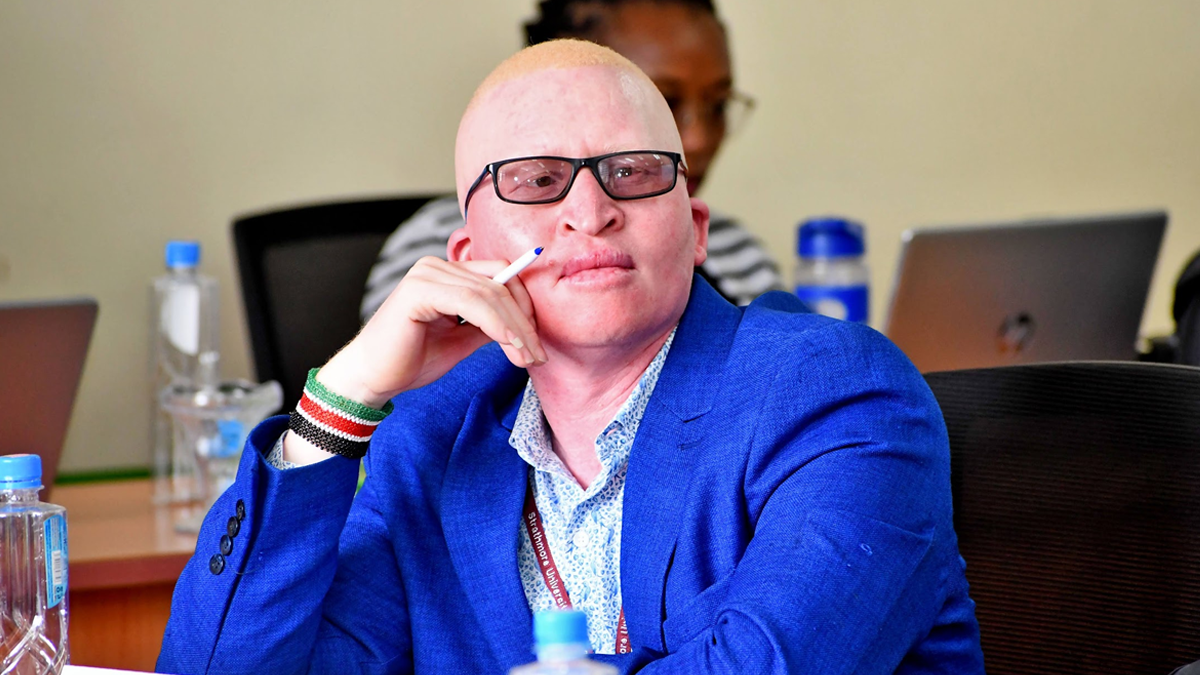
The MSMEs sector in Kenya contributes to approximately 34 per cent of the country’s Gross Domestic Product (GDP) and employs over 15 million people, according to statistics from the Kenya National Bureau of Statistics (KEBS) for 2021. The sector is a major source of employment, innovation and entrepreneurship, actively contributing to poverty alleviation, income generation and the overall improvement of living standards.
Although the government is constantly empowering entrepreneurs, there is still a need for continued support of the sector, seeing the critical role it plays in economic development. Moreover, there is a need for increased advocacy for entrepreneurship with inclusion. Entrepreneurship with inclusion means creating an environment in which individuals from special interests groups such as women, youth, persons with disabilities (PWDs) and persons from other marginalized groups are given equal opportunities to participate and succeed in the entrepreneurial world. Inclusion means recognizing and valuing diversity, including disability, and creating a culture of acceptance, accessibility and support.
For persons with disabilities, entrepreneurship with inclusion means that they are not limited by their disability and have access to the same opportunities and resources as other entrepreneurs. It means that they are not discriminated against and that their unique perspectives and talents are valued and celebrated. Further, it means that there are provisions for accommodations and stive technologies that help PWDs overcome barriers and participate fully in the entrepreneurial process. Creation of a supportive network of mentors, peers and investors who can provide guidance, advice and resources to help them succeed.
When it comes to empowering entrepreneurs living with disabilities, the government has put in place several policies aimed at encouraging entrepreneurship with inclusion:
| Policy | Description |
|---|---|
| The Persons with Disabilities Act, 2003 | This is an Act of Parliament that provides a legal framework for the protection of the rights and dignity of persons with disability; including but not limited to the right to access financial services and support for entrepreneurship. |
| The National Council for Persons with Disabilities (NCPWD) | Established in 2004, is a government agency tasked with ensuring that persons with disabilities have access to services and resources that promote their economic empowerment. The agency provides training, funding, and mentorship programs for PWDs. |
| The Access to Government Procurement Opportunities (AGPO) Program | The AGPO program aims to empower PWDs, women and youth by giving them preferential access to government procurement opportunities. This allows entrepreneurs living with disabilities to bid and win government contracts. |
| The National Fund for the Disabled of Kenya | This is a government fund that provides financial assistance to persons with disabilities to start or expand their businesses. |
Entrepreneurship has a great potential as an intervention that can greatly improve livelihoods for persons with disability owing to its potential for self-employment and economic growth. There is therefore a need for increased advocacy for entrepreneurship with inclusion.
About the Entrepreneurship Programme for Persons with Disabilities (PWDs)
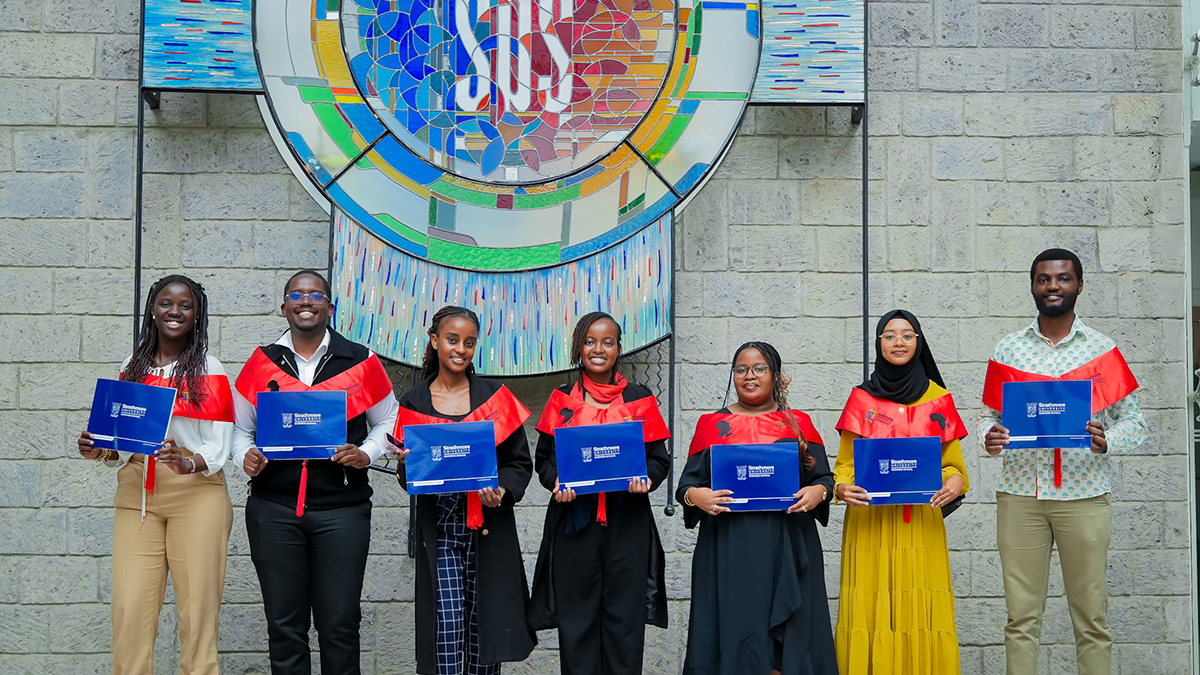
For the past 3 months, Strathmore University Business School (SBS) in partnership with the Association for Persons with Disability of Kenya (APDK) have been training 40 entrepreneurs living with disability in the Entrepreneurship Accelerator Programme for PWDs. The entrepreneurs are from Nairobi.
This Programme, funded by the Deutsche Gesellschaft für Internationale Zusammenarbeit (GIZ), aims to empower the 40 entrepreneurs living with disabilities with the goal of building the capacity of their enterprises by improving their business management skills to enhance growth and foster sustainability.
This training will help in advancing the inclusion and participation of PWDs in entrepreneurships programmes to highlight the significant role they play in contributing to a robust entrepreneurship landscape in Kenya and demonstrate the role PWD Associations and private sector firms can play to facilitate this. The participants have completed the coursework and are now undergoing business coaching for the next month before graduating.
Article by Juliet Hinga
Would you like to share an article? Write to us at sbscommunication@strathmore.edu
Share This Story, Choose Your Platform!
Your journey to business excellence starts here. Subscribe today and be at the forefront of innovation and leadership.





 English (United States)
  English (UK)
  French