

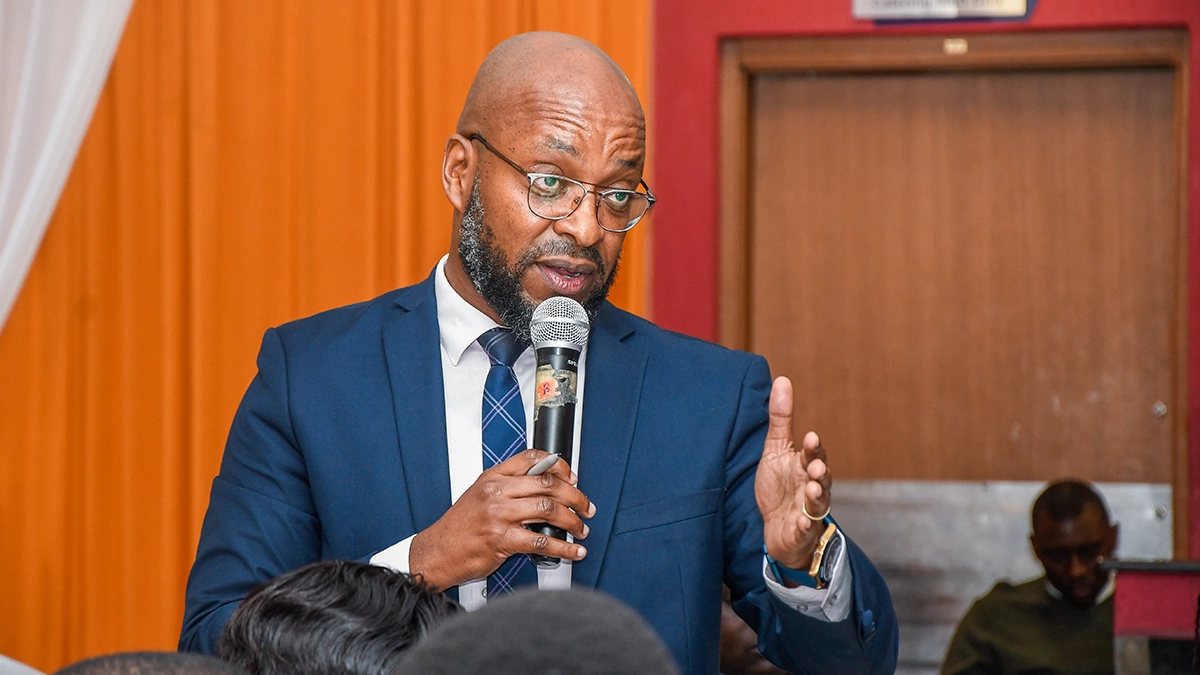

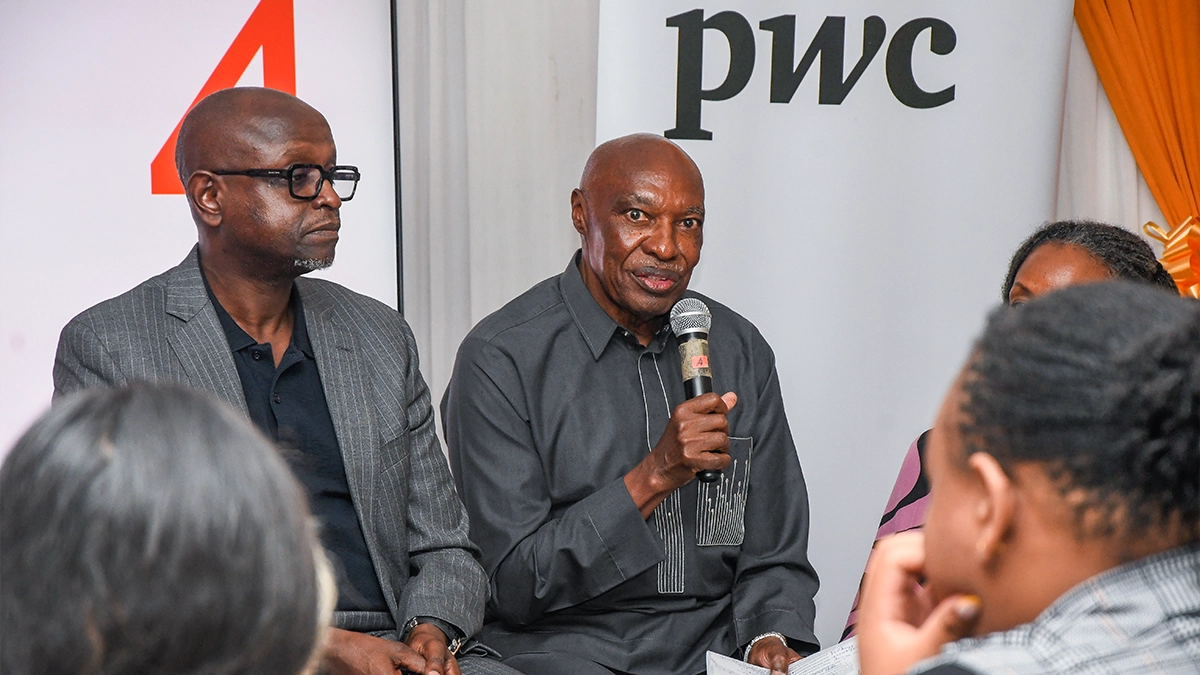
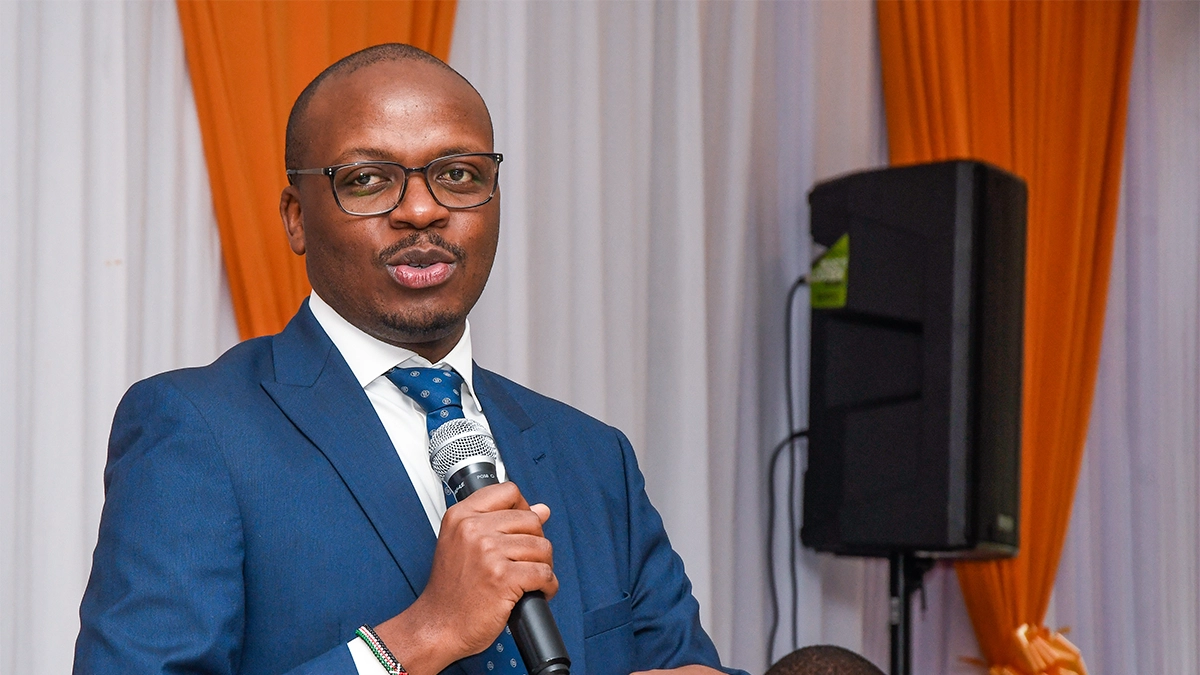
Strathmore Business School (SBS) in collaboration with PricewaterhouseCoopers (PwC) hosted a Symposium on Ethics and Corruption in Public–Private Partnerships (PPP) on 14 October 2025 at Strathmore University Business School.
The symposium, “Enhancing Trust; Promoting Integrity and Accountability in Public–Private Partnerships,” convened policymakers, practitioners, academics, and private sector leaders to explore how Kenya can enhance governance, ethical standards, and transparency in PPP delivery.
In presenting his opening remarks, Dr. Caesar Mwangi pointed out that while PPPs are a valuable tool in facilitating infrastructure and service delivery, they also depend on the ethical conduct of all the actors. Public–private partnerships work optimally in an environment of trust and shared value for accountability that must be actively cultivated and safeguarded.
Speakers weighed the thin line between supervision and efficiency. They emphasized that corruption and ethics failure in PPPs do not only compromise project outcomes but also erode public confidence in government and private sector institutions. Thinkers pointed towards the importance of professional responsibility, adherence to the rule of law, and transparent contractual arrangements.
Panelists agreed that PPPs are more than mere financial or legal devices, but relationships built on the foundation of trust, competency, and shared vision. They highlighted that successful partnerships involve strong institutional capacity, professional competence, and effective governance mechanisms to achieve value for money and protect public interests.
Learning from experience, writers discussed how gaps in capacity, weak monitoring systems, and perverse incentives may give opportunities for malpractice. The overarching message was that integrity breakdowns are frequently the consequence of human choices affirming the value of building integrity into institution culture as much as, if not more than, relying on systems of compliance.
Members emphasized during the session the importance of intersectoral collaboration in response to systemic weaknesses. They pointed to how frequent dialogue, knowledge sharing, and routine contact can avoid ethical blind spots and ensure sustainable development outcomes.
The symposium also had interactive sessions on navigating the “grey areas” of PPP governance that require both technical and moral judgment. Lightheartedly, one of the speakers cited such situations as the “PPP power stretch,” where professionalism, guts, and integrity are equally tested.
In wrapping up the session, PwC and Strathmore Business School delegates renewed their shared commitment to building leadership on ethical grounds and public trust. As Kenya continues to develop its PPP portfolio, the accountability and ethics conversation remains central to sustained success.
Through such portals, Strathmore Business School continues to provide a platform for constructive discussion and reflection on the governance challenges of modern-day organizations. The school remains dedicated to constructing leaders who combine professional proficiency with moral integrity leaders who will guide Africa’s growth through responsible, transparent, and ethical institutions.
The Symposium on Corruption and Ethics in Public–Private Partnerships (PPP) was sponsored by PricewaterhouseCoopers (PwC) and Strathmore Business School (SBS) in collaboration. The symposium convened industry, academia, and government professionals to present best practices and discuss how to establish trust and accountability within PPP frameworks.
Article by Juliet Hinga
Share This Story, Choose Your Platform!
Your journey to business excellence starts here. Subscribe today and be at the forefront of innovation and leadership.






 English (United States)
  English (UK)
  French