

From the Mama Mboga stall to the Jua Kali workshop, Kenya’s Micro, Small, and Medium Enterprises are more than a sector; they form the backbone of the economy. According to the Kenya National Bureau of Statistics’ 2016 MSME Survey, over 7.4 million MSMEs employ 14.4 million Kenyans across every corner of the country, serving as vital engines for employment, GDP growth, and poverty reduction. For generations, these enterprises have supported families and communities despite economic barriers, limited support, fragmented trading networks, and constrained resources.
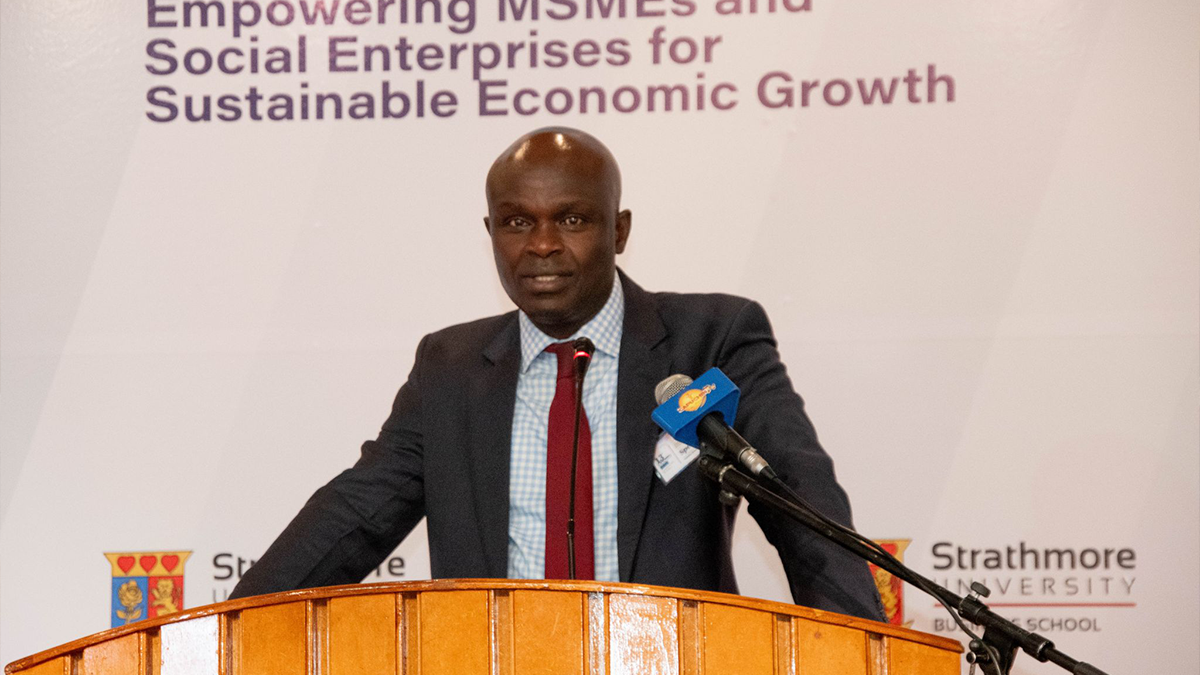
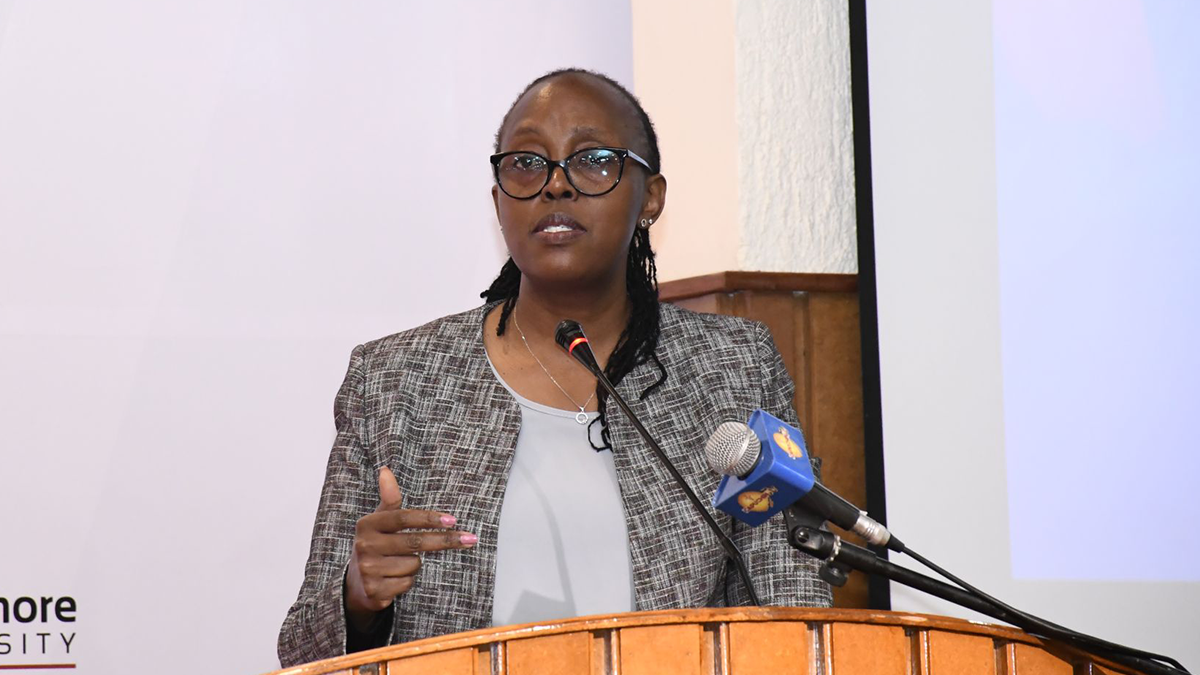
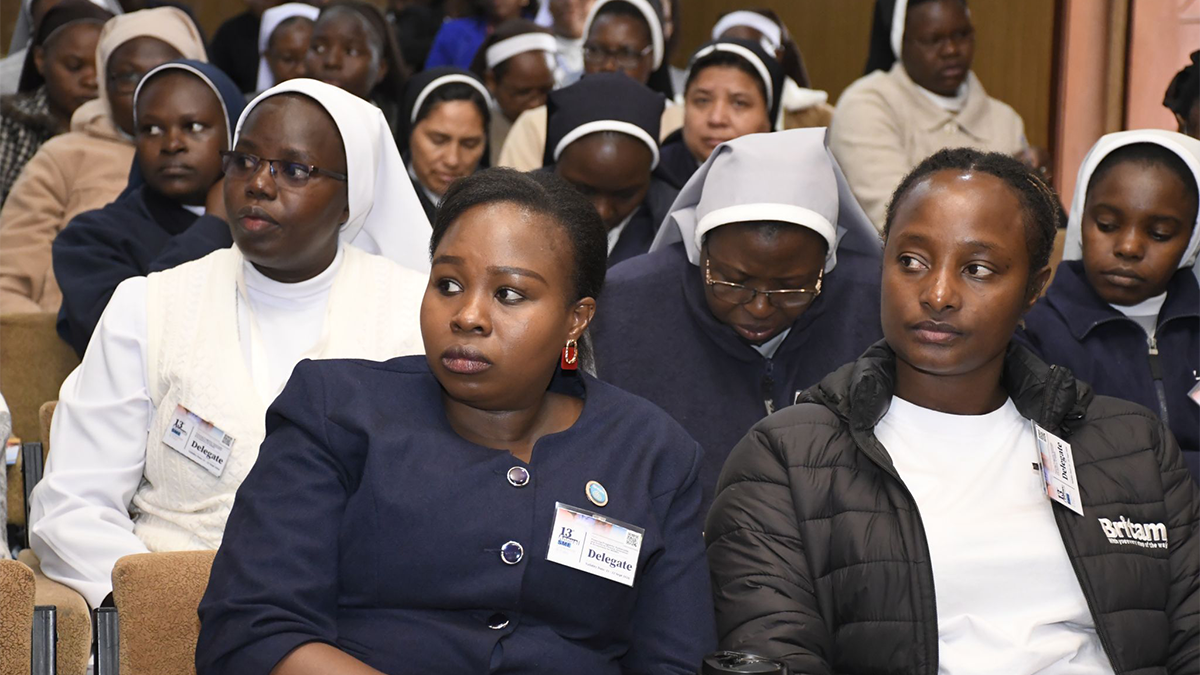
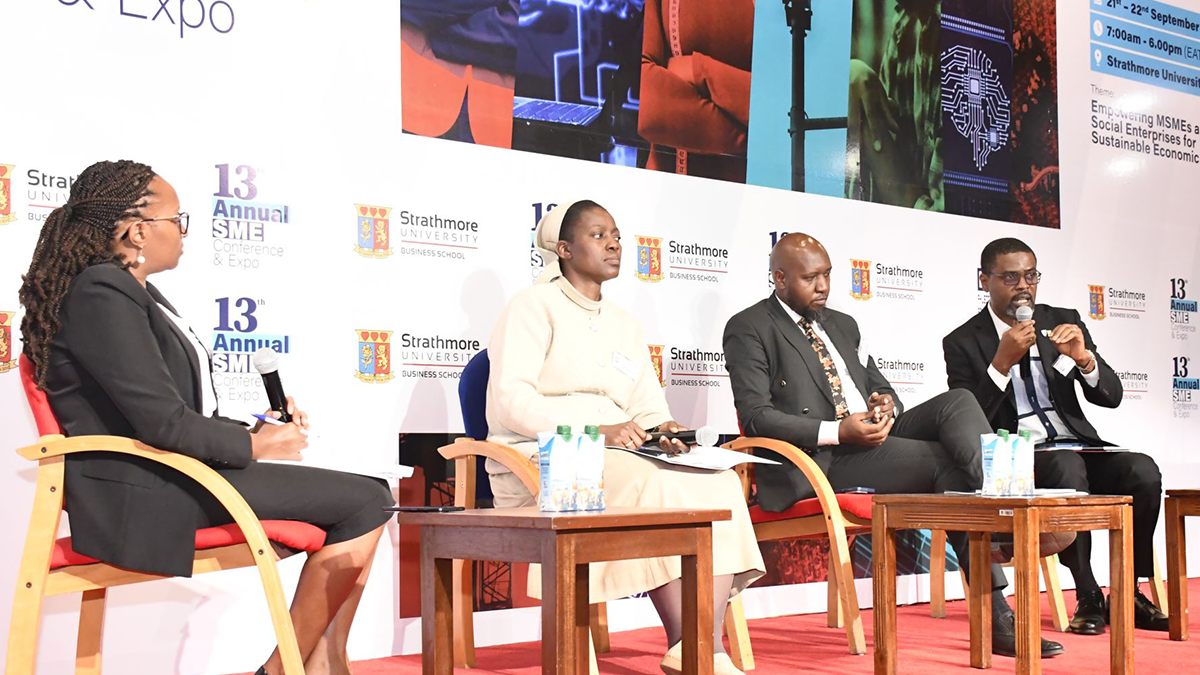
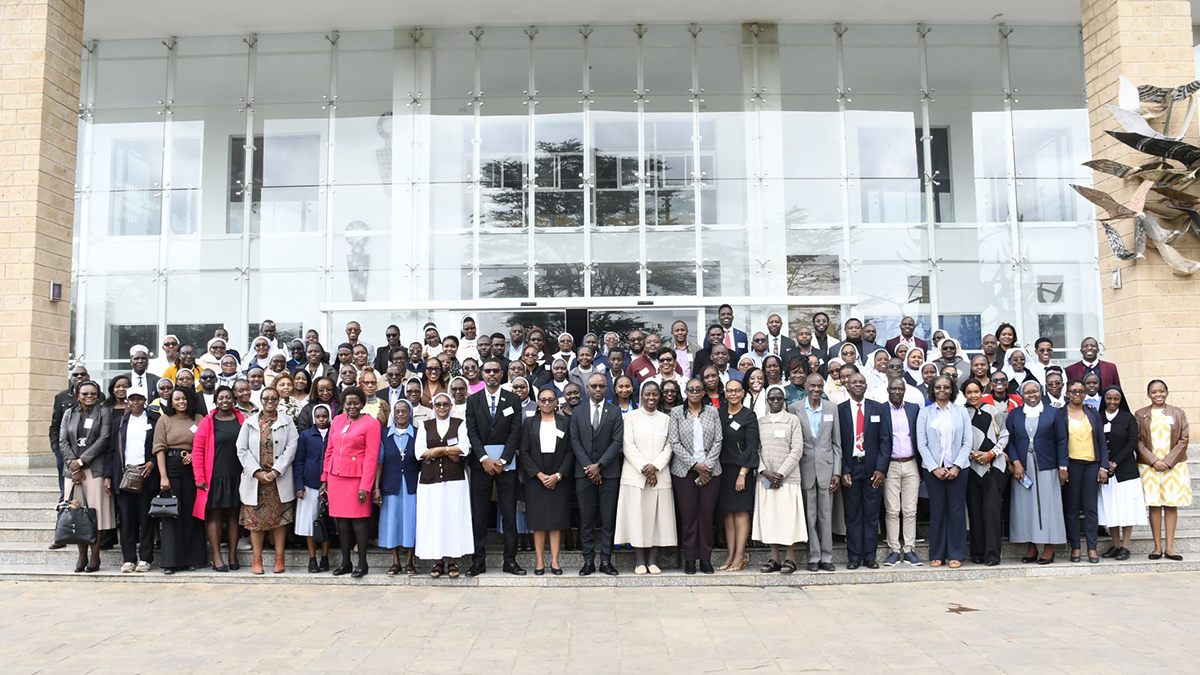
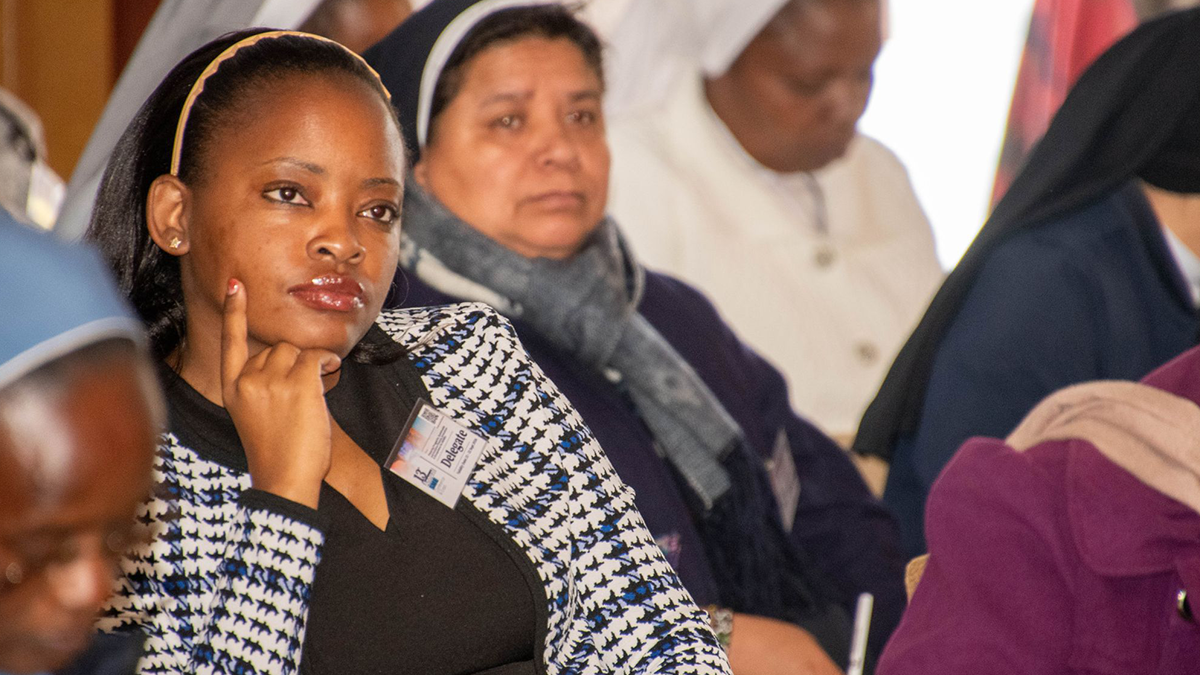
That backdrop set the stage for the 13th Annual SME Conference & Expo, held on 21st–22nd September 2026 at Strathmore University Business School under the theme “Empowering MSMEs and Social Enterprises for Sustainable Economic Growth.” Organised through the Strathmore Entrepreneurship Development and Innovation Centre (SEDIC) and the Social Business Value Project (SBVP), the two-day event brought together entrepreneurs, financiers, technologists, and development practitioners to tackle a question that matters as much for policy as it does for practice: what will it actually take for MSMEs to move from surviving to scaling?
The conference’s key aim was to strengthen Kenya’s MSME and social sectors by enhancing competitiveness, facilitating access to preferential trade opportunities, promoting participation in regional value chains, and accelerating integration into digital trading networks. This links directly to Kenya’s Bottom-Up Economic Transformation Agenda (BETA) and the Fourth Medium Term Plan 2023–2027 (MTP4), positioning the conference not as a standalone event, but as part of a broader national push toward inclusive growth.
The two days of discussion were organised around four core pillars.
Sustainable & Inclusive Finance
Access to financing remains one of MSMEs’ most persistent hurdles and this year’s conversation went beyond the usual “how do I get a loan” framing to ask a sharper question: how can MSMEs access financing that is affordable, climate-resilient, and digitally native, with a specific focus on women, youth, and marginalised groups, including persons with disabilities?
The discussion made it clear that what makes a business “bankable” starts long before the loan application: clean, well-organised financial data, positive cash flow management, a clear separation between business and personal finances, market visibility, and founders who genuinely know their numbers. From there, the conversation moved into where financing is heading — digital financial record-keeping, alternative data, and open banking are reshaping how lending decisions get made. But as businesses lean more heavily on data, good data governance and protection become essential, not optional.
Tackling Kenya’s credit crunch for MSMEs, the sector agreed, requires a combined focus on sustainability and inclusivity, addressing climate resilience and digitalisation while protecting the most vulnerable businesses from being left behind.
Innovation & Market Ecosystems
Technology, the conference emphasised, must never be adopted for its own sake. Businesses first need to define the actual problems holding them back, then decide where and whether technology is the right fit. Underpinning any meaningful use of AI or emerging tech is one non-negotiable: accurate, well-organised data.
From agriculture to customer interactions, the conversation ranged widely on how digitalisation helps businesses make sharper decisions, optimise performance, and automate what used to be manual work. But the digital divide didn’t go unmentioned, especially for rural-based enterprises still working to close the gap.
Building a sustainable MSME innovation and markets ecosystem, the discussion argued, means integrating local producers into national value chains, digital platforms, and international export opportunities, with the goal of driving green growth and expanding market access through strategic public-private partnerships. This extends the conversation well beyond domestic markets: it’s not just about digitising a kiosk’s records, but about connecting Kenyan producers to global trade.
Market linkages featured heavily here too, spanning sectors as varied as creative industries, sport, and agriculture, linking smaller enterprises to bigger firms, established value chains, and new markets identified as a critical growth lever that capital alone can’t unlock.
The Impact of Social Enterprises
Social entrepreneurship fuses business innovation with a social mission, driving profound, grassroots-level community development. The conference highlighted how social enterprises combat poverty and build local wealth by creating localised jobs, enhancing access to essential services like healthcare and education, and fostering long-term social resilience.
Concretely, social enterprises reduce unemployment by offering both full-time and part-time roles to marginalised individuals, while microfinance and vocational training programs have been shown to raise household incomes and generate sustainable livelihoods.
For social enterprises specifically, the discussion went further into a harder balancing act: how to sustain the business and its mission simultaneously. Research, innovation, and collaboration with institutions such as business schools were flagged as valuable sources of insight for navigating that tension, alongside a candid debate on advisory services, partnerships, and business structures. An entrepreneur might know their product inside and out, but still need real support in finance, marketing, HR, governance, and technology. The goal: building a business that can run without its owner’s hands on every lever.
The Role of Youth in Reshaping the Future of MSMEs
Youth represent the driving force behind the future of Kenya’s MSMEs. Across the country, youth-led MSMEs account for most new jobs and innovation, propelling the green, blue, and orange (creative) economies forward. In response, government and private sector players are scaling up funding and mentorship to empower emerging youth entrepreneurs.
Youth are also positioned as the primary drivers of modernisation for MSMEs, bridging the gap between traditional business practices and the evolving digital economy and, in doing so, reshaping the future of Kenyan enterprise.
If there was one idea tying all four pillars together, it was this: MSMEs don’t develop in isolation. Building sustainable, resilient enterprises takes an ecosystem that connects businesses to the finance, markets, knowledge, technology, and partners they need to succeed.
Article by Juliet Hinga
Share This Story, Choose Your Platform!
Your journey to business excellence starts here. Subscribe today and be at the forefront of innovation and leadership.






 English (United States)
  English (UK)
  French